How to Repair Cracked Tile in Shower?
- Sinotiles
- 2026-05-08
A cracked shower tile can quickly turn into water leaks, mold, and costly repairs. Many homeowners ignore small cracks until the damage spreads behind the wall.
You can repair cracked shower tiles by cleaning the area, using tile repair epoxy or filler, sealing the surface, and replacing the tile only when the damage is severe or affects waterproofing.
Small cracks may look harmless at first. Still, moisture can slowly enter behind the tile and weaken the wall structure. A simple repair today can prevent a much larger renovation later. In many projects, early tile maintenance has saved both time and money for property owners and contractors.
What Causes Shower Tiles to Crack Over Time?
A small crack in shower tile often starts deep below the surface. Many people blame the tile itself, but the real cause is usually movement, pressure, or moisture problems.
Shower tiles crack over time because of structural movement, poor installation, water penetration, heavy impact, or low-quality adhesive that weakens the tile support.
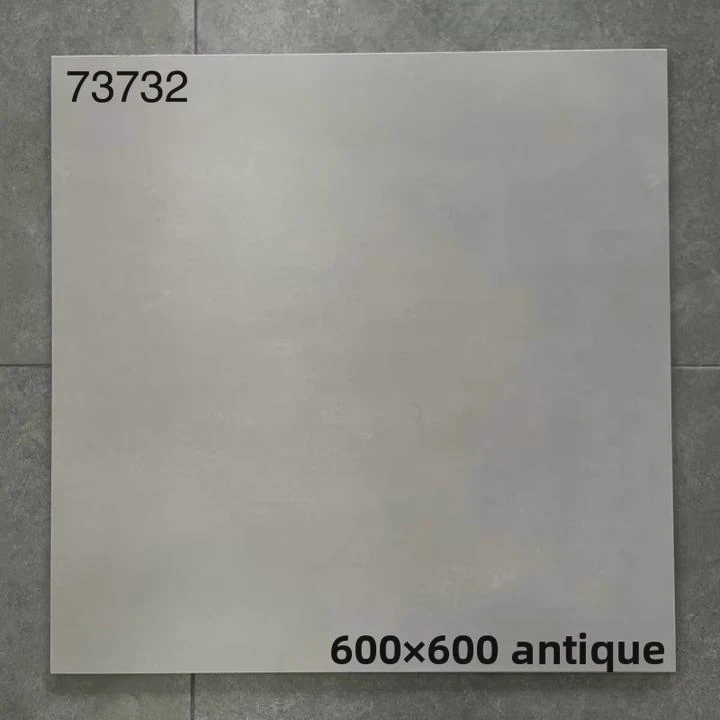
Shower environments are constantly exposed to heat, water, steam, and pressure. These conditions slowly affect both the tile and the substrate behind it.
Poor Installation Methods
Many tile problems begin during installation. If the installer fails to prepare the wall correctly, tiles may not bond evenly. Air gaps behind the tile create weak spots. Over time, daily pressure can lead to cracks.
Some common installation mistakes include:
| Installation Problem | Result |
|---|---|
| Uneven adhesive coverage | Hollow spots behind tile |
| Weak substrate boards | Tile movement |
| No expansion gaps | Pressure buildup |
| Low-quality grout | Water penetration |
In large hotel or apartment projects, installers sometimes rush the process to save labor time. This often creates long-term cracking issues.
Water Damage Behind the Tile
Water is one of the biggest reasons shower tiles fail. When moisture enters behind the tile, it weakens adhesives and wall materials.
Over time, the substrate expands and contracts. This movement pushes against the tile surface. Small hairline cracks then appear.
This problem is common in older bathrooms where waterproof membranes were not installed correctly.
Structural Movement
Buildings naturally move over time. Temperature changes, settling foundations, and vibration all affect tiled surfaces.
Large-format tiles are especially sensitive because they cover wider areas with less flexibility. In commercial projects, expansion joints help reduce this stress.
Without movement joints, pressure builds between tiles until cracks appear.
Heavy Impact and Daily Use
Some cracks come from direct force. Dropping a metal shower head or heavy object can chip or crack the tile immediately.
Repeated stress also matters. In busy family bathrooms or hotel showers, years of use slowly weaken certain areas.
Low-Quality Tile Materials
Not all tiles perform the same way. Cheap ceramic products with poor density absorb more water and crack more easily.
High-quality porcelain tiles usually resist cracking better because they have lower water absorption and stronger durability.
Why Early Inspection Matters
A small crack can become a major waterproofing issue if ignored. During export projects for overseas buyers, many contractors now request extra quality testing for:
- Water absorption
- Surface hardness
- Flexural strength
- Slip resistance
- Thermal stability
These tests help reduce future cracking risks in both residential and commercial applications.
How Do You Repair Cracked Tiles Without Replacement?
Many cracked shower tiles can be repaired without removing the tile. This saves labor costs, avoids wall damage, and keeps the bathroom usable during repair.
You can repair cracked shower tiles without replacement by cleaning the crack, applying epoxy filler, smoothing the surface, coloring the repair area, and sealing the tile properly.
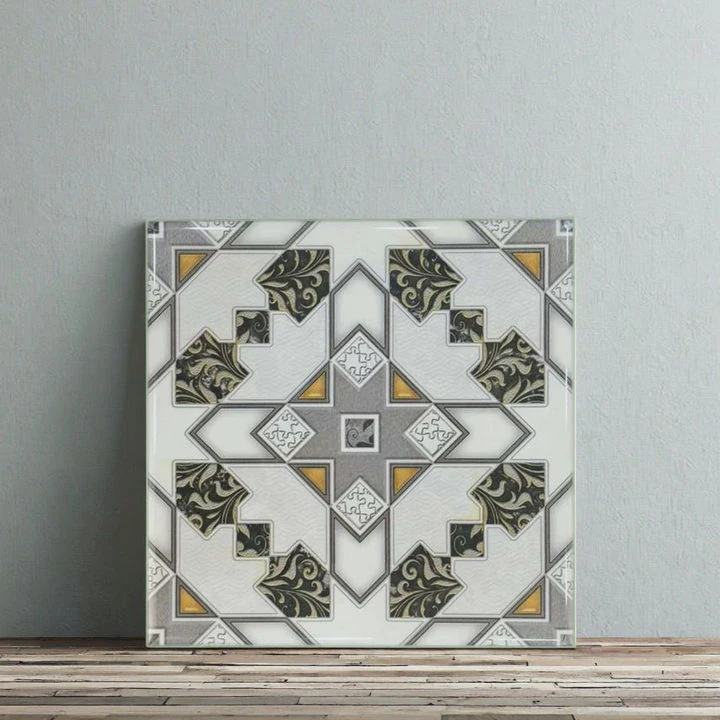
Repairing instead of replacing works best for hairline cracks or small cosmetic damage. Deep cracks with loose tiles usually require replacement.
Step 1: Clean the Damaged Area
Before any repair begins, the tile surface must be completely clean and dry.
Soap residue, moisture, and mold prevent epoxy from bonding correctly.
A simple cleaning process includes:
- Remove soap scum
- Dry the crack fully
- Use rubbing alcohol for final cleaning
- Allow ventilation before repair
Skipping this step often leads to repair failure.
Step 2: Apply Tile Repair Epoxy
Epoxy fillers are popular because they create strong waterproof repairs.
Most repair kits include:
- Epoxy compound
- Hardener
- Color pigment
- Applicator tool
The filler should be pushed deep into the crack to eliminate air pockets.
Step 3: Smooth the Surface
After filling the crack, the surface must be leveled before the epoxy hardens.
Plastic scrapers or razor blades help remove excess material. A smooth finish makes the repair less visible.
Step 4: Match the Tile Color
Color matching is often the hardest part.
Some repair kits include pigments for adjusting shades. In many projects, technicians mix multiple colors to match stone-look or marble-look tiles.
Glossy surfaces usually require extra polishing after curing.
Step 5: Seal the Repaired Area
A waterproof sealer protects the repaired crack from future moisture exposure.
This step is very important inside showers because water constantly hits the tile surface.
When Repair Works Best
Repair without replacement works well for:
- Hairline cracks
- Small corner chips
- Cosmetic surface damage
- Minor impact cracks
It does not work well for:
- Loose tiles
- Deep structural cracks
- Water-damaged walls
- Large broken sections
Common Repair Mistakes
Many DIY repairs fail because people rush the process.
Here are common problems:
| Mistake | Result |
|---|---|
| Repairing wet tile | Weak bonding |
| Using cheap filler | Cracks return |
| No sealing step | Water enters again |
| Poor color matching | Visible repair marks |
Professional vs DIY Repair
DIY repair is often enough for small cracks. Still, luxury hotels, commercial buildings, and large residential projects usually hire professional tile technicians.
Professional repairs often include:
- Moisture inspection
- Infrared leak detection
- Matching grout restoration
- Waterproof membrane testing
This creates longer-lasting results, especially in high-use shower areas.
Which Adhesives Are Best for Tile Repair?
The wrong adhesive can cause repaired tiles to fail again within months. Choosing the correct bonding material is one of the most important parts of shower tile repair.
The best adhesives for shower tile repair are waterproof epoxy adhesives, polymer-modified thin-set mortar, and high-strength ceramic repair compounds designed for wet environments.
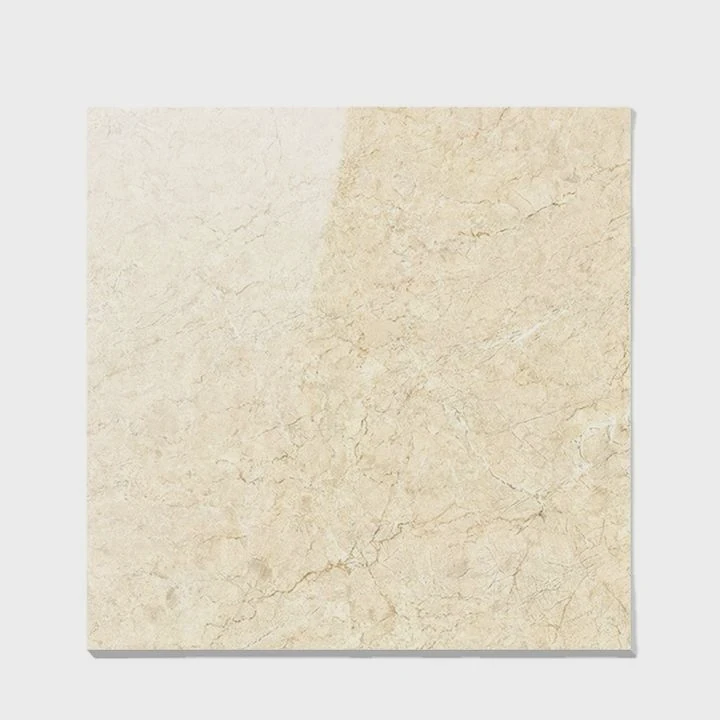
Bathrooms create difficult conditions because of constant humidity, temperature changes, and direct water exposure.
Epoxy Adhesives
Epoxy adhesives are widely used for crack repair because they create a strong waterproof bond.
These products resist:
- Moisture
- Heat
- Chemicals
- Mold growth
Epoxy also bonds well to porcelain, ceramic, and natural stone surfaces.
For shower environments, two-part epoxy systems usually perform better than simple filler compounds.
Polymer-Modified Thin-Set Mortar
Thin-set mortar is commonly used when replacing loose tiles.
Modern polymer-modified formulas improve:
- Flexibility
- Water resistance
- Adhesion strength
This type of adhesive works especially well for porcelain tiles because porcelain absorbs very little water.
Silicone-Based Adhesives
Silicone products are flexible and waterproof. They are useful for movement joints and small flexible areas.
Still, silicone is not ideal for structural tile repair because it lacks the hardness needed for load-bearing surfaces.
Comparing Common Tile Repair Adhesives
| Adhesive Type | Best Use | Water Resistance | Strength |
|---|---|---|---|
| Epoxy Adhesive | Crack repair | Excellent | Very High |
| Thin-Set Mortar | Tile replacement | High | High |
| Silicone Adhesive | Flexible joints | Excellent | Medium |
| Acrylic Filler | Cosmetic repair | Medium | Low |
Why Waterproof Performance Matters
Many low-cost adhesives absorb moisture over time. Once water enters the adhesive layer, bonding strength drops quickly.
In export tile projects, many contractors now request adhesives that meet international waterproofing standards for commercial bathrooms and hotels.
Adhesive Compatibility with Tile Types
Different tiles need different bonding materials.
Porcelain Tiles
Porcelain is dense and requires stronger adhesives with high bonding strength.
Ceramic Tiles
Ceramic tiles are easier to bond and work with most standard repair adhesives.
Natural Stone
Stone surfaces may require stain-resistant epoxy to prevent discoloration.
Environmental Conditions Also Matter
Shower repair products should handle:
- Steam
- Constant humidity
- Cleaning chemicals
- Temperature changes
Low-quality adhesives often shrink after curing, which creates new cracks around the repair area.
Long-Term Durability
In many commercial projects, repair durability matters more than repair speed.
Long-lasting tile repairs depend on:
- Correct surface preparation
- Proper adhesive selection
- Waterproof sealing
- Skilled application
Even the best tile can fail if the adhesive system is poor.
When Should Damaged Tiles Be Replaced Completely?
Some shower tile damage goes far beyond cosmetic cracks. In these cases, repair is only a temporary solution and full replacement becomes necessary.
Damaged shower tiles should be replaced completely when cracks are deep, tiles become loose, water damage spreads behind the wall, or the waterproof layer has failed.
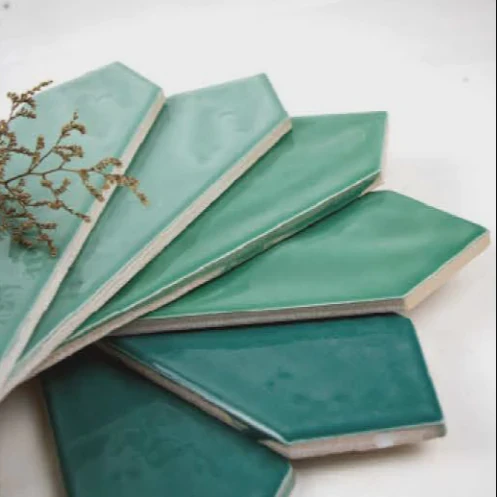
Many homeowners try repeated repairs to avoid renovation costs. Still, severe tile damage often continues spreading beneath the surface.
Signs That Replacement Is Necessary
Some warning signs clearly show that repair alone will not solve the problem.
These include:
- Loose or moving tiles
- Multiple cracked tiles
- Mold growth behind walls
- Hollow sounds when tapping tiles
- Water leaks outside the shower
- Bulging wall sections
When these problems appear together, hidden structural damage is often already present.
Water Damage Behind the Surface
Waterproofing failure is one of the most serious issues in shower systems.
Once moisture reaches:
- Cement boards
- Drywall
- Wood framing
- Insulation
the damage spreads quickly.
At this stage, replacing only the tile surface does not fix the root problem.
Mold and Health Risks
Hidden moisture often creates mold growth behind shower walls.
This can cause:
- Bad odors
- Air quality problems
- Wall deterioration
- Health concerns
Professional contractors usually remove affected wall sections before installing new waterproof systems.
Outdated Installation Systems
Older bathrooms may use outdated materials that no longer meet modern waterproofing standards.
Common old systems include:
- Drywall behind tile
- Weak cement backing
- No waterproof membrane
- Poor drainage slopes
Modern shower systems use advanced waterproof membranes and stronger bonding materials.
Large-Format Tile Challenges
Large-format tiles create a modern luxury appearance, but repairs are harder when damage occurs.
A small crack in a 900×1800mm tile often requires complete replacement because color and pattern matching become difficult.
Cost Comparison: Repair vs Replacement
| Situation | Better Option |
|---|---|
| Hairline crack | Repair |
| Single chipped tile | Repair |
| Loose tile | Replace |
| Water leakage | Replace |
| Mold behind wall | Replace |
| Multiple cracked tiles | Replace |
Why Professional Assessment Matters
In many commercial hotel or apartment projects, hidden water damage can affect large wall sections.
Professional inspection helps identify:
- Waterproofing failure
- Structural movement
- Moisture penetration
- Adhesive breakdown
This prevents repeated repair costs later.
Choosing Better Replacement Tiles
When replacing damaged shower tiles, many buyers now prefer:
- Porcelain tiles with low water absorption
- Anti-slip surfaces
- Large-format modern designs
- Durable glazed finishes
High-quality materials reduce future maintenance problems and improve long-term durability.
Conclusion
Repairing cracked shower tiles early helps prevent leaks, mold, and expensive wall damage. Small cracks can often be repaired successfully, but serious moisture or structural problems usually require full tile replacement for long-term protection.