How To Remove Tile Backsplash Without Damaging Drywall?
- Sinotiles
- 2026-05-20
Many homeowners start removing a tile backsplash with confidence. Then the drywall suddenly tears apart, creating bigger repair costs and extra renovation stress.
To remove tile backsplash without damaging drywall, use slow and controlled removal methods, soften adhesive first, work with gentle tools, and remove tiles section by section instead of forcing them off quickly.
Backsplash removal looks simple at first. Still, many people damage the wall because they rush the process or use heavy tools incorrectly. In many remodeling projects, the wall behind the tile matters just as much as the tile itself. Preserving the drywall saves time, reduces repair work, and lowers renovation costs. A careful approach usually creates much cleaner results.
What Techniques Protect Drywall During Tile Removal?

Many backsplash projects become expensive because damaged drywall adds unexpected labor, patching, sanding, and repainting work after tile removal.
The best techniques for protecting drywall include loosening grout lines first, working slowly from tile edges, using controlled pressure, and removing tiles in small sections instead of large forceful movements.
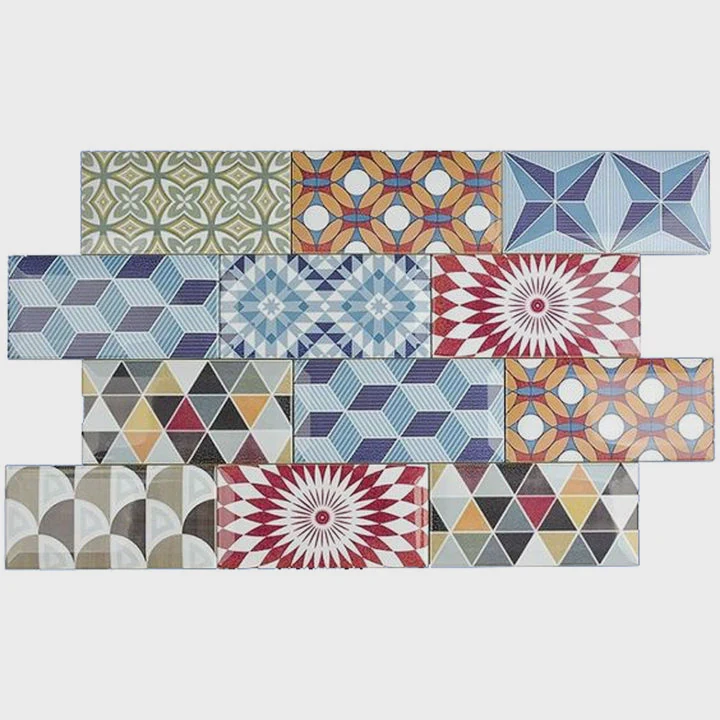
The biggest mistake during backsplash removal is impatience. Many people try to pry large sections off the wall too quickly. This usually tears the drywall paper and sometimes breaks the gypsum core underneath.
Start With Grout Line Separation
Grout connects tiles together tightly. If the grout remains in place, pressure spreads across multiple tiles during removal.
Removing grout first helps isolate each tile.
A grout removal tool or utility knife works well for this step. Careful grout removal reduces stress on nearby drywall areas.
Work From Loose Edges
Loose corners and weak edges create safer starting points.
Instead of attacking the center of the backsplash, begin where tiles already show:
- Small cracks
- Loose edges
- Gaps near outlets
- Weak corners
- Existing movement
These areas usually release with less pressure.
Use Controlled Force
Force direction matters more than force strength.
Pulling outward aggressively often damages drywall. Instead, slow side-to-side pressure works better because it gradually separates adhesive from the wall surface.
Remove Tiles Individually
Some installers used strong mortar during original installation. In those cases, removing large tile sheets becomes risky.
Removing one tile at a time provides better control.
| Removal Method | Drywall Risk Level |
|---|---|
| Large section prying | High |
| Individual tile removal | Lower |
| Hammer impact removal | Very high |
| Slow edge loosening | Safer |
Protect Surrounding Areas
Before starting removal, cover nearby surfaces.
Important protection areas include:
- Kitchen countertops
- Cabinets
- Sink edges
- Flooring
- Electrical outlets
Flying tile fragments can create scratches and chips very easily.
Pay Attention to Tile Type
Some backsplash materials remove more easily than others.
| Tile Type | Removal Difficulty |
|---|---|
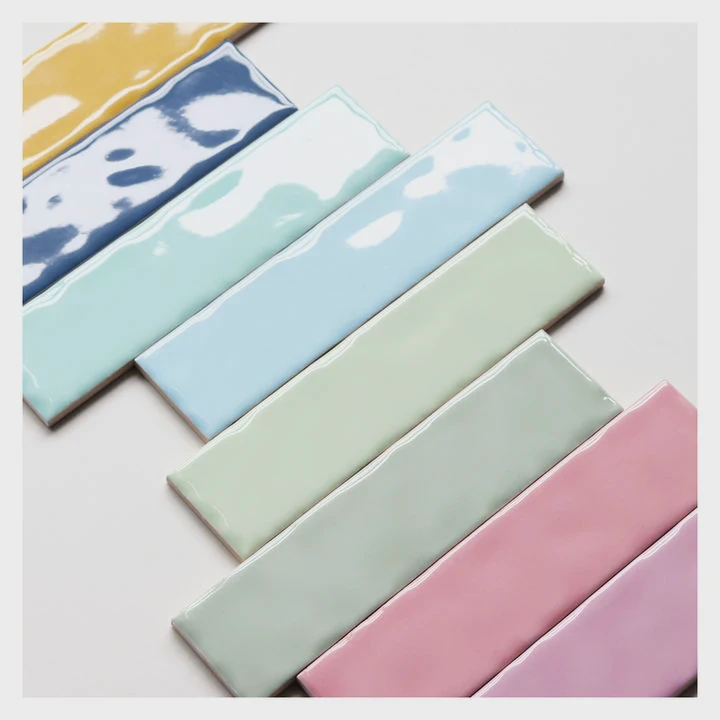
| Ceramic subway tile | Easier |
| Glass tile | Moderate |
| Porcelain tile | Harder |
| Stone mosaic | Difficult |
Heavier materials usually require more patience because they often use stronger adhesive systems.
Slow Progress Usually Saves Time
Many people think faster removal saves labor. In reality, damaged drywall creates more work later.
A careful removal process often reduces:
- Wall patching
- Sanding
- Joint compound repair
- Repainting
- Surface leveling
This creates cleaner final results for the next backsplash installation.
In several remodeling projects, slow removal during the first hour prevented many hours of drywall repair afterward. Careful technique almost always creates better renovation efficiency.
How Can Adhesive Be Softened Before Removal?
Strong tile adhesive often bonds tightly to drywall paper. Without softening the adhesive first, tile removal can easily rip large wall sections apart.
Adhesive can be softened using heat, moisture, steam, or gradual loosening methods that weaken the bond between the tile adhesive and drywall surface.
Adhesive strength depends on the original installation method. Some backsplashes use mastic adhesive, while others use thin-set mortar. Each reacts differently during removal.
Heat Helps Break Adhesive Bonds
Heat is one of the safest methods for softening many backsplash adhesives.
A heat gun or hair dryer can warm the adhesive behind the tile. As the adhesive softens, tiles often separate more easily.
Safe Heating Tips
Controlled heating matters because excessive heat can damage drywall.
Follow these simple practices:
| Heating Practice | Purpose |
|---|---|
| Keep heat moving | Prevent drywall overheating |
| Heat small sections | Improve control |
| Test tile movement often | Avoid excess force |
| Work gradually | Reduce wall damage |
Patience is very important during this process.
Steam and Moisture Methods
Some older mastics weaken when exposed to moisture or steam.
A wallpaper steamer sometimes helps loosen tile backing adhesive, especially in older kitchens.
Still, too much water creates another problem because drywall absorbs moisture quickly.
Avoid Over-Saturating Drywall
Drywall paper weakens when soaked.
Excessive moisture may cause:
- Paper bubbling
- Surface peeling
- Soft gypsum damage
- Mold risk
Light moisture exposure works better than soaking the wall.
Thin-Set Mortar Is Harder to Soften
Modern porcelain installations often use cement-based thin-set mortar. This material does not soften easily with moisture alone.
In these cases, gentle mechanical loosening becomes more important.
Combine Heat With Gentle Pressure
The best results often come from combining methods.
A common process includes:
- Warm the tile section
- Test edge movement carefully
- Apply gentle prying pressure
- Continue heating gradually
- Remove tile slowly
This creates less shock on drywall surfaces.
Adhesive Age Also Matters
Older adhesives sometimes become brittle over time. Brittle adhesive may crack apart more easily during removal.
Newer adhesive systems often remain flexible and stronger.
Why Softening Matters
Softening adhesive reduces stress transfer into the drywall layer.
Without adhesive softening, many problems appear:
| Common Problem | Cause |
|---|---|
| Torn drywall paper | Excess pulling force |
| Deep wall gouges | Hard adhesive resistance |
| Large drywall holes | Sudden tile release |
| Uneven surfaces | Aggressive scraping |
Many successful backsplash removals rely more on preparation than physical force. Careful adhesive softening usually creates cleaner wall conditions for the next installation stage.
Why Use Gentle Tools For Backsplash Removal?
Heavy demolition tools may remove tiles faster, but they often create severe drywall damage that becomes expensive and difficult to repair later.
Gentle tools reduce impact force, improve control, protect drywall surfaces, and allow more precise tile removal during backsplash demolition.
Tool selection changes the entire removal process. Many DIY users immediately reach for large hammers or aggressive pry bars. This usually creates unnecessary wall destruction.
Small Tools Give Better Control
Smaller tools allow more accurate movement.
Useful backsplash removal tools include:
- Plastic putty knives
- Flexible scrapers
- Small pry tools
- Utility knives
- Multi-tools
- Rubber mallets
These tools help separate tile gradually instead of violently.
Flexible Tools Protect Wall Surfaces
Rigid metal tools can dig directly into drywall.
Flexible scrapers spread pressure more evenly across the wall surface. This lowers the chance of deep gouges.
Utility Knives Help Reduce Stress
Cutting around grout lines and tile edges with a utility knife reduces tension before prying begins.
This simple step often prevents drywall paper tearing.
Oscillating Multi-Tools Improve Precision
Oscillating tools are very useful in backsplash removal.
They help with:
- Grout cutting
- Adhesive scoring
- Edge separation
- Tight corner work
These tools create controlled cutting instead of uncontrolled impact damage.
Avoid Large Demolition Hammers
Large hammers transfer strong vibration into drywall.
This can create:
| Problem | Result |
|---|---|
| Drywall cracking | Larger repairs |
| Tile shattering | Flying debris |
| Cabinet damage | Expensive replacement |
| Uneven wall surface | More refinishing work |
Backsplash projects usually require precision more than power.
Plastic Tools Sometimes Work Better
Plastic putty knives may seem weak, but they often work very well during early separation stages.
Plastic edges reduce accidental cuts into drywall paper.
Slow Leverage Beats Sudden Impact
Gentle leverage techniques create cleaner removal.
Instead of striking tiles hard, gradual lifting pressure allows adhesive to release naturally over time.
Tool Quality Also Matters
Cheap tools sometimes bend or slip during removal. This can increase wall damage.
Good-quality hand tools improve:
- Grip stability
- Pressure control
- Precision
- User safety
Safety Equipment Remains Important
Even careful removal creates sharp fragments and dust.
Important safety items include:
- Safety glasses
- Gloves
- Dust masks
- Long sleeves
Glass backsplash tiles especially create dangerous sharp pieces during breakage.
Many professional installers focus more on finesse than force during backsplash demolition. Gentle tools help maintain better wall conditions and reduce repair work significantly.
Which Steps Minimize Drywall Repair After Removal?
Even careful backsplash removal can leave small wall imperfections. Still, proper techniques greatly reduce the amount of drywall repair needed afterward.
To minimize drywall repair after backsplash removal, remove adhesive carefully, protect drywall paper, patch small damage early, sand lightly, and prepare the wall surface gradually before reinstalling new tile.
Many people focus only on tile removal and ignore wall recovery. Good wall preparation creates a much smoother final installation result.
Remove Adhesive Slowly
After tile removal, adhesive residue often remains on the drywall.
Aggressive scraping creates major damage.
Instead, use:
- Wide drywall knives
- Flexible scrapers
- Light sanding
- Gradual pressure
The goal is to flatten the surface without tearing drywall paper.
Protect Drywall Paper Layer
The outer paper layer is very important because it stabilizes the drywall surface.
When paper tears badly, future tile installation becomes more difficult.
Patch Small Damage Early
Small holes and dents should be repaired immediately before they expand.
Simple patching materials include:
| Repair Material | Best Use |
|---|---|
| Joint compound | Small dents |
| Setting compound | Deeper damage |
| Drywall patch kits | Medium holes |
| Sanding sponge | Surface smoothing |
Early repair prevents uneven wall buildup later.
Seal Exposed Drywall Areas
Exposed gypsum absorbs moisture quickly.
Applying primer helps seal repaired areas before installing a new backsplash.
Sand Carefully
Heavy sanding can weaken drywall surfaces.
Light sanding works best for:
- Removing rough spots
- Smoothing joint compound
- Leveling adhesive residue
Smooth wall preparation improves tile alignment during reinstallation.
Check Wall Flatness
Uneven walls create installation problems later.
Use a straightedge or level to inspect:
- High spots
- Depressions
- Adhesive buildup
- Surface waves
Correcting these issues early creates cleaner tile lines.
Know When Replacement Is Better
Sometimes drywall damage becomes too extensive for practical repair.
Replacement may be better if the wall has:
- Large torn sections
- Severe moisture damage
- Deep cracking
- Structural weakness
In these situations, replacing a drywall section can save time and create better final quality.
Prepare for New Tile Installation
Before reinstalling tile, the wall should feel:
- Clean
- Flat
- Dry
- Stable
- Dust-free
This improves adhesive bonding and final appearance.
Patience Reduces Total Work
Many drywall problems happen because people rush the final cleanup stage.
Careful finishing usually reduces:
| Problem | Result |
|---|---|
| Uneven tile lines | Better installation quality |
| Weak adhesion | Stronger bonding |
| Visible wall bumps | Cleaner appearance |
| Future tile cracking | Longer lifespan |
Several remodeling projects showed that spending extra time on wall preparation created much better final backsplash results. Smooth drywall surfaces make the next installation easier, faster, and more professional.
Conclusion
Removing tile backsplash without damaging drywall requires patience, gentle tools, controlled pressure, and careful adhesive softening. Slow removal methods usually reduce wall repairs, lower renovation costs, and create cleaner surfaces for the next backsplash installation.