How to Clean Ceramic Floor Tile?
- Sinotiles
- 2026-07-17
Dirty ceramic floor tiles can make any room look old, even when the tiles are still in great condition. Dust, grease, and stains build up over time and become harder to remove if they are ignored.
The best way to clean ceramic floor tile is to sweep or vacuum first, then mop with warm water and a pH-neutral cleaner. Clean spills quickly, avoid harsh chemicals, and use the right tools to protect the tile surface while keeping it bright and long-lasting.
Many people believe ceramic tiles need very little care because they are durable. That is true to some extent, but good cleaning habits make a big difference. Simple maintenance helps ceramic tiles stay beautiful for many years. The following guide explains which cleaners are safe, how often floors should be cleaned, whether vinegar is a good choice, and which tools can save both time and effort.
What Cleaners Are Safe for Ceramic Tiles?
Keeping ceramic tiles clean starts with choosing the right cleaner. Many people think a stronger chemical means a better result. That is not always true. Some harsh cleaners can damage grout, leave dull marks, or create residue that attracts more dirt. A gentle cleaner often works better for daily maintenance.
The safest cleaners for ceramic tiles are pH-neutral tile cleaners, warm water, mild dish soap, and products made for ceramic flooring. These cleaners remove dirt without damaging the tile surface or grout.
Ceramic tiles have a protective glazed surface that resists stains and moisture. This makes them much easier to clean than many other flooring materials. Still, the grout between the tiles is more porous. That is why using the correct cleaner matters.
Safe Cleaning Options
| Cleaner | Safe for Ceramic Tile | Best Use |
|---|---|---|
| Warm water | Yes | Daily cleaning |
| pH-neutral tile cleaner | Yes | Regular maintenance |
| Mild dish soap | Yes | Light grease removal |
| Baking soda paste | Yes | Spot cleaning stains |
| Steam cleaner | Yes (sealed grout) | Deep cleaning |
Warm water removes most daily dust and dirt. A pH-neutral cleaner is even better because it leaves very little residue. Mild dish soap is useful when kitchen grease builds up, but only a small amount is needed.
Cleaners to Avoid
Some products should stay away from ceramic floors.
- Bleach for regular cleaning
- Ammonia-based cleaners
- Acidic cleaners
- Abrasive powders
- Steel wool
- Strong solvent products
These products may not damage glazed ceramic immediately, but repeated use can weaken grout, remove sealers, or leave a dull finish.
Why pH-Neutral Cleaners Work Best
A pH-neutral cleaner is balanced. It removes dirt without reacting with the tile finish. Many professional cleaners prefer these products because they clean well and protect both the tile and the grout.
Another benefit is that they leave less sticky residue. Floors stay cleaner for a longer time because dust has fewer places to stick.
My Cleaning Routine
A simple routine usually works best.
- Sweep loose dirt.
- Vacuum corners if needed.
- Mix warm water with a small amount of tile cleaner.
- Mop with a microfiber mop.
- Rinse with clean water if needed.
- Let the floor air dry.
This process takes only a few minutes but helps keep ceramic floors looking almost new.
How Often Should Ceramic Floors Be Cleaned?
Many homeowners only clean ceramic floors when they look dirty. The problem is that dirt often scratches the surface before it becomes visible. Regular cleaning prevents this from happening.
Ceramic floors should be swept or vacuumed several times each week, mopped weekly, and deep cleaned every few months. High-traffic areas may need more frequent cleaning.
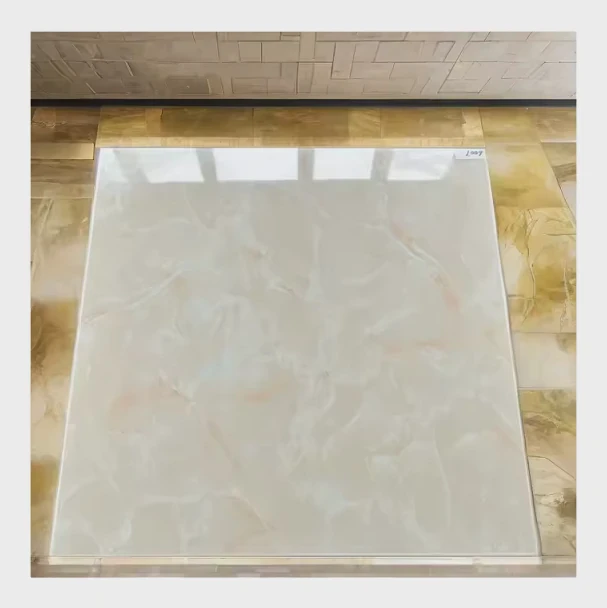
Cleaning frequency depends on where the floor is installed. A bathroom usually stays cleaner than an entrance hallway. A commercial building experiences much heavier foot traffic than a private home.
Recommended Cleaning Schedule
| Area | Sweep/Vacuum | Mop | Deep Clean |
|---|---|---|---|
| Living room | 2-3 times weekly | Weekly | Every 3 months |
| Kitchen | Daily | Weekly | Monthly |
| Bathroom | 2-3 times weekly | Weekly | Every 2 months |
| Hallway | Daily | Weekly | Monthly |
High-traffic areas collect sand and tiny stones. These particles act like sandpaper when people walk across the floor.
Daily Maintenance Matters
Daily cleaning sounds like a lot of work, but it often takes only five minutes.
A microfiber dust mop quickly removes dirt before it becomes embedded in grout lines.
Kitchen floors benefit the most from regular care because cooking oil attracts dust.
Weekly Mopping
Weekly mopping removes dirt that sweeping cannot reach.
Always change dirty mop water when it becomes cloudy. Using dirty water simply spreads dirt around the floor.
Seasonal Deep Cleaning
Every few months it helps to clean grout lines carefully.
This includes:
- Cleaning corners
- Washing baseboards
- Removing stains
- Cleaning around furniture legs
- Inspecting grout for cracks
This routine extends the life of the floor.
Preventive Care Saves Time
Prevention is easier than heavy cleaning.
Simple habits include:
- Using entrance mats
- Removing shoes indoors
- Wiping spills immediately
- Placing pads under furniture
- Sweeping before mopping
These small habits reduce cleaning time and keep ceramic floors attractive year after year.
Can Vinegar Harm Ceramic Tile Surfaces?
Vinegar has become a popular natural cleaner. Many online cleaning tips recommend it for almost every surface. Ceramic tile is a little different. The answer depends on the tile itself and especially the grout.
Vinegar is generally safe for glazed ceramic tiles when diluted, but frequent use can damage grout, natural stone, and some protective sealers. It is not the best cleaner for regular ceramic tile maintenance.

Vinegar is acidic. The acid helps dissolve mineral deposits and soap scum. This is why many people like using it in bathrooms.
The glazed surface of ceramic tile usually resists this acid quite well. The grout, however, is another story.
How Vinegar Affects Grout
Grout contains cement-based materials.
Repeated exposure to acid can slowly weaken grout by:
- Removing protective sealers
- Causing discoloration
- Increasing surface wear
- Making grout more porous
Over several years, this can lead to more expensive repairs.
When Vinegar Can Be Useful
There are situations where vinegar works well.
For example:
- Removing light soap residue
- Cleaning hard water spots
- Removing mineral buildup
Even then, it should be diluted with water and rinsed afterward.
Better Alternatives
Many professionals now prefer commercial pH-neutral tile cleaners because they provide similar cleaning results without exposing grout to acid.
Warm water combined with microfiber mops often removes most dirt without needing strong chemicals at all.
Common Cleaning Myths
Many people believe vinegar disinfects every surface.
In reality, vinegar has limited disinfecting ability compared with approved disinfectants. If proper sanitation is required, especially in kitchens or commercial settings, products specifically designed for that purpose are a better choice.
Long-Term Tile Protection
Ceramic tile is known for durability.
Still, long-term beauty depends on protecting the entire flooring system, not just the tile itself.
That includes:
- Healthy grout
- Good sealers
- Gentle cleaners
- Proper drying
- Regular maintenance
Choosing safer cleaners today helps avoid unnecessary repairs later.
Which Tools Improve Ceramic Tile Cleaning Efficiency?
The right cleaning tools often matter more than stronger cleaners. Modern equipment removes dirt faster while reducing effort and protecting the tile surface.
Microfiber mops, soft-bristle brushes, vacuum cleaners with hard-floor settings, steam cleaners, and grout brushes improve ceramic tile cleaning efficiency while reducing surface damage.

Many traditional cleaning tools still work well. At the same time, newer products help homeowners finish the job faster and achieve better results.
Essential Cleaning Tools
A microfiber mop is one of the most useful tools for ceramic floors.
Unlike cotton mops, microfiber traps fine dust instead of pushing it around.
A vacuum cleaner with a hard-floor attachment also removes grit from grout lines.
Soft-bristle brushes help clean corners without scratching glazed surfaces.
Helpful Equipment
For larger homes or commercial buildings, these tools save considerable time:
- Flat microfiber mop
- Bucket with wringer
- Steam cleaner
- Soft grout brush
- Hard-floor vacuum
- Spray mop
- Extendable dust mop
Each tool has its own purpose, and combining several of them creates the most efficient cleaning routine.
Steam Cleaners
Steam cleaners have become very popular.
They loosen dirt using high-temperature steam instead of strong chemicals.
For ceramic tile, they work especially well when:
- Grout is sealed.
- Heavy dirt has accumulated.
- Chemical use should be reduced.
Users should always follow the manufacturer’s instructions because excessive heat may affect poorly sealed grout.
Microfiber Makes a Difference
Microfiber technology holds far more dirt than traditional cotton.
It also uses less water.
Less water means:
- Faster drying
- Lower slipping risk
- Reduced grout moisture
- Cleaner finish
This is why many professional cleaning companies now rely heavily on microfiber systems.
Building an Efficient Cleaning Routine
The best routine combines several tools instead of depending on one.
A simple workflow looks like this:
- Vacuum loose debris.
- Dust corners.
- Mop with microfiber.
- Spot clean stains.
- Brush grout if needed.
- Allow the floor to dry naturally.
This process minimizes effort while producing consistent results.
Choosing Quality Over Quantity
Many people buy numerous cleaning gadgets that rarely get used.
A few reliable tools usually provide better value.
A good microfiber mop, a quality vacuum, and a soft grout brush can handle nearly every ceramic tile cleaning task in both homes and commercial buildings.
Keeping these tools clean is also important. Dirty mop heads and worn brushes reduce cleaning performance and spread bacteria instead of removing it.
Conclusion
Ceramic floor tiles stay beautiful when simple habits become part of regular maintenance. Safe cleaners, consistent cleaning schedules, careful use of vinegar, and efficient cleaning tools all help protect both the tile and the grout. Small efforts today can keep ceramic floors looking clean, durable, and attractive for many years. “`