How to get thinset off tile?
- Sinotiles
- 2026-07-17
Thinset often stays on tiles after installation, and it creates a rough and ugly surface that many people struggle to remove safely without damage.
A correct removal method helps protect the tile finish while restoring a clean surface for grout, repair, or reuse.
Many problems happen when the wrong tools or too much force are used, so a careful process is always needed.
What methods remove dried thinset effectively?
Dried thinset is hard and cement-like, so simple wiping or water does not work. A mix of mechanical and softening methods is usually required.
Dive deeper
Thinset removal starts with identifying how thick and hard the residue is. Thin layers are easier to remove, while thick buildup needs more effort. A common method is dry scraping using a putty knife or scraper. This works best when thinset is not fully cured or is in small patches.
Another method is mechanical grinding. A rubbing stone or diamond hand pad can slowly wear down the thinset. This method works well on strong tiles like porcelain but must be controlled to avoid scratches. Water is often used during grinding to reduce dust and heat.
Chemical softening is also used in some cases. Mild acidic cleaners can weaken cement bonds. However, strong acids must be avoided because they can damage grout or tile glaze. This method works slowly and needs repeated application.
Heat is not commonly used, but warm water can help loosen older residue slightly. It does not dissolve thinset but makes scraping easier.
Common removal methods table
| Method | Effectiveness | Risk Level | Best Use Case |
|---|---|---|---|
| Manual scraping | Medium | Low | Small residue areas |
| Grinding pad | High | Medium | Thick hardened thinset |
| Chemical cleaner | Medium | Low to Medium | Light cement film |
| Warm water soak | Low | Very low | Pre-softening stage |
Each method works differently. In real practice, a combination gives the best result. Scraping first, then light grinding, often produces a clean surface without damaging tiles.
Which tools prevent tile surface damage?
Using the right tools is very important because tile surfaces can scratch or lose shine easily. Wrong tools often create permanent marks.
Dive deeper
Tool selection starts with understanding tile type. Glossy ceramic tiles are very sensitive. Porcelain tiles are stronger but still need controlled pressure. Natural stone tiles require even more care because they can stain or scratch easily.
Plastic scrapers are the safest starting tool. They remove soft thinset without touching the glaze layer. Metal scrapers are stronger but must be used at a shallow angle. A 30 to 45-degree angle is often recommended to avoid gouging the surface.
Rubber grout floats can also help remove loose residue after scraping. They are soft and reduce the risk of scratches. For tougher areas, diamond hand pads or fine-grit sanding sponges are used. These tools slowly grind the surface instead of cutting into it.
Power tools like oscillating scrapers can be used, but only with low speed settings. High speed can cause tile chipping. Dust control is also important, so water mist is often applied during work.
Tool safety comparison table
| Tool | Safety Level | Strength | Recommended Tile Type |
|---|---|---|---|
| Plastic scraper | Very high | Low | All tile types |
| Metal scraper | Medium | High | Porcelain, strong ceramic |
| Diamond pad | Medium | Very high | Heavy residue removal |
| Oscillating tool | Low to medium | Very high | Professional use only |
Good tool selection reduces repair risk. It also saves time because less force is needed when the tool matches the material correctly.
Can soaking help loosen thinset residue?
Soaking is sometimes used as a preparation step before scraping or grinding. It does not fully dissolve thinset, but it can reduce hardness slightly.
Dive deeper
Thinset is a cement-based material, so it does not react strongly with water once fully cured. However, soaking still helps in a practical way. It softens surface dust, weakens weak bonds, and reduces friction during scraping.
Warm water works better than cold water. It increases penetration into small pores and cracks in the residue. The tile surface is usually soaked using wet towels, sponges, or spray bottles. The goal is to keep the thinset moist for a period of time.
Soaking time depends on thickness. Thin layers may need 15 to 30 minutes. Thicker buildup may require repeated soaking cycles over several hours. During this time, water slowly penetrates micro gaps between thinset and tile.
Soaking is not a standalone solution. It must always be combined with mechanical removal. After soaking, scraping becomes easier and reduces the chance of scratching the tile surface.
Soaking effectiveness table
| Thickness of Thinset | Soaking Time | Result | Next Step |
|---|---|---|---|
| Light film | 15-30 min | Slight softening | Scrape |
| Medium layer | 1-2 hours | Noticeable weakening | Scrape + pad |
| Thick buildup | 3+ hours | Limited effect | Grind + scrape |
Soaking is mainly a preparation method. It reduces effort but does not replace physical removal. It is most useful when working on delicate tiles where force must be minimized.
Is scraping safe for delicate tile finishes?
Scraping is one of the most common removal methods, but its safety depends on the tool, pressure, and tile surface type.
Dive deeper
Delicate tiles include glossy ceramic, polished porcelain, and natural stone. These surfaces can lose shine if scraping is too aggressive. Safety depends on technique more than strength.
A plastic scraper is always the first choice for delicate finishes. It removes surface residue without cutting into the glaze. When metal scrapers are used, the blade angle must stay low, and pressure must remain light. Short strokes are safer than long dragging movements.
Dry scraping on delicate tiles is risky. Adding a small amount of water or cleaner reduces friction and protects the surface. This also helps the scraper glide instead of digging into the tile.
Another safe method is edge-only scraping. This means focusing only on thick spots instead of covering the whole tile surface. It reduces total contact and lowers damage risk.
Some installers also use masking tape on nearby grout lines. This protects joints from accidental chipping during scraping work.
Scraping safety checklist table
| Condition | Safe Method | Risk Level |
|---|---|---|
| Glossy ceramic tile | Plastic scraper + water | Low |
| Polished porcelain | Metal scraper (low angle) | Medium |
| Natural stone | Soft pad only | High if incorrect tool |
| Thick residue | Scraper + grinding combo | Medium |
Scraping is safe when done slowly and carefully. Most damage happens from speed and pressure, not from the method itself.
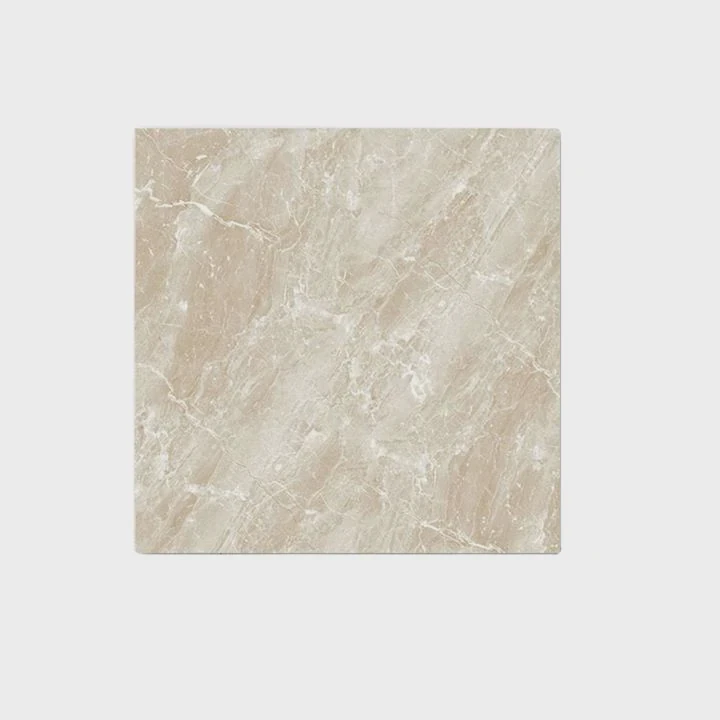
Which materials are best for shower installations?
Thinset removal often happens during repair or reinstallation, so understanding installation materials also helps reduce future cleaning problems.
Dive deeper
The type of thinset used in installation affects how hard it becomes and how difficult it is to remove later. Standard cement-based thinset is strong but removable with tools. Modified thinset contains polymers, making it stronger and more resistant to water, but also harder to remove once cured.
Tile backer boards also influence removal difficulty. Cement boards create strong bonding surfaces, while drywall makes thinset easier to separate but less durable in wet areas.
Grout type is also important. Cement grout is easier to clean during repair work. Epoxy grout is much harder and resists chemicals, so removal requires more effort and sometimes grinding.
Tile material itself changes removal strategy. Porcelain resists scratching but makes thinset harder to break. Ceramic is easier to clean but can chip if tools are too strong. Natural stone needs the most care because both surface and structure can be damaged.
Material comparison table
| Material | Strength | Removal Difficulty | Best Use |
|---|---|---|---|
| Standard thinset | Medium | Medium | General tiling |
| Modified thinset | High | High | Wet areas, showers |
| Cement grout | Medium | Medium | Easy maintenance |
| Epoxy grout | Very high | Very high | High durability zones |
Material choice affects both installation quality and future maintenance. A balanced selection reduces long-term cleaning problems and protects tile surfaces during future repairs.
Conclusion
Thinset removal needs the right method, safe tools, careful soaking, and awareness of tile type. A controlled process helps clean surfaces without damage and keeps tiles in good condition.