How to Clean Rock Tile Floors?
- Sinotiles
- 2026-04-29
Dirty rock tile floors can make a strong room look tired. Many owners worry that one wrong cleaner can ruin the surface forever.
Rock tile floors stay beautiful when gentle cleaners, fast stain care, sealing, and regular upkeep work together. Safe habits protect color, texture, and long-term value.
Many people focus on deep cleaning only when the floor looks bad. Real results come from simple weekly care and smart product choices. The sections below explain what works and what should stay off the floor.
What Cleaners Are Safe for Natural Rock Tiles?
Harsh chemicals can strip shine, fade color, and weaken sealers. Many floors get damaged by products sold as “strong cleaners.”
Safe cleaners for natural rock tiles are pH-neutral stone cleaners, warm water, mild soap in small amounts, and products labeled for natural stone. Avoid acids, bleach, and abrasive powders.

Natural rock tiles include slate, granite, limestone, travertine, and sandstone. Each type has small differences, but most share one rule: gentle cleaning is best. Stone often has tiny pores. Those pores can absorb liquids or react to harsh chemicals.
Why pH-Neutral Matters
Acidic cleaners can etch many stone surfaces. This means they eat into the top layer and leave dull marks. Vinegar and lemon juice are common home tips, but they are risky for many stones.
Alkaline degreasers can also be too strong if used often. A pH-neutral cleaner is balanced and less likely to harm the tile or sealer.
Safe Options for Daily Use
| Cleaner Type | Safe for Most Rock Tiles | Best Use |
|---|---|---|
| Warm water | Yes | Light dust and fresh dirt |
| pH-neutral stone cleaner | Yes | Regular mopping |
| Mild dish soap (small amount) | Usually | Occasional cleaning |
| Steam cleaner | Use caution | Check stone and sealer first |
| Vinegar | No | Avoid |
| Bleach | No | Avoid unless expert-approved |
Simple Cleaning Method
- Sweep or vacuum first. Grit scratches stone.
- Mix cleaner as directed.
- Use a soft mop, not a rough brush.
- Rinse with clean water if needed.
- Dry the floor to prevent spots.
A Lesson Learned
A client once used bathroom cleaner on slate because it removed soap scum fast. It also removed color variation from parts of the tile. Replacing damaged tiles cost far more than buying the right cleaner.
What to Avoid
Do not use:
- Vinegar
- Lemon-based cleaners
- Scouring powders
- Steel wool
- Wax made for vinyl floors
- Strong bleach mixes
A safe cleaner may look simple, but simple care often keeps stone looking rich for years.
How Do You Remove Stains from Stone Surfaces?
Stains can sink into stone fast. If they sit too long, owners often think the floor is ruined.
Remove stains by identifying the source first, then using the right method: absorb oil stains, lift organic stains with stone-safe cleaners, and use poultices for deep marks.
Not every mark is a stain. Some dark spots are moisture. Some dull spots are etching. Some white areas are mineral buildup. Good results start with knowing what happened.
First Step: Identify the Stain
Ask these questions:
- Is it oily and dark?
- Is it from coffee, wine, tea, or food?
- Is it rust-colored?
- Is it sticky from glue or wax?
- Is the surface rough or dull instead of stained?
A true stain changes color. Etching changes texture and shine.
Fast Action Helps Most
Blot spills right away. Do not rub. Rubbing spreads liquid deeper into pores. Use paper towels or a soft cloth.
Common Stain Treatments
| Stain Type | What to Try | Notes |
|---|---|---|
| Oil / grease | Baking soda poultice or stone degreaser | Pulls oil upward |
| Coffee / tea | Stone-safe cleaner | Repeat gently |
| Wine | Blot first, then cleaner | Do not scrub hard |
| Rust | Stone rust remover | Use product made for stone |
| Mold / mildew | Stone-safe mold cleaner | Improve airflow too |
How a Poultice Works
A poultice is a paste that draws stains out of stone. Many professionals use it for deep marks.
Basic method:
- Clean the area lightly.
- Apply paste over the stain.
- Cover with plastic wrap.
- Let it sit 24 to 48 hours.
- Remove and rinse.
- Repeat if needed.
What Not to Do
Never mix random chemicals. Bleach plus other cleaners can be dangerous. Strong acids can make the stain look worse by damaging the tile face.
When to Call a Pro
If the stain remains after two or three careful attempts, the issue may be below the surface. Professionals can hone, polish, or re-treat the tile safely.
Many stone floors look hopeless at first glance. Often they just need the correct method, not brute force.
Can Sealing Protect Rock Tiles from Damage?
Many owners clean often but skip sealing. Then water spots, stains, and wear appear much sooner.
Yes, sealing can protect rock tiles by reducing liquid absorption, slowing stains, and making daily cleaning easier. Sealers help, but they do not make stone indestructible.
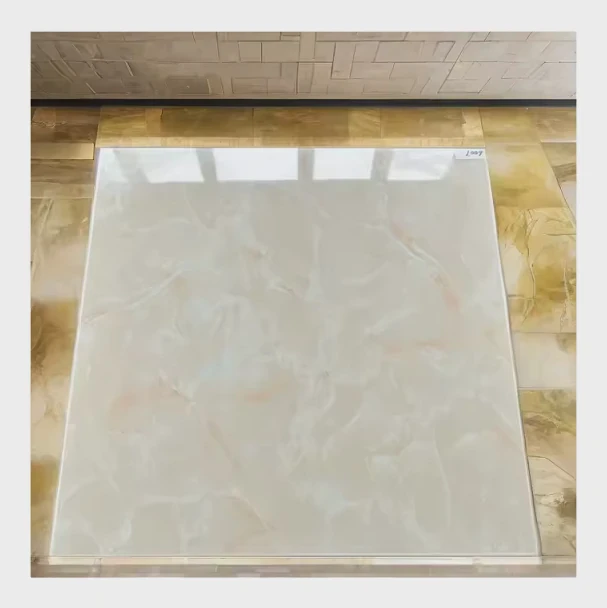
Sealers are one of the smartest investments for natural stone. They fill or guard pores so spills stay near the surface longer. That extra time makes cleanup easier.
What Sealing Does
A good sealer can:
- Reduce water absorption
- Slow oil penetration
- Lower stain risk
- Help dirt release during cleaning
- Support longer tile life
What Sealing Does Not Do
A sealer does not stop scratches from sand. It does not prevent cracks from impact. It does not make acid safe on sensitive stone.
This point matters because many people think sealed stone can handle anything. It cannot.
Types of Sealers
| Sealer Type | Look | Best For |
|---|---|---|
| Penetrating sealer | Natural finish | Most stone floors |
| Enhancing sealer | Richer color | Slate and textured stone |
| Topical coating | Surface film | Limited indoor uses |
Penetrating sealers are common because they protect without leaving a plastic-like layer.
How to Know If Resealing Is Needed
Try a water drop test.
- Place a few drops of water on clean tile.
- Wait 10 minutes.
- If water beads, protection remains.
- If stone darkens quickly, resealing may be needed.
Application Basics
Clean the floor first. Let it dry fully. Apply thin, even coats. Remove extra sealer from the surface. Follow product cure times before heavy use.
A Small Story
One showroom entrance had constant wet shoes and traffic. After sealing, cleanup time dropped and dark moisture marks became less common. The floor still needed cleaning, but the daily struggle changed.
Sealing is not magic. It is smart prevention.
How Often Should Rock Tiles Be Maintained?
Some floors are ignored for months, then attacked with one heavy cleaning day. That cycle creates wear and stress.
Rock tiles should be maintained daily or weekly with light cleaning, monthly checks for buildup, and periodic deep care such as sealing or professional restoration when needed.
Good maintenance depends on traffic, pets, weather, and tile type. A quiet guest room needs less care than a busy kitchen entrance.
Smart Maintenance Schedule
| Task | Low Traffic Area | High Traffic Area |
|---|---|---|
| Sweep / dust mop | 1–2 times weekly | Daily |
| Damp mop | Weekly | 2–3 times weekly |
| Spot clean spills | As needed | Immediate |
| Inspect grout / sealer | Every 3 months | Monthly |
| Deep clean | Every 6–12 months | Every 3–6 months |
Daily Habits That Matter
Use entry mats. They catch sand and grit before it scratches the tile. Felt pads under chairs also help. Lift furniture instead of dragging it.
Seasonal Checks
Rainy months often bring mud and minerals. Dry months may bring dust. Adjust cleaning frequency with the season instead of waiting for visible dirt.
Signs the Floor Needs More Attention
- Dull appearance after mopping
- Dark spots from absorbed water
- Sticky feel underfoot
- Grout lines turning dark
- Surface scratches increasing
Maintenance vs Restoration
Routine maintenance is simple care. Restoration means grinding, honing, polishing, or replacing tiles. Regular small tasks often delay costly restoration for years.
A Better Long-Term Mindset
Owners sometimes ask for the “best deep cleaner.” Often the better question is, “What small habit can I repeat each week?” That shift saves time and money.
A stone floor ages well when care is steady, gentle, and planned.
Conclusion
Rock tile floors stay impressive when owners use safe cleaners, remove stains correctly, seal when needed, and follow a regular schedule. Gentle routine care beats harsh rescue cleaning every time.