How to Put Tile on Plywood?
- Sinotiles
- 2026-04-29
Many people install tile on plywood and later see loose tiles, cracks, or hollow sounds. Most problems start before the first tile is set.
Yes, tile can go on plywood, but only when the wood is stable, clean, dry, and covered with the right support layer. Good preparation matters more than the tile itself.
A plywood floor can work well, but wood moves with moisture, load, and temperature. Tile does not move the same way. That gap must be managed with smart steps, proper materials, and careful timing.
What Preparation Is Needed for Plywood Surfaces?
A tile job often fails because the base was weak, dirty, or uneven. Many installers rush this stage and pay for it later.
Plywood must be solid, clean, flat, dry, and firmly fixed before any tile work begins. Loose sheets, dust, water damage, and uneven spots must be corrected first.
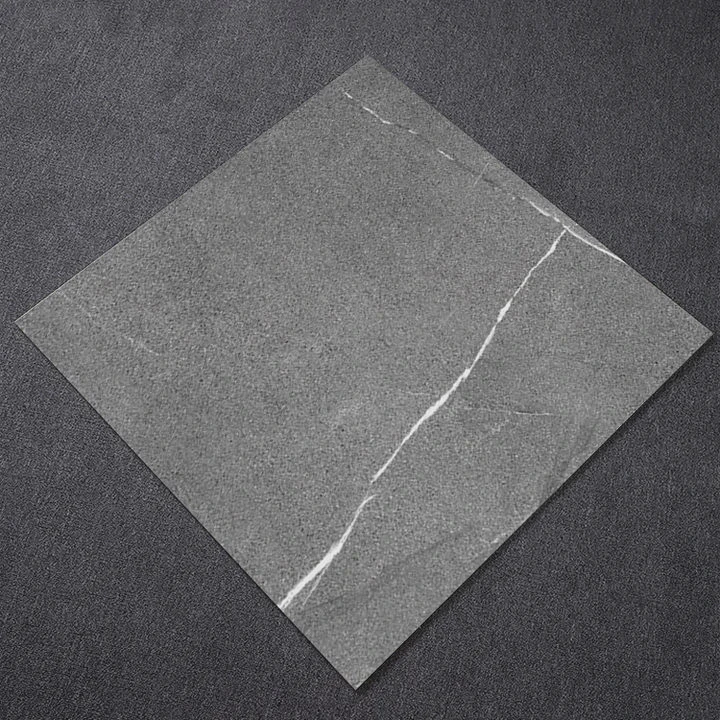
The first task is checking structure. Plywood must not bend too much under foot traffic. If the floor feels soft or squeaks, the subfloor may need more screws or extra plywood. A tile surface needs stiffness. Even small movement can break grout lines.
Check the Existing Plywood
Use this quick review:
| Item to Check | What to Look For | Action |
|---|---|---|
| Thickness | Thin sheets flex easily | Add another layer if needed |
| Fastening | Screws loose or missing | Refasten to joists |
| Damage | Swelling, rot, delamination | Replace damaged panels |
| Surface Level | Dips or high spots | Sand or fill low areas |
The next step is cleaning. Dust, grease, paint, wax, and debris reduce bond strength. Sweep first, then vacuum. If oil or glue remains, scrape it off. A clean surface gives better contact for adhesives and membranes.
Flatten the Surface
Tile likes flat surfaces more than level ones. A floor can be slightly sloped and still perform well if it is flat. Use a straightedge to find dips and ridges. Sand high seams. Fill low areas with approved patch products.
Moisture Matters
Wood absorbs moisture. If the plywood is damp, it may swell later. Use a moisture meter when possible, or at least confirm the area is dry and ventilated. Bathrooms, kitchens, and laundry rooms need extra care.
Fastening Pattern
I often see plywood nailed lightly in older homes. Screws are usually better for reducing movement. Add screws every few inches along panel edges and across field areas, while avoiding damage to pipes or wires below.
Final Reminder
Do not tile directly onto dirty or weak plywood just because it “looks fine.” Tile is unforgiving. Preparation decides the life of the floor more than the tile brand or grout color.
How Do You Prevent Tile Cracking on Wood Base?
Cracked tile is one of the most common complaints on wood floors. The tile gets blamed, but movement below is often the real cause.
To prevent cracking, reduce floor movement, add a decoupling or cement support layer, leave movement joints, and use flexible mortar made for wood-related systems.

Wood expands and contracts with seasons. Tile and grout are rigid. When these materials fight each other, cracks appear. The goal is not to stop all movement in wood. The goal is to separate or control it.
Strengthen the Structure First
A weak joist system causes bounce. Even premium tile cannot solve structural flex. If the floor shakes when people walk, inspect joists, spans, and spacing. Reinforcement may be needed before tile work starts.
Use the Right Middle Layer
Many successful installations use cement backer board or uncoupling membrane above plywood. These layers help isolate stress between wood and tile.
| Method | Main Benefit | Best Use |
|---|---|---|
| Cement Backer Board | Stable tile surface | Floors with enough height |
| Uncoupling Membrane | Handles movement well | Renovations, heated floors |
| Extra Plywood + Membrane | Stronger system | Heavy-use rooms |
Choose Proper Mortar
Use polymer-modified thin-set when the system calls for it. Standard cheap mortar may not bond well or may lack flexibility. Always match mortar type to membrane or board instructions.
Leave Expansion Gaps
Many DIY users push tile tight to walls. That creates pressure when floors move. Leave perimeter gaps and cover them later with trim or baseboard. Large rooms may need movement joints inside the tile field too.
Respect Cure Time
Walking on fresh tile too soon can weaken bond lines. Heavy appliances moved too early may crack corners. Wait the full cure time listed by product makers.
Real-World Lesson
A customer once replaced cracked kitchen tile three times. The issue was not tile quality. It was one thin plywood layer over long joist spans. After structure repair and membrane use, the floor stayed stable.
Cracking is usually a system problem, not a tile problem.
Which Underlayment Provides Best Support?
Many buyers ask for the “best” underlayment, but the answer depends on room use, floor height, moisture risk, and budget.
For most plywood tile floors, cement backer board and uncoupling membranes are the top choices. Backer board offers firmness, while membranes offer better movement control.
Underlayment sits between plywood and tile. It improves bonding conditions and reduces stress transfer. It is not just filler. It is a key engineering layer.
Cement Backer Board
This is a classic option. It is dense, stable, and familiar to many installers. It is bedded in thin-set and screwed down. Tile is then installed on top.
Benefits include:
- Good compressive strength
- Moisture resistant material
- Strong support for ceramic and porcelain tile
Limits include:
- Adds weight
- Cuts create dust
- Raises floor height more than membranes
Uncoupling Membranes
These are thinner sheets or rolls placed over plywood with mortar. Their design allows slight horizontal movement below while supporting tile above.
Benefits include:
- Great for wood movement control
- Lower profile height
- Good for renovation transitions
- Often used with heated floors
Limits include:
- Material cost can be higher
- Requires careful installation method
Comparison Table
| Factor | Backer Board | Uncoupling Membrane |
|---|---|---|
| Thickness | Medium to high | Low |
| Weight | Heavy | Light |
| Movement Control | Good | Very good |
| Ease to Carry | Moderate | Easy |
| Remodel Use | Good | Excellent |
Is Direct-to-Plywood Tiling Best?
Some systems allow tile directly to exterior-grade plywood with strict rules. Still, many professionals avoid this route because risk is higher. Small mistakes in fastening, moisture, or mortar choice can shorten life.
My Practical Choice
For many modern remodels, a quality uncoupling membrane gives a strong balance of performance and low height. For simple utility rooms where height is less critical, backer board remains dependable.
The best support is the one matched to the room, structure, and installer skill.
When Should Waterproofing Be Applied Before Tiling?
Water damage often starts silently. By the time grout stains appear, the wood below may already be swelling.
Waterproofing should be applied after the subfloor is repaired and the support layer is installed, but before tile is set. Wet rooms need it most.
Not every dry room needs full waterproofing, but kitchens, bathrooms, laundry rooms, shower areas, and entry zones benefit from moisture protection. Plywood is vulnerable to repeated water exposure. Once wood swells, tile can loosen.
Correct Order of Work
A common sequence is:
- Inspect and repair plywood
- Secure loose panels
- Install underlayment or membrane base layer
- Seal seams, corners, and transitions
- Apply waterproofing system
- Set tile after cure time
This order matters because waterproofing must sit on a stable surface.
Types of Waterproofing
Liquid-applied membranes are brushed or rolled on. Sheet membranes are bonded in place. Both can work when installed correctly.
Critical Areas to Seal
Focus on these zones:
- Around tubs and showers
- Toilet flange area
- Sink cabinets nearby
- Doorways from exterior entries
- Floor-to-wall corners
- Pipe penetrations
Avoid Common Mistakes
Some users tile first and “seal later” with surface products. That does not protect plywood below. Grout sealer is not the same as waterproofing membrane.
Another mistake is rushing dry time. If liquid membranes stay wet under tile, bond issues may follow.
Moisture vs Waterproofing
A room may be dry most days but still face spills, leaks, mop water, or appliance failure. Good waterproofing is cheap compared with replacing swollen plywood and broken tile.
Smart Decision Guide
If the room sees regular water, use waterproofing. If the room is dry and low risk, moisture management may be enough depending on local standards and product systems.
Tile can look perfect on day one. Waterproofing helps it stay that way after year five.
Conclusion
Tile on plywood succeeds when the floor is stiff, flat, dry, and matched with the right underlayment. Add movement control and waterproofing where needed. Good prep is what turns plywood into a long-lasting tile base.