How to Clean Shower Tile?
- Sinotiles
- 2026-03-13
A dirty shower tile can make even a clean bathroom feel unpleasant. Soap scum, hard water stains, and mold appear slowly. Many homeowners struggle to remove them without damaging the tile surface.
Shower tiles can be cleaned safely by using mild cleaners, regular maintenance, and the right techniques for soap scum, mold, and hard water stains. Gentle products and routine cleaning help keep tiles bright and prevent long-term damage.
A clean shower does more than improve appearance. It protects tile surfaces, grout lines, and overall bathroom hygiene. Understanding why stains appear and how to remove them makes the cleaning process easier and more effective.
What Cleaning Products Are Safe for Shower Tiles?
Many people worry about damaging shower tiles with harsh chemicals. Strong cleaners can dull the surface, weaken grout, or leave permanent marks on delicate finishes.
Safe cleaning products for shower tiles include mild dish soap, baking soda, vinegar (for some tiles), and pH-neutral tile cleaners. These options remove dirt and soap residue without harming most ceramic or porcelain surfaces.
Shower tiles face constant exposure to water, soap, shampoo, and mineral deposits. Because of this, the choice of cleaning product matters a lot. The wrong chemical may damage the tile glaze or weaken grout lines over time.
Common Safe Cleaning Options
Most homeowners can keep shower tiles clean with simple household items. These products are gentle but effective.
| Cleaning Product | Best Use | Notes |
|---|---|---|
| Mild dish soap | Daily cleaning | Removes light dirt and soap residue |
| Baking soda | Scrubbing stains | Slightly abrasive but safe for most tiles |
| White vinegar | Hard water residue | Avoid on natural stone tiles |
| pH-neutral tile cleaner | Regular maintenance | Designed specifically for tiles |
Dish soap mixed with warm water works well for weekly cleaning. A soft sponge or microfiber cloth spreads the solution evenly and lifts dirt without scratching the surface.
Baking soda is useful for small stains. When mixed with water, it forms a gentle paste that helps remove buildup on grout or textured tile surfaces.
Products to Avoid
Some products can damage tile surfaces or grout. It is better to avoid them unless the tile manufacturer specifically recommends them.
| Product Type | Potential Problem |
|---|---|
| Bleach (frequent use) | Weakens grout over time |
| Strong acids | Can damage tile glaze |
| Steel wool | Scratches tile surface |
| Abrasive powders | Dulls polished tiles |
Tile Material Matters
Not all tiles respond the same way to cleaning products.
- Ceramic tiles are durable and tolerate many cleaners.
- Porcelain tiles resist stains and water well.
- Natural stone tiles like marble or travertine require special care.
Acidic cleaners such as vinegar may work well on ceramic tiles but can damage stone surfaces. Because of this, many professionals recommend neutral cleaners for routine care.
Simple Weekly Cleaning Routine
A simple routine prevents heavy buildup.
- Rinse tiles with warm water.
- Apply mild soap solution.
- Gently scrub with a soft brush.
- Rinse again with clean water.
- Dry with a cloth to prevent spots.
This basic process keeps most shower tiles clean and reduces the need for stronger chemicals.
Why Does Soap Scum Build Up on Shower Tiles?
Many people notice a cloudy white film on shower tiles. Even after cleaning, the surface quickly becomes dull again. This common problem is called soap scum.
Soap scum forms when soap mixes with minerals in hard water. The mixture sticks to tile surfaces and grout lines, creating a stubborn film that builds up over time.
Soap scum develops slowly but becomes more visible as layers accumulate. Understanding why it forms helps explain why some bathrooms struggle with it more than others.
The Chemistry Behind Soap Scum
Traditional soaps contain fatty acids. When these ingredients react with minerals such as calcium and magnesium in water, a sticky residue forms.
This residue attaches easily to surfaces such as:
- Ceramic tiles
- Glass shower doors
- Metal fixtures
- Grout lines
Over time, the residue traps dirt, shampoo, and body oils. The result is a thick, cloudy layer that becomes harder to remove.
Hard Water Makes the Problem Worse
Water quality plays a major role in soap scum formation.
| Water Type | Effect on Soap Scum |
|---|---|
| Soft water | Less buildup |
| Moderately hard water | Moderate residue |
| Hard water | Heavy soap scum |
In areas with hard water, soap scum appears faster and becomes thicker. Minerals react with soap more easily, which increases the amount of residue.
Body Oils and Shampoo Residue
Soap scum is not only soap. Other bathroom products also contribute.
Common sources include:
- Shampoo
- Conditioner
- Body wash
- Skin oils
These substances stick to tile surfaces and combine with soap residue. This mixture creates a greasy film that attracts more dirt.
How to Reduce Soap Scum
Simple habits can reduce buildup significantly.
Rinse Tiles After Each Shower
A quick rinse removes soap residue before it dries on the tile surface.
Use Liquid Body Wash Instead of Bar Soap
Bar soap produces more residue. Liquid soap creates less buildup.
Improve Bathroom Ventilation
Humidity keeps surfaces wet longer. Better airflow helps tiles dry faster.
Wipe Tiles with a Squeegee
Many hotels use this simple method. Removing water from the wall reduces both soap scum and mineral stains.
These small habits reduce cleaning effort and keep shower tiles looking bright.
When Should Shower Tiles Be Cleaned to Prevent Mold?
Mold grows quickly in damp bathroom spaces. Many homeowners notice dark spots appearing in grout lines or tile corners, especially in poorly ventilated showers.
Shower tiles should be cleaned at least once a week and dried after each use. Regular cleaning removes moisture, soap residue, and organic matter that mold needs to grow.
Bathrooms provide perfect conditions for mold. Warm temperatures, high humidity, and organic residue create an ideal environment for spores.
Why Mold Appears on Shower Tiles
Mold grows when three conditions exist:
- Moisture
- Organic material
- Poor airflow
Shower tiles provide all three.
Water collects on the tile surface after every shower. Soap residue and body oils provide food for mold spores. If ventilation is weak, moisture remains for many hours.
Common Mold Locations
Mold usually appears in areas that stay wet longer.
| Location | Reason |
|---|---|
| Grout lines | Porous surface holds moisture |
| Tile corners | Limited airflow |
| Caulking edges | Soft material traps water |
| Behind shampoo bottles | Hidden damp areas |
These spots often require more frequent cleaning.
Recommended Cleaning Schedule
A simple cleaning schedule helps prevent mold growth.
| Frequency | Cleaning Task |
|---|---|
| After each shower | Rinse walls and wipe moisture |
| Weekly | Wash tiles and grout |
| Monthly | Deep clean grout and corners |
Weekly cleaning removes residue before mold has time to grow.
Importance of Ventilation
Ventilation is one of the most effective mold prevention methods.
Good ventilation includes:
- Bathroom exhaust fans
- Open windows
- Dehumidifiers in humid climates
These solutions remove moisture quickly after showers.
Drying Surfaces Matters
Dry surfaces stop mold growth. A simple towel wipe or squeegee can reduce moisture by a large amount.
Some homeowners also apply water-repellent tile sealers to grout. These sealers reduce water absorption and make cleaning easier.
Maintaining dry surfaces and regular cleaning routines helps prevent mold from forming in the first place.
Which Methods Remove Hard Water Stains from Tiles?
Hard water stains are one of the most frustrating problems in bathrooms. White spots and chalky marks often remain even after normal cleaning.
Hard water stains can be removed using vinegar solutions, baking soda paste, commercial descalers, or specialized tile cleaners designed to dissolve mineral deposits.
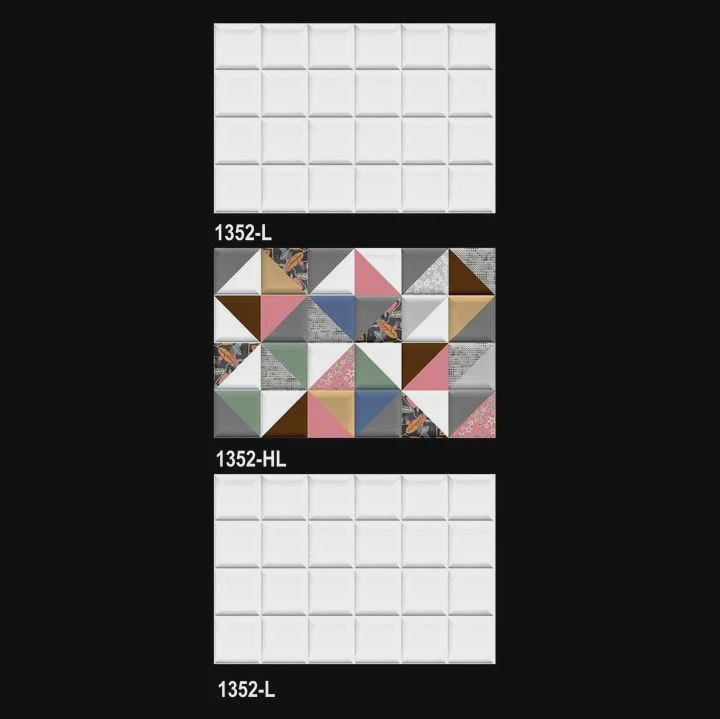
Hard water contains minerals such as calcium and magnesium. When water evaporates, these minerals remain on the tile surface.
Over time, the deposits harden and become difficult to remove.
Signs of Hard Water Stains
Hard water stains usually appear as:
- White chalky spots
- Cloudy patches
- Rough tile surfaces
- Mineral rings around fixtures
These deposits may look similar to soap scum but feel rougher.
Vinegar Solution Method
One of the most common solutions uses white vinegar.
Steps:
- Mix equal parts vinegar and water.
- Spray the mixture on stained tiles.
- Let it sit for 10–15 minutes.
- Scrub gently with a sponge.
- Rinse thoroughly.
The mild acid in vinegar dissolves mineral deposits.
However, vinegar should not be used on natural stone tiles such as marble or travertine.
Baking Soda Scrub
Baking soda provides a gentle scrubbing effect.
Steps:
- Mix baking soda with water to form a paste.
- Apply the paste to the stain.
- Scrub lightly with a soft brush.
- Rinse with warm water.
This method works well for smaller stains.
Commercial Descaling Products
Some stains become too thick for household cleaners.
Commercial descaling cleaners contain stronger formulas designed for mineral deposits.
| Cleaner Type | Best Use |
|---|---|
| Mild acidic cleaner | Moderate mineral buildup |
| Professional tile cleaner | Heavy hard water stains |
| Grout cleaner | Stained grout lines |
These products often work faster but must be used carefully.
Prevention Tips
Removing hard water stains is difficult. Prevention is easier.
Helpful habits include:
- Dry tiles after showering
- Install a water softener
- Clean tiles weekly
- Use protective tile sealers
These simple actions reduce mineral buildup and keep shower tiles looking new.
Conclusion
Clean shower tiles require the right products, consistent routines, and attention to moisture control. Gentle cleaners, regular rinsing, and proper ventilation prevent soap scum, mold, and mineral stains from forming on tile surfaces.