What to Do With Leftover Tile?
- Sinotiles
- 2026-05-21
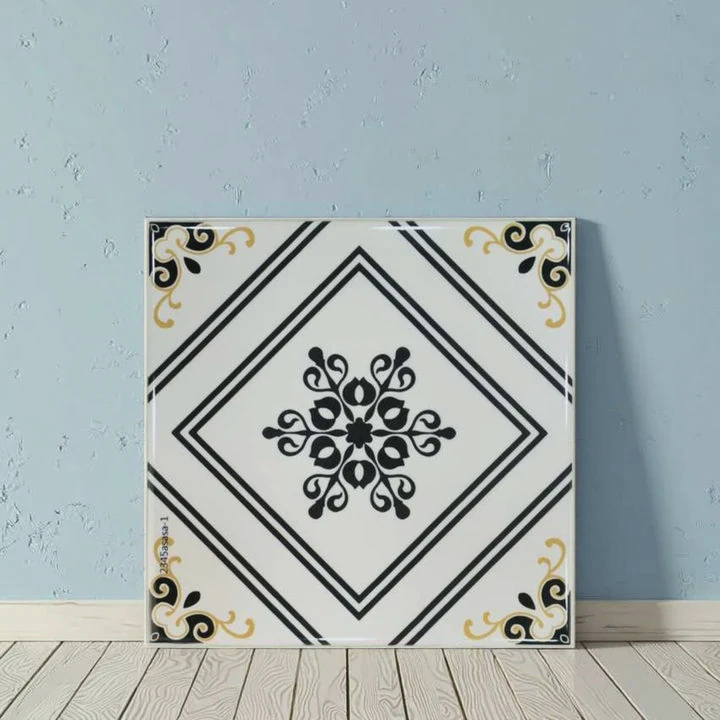
Many people finish a tile project and suddenly face stacks of leftover tiles. Throwing them away feels wasteful, but storing them without a plan only creates clutter.
Leftover tiles can be reused for decoration, repairs, furniture projects, outdoor spaces, and small renovations. Proper storage and recycling also help reduce waste and save future replacement costs.
Extra tiles are very common after residential and commercial projects. Contractors often order additional quantities to reduce the risk of shortages during installation. In many cases, these remaining tiles still hold strong value. Over the years, many distributors, builders, and property owners have found practical ways to reuse surplus tiles instead of discarding them. A simple leftover tile can later solve maintenance problems or become part of a creative design feature.
What Creative Ways Reuse Leftover Tiles Effectively?
Unused tiles often sit in storage for years without purpose. Many people think leftover pieces are too small or limited for future use.
Leftover tiles can be reused for wall art, tabletops, coasters, planters, mosaic designs, furniture decoration, garden paths, and many other creative home projects.

Creative tile reuse has become increasingly popular because it combines decoration with sustainability. Even small tile pieces can become useful design elements.
Small Tiles Can Create Big Design Impact
Many decorative projects do not require large tile quantities. A few leftover pieces can completely change the look of a small space.
Popular Creative Tile Reuse Ideas
| Project Idea | Tile Type Commonly Used | Best Location |
|---|---|---|
| Mosaic Wall Art | Small mixed tiles | Living rooms |
| Tabletop Covering | Porcelain or ceramic | Kitchens |
| Drink Coasters | Marble or porcelain | Dining spaces |
| Plant Pot Decoration | Mosaic pieces | Gardens |
| Stair Risers | Pattern tiles | Indoor staircases |
| Garden Path Accents | Outdoor porcelain | Landscaping |
These projects help reduce waste while adding personality to spaces.
Mosaic Projects Are Very Flexible
Broken or irregular tile pieces work especially well for mosaic art.
Common Mosaic Uses
- Mirror borders
- Outdoor tables
- Flower pots
- Bathroom accents
- Decorative wall panels
Mosaic designs also allow color mixing and custom patterns.
Leftover Tiles Work Well for Furniture
Many people use surplus tiles to upgrade old furniture instead of buying new pieces.
Furniture Ideas
- Coffee tables
- Side tables
- Kitchen counters
- Shelving surfaces
- Bar tops
Porcelain tiles are especially useful because they resist scratches and moisture.
Outdoor Projects Also Use Extra Tiles
Outdoor porcelain tiles often remain after patio or terrace projects.
These materials can work well in:
- Garden walkways
- Outdoor kitchens
- Fire pit surrounds
- Balcony decorations
- Plant stand surfaces
Outdoor-grade porcelain performs especially well because of its low water absorption.
DIY Projects Increase Tile Value
Some leftover materials may seem low in value after a project ends. Yet creative reuse often extends the product life significantly.
One homeowner used extra marble-look porcelain pieces to create a custom dining tabletop. The original renovation project ended with only a few cartons remaining. Instead of storing them indefinitely, the tiles became a centerpiece inside the home.
That example reflects how small quantities of leftover tiles can still create strong visual value.
How Can Leftover Tiles Be Stored Safely?
Many leftover tiles become damaged in storage before they are ever reused. Poor stacking methods often lead to cracks, chips, and color confusion.
Leftover tiles should be stored in dry indoor spaces, kept upright when possible, protected from impact, and clearly labeled for future identification and repairs.
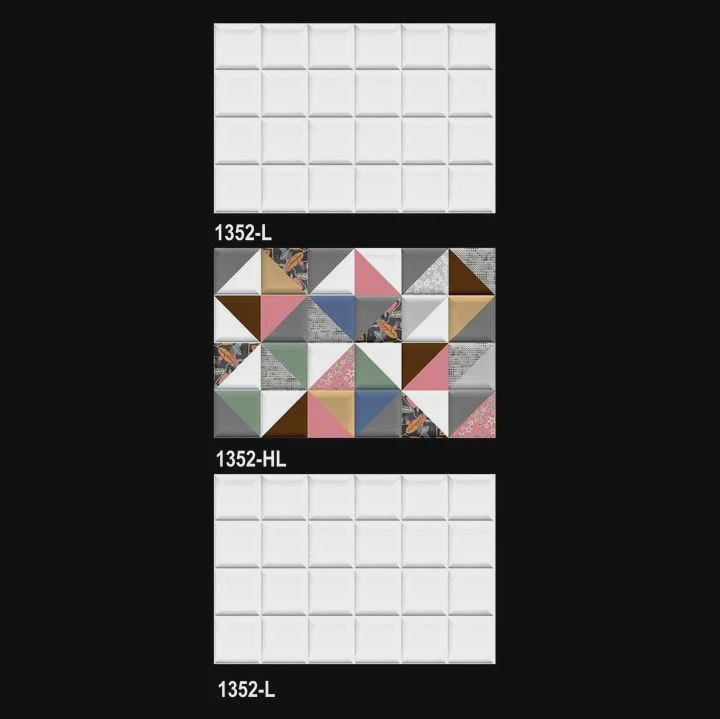
Proper tile storage is very important because matching replacement tiles later can become difficult. Production batches, colors, and finishes may change over time.
Keep Original Packaging Whenever Possible
The original carton often contains important product information.
Useful Information on Tile Boxes
- Tile model number
- Shade variation code
- Size specifications
- Production batch number
- Surface finish description
This information helps match future repairs or reorder requests.
Store Tiles in Dry Areas
Moisture can weaken cardboard packaging and create surface problems over time.
Recommended Storage Locations
- Indoor storage rooms
- Dry garages
- Shelving units
- Climate-controlled warehouses
Avoid outdoor exposure whenever possible.
Proper Stacking Reduces Breakage
Many tile damages happen during stacking.
| Storage Method | Risk Level |
|---|---|
| Flat heavy stacking | High |
| Upright vertical storage | Lower |
| Loose pile storage | Very high |
| Shelved organized storage | Best |
Large-format tiles especially require careful support.
Separate Different Tile Types
Many projects involve several tile styles and sizes.
Good Organization Practices
- Label each box clearly
- Separate wall and floor tiles
- Keep trims together
- Record installation locations
These steps make future maintenance easier.
Protect Tile Edges During Storage
Tile corners are often the weakest points.
Using foam sheets, cardboard separators, or wooden supports can reduce edge damage.
Save Extra Tiles for Repairs
One of the most important reasons to keep leftover tiles is future replacement.
Accidents can happen years later:
- Dropped tools
- Water damage
- Cracked tiles
- Renovation changes
Matching old tile collections later may become difficult or impossible.
Commercial Projects Often Require Long-Term Storage
Hotels, shopping centers, and office buildings frequently store extra project tiles for future maintenance.
One facility manager once explained how a small supply of original replacement tiles saved significant repair costs after plumbing work damaged several lobby tiles. Without matching stock, the entire area might have required replacement.
That situation is very common in long-term property management.
Why Consider Recycling Unused Tile Materials?
Many leftover tiles eventually end up in landfills. Yet tile materials often still have practical value even after a project is complete.
Recycling unused tiles helps reduce construction waste, lowers environmental impact, saves raw materials, and supports more sustainable building practices.
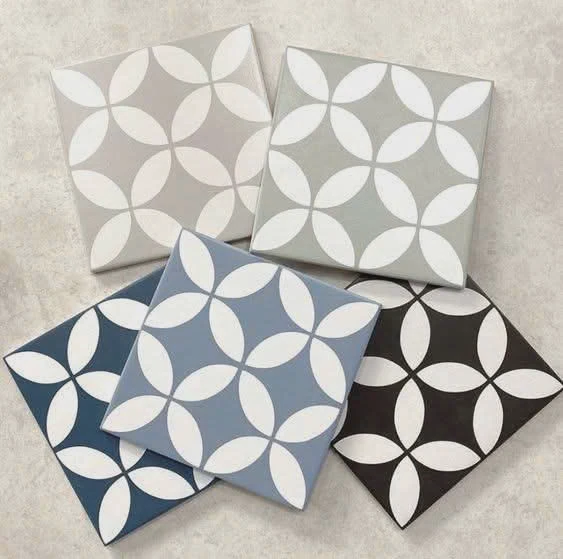
Construction waste has become a major global issue. Tile materials contribute heavily because many projects over-order products to avoid shortages.
Tile Waste Creates Environmental Pressure
Ceramic and porcelain tiles require large amounts of energy during manufacturing.
Discarding usable materials increases waste unnecessarily.
Recycling Helps Reduce Landfill Use
Tiles break down very slowly in landfills.
Recycled Tile Applications
- Road base material
- Construction fill
- Crushed aggregate
- Landscaping gravel
- Concrete additives
Many recycling centers now process construction materials more efficiently.
Sustainability Is Becoming More Important
Builders and developers increasingly focus on environmentally responsible construction.
Reasons Companies Recycle Tiles
- Meet green building standards
- Reduce disposal costs
- Improve sustainability image
- Lower environmental impact
Many large commercial projects now include waste management goals.
Some Tiles Can Be Donated
Unused cartons may still be valuable for:
- Local renovation charities
- Community projects
- Small contractors
- Low-budget repairs
Donation helps reduce waste while supporting useful projects.
Recycling Costs May Be Lower Than Disposal
In some regions, construction disposal fees continue increasing.
Recycling programs sometimes offer lower-cost alternatives for bulk materials.
Tile Manufacturing Uses Natural Resources
Porcelain and ceramic production consume:
- Clay
- Minerals
- Water
- Fuel energy
Reducing waste helps lower pressure on these resources.
Architects and Developers Now Plan Waste Reduction Earlier
Some modern projects carefully calculate tile layouts to reduce excess materials from the beginning.
One contractor working on a commercial office renovation separated leftover tiles during construction instead of mixing them with general debris. Several pallets were later reused in another project phase. That simple planning step reduced both disposal costs and new material purchases.
This type of resource management is becoming more common in the building industry.
Which Projects Can Use Extra Tiles Efficiently?
Many people keep leftover tiles because they expect future repairs. Yet large quantities often remain unused for years.
Extra tiles can be efficiently used in small renovations, accent walls, utility spaces, furniture surfaces, outdoor areas, and repair projects throughout residential and commercial buildings.
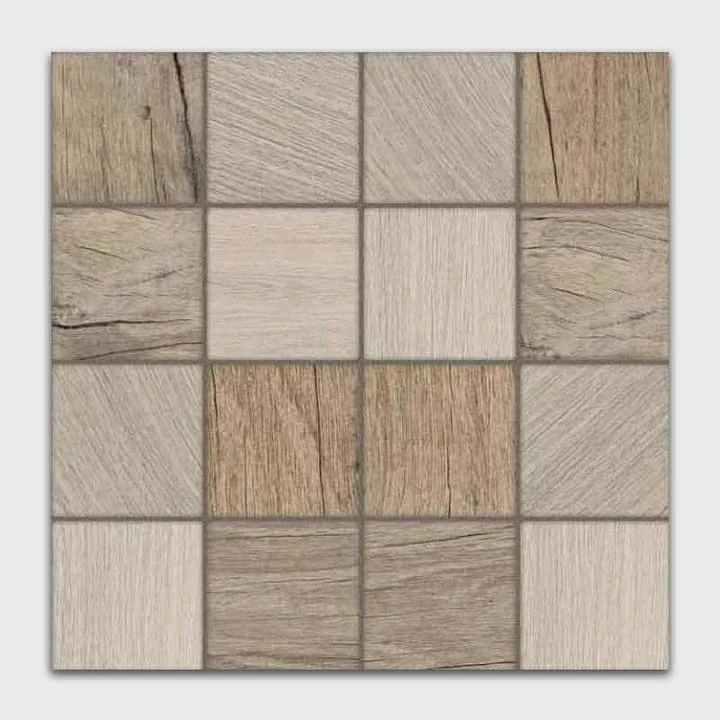
Small projects are often the best way to consume leftover materials without major additional cost.
Accent Walls Use Small Quantities Well
A small amount of decorative tile can transform a plain wall into a focal point.
Popular Accent Wall Locations
- Kitchen coffee stations
- Bathroom niches
- Reception counters
- Fireplace surrounds
- Retail display walls
Even one carton of feature tiles may be enough for these areas.
Utility Spaces Often Need Smaller Quantities
Laundry rooms, storage spaces, and utility corners may require only limited tile coverage.
These areas offer practical opportunities to use remaining stock.
Outdoor Improvements Can Use Surplus Tiles
Outdoor porcelain tiles are especially versatile.
Outdoor Project Ideas
- BBQ station surfaces
- Balcony flooring
- Garden edging
- Outdoor sink areas
- Poolside accents
Many outdoor spaces benefit from durable tile surfaces.
Repair Projects Always Need Matching Tiles
The simplest and most valuable use may still be future maintenance.
Common repair situations include:
- Cracked floor sections
- Plumbing access repairs
- Appliance replacement damage
- Commercial traffic wear
Keeping matching tiles helps preserve design consistency.
Decorative Furniture Projects Save Money
Instead of buying expensive custom furniture, leftover tiles can upgrade existing pieces.
| Furniture Upgrade | Tile Benefit |
|---|---|
| Coffee Table | Scratch resistance |
| Kitchen Island | Heat resistance |
| Side Table | Decorative surface |
| Outdoor Table | Weather durability |
Porcelain and ceramic surfaces perform especially well in daily use.
Retail and Hospitality Projects Often Reuse Tiles
Restaurants, hotels, and retail stores regularly update small sections of their interiors.
Using original leftover stock helps maintain visual consistency across renovations.
One restaurant owner reused extra backsplash tiles to renovate a small serving counter several years after the main dining area was completed. The matching materials helped the new section blend naturally with the original design.
That kind of continuity often improves the overall appearance of commercial interiors.
Conclusion
Leftover tiles still offer strong value after a project ends. Creative reuse, safe storage, recycling, and small renovation projects can all help reduce waste while extending the usefulness of ceramic and porcelain materials for many years.