How to Tile a Bathroom Tub Surround?
- Sinotiles
- 2026-05-21
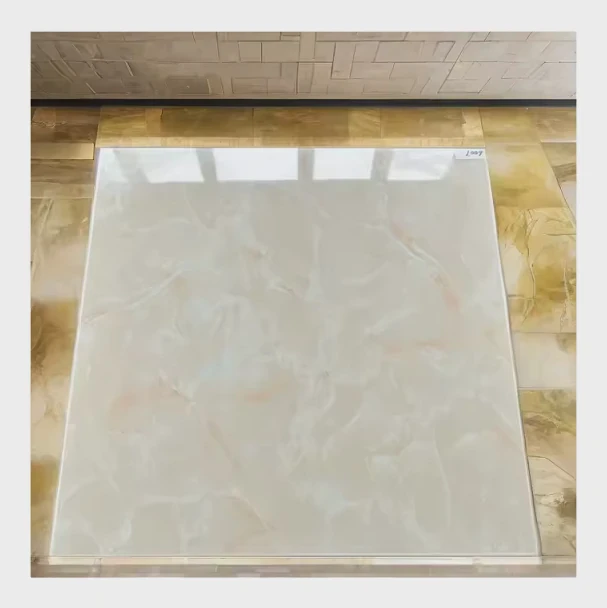
Many bathroom tub surrounds fail because water enters behind the tiles. Poor preparation and weak waterproofing often lead to mold, loose tiles, and expensive repairs later.
The best way to tile a bathroom tub surround is to prepare the wall correctly, install waterproof protection, use proper backer boards, and follow careful installation steps for long-term durability.
Tub surround tiling is one of the most common bathroom renovation projects. Many homeowners, contractors, and project buyers choose tiled tub surrounds because they improve water resistance, durability, and visual appeal. Still, wet environments create installation challenges that require careful planning and proper materials.
What Preparation Is Needed for Tub Surround Tiling?
Proper preparation for tub surround tiling includes cleaning the area, checking wall condition, installing suitable substrates, measuring the layout, and ensuring the surface is flat and dry.
Good preparation creates a stable foundation for tile installation and helps prevent future water damage, tile failure, and uneven surfaces.
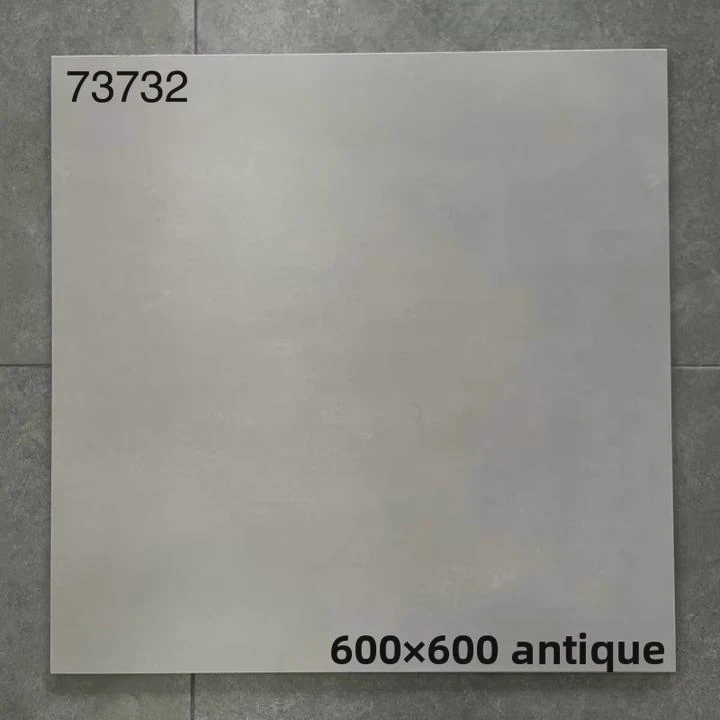
Many tile failures happen long before the first tile is installed. In wet bathroom areas, preparation affects both appearance and long-term durability.
Remove Old Materials Carefully
Before installation begins, old materials should be removed completely.
This may include:
- Existing tiles
- Drywall
- Adhesive residue
- Damaged wall sections
Leaving weak materials behind can reduce installation stability.
Inspect Wall Structure
Bathroom walls must support tile weight and moisture exposure.
Installers should check for:
- Water damage
- Mold growth
- Weak framing
- Uneven surfaces
If hidden damage remains untreated, the new installation may fail later.
Surface Flatness Matters
Large-format porcelain tiles require especially flat walls.
Uneven walls can create:
- Tile lippage
- Poor adhesion
- Misaligned grout joints
Professional installers often use long straightedges to verify wall flatness before installation.
Layout Planning Is Important
Dry layout planning helps avoid awkward tile cuts near corners or ceiling lines.
Installers usually measure:
- Wall height
- Tub dimensions
- Plumbing locations
- Tile center lines
This improves visual balance.
Essential Preparation Steps
| Preparation Step | Purpose |
|---|---|
| Remove old surface | Create stable substrate |
| Repair framing damage | Improve wall strength |
| Check wall flatness | Ensure proper tile alignment |
| Measure tile layout | Improve visual symmetry |
| Clean surfaces | Improve adhesive bonding |
Plumbing Areas Need Extra Attention
Pipe penetrations and valve openings often become water entry points.
These areas should be measured carefully before cutting tiles.
Accurate cuts reduce visible gaps around fixtures.
Dust and Debris Must Be Removed
Dust can weaken adhesive bonding.
Before waterproofing or tile installation:
- Vacuum surfaces
- Wipe down walls
- Remove loose particles
Clean surfaces improve material performance.
Moisture Testing Can Help
Bathrooms often hold hidden moisture inside walls.
In renovation projects, installers sometimes use moisture meters to identify:
- Damp framing
- Hidden leaks
- Problem areas
Fixing moisture issues early prevents future damage.
Tile Selection Affects Preparation
Different tile sizes require different preparation standards.
For example:
| Tile Type | Preparation Sensitivity |
|---|---|
| Mosaic tile | Moderate |
| Small ceramic tile | Standard |
| Large-format porcelain tile | High |
| Natural stone tile | Very high |
Large tiles show wall imperfections more clearly.
How Can Waterproofing Protect Surrounding Walls?
Waterproofing protects tub surround walls by blocking moisture penetration behind the tiles, reducing mold growth, preventing structural damage, and improving installation durability.
Proper waterproofing creates a moisture barrier that helps maintain wall stability and protects the bathroom structure from long-term water exposure.
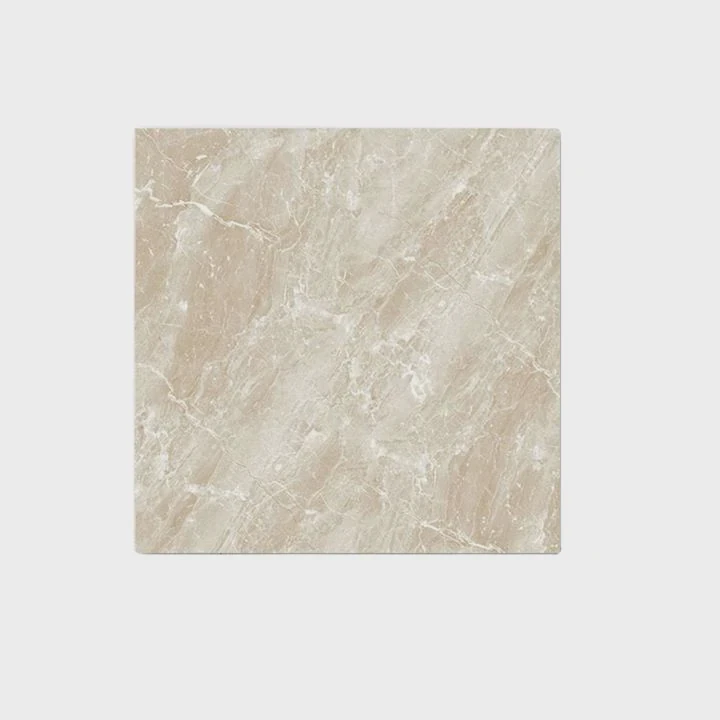
Tiles themselves are not fully waterproof. Water can still pass through grout joints, corners, and small gaps. Without waterproof protection, moisture may slowly damage the wall structure behind the tiles.
Why Waterproofing Matters
Bathrooms experience constant moisture exposure.
Common water sources include:
- Shower spray
- Steam
- Cleaning water
- Condensation
Over time, trapped moisture may cause:
- Mold growth
- Wood rot
- Adhesive failure
- Tile loosening
Waterproofing Options
Several waterproofing systems are commonly used.
| Waterproofing Type | Main Feature |
|---|---|
| Liquid membrane | Brush or roll application |
| Sheet membrane | Continuous waterproof layer |
| Foam board systems | Waterproof substrate and insulation |
| Waterproof tape systems | Corner and seam protection |
Each system has advantages depending on project size and budget.
Liquid Membranes Are Popular
Liquid waterproof membranes are widely used because they:
- Cover irregular shapes easily
- Create seamless protection
- Work well around plumbing openings
Installers usually apply multiple coats for proper thickness.
Corners Need Extra Protection
Wall corners are common leak points.
Waterproof reinforcement tape is often added at:
- Vertical corners
- Tub edges
- Board seams
- Pipe penetrations
This reduces movement-related cracking.
Waterproofing Behind Tile Matters More Than Surface Sealers
Some people rely only on grout sealers. This is not enough for wet areas.
Surface sealers help reduce staining, but they do not replace true waterproofing systems behind the tile.
Tub-to-Wall Transition Is Critical
The connection between the tub and wall often experiences movement.
Flexible sealants are commonly used at this joint to reduce:
- Cracking
- Water penetration
- Expansion damage
Rigid grout in this area may crack over time.
Poor Waterproofing Creates Expensive Problems
Water damage behind tub surrounds often remains hidden for years.
Later, property owners may face:
- Mold remediation costs
- Structural repairs
- Full tile replacement
Proper waterproofing greatly reduces these risks.
Commercial Projects Require Higher Standards
Hotels, apartments, and rental properties usually follow stricter waterproofing standards because high bathroom usage increases moisture exposure.
Professional contractors often document waterproofing stages for inspection and warranty purposes.
Why Use Backer Boards in Wet Areas?
Backer boards provide moisture resistance, structural stability, and proper support for tile installations in wet bathroom environments.
Using backer boards helps prevent water damage, tile movement, and substrate deterioration in tub surround installations.
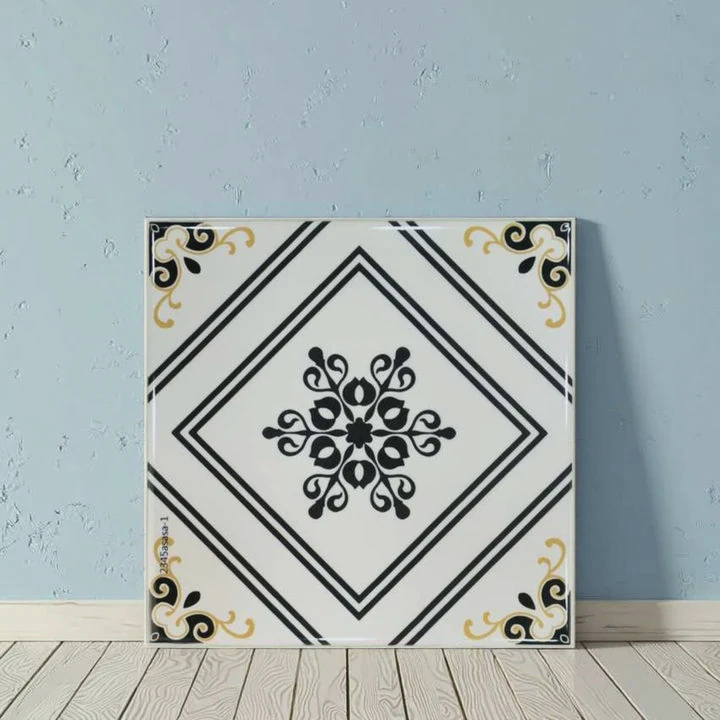
Standard drywall performs poorly in wet environments. Even moisture-resistant drywall may eventually fail behind shower or tub surround tiles.
What Are Backer Boards?
Backer boards are rigid panels installed behind tiles.
Common types include:
- Cement board
- Fiber cement board
- Foam tile board
- Glass mat gypsum board
These materials resist moisture better than regular drywall.
Cement Boards Are Common
Cement boards remain one of the most widely used options.
They provide:
- Good moisture resistance
- Strong tile support
- Long-term durability
Many professional installers still prefer cement boards for heavy porcelain tile installations.
Foam Boards Improve Waterproofing
Modern foam boards combine:
- Waterproofing
- Insulation
- Lightweight installation
They are becoming more popular in high-end bathroom renovations.
Backer Boards Prevent Structural Problems
Without proper support boards, walls may flex slightly during use.
This movement can cause:
- Grout cracking
- Loose tiles
- Waterproofing failure
Rigid substrates improve installation stability.
Proper Fastening Matters
Incorrect fastening may weaken the system.
Installers should:
- Use corrosion-resistant screws
- Follow spacing guidelines
- Avoid overdriving fasteners
Improper screw placement may damage waterproof layers.
Seams Require Treatment
Board joints should not remain exposed.
Most systems require:
- Joint tape
- Thin-set reinforcement
- Waterproof sealing
This creates a continuous stable surface.
Backer Boards and Tile Weight
Large-format porcelain and stone tiles place greater stress on walls.
Strong backer boards help support:
- Heavy tile loads
- Large panel systems
- Commercial-grade installations
Weak substrates increase failure risk.
Comparison of Common Wall Substrates
| Substrate Type | Wet Area Suitability |
|---|---|
| Standard drywall | Poor |
| Moisture-resistant drywall | Limited |
| Cement board | Excellent |
| Foam board | Excellent |
| Plywood only | Not recommended |
Professional Standards Continue to Improve
Modern bathroom construction increasingly focuses on complete moisture management systems instead of relying on tiles alone.
This shift improves:
- Building longevity
- Indoor air quality
- Maintenance costs
Which Steps Ensure a Durable Tub Surround Finish?
A durable tub surround finish depends on proper substrate preparation, waterproofing, accurate tile installation, quality grout application, and correct sealing of movement joints.
Following the full installation process carefully helps create a tub surround that remains attractive, stable, and water-resistant for many years.
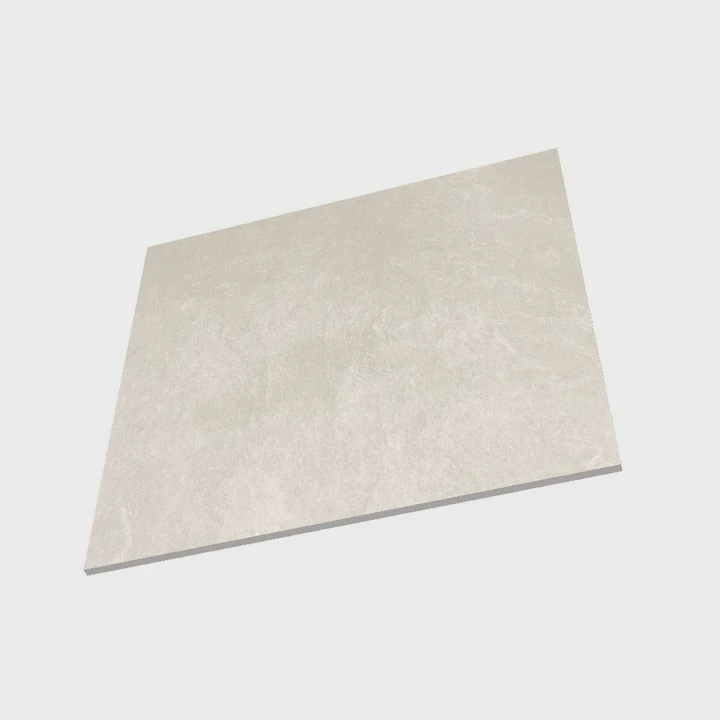
Many beautiful tile installations fail early because shortcuts were taken during installation. Durability comes from combining several important steps correctly.
Step 1: Prepare the Substrate
The substrate must be:
- Flat
- Stable
- Clean
- Properly waterproofed
Poor substrates create long-term movement problems.
Step 2: Use Quality Adhesive
Not all tile adhesives perform equally in wet areas.
Professional installers usually select:
- Polymer-modified thin-set
- Waterproof adhesive systems
- Flexible bonding materials
Adhesive quality affects tile stability greatly.
Step 3: Install Tiles Carefully
Tile alignment matters for both appearance and durability.
Installers should regularly check:
- Joint consistency
- Tile flatness
- Pattern alignment
- Adhesive coverage
Large-format tiles may require back buttering to improve bonding.
Step 4: Maintain Expansion Areas
Bathrooms experience temperature and moisture changes.
Movement joints help absorb expansion stress.
Critical movement areas include:
- Corners
- Tub edges
- Ceiling transitions
Flexible sealants perform better than rigid grout in these zones.
Step 5: Grout Correctly
Grout protects joints and improves appearance.
Proper grout application requires:
- Full joint filling
- Careful cleaning
- Correct curing time
Poor grouting may allow water penetration.
Step 6: Seal Vulnerable Areas
Not all grout requires sealing, but some installations benefit from additional protection.
Sealing may improve:
- Stain resistance
- Moisture resistance
- Easier maintenance
Natural stone installations often require regular sealing.
Common Causes of Failure
| Problem | Common Cause |
|---|---|
| Loose tiles | Poor adhesive coverage |
| Mold growth | Weak waterproofing |
| Cracked grout | Movement stress |
| Tile lippage | Uneven substrate |
| Water leaks | Poor corner sealing |
Long-Term Maintenance Matters
Even high-quality installations require maintenance.
Property owners should:
- Inspect caulk lines regularly
- Repair cracks quickly
- Clean surfaces properly
- Avoid harsh chemicals
Routine care extends installation life.
Professional Installation Reduces Risk
Tub surround tiling combines:
- Waterproofing science
- Structural preparation
- Precision installation
Experienced installers often achieve better long-term performance because they understand how these systems work together.
Conclusion
A durable bathroom tub surround depends on proper preparation, reliable waterproofing, strong backer boards, and careful installation methods. When every stage is completed correctly, the tiled surround remains attractive, water-resistant, and durable for many years in both residential and commercial bathrooms.