How to Clean Stains from Tile Floors?
- Sinotiles
- 2026-04-24
Cleaning tile floors can be frustrating when stains refuse to budge. The wrong approach wastes time and damages your tiles.
Stubborn tile stains can be tackled using the right cleaners, tools, and techniques, allowing your floors to regain their original shine and cleanliness.
Maintaining tile floors isn’t only about cleaning spills. Understanding the right products, techniques, and prevention methods ensures your floors stay spotless longer.
What cleaners remove stubborn stains from tiles?
Stubborn stains can ruin the look of your tiles and make the floor appear old and neglected. Choosing the wrong cleaner often worsens the problem.
The best cleaners for stubborn tile stains include baking soda, vinegar solutions, hydrogen peroxide, and commercial tile cleaners that are safe for your tile type.

Understanding Cleaner Types
Not all stains are the same, so cleaners vary. Acidic stains like rust require different approaches compared to organic stains like coffee or food spills. Baking soda mixed with water creates a paste that can gently lift many stains without scratching tiles. Vinegar solutions can remove soap scum and mineral deposits, but should be avoided on natural stone tiles.
How to Apply Cleaners
Apply the cleaner directly on the stain and let it sit for 10-15 minutes. For paste cleaners, use a soft cloth or sponge to rub gently. Always test in a small, hidden area first. Rinsing thoroughly after treatment is crucial to prevent residue from dulling your tiles.
Commercial Products
Many commercial tile cleaners are formulated for deep stain removal. Look for labels indicating compatibility with your tile type. Some products offer stronger formulations for greasy stains in kitchens, while others focus on bathroom soap scum and mold.
| Cleaner Type | Best For | Notes |
|---|---|---|
| Baking Soda Paste | General stains | Gentle on most tiles |
| Vinegar Solution | Soap scum, mineral build-up | Avoid natural stone |
| Hydrogen Peroxide | Mold, mildew | Use gloves and ventilate area |
| Commercial Cleaner | Grease, tough food stains | Follow manufacturer instructions |
| Tile Type | Recommended Cleaners | Avoid |
|---|---|---|
| Ceramic | Baking soda, commercial | Harsh acids |
| Porcelain | Vinegar solution, peroxide | Abrasive scrubbers |
| Natural stone | Stone-safe cleaner | Vinegar, acidic solutions |
Using the right cleaner avoids tile damage and ensures stains are removed effectively. Repeating the process may be needed for deep or old stains.
How do you deep clean grout lines effectively?
Grout lines are prone to dirt and mold, making floors look dirty even after tile cleaning. Ignoring grout lines can cause permanent staining.
Deep cleaning grout lines involves scrubbing with a brush, applying baking soda or hydrogen peroxide, and using steam or commercial grout cleaners to restore original color.
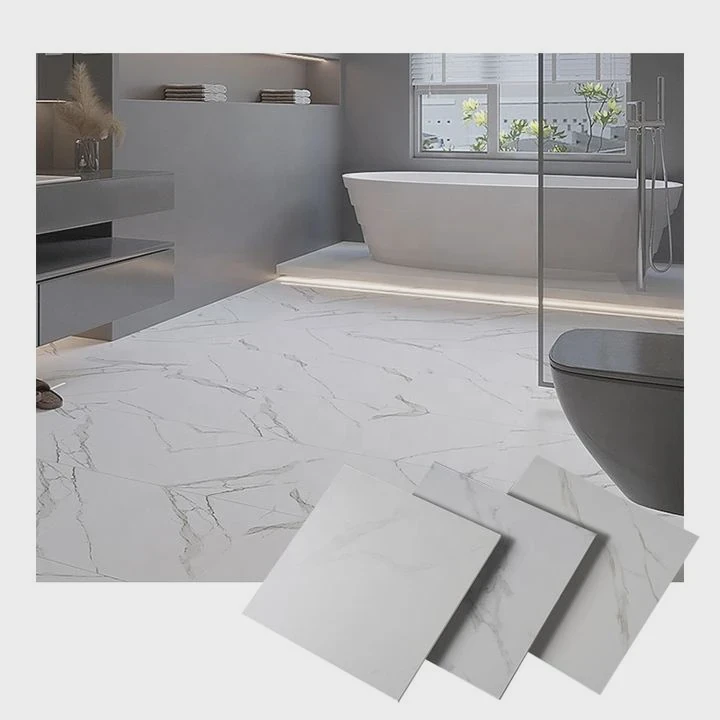
Grout Cleaning Steps
First, sweep or vacuum the floor to remove loose dirt. Mix a paste of baking soda and water and apply it to grout lines. Let it sit for 10 minutes, then scrub with a stiff brush. Hydrogen peroxide can enhance results for moldy grout, but avoid overuse on colored grout to prevent fading.
Using Steam Cleaners
Steam cleaners are excellent for grout lines because they reach deep without harsh chemicals. High-temperature steam loosens dirt and kills bacteria. Move slowly along grout lines to ensure maximum effect. Some devices also come with specialized grout nozzles.
Commercial Grout Cleaners
If stains are stubborn, a commercial grout cleaner may be required. These products contain stronger chemicals designed to lift deep stains, mold, and mildew. Always follow safety instructions and wear gloves.
Regular Maintenance
To prevent grout lines from darkening, clean weekly with a mild detergent. Immediate attention to spills also helps. Avoid acidic cleaners on colored or natural stone grout to prevent damage.
| Grout Problem | Cleaning Method | Tools Needed |
|---|---|---|
| Mold or mildew | Hydrogen peroxide paste | Stiff brush, gloves |
| General dirt | Baking soda paste | Soft brush or sponge |
| Deep stains | Commercial grout cleaner | Scrub brush, gloves, ventilation |
Cleaning grout properly not only improves appearance but also prolongs the life of your tile floor by preventing buildup that can lead to cracking or discoloration.
Which tools improve stain removal efficiency?
Using the right tools makes cleaning easier, faster, and more effective. Relying only on cloths or mops can leave stains behind.
Effective tools for stain removal include scrub brushes, microfiber cloths, mop systems with scrubbing action, and steam cleaners for deep dirt removal.
Manual Tools
Soft or stiff brushes help remove dirt and stains from both tiles and grout. Microfiber cloths capture dust and residue without scratching the surface. Sponges are useful for applying paste cleaners evenly.
Powered Tools
Electric scrubbers and steam cleaners reduce effort and improve efficiency. Electric scrubbers work well for large floor areas and stubborn grime. Steam cleaners use heat to loosen dirt and sanitize floors without chemicals.
Choosing the Right Tool
Select a tool based on the type of stain, floor area, and tile type. For small kitchen spills, a microfiber cloth may suffice. For large bathroom floors with moldy grout, a steam cleaner or electric scrubber is ideal.
Tool Maintenance
Keep cleaning tools in good condition to prevent scratches or residue buildup. Clean brushes after use and store microfiber cloths separately to avoid cross-contamination. Regularly empty mop buckets and rinse sponges.
| Tool Type | Best Use | Tile Compatibility |
|---|---|---|
| Stiff Brush | Grout, heavy stains | Ceramic, porcelain |
| Microfiber Cloth | Daily cleaning, spills | All tiles |
| Electric Scrubber | Large areas, tough stains | Ceramic, porcelain |
| Steam Cleaner | Deep cleaning, sanitation | Most tiles (avoid unsealed stone) |
Using proper tools allows faster cleaning with less effort while preserving the tile surface and grout integrity.
Can sealing help prevent future stains?
Stains often reappear on unsealed tiles and grout. Preventing stains is easier than repeated deep cleaning.
Sealing tiles and grout forms a protective layer, reducing stain absorption and making daily cleaning much easier.

Benefits of Sealing
Sealed tiles and grout resist liquids, grease, and dirt. This prolongs the life of your flooring and keeps it looking fresh. For grout, sealing prevents mold and mildew from setting in, reducing the need for harsh chemicals.
How to Apply Sealers
Clean the floor thoroughly before sealing. Apply a grout or tile sealer according to instructions, usually with a brush or applicator pad. Allow sufficient drying time before walking on the surface. Reapply as recommended, typically every 1-3 years.
Choosing the Right Sealer
Select a sealer compatible with your tile type. Porcelain and ceramic usually use penetrating sealers, while natural stone may require impregnating sealers that do not change appearance. Colored grout may need a clear sealer to maintain the original hue.
Maintenance After Sealing
Even sealed surfaces need regular cleaning. Wipe spills promptly and mop weekly. Avoid harsh chemicals that can degrade the sealer. Periodic reapplication ensures continued protection.
| Surface Type | Recommended Sealer | Frequency |
|---|---|---|
| Ceramic Tile | Penetrating sealer | Every 1-2 years |
| Porcelain Tile | Penetrating sealer | Every 1-2 years |
| Natural Stone | Impregnating sealer | Every 1 year |
| Grout | Clear grout sealer | Every 1-3 years |
Sealing is an effective long-term solution to reduce cleaning time and maintain the beauty of your tiles and grout.
Conclusion
Cleaning stains from tile floors requires the right cleaners, tools, and techniques. Proper maintenance and sealing prevent future stains, keeping floors clean and beautiful for years.