How to clean stone tile?
- Sinotiles
- 2026-07-25
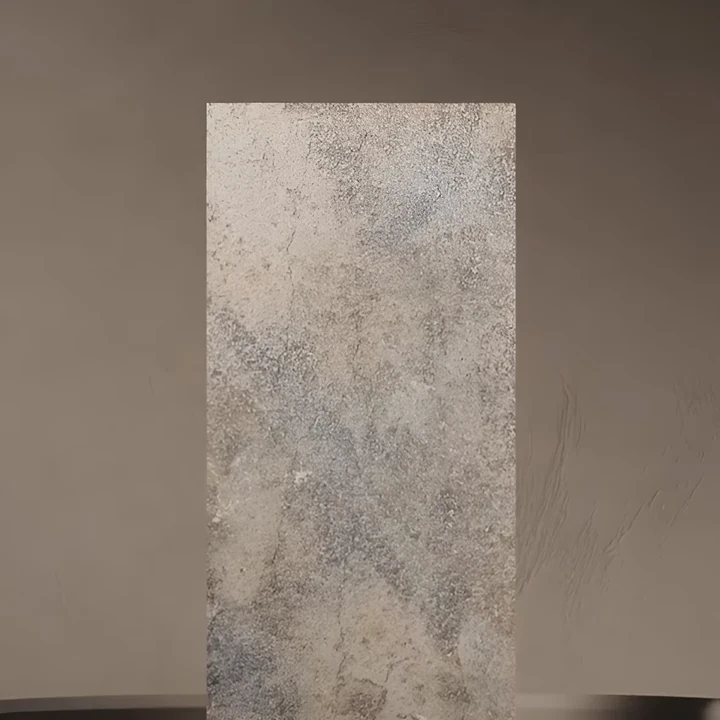
Stone tiles create a natural and elegant look, but dirt, stains, and daily use can slowly change their appearance. Many owners worry about using the wrong cleaner and damaging the surface.
Cleaning stone tile requires gentle products, correct methods, and regular protection. The right care routine can help natural stone keep its beauty, strength, and original texture for many years.
Stone is different from ceramic tile because it is a natural material with unique pores and structures. Each type of stone needs a suitable cleaning method.
Which products protect natural stone surfaces?
Natural stone surfaces need special protection because many stones can absorb moisture, oils, and dirt. The right protective products help reduce damage and make daily cleaning easier.
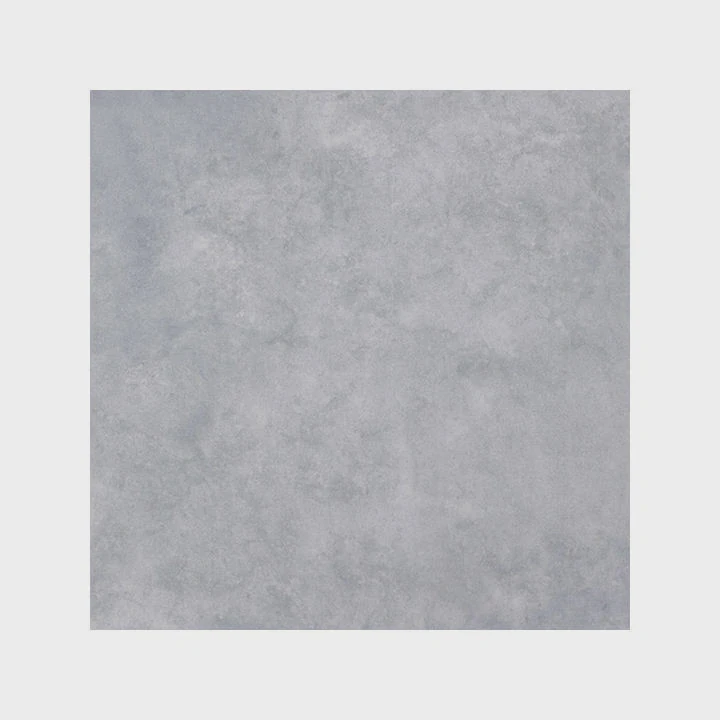
In my experience with tile customers, many people focus on choosing beautiful stone designs but forget about maintenance. Natural stone can look excellent after installation, but protection is important if the surface needs to stay attractive for a long time.
The most common products for protecting natural stone are sealers, stone cleaners, and surface treatments. These products work by creating a protective layer or reducing the ability of the stone to absorb unwanted materials.
Common products for natural stone protection
| Product | Main function | Suitable stone surfaces |
|---|---|---|
| Penetrating sealer | Blocks water and stains inside the stone | Marble, granite, limestone |
| Enhancing sealer | Deepens color and improves appearance | Natural stone with rich texture |
| Stone cleaner | Removes dirt without damaging the surface | Most natural stone tiles |
| Protective coating | Adds extra surface protection | Low-traffic decorative areas |
A penetrating sealer is one of the most popular choices. This type of product enters small spaces inside the stone and helps prevent liquids from entering deeply. It does not usually create a visible film on the surface.
An enhancing sealer works differently. It can make the natural color stronger and create a deeper appearance. Many designers use this option when they want the stone texture to look more powerful.
Why protection matters for stone tiles
Natural stone has small pores because it forms through natural processes. These pores create beautiful patterns, but they can also collect moisture and dirt.
Different stones have different levels of absorption.
| Stone type | Common feature | Protection need |
|---|---|---|
| Marble | Smooth and elegant appearance | Needs regular care |
| Granite | Hard and durable | Needs less frequent sealing |
| Limestone | Soft and porous | Needs strong protection |
| Travertine | Natural holes and texture | Requires careful maintenance |
A good protection plan starts before problems appear. Waiting until stains become visible can make cleaning more difficult.
For commercial projects, such as hotels and shopping spaces, stone protection is even more important. These areas receive more traffic and require consistent appearance. A professional maintenance plan helps reduce repair costs and keeps the space looking premium.
From a supplier perspective, I always suggest customers consider maintenance together with design. A beautiful stone surface is not only about appearance. It is also about how easily the material can be maintained after installation.
How to remove stains from stone tiles?
Removing stains from stone tiles requires identifying the stain type first. Different stains need different cleaning methods because stone reacts differently to various materials.
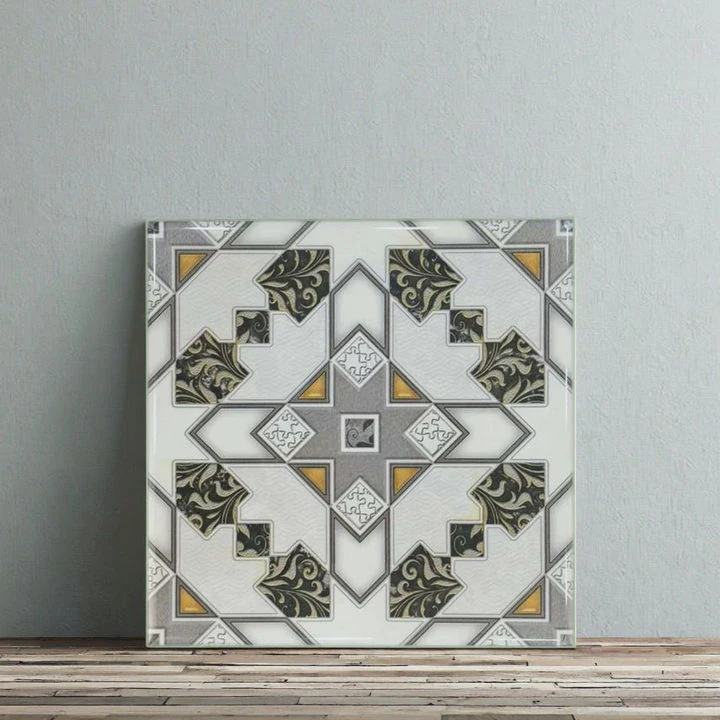
Many cleaning mistakes happen because people use a strong cleaner without knowing the cause of the stain. A product that works for one problem may create another problem on natural stone.
The first step is always gentle cleaning. A soft cloth, warm water, and a stone-safe cleaner can remove many common marks.
Common stone tile stains and solutions
| Stain type | Possible source | Recommended cleaning method |
|---|---|---|
| Oil stain | Cooking oil, grease | Stone cleaner or absorbent powder |
| Water mark | Hard water minerals | Mild stone-safe cleaner |
| Dirt stain | Foot traffic | Neutral pH cleaner |
| Rust mark | Metal contact | Specialized stone cleaner |
Oil stains are common in kitchens. Because stone can absorb oil, quick action is important. A special stone poultice can help pull oil from deeper areas.
A poultice is a cleaning material placed on the stain area. It slowly absorbs the unwanted substance from the stone. This method is often used for deeper stains.
Steps for safe stain removal
- Identify the stain type.
- Test the cleaner on a small hidden area.
- Apply the correct stone-safe product.
- Avoid strong chemicals.
- Rinse and dry the surface completely.
Patience is important when cleaning stone tiles. Some stains cannot disappear immediately. Using stronger chemicals does not always create better results.
In many cases, repeated gentle treatment works better than one aggressive cleaning attempt. This approach protects the stone surface and reduces the risk of permanent damage.
Professional cleaning for difficult stains
Some stains require professional support. Deep oil marks, paint, rust, or damaged surfaces may need special equipment and experience.
For large commercial projects, professional maintenance is common because the cost of replacing stone surfaces can be very high. Regular cleaning programs help protect the original investment.
When I communicate with international buyers, I often explain that stone quality is not only measured by appearance. The maintenance requirements are also important. A high-quality stone product should match the customer’s environment and usage needs.
For example, a hotel lobby may need a different stone solution compared with a private bathroom. Heavy traffic areas require stronger protection and more frequent maintenance.
Can acidic cleaners damage stone tiles?
Acidic cleaners can damage many stone tiles because natural stone often contains minerals that react with acids. Products such as vinegar, lemon-based cleaners, and some bathroom cleaners can create surface problems.
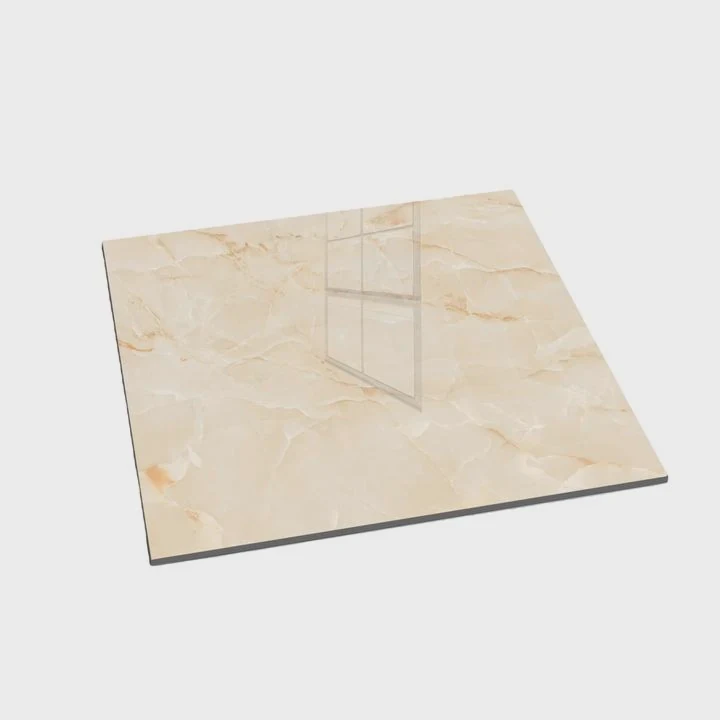
This is one of the most common mistakes when cleaning natural stone. Many people use household cleaners because they work well on other surfaces. However, natural stone needs different care.
Marble and limestone are especially sensitive to acidic products because they contain calcium-based minerals. Acid can slowly remove the surface layer and create dull spots.
Common effects of acid damage
| Damage type | Appearance | Result |
|---|---|---|
| Etching | Dull or cloudy marks | Loss of shine |
| Surface weakening | Rough texture | Reduced beauty |
| Color change | Uneven appearance | Difficult repair |
Acid damage is different from normal stains. A stain sits on or inside the stone, while acid damage changes the stone surface itself.
This difference is important because cleaning cannot always remove acid damage. The surface may need polishing or professional restoration.
Cleaners to avoid on natural stone
Homeowners should avoid:
- Vinegar cleaners
- Lemon juice solutions
- Strong bathroom acids
- Toilet bowl cleaners
- Harsh chemical products
A neutral pH stone cleaner is usually a safer choice. These cleaners are designed to remove dirt while respecting the natural surface.
Why simple cleaning habits matter
Small daily habits can prevent major problems. Using mats near entrances can reduce sand and dirt. Cleaning spills quickly can prevent absorption. Using the correct cleaner can protect the surface finish.
In my work with ceramic and stone products, I often see that long-term performance depends on daily care. A premium material still needs proper maintenance.
For architects and project buyers, maintenance information should be part of material selection. A stone that looks beautiful but requires unsuitable care may not be the best choice for every location.
The right stone product depends on the environment. A busy commercial floor, a bathroom wall, and a kitchen countertop all have different needs.
How often should stone tiles be sealed?
Stone tiles should be sealed based on the stone type, location, and daily use. Some surfaces need sealing every year, while others can stay protected for several years.
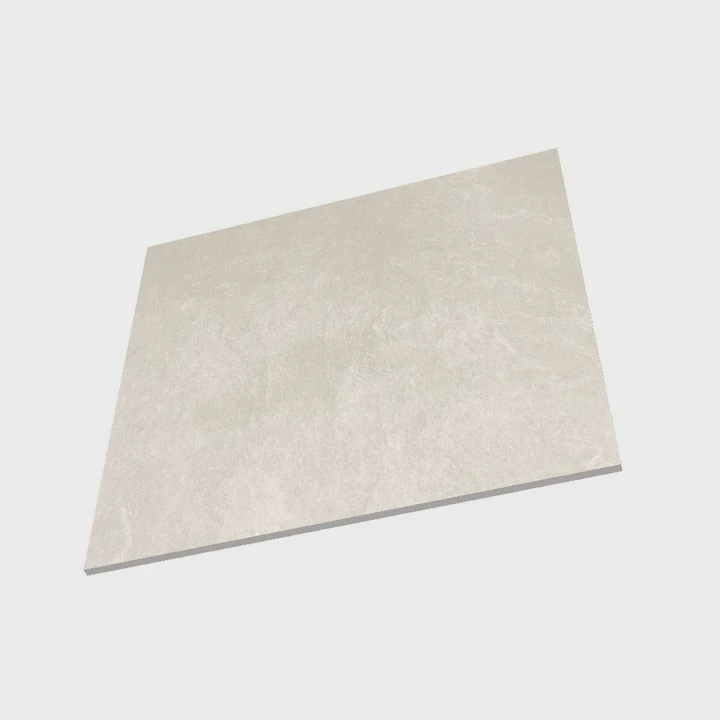
There is no single sealing schedule for every stone tile. Natural stone varies because each material has different absorption levels.
A simple water test can help check if sealing is needed. If water quickly absorbs into the stone and creates a dark mark, the surface may need new protection.
General sealing schedule
| Location | Recommended sealing frequency |
|---|---|
| Bathroom floor | Every 1-2 years |
| Kitchen area | Every 1-2 years |
| Living area floor | Every 2-5 years |
| Low-use decorative wall | Less frequent |
The actual schedule depends on several factors:
- Stone type
- Quality of previous sealer
- Amount of traffic
- Cleaning method
- Exposure to water and chemicals
Granite usually needs less frequent sealing because it is naturally dense. Softer stones such as limestone may require more attention.
Signs that stone needs sealing
A stone surface may need resealing when:
- Water absorbs quickly
- The color looks uneven
- Stains appear more easily
- The surface becomes harder to clean
Regular sealing does not make stone completely maintenance-free. It only adds protection and gives owners more time to clean spills before damage occurs.
For commercial projects, maintenance planning is very important. Hotels, restaurants, and shopping spaces often create schedules for cleaning and sealing because appearance affects customer experience.
From a global tile supplier viewpoint, I believe product education is part of good service. Customers should understand not only how stone looks but also how to care for it.
Natural stone is a long-term investment. With the right cleaner, correct protection, and regular sealing, stone tiles can maintain their natural beauty for many years.
Conclusion
Cleaning stone tile requires gentle products, careful methods, and regular sealing. Avoid acidic cleaners and choose protection solutions that match the stone type to keep surfaces beautiful and durable.