How to Clean Terracotta Tile?
- Sinotiles
- 2026-04-02
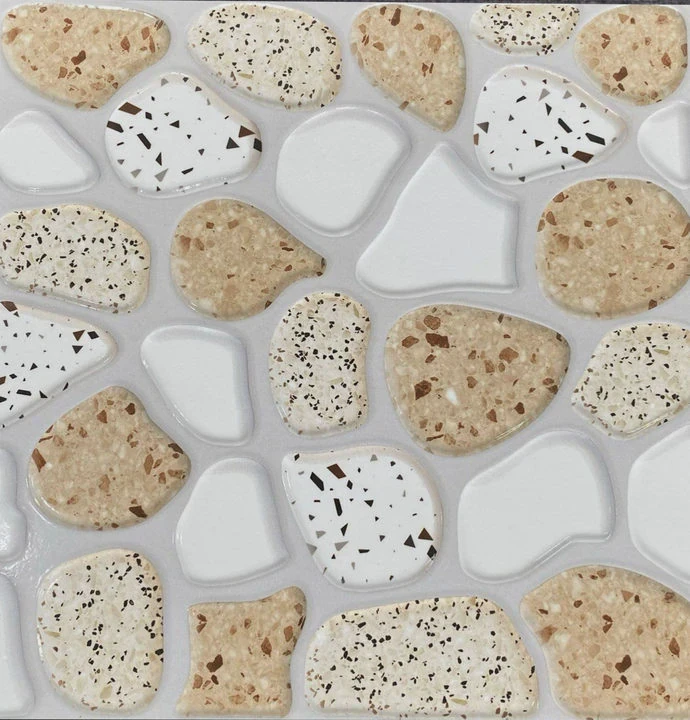
Terracotta tiles look warm and natural. But dirt, stains, and moisture can ruin their beauty fast. Many people clean them the wrong way and cause damage.
Terracotta tiles need gentle cleaning, proper sealing, and regular care. Using mild cleaners and avoiding harsh chemicals helps keep them clean, durable, and visually appealing for years.
Cleaning terracotta is not hard. But it requires the right method. In this guide, I will break down everything step by step so the process feels simple and practical.
What cleaners are safe for terracotta tiles?
Terracotta tiles are easy to damage. Many people use strong cleaners and then wonder why the surface looks dull or worn. This is a common mistake.
Safe cleaners for terracotta tiles include pH-neutral solutions, mild soap, and specialized stone cleaners. Avoid acidic or harsh chemicals because they can damage the tile surface and remove protective layers.
Terracotta is a porous clay material. This means it absorbs liquids easily. So the cleaner you choose matters a lot.
Why harsh cleaners are a problem
Strong cleaners like bleach, ammonia, or vinegar can harm terracotta. Acidic products can eat away the surface. Over time, tiles lose their color and texture.
Many people think vinegar is safe because it is natural. But for terracotta, it is not a good option.
Recommended cleaner types
Here is a simple guide:
| Cleaner Type | Safe for Terracotta | Notes |
|---|---|---|
| pH-neutral cleaner | Yes | Best daily cleaning option |
| Mild soap | Yes | Good for light dirt |
| Vinegar | No | Too acidic |
| Bleach | No | Damages surface |
| Stone cleaner | Yes | Designed for porous materials |
How to clean step by step
Start with dry cleaning. Sweep or vacuum to remove dust. Then use warm water with a small amount of mild cleaner.
Use a soft mop. Avoid soaking the tiles. Too much water can go inside the tile and cause damage later.
A practical tip from experience
In many projects, simple cleaning works best. Over-cleaning causes more problems than dirt itself. Keeping things gentle is the key.
How do you remove stains from porous clay tiles?
Stains are the biggest challenge with terracotta. Because the surface is porous, liquids go deep inside. Regular cleaning does not always work.
To remove stains from terracotta tiles, use absorbent poultices, gentle scrubbing, and targeted cleaning solutions. The goal is to pull the stain out without damaging the tile.
Understanding how stains form
Terracotta absorbs spills like oil, wine, or dirt. Once inside, the stain becomes harder to remove.
That is why quick action is important. The longer the stain stays, the deeper it goes.
Common stain types and solutions
| Stain Type | Solution Method | Notes |
|---|---|---|
| Oil | Baking soda poultice | Absorbs oil from pores |
| Wine | Mild cleaner + water | Clean quickly |
| Dirt | Soft brush + neutral cleaner | Avoid hard scrubbing |
| Mold | Stone-safe cleaner | Keep area dry after cleaning |
What is a poultice?
A poultice is a paste. It pulls stains out from inside the tile.
You can make one using baking soda and water. Apply it to the stain. Cover it and leave it for 24 hours. Then remove and clean.
Mistakes to avoid
Do not scrub too hard. This can damage the surface. Also avoid metal brushes. They can scratch the tile.
Real-world observation
In many cases, stains cannot be removed 100%. But they can be reduced a lot. The goal is improvement, not perfection.
Can sealing protect terracotta from dirt buildup?
Many people skip sealing. Then they face constant cleaning problems. Sealing is not optional if you want long-term performance.
Yes, sealing terracotta tiles protects them from dirt, moisture, and stains. A good sealer creates a barrier that reduces absorption and makes cleaning much easier.
Why sealing is important
Terracotta without sealing acts like a sponge. It absorbs water, dirt, and oils.
Sealing fills the pores. This stops most liquids from entering the tile.
Types of sealers
There are two main types:
| Sealer Type | Function | Best Use Case |
|---|---|---|
| Penetrating sealer | Goes into tile pores | Natural look protection |
| Surface sealer | Forms layer on top | Extra stain resistance |
When to seal
New tiles should be sealed before use. This is very important.
After installation, apply another layer. This ensures full protection.
How often to reseal
Sealers do not last forever. Over time, they wear out.
In most cases, resealing every 1–2 years works well. High-traffic areas may need more frequent sealing.
A key insight
Sealing reduces cleaning effort by a large margin. Many clients see fewer stains and easier maintenance after sealing.
How often should terracotta tiles be maintained?
Many people either clean too often or ignore maintenance. Both approaches cause problems over time.
Terracotta tiles should be cleaned weekly, deep cleaned monthly, and sealed every 1–2 years. Regular maintenance keeps tiles looking good and prevents long-term damage.
Daily and weekly care
Simple actions make a big difference. Sweep or vacuum regularly. This prevents dirt buildup.
Mop once a week using a mild cleaner. Do not use too much water.
Monthly deep cleaning
Deep cleaning removes hidden dirt. Use a proper tile cleaner. Focus on grout lines and corners.
This step keeps the surface fresh and extends tile life.
Long-term maintenance plan
Here is a simple schedule:
| Task | Frequency | Purpose |
|---|---|---|
| Sweeping | Daily/Weekly | Remove loose dirt |
| Mopping | Weekly | Clean surface |
| Deep cleaning | Monthly | Remove deep dirt |
| Sealing | Every 1–2 years | Protect from stains and moisture |
Signs that maintenance is needed
Tiles look dull. Water absorbs quickly. Stains appear easily.
These are signs that sealing or deep cleaning is overdue.
Practical experience
In many commercial projects, poor maintenance leads to early replacement. Good care can double the lifespan of tiles.
Conclusion
Terracotta tiles need gentle cleaning, proper stain removal, and regular sealing. With a simple routine, they stay durable and beautiful for years without heavy maintenance.