How to Lay Ceramic Tile on Concrete?
- Sinotiles
- 2026-04-02
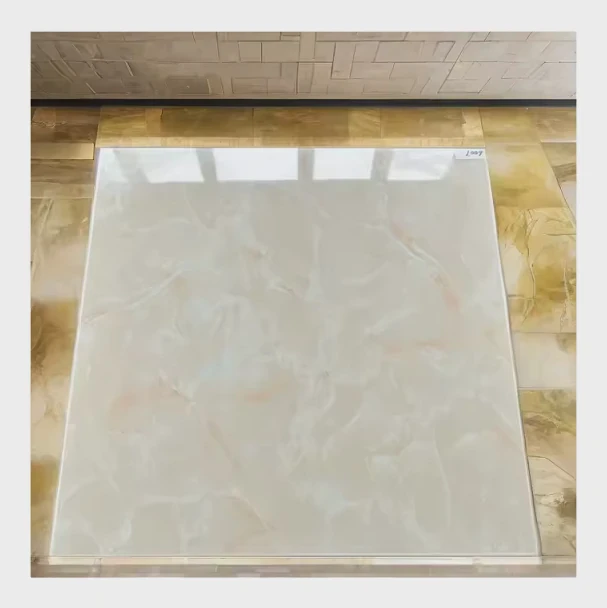
Concrete floors often look solid and ready, but many projects fail because hidden issues are ignored. Uneven surfaces, dust, or moisture can ruin the result before tiles even touch the floor.
Laying ceramic tile on concrete requires proper surface prep, correct mortar choice, and careful installation steps. Clean, level, and dry concrete ensures strong adhesion and long-lasting tile performance.
A smooth installation is not about luck. It is about following clear steps and avoiding common mistakes. Each stage matters, from preparation to sealing. Let’s break it down step by step.
What preparation is needed for concrete surfaces?
Concrete may look ready, but problems often hide beneath the surface. Dirt, cracks, or moisture can weaken tile bonding and lead to failure over time.
Concrete preparation includes cleaning, leveling, repairing cracks, and checking moisture. A stable and dry surface is key for successful tile installation.
Before laying any tile, the condition of the concrete must be fully checked. Skipping this step often leads to loose tiles or cracks later. A good installer always starts with preparation.
Cleaning the Surface
Dust, grease, and debris reduce adhesion. The surface must be completely clean.
- Sweep and vacuum thoroughly
- Remove oil or grease stains
- Use a mild cleaner if needed
Even small particles can create weak points under tiles.
Checking for Levelness
An uneven floor causes tiles to shift or crack.
- Use a straight edge or level tool
- Identify dips and high spots
- Apply self-leveling compound if needed
Flatness is more important than most people think.
Repairing Cracks
Cracks in concrete can transfer to tiles.
- Fill small cracks with repair compound
- Use crack isolation membranes for larger issues
Ignoring cracks will almost always lead to tile damage.
Moisture Testing
Concrete holds moisture, especially in new slabs.
- Tape a plastic sheet on the floor for 24 hours
- Check for condensation
If moisture is present, a moisture barrier is needed.
Surface Preparation Checklist
| Step | Purpose | Result |
|---|---|---|
| Cleaning | Remove dust and grease | Better adhesion |
| Leveling | Create flat surface | Even tile placement |
| Crack Repair | Prevent tile cracking | Long-term durability |
| Moisture Testing | Avoid bonding issues | Stable installation |
Preparation takes time, but it saves cost later. A well-prepared surface makes every next step easier and more reliable.
How do you ensure proper tile adhesion?
Tiles may look strong, but without proper bonding, they can loosen or sound hollow. Adhesion is the core of a durable tile floor.
Proper adhesion depends on using the right mortar, applying it evenly, and pressing tiles firmly into place to eliminate air gaps.
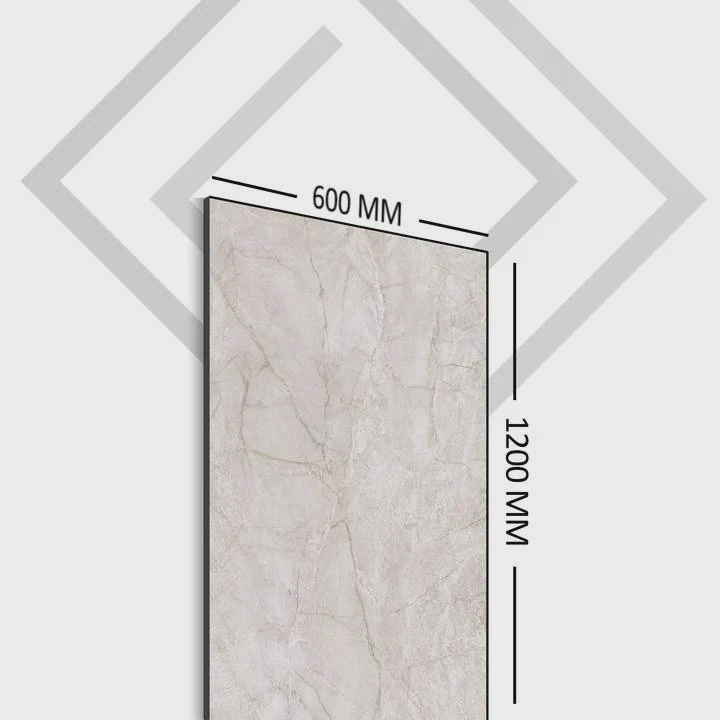
Many tile failures come from poor adhesion. The process is simple, but it must be done correctly and consistently.
Choosing the Right Trowel
The trowel controls how mortar is applied.
- Use notched trowels for even spreading
- Match notch size with tile size
Larger tiles need deeper notches.
Applying Mortar Correctly
Mortar should be spread evenly across the surface.
- Hold the trowel at a 45-degree angle
- Create consistent ridges
Do not spread too large an area at once. Mortar can dry quickly.
Back Buttering Tiles
This step is often skipped but very important.
- Apply a thin layer of mortar on the tile back
- Improves bonding strength
This is especially useful for large-format tiles.
Pressing and Setting Tiles
Tiles must be firmly pressed into the mortar.
- Twist slightly when placing
- Ensure full contact
Air pockets weaken adhesion and cause future problems.
Adhesion Best Practices
| Technique | Why It Matters | Result |
|---|---|---|
| Proper Trowel | Controls mortar thickness | Even bonding |
| Even Spreading | Avoids gaps | Strong adhesion |
| Back Buttering | Improves contact area | Better durability |
| Firm Placement | Removes air pockets | Long-lasting tiles |
Strong adhesion is not just about materials. It is about technique and attention to detail during installation.
Which mortars work best on concrete floors?
Using the wrong mortar can cause tiles to fail even if everything else is done right. Different mortars serve different purposes.
The best mortars for concrete floors are thin-set mortars, especially polymer-modified types, which offer strong bonding and flexibility.
Choosing the correct mortar depends on tile size, environment, and project needs. Not all mortars perform the same.
Thin-Set Mortar
This is the most common choice.
- Easy to use
- Strong bonding strength
- Suitable for most ceramic tiles
It works well for standard indoor applications.
Polymer-Modified Mortar
This type includes added polymers for better performance.
- Higher flexibility
- Better adhesion
- Ideal for areas with temperature changes
It is highly recommended for concrete floors.
Large Format Tile Mortar
For bigger tiles, special mortar is needed.
- Prevents tile sinking
- Supports heavier tiles
This ensures even installation.
Rapid-Set Mortar
Used when time is limited.
- Fast curing
- Suitable for quick projects
However, it requires fast work and experience.
Mortar Comparison Table
| Mortar Type | Best For | Key Benefit |
|---|---|---|
| Thin-Set | Standard tiles | Easy application |
| Polymer-Modified | Concrete floors | Strong and flexible bonding |
| Large Format Mortar | Big tiles | Prevents sagging |
| Rapid-Set | Fast projects | Quick curing |
Each mortar has a purpose. The right choice depends on the project conditions and tile type.
When should sealing be applied after installation?
Many people skip sealing or apply it too early. This can reduce tile lifespan and affect appearance.
Sealing should be applied after grout has fully cured, usually 48 to 72 hours after installation, to protect tiles and grout from moisture and stains.
Sealing is often the final step, but it plays a major role in long-term performance.
Timing of Sealing
Applying sealer too early traps moisture.
- Wait at least 48–72 hours after grouting
- Follow manufacturer recommendations
Proper timing ensures best results.
Types of Sealers
Different sealers serve different needs.
- Penetrating sealers: protect without changing look
- Surface sealers: add a protective layer
Choose based on tile and usage area.
Areas That Need Sealing
Not all tiles require sealing.
- Porous tiles: must be sealed
- Grout lines: always need sealing
Concrete floors in wet areas benefit greatly from sealing.
Application Tips
- Apply evenly with a sponge or applicator
- Avoid pooling
- Wipe off excess
Multiple coats may be needed for better protection.
Benefits of Sealing
- Prevents stains
- Reduces moisture damage
- Makes cleaning easier
Sealing is a small step with a big impact on durability.
Conclusion
Laying ceramic tile on concrete is simple when each step is done right. Clean, level, and dry surfaces, proper mortar use, and correct sealing all work together to ensure long-lasting and reliable tile installation.