How to Clean Tile Floors?
- Sinotiles
- 2026-03-06
Dirty tiles make a home feel neglected. Stains, grime, and streaks ruin the look and feel quickly.
Cleaning tile floors regularly keeps them shiny, sanitary, and extends their lifespan. Using the right methods removes dirt, prevents scratches, and protects grout.
Understanding the best techniques and cleaners helps tiles stay attractive. Let’s explore solutions, routines, tools, and natural options to maintain floors effectively.
What solutions remove tough stains from tile floors?
Tough stains resist quick mopping. Using the wrong cleaner can worsen marks or dull the tiles.
Strong stains need appropriate solutions. Baking soda, vinegar, or commercial tile cleaners lift grime without damaging tiles when used correctly.
Stain removal starts with identifying the type. Oil or grease requires degreasing solutions; rust or mineral deposits need acidic cleaners. I usually mix baking soda paste with water for stubborn stains. Let it sit for 10–15 minutes, then scrub with a soft brush. For commercial cleaners, always test on a small patch to avoid discoloration. Avoid abrasive powders on polished tiles; they scratch surfaces. Consistency matters. Cleaning spills immediately prevents permanent staining.
Stain solution table
| Stain Type | Recommended Cleaner | Method |
|---|---|---|
| Grease | Dish soap + warm water | Scrub gently |
| Rust | Vinegar solution | Apply and rinse |
| Coffee/Tea | Baking soda paste | Let sit, then scrub |
| Mineral | Lemon juice | Wipe with cloth |
Using correct solutions saves time and protects tiles. Incorrect chemicals can etch or dull surfaces.
Step-by-step cleaning
- Sweep debris and dust first.
- Apply chosen solution to the stain.
- Let it sit for 10 minutes.
- Scrub with soft brush.
- Rinse with clean water.
- Dry with a soft cloth.
How often should tile floors be cleaned?
Neglecting tiles lets dirt build up. Regular cleaning prevents grime from settling into grout.
High-traffic areas benefit from weekly cleaning, while low-traffic zones can be cleaned every two weeks. Spot cleaning should happen immediately for spills.

Routine cleaning prevents stubborn stains. Sweeping or vacuuming 2–3 times per week removes loose dirt. Mop with warm water and mild detergent weekly. I recommend scheduling deep cleaning monthly, using a soft brush for grout lines. Adjust frequency for pets or children; extra foot traffic means dirt accumulates faster. Simple maintenance avoids costly repairs or re-grouting.
Cleaning frequency guide
| Area | Recommended Routine |
|---|---|
| Kitchen | Sweep daily, mop weekly |
| Bathroom | Mop weekly, deep clean monthly |
| Living Room | Sweep twice weekly, mop weekly |
| Hallway | Sweep daily, mop twice weekly |
Tips for consistency
- Use a microfiber mop to trap dirt.
- Avoid excessive water; it can weaken grout.
- Dry floors to prevent streaks or mold.
Which tools make cleaning tiles easier?
Cleaning tiles by hand can be tiring. Using proper tools makes the process faster and more effective.
Microfiber mops, soft brushes, and scrubbers reduce effort and prevent scratches. Specialized grout brushes help maintain joint lines.
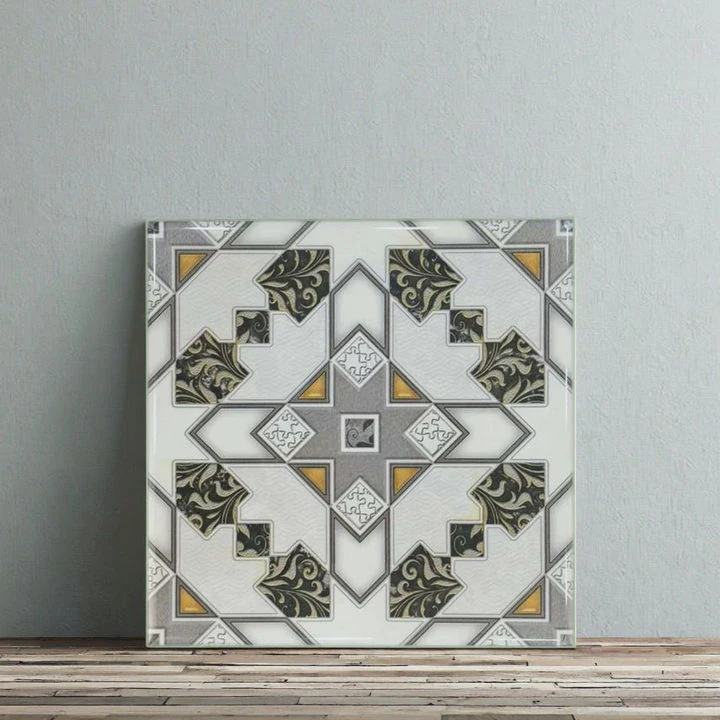
I find a set of basic tools essential. A microfiber mop traps dust and dirt effectively. Soft bristle brushes clean uneven surfaces without scratching. For stubborn grout dirt, a narrow scrub brush works best. Wet/dry vacuum cleaners save time in large areas. Avoid steel wool or harsh pads on polished tiles. Correct tools minimize damage while improving results.
Tool table
| Tool | Purpose | Tip |
|---|---|---|
| Microfiber mop | Daily cleaning | Use slightly damp |
| Soft brush | Scrub tiles | Gentle circular motion |
| Grout brush | Clean grout lines | Focus on deep joints |
| Sponge | Spot cleaning | Rinse often |
| Wet/dry vacuum | Large areas | Collect debris and water |
Proper tools save time and protect tile finish, making maintenance less of a chore.
Extra advice
- Store tools dry to prevent bacteria.
- Keep brushes separate for grout and tile.
- Replace worn mops regularly for best results.
Are natural cleaners safe for all tiles?
Natural cleaners are gentle, but some acids or oils can harm certain tile types.
Mild solutions like vinegar and baking soda are safe for most ceramic or porcelain tiles, but marble, limestone, or natural stone may etch from acids. Always test first.

Natural cleaners reduce chemical exposure. Vinegar works well on ceramic but can damage marble. Baking soda is a mild abrasive, perfect for stubborn spots. Lemon juice or citric acid should be avoided on soft stone. I use natural cleaners for routine maintenance but reserve commercial products for tough stains. Remember to rinse thoroughly to prevent residue buildup. Testing on a small section ensures no damage occurs.
Natural cleaner table
| Cleaner | Safe Tiles | Avoid Tiles |
|---|---|---|
| Vinegar | Ceramic, porcelain | Marble, limestone |
| Baking soda | All hard tiles | Polished soft stone |
| Lemon juice | Ceramic, porcelain | Marble, travertine |
| Olive oil + soap | Ceramic | Stone with acid sensitivity |
Using natural solutions keeps tiles eco-friendly and safe but requires caution on delicate materials.
Conclusion
Cleaning tiles well keeps floors hygienic, shiny, and durable. Regular routines, the right tools, and correct cleaners ensure tiles remain beautiful and long-lasting.
- Pre: How to Grout Tile?
- Next: How to Clean Tile Grout?