How to Clean Tile in Shower?
- Sinotiles
- 2026-05-07
Cleaning shower tiles can feel endless. Soap scum, mold, and grime build up fast, leaving surfaces dull and slippery.
Proper cleaning of shower tiles starts with choosing the right methods and products to remove buildup safely while preserving your tile’s finish.
Knowing how to clean your tiles efficiently will save time and maintain your bathroom’s shine. This guide breaks down everything step by step.
What cleaners work best for shower tiles?
Cleaning shower tiles with the wrong product can damage surfaces or leave streaks. Many cleaners claim to work, but some are safer and more effective.
Mild acidic cleaners, like vinegar or commercial bathroom sprays, and gentle abrasive cleaners, remove soap scum and grime effectively without harming tile.
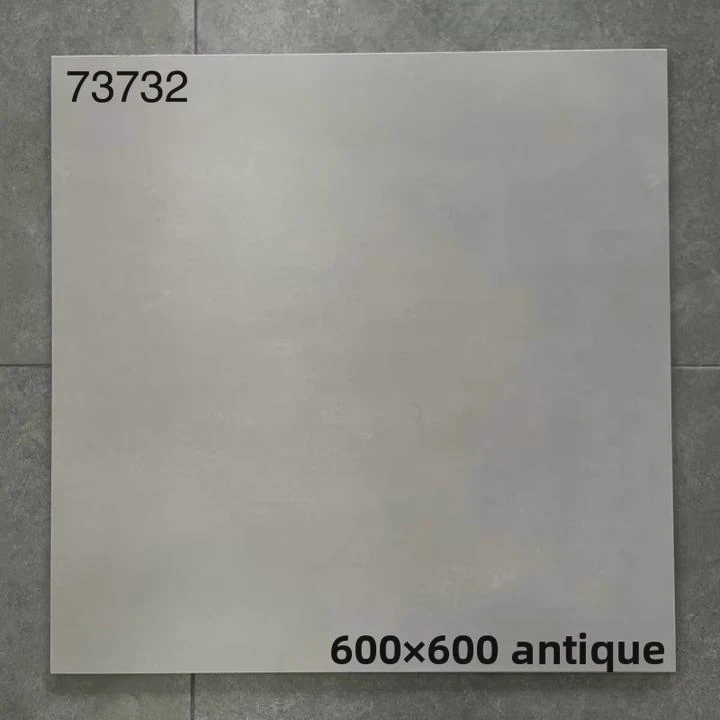
Using the right cleaner matters. Acid-based solutions can dissolve mineral deposits and soap scum. For ceramic or porcelain tiles, vinegar mixed with water works well. For stubborn stains, baking soda paste or a gentle commercial cleaner can do wonders. Avoid harsh acids like hydrochloric acid, as they can etch tiles.
Choosing the right cleaner for tile type
| Tile Type | Recommended Cleaner | Notes |
|---|---|---|
| Ceramic | Vinegar-water solution, mild commercial cleaner | Safe for glazed surfaces |
| Porcelain | Baking soda paste, gentle commercial cleaner | Avoid abrasive scrubbers that can scratch |
| Natural stone | pH-neutral cleaner | Acidic cleaners can damage stone |
| Glass | Vinegar-water, glass cleaner | Avoid ammonia on stone grout |
Always test cleaners in a small area before full application. Spray, wait a few minutes, then wipe. Rinse thoroughly to avoid residue.
Frequency and method
Cleaning frequency affects effectiveness. Once a week for light buildup prevents tough stains. For heavy soap scum, repeat twice weekly. A spray-and-wipe routine keeps tiles bright and safe from mold. Avoid using bleach too often as it can degrade grout over time.
How do you remove soap scum effectively?
Soap scum is a mix of minerals and soap that sticks to tile. It can be stubborn and build up quickly, making surfaces look dirty and dull.
To remove soap scum effectively, use a combination of acidic solutions, scrubbing, and rinsing to break down deposits without damaging tiles.
Soap scum forms faster in hard water areas because minerals bond with soap. Regular cleaning prevents thick layers from forming. Start with a vinegar spray or a commercial descaler. Let it sit for 5–10 minutes to soften the scum. Then scrub with a non-abrasive brush. Rinse thoroughly to prevent streaks.
Steps to remove soap scum
- Spray the tiles with a 1:1 vinegar-water solution.
- Let the solution sit for 10 minutes.
- Scrub using a soft brush or sponge.
- Rinse with warm water.
- Dry with a microfiber cloth.
Alternative methods
For heavy buildup, a paste of baking soda and water works well. Apply it on the tiles, scrub gently, and rinse. Commercial foam cleaners can also dissolve thick soap scum. Steam cleaning is effective too because heat loosens the scum, making it easier to wipe away.
Tips for preventing soap scum
- Use liquid soap instead of bar soap to reduce residue.
- Wipe tiles after each shower.
- Install a water softener in hard water areas.
- Apply a thin coat of car wax occasionally on tiles for easier cleaning.
Consistent care is key. Small weekly maintenance reduces the need for harsh chemicals or hours of scrubbing later.
Which tools improve shower tile cleaning efficiency?
Cleaning tools make a huge difference. Using the right ones speeds up the process and makes it safer for your tiles.
Soft brushes, microfiber cloths, and squeegees help clean tiles efficiently while preventing scratches or damage to surfaces.

Recommended tools
| Tool | Purpose | Notes |
|---|---|---|
| Soft-bristle brush | Scrub grout and textured tiles | Avoid wire brushes; they scratch tile |
| Microfiber cloth | Wipe and polish surfaces | Absorbs water and prevents streaks |
| Squeegee | Remove water after showers | Helps prevent mold and soap scum |
| Sponge | Apply cleaners and gentle scrubbing | Non-abrasive recommended |
| Spray bottle | Apply homemade or commercial solutions | Ensures even coverage |
A scrub brush works well on grout lines. Microfiber cloths are perfect for large flat surfaces. Squeegees prevent water spots. Rotate tools for best results.
How to use tools effectively
- Spray cleaner, then let it sit to loosen dirt.
- Use a brush on grout lines first.
- Wipe tiles with a microfiber cloth.
- Finish with a squeegee to remove excess water.
Using the right tools with the proper cleaners reduces effort and prevents damage. It also ensures consistent results across different tile types and sizes.
Time-saving tips
- Keep cleaning tools in the bathroom for easy access.
- Use a handheld showerhead for rinsing large areas.
- Clean in small sections to avoid missed spots.
- Rotate brushes and cloths to maintain efficiency.
Can sealing grout reduce future buildup?
Grout is porous, so it easily absorbs water, soap, and dirt. This leads to stains, mold, and faster buildup if left unprotected.
Sealing grout forms a protective layer that reduces water absorption, slows soap scum formation, and simplifies regular cleaning.
Benefits of sealing grout
- Protects against moisture and mold.
- Reduces staining from soap, shampoo, and hard water.
- Makes cleaning faster and easier.
- Extends the lifespan of grout lines.
How to seal grout
- Clean grout thoroughly before sealing.
- Apply a grout sealer with a brush or applicator bottle.
- Let it penetrate for the recommended time.
- Wipe excess and let dry completely.
Sealing should be repeated every 6–12 months, depending on use. High-traffic showers benefit from more frequent sealing.
Practical considerations
Sealing does not replace regular cleaning but reduces effort. Some sealers are water-based; others are solvent-based. Choose one suitable for your tile and bathroom environment.
Grout care tips
- Avoid harsh acidic cleaners on sealed grout.
- Wipe water spills after each shower.
- Use grout brushes for periodic deep cleaning.
- Monitor grout lines for cracks or wear and reseal as needed.
Sealed grout keeps showers looking clean longer and minimizes hard-to-remove buildup. It is a small step that pays off with less work over time.
Grout maintenance table
| Task | Frequency | Tools/Cleaners |
|---|---|---|
| Deep cleaning | Every 2–3 months | Soft brush, baking soda paste |
| Sealing | Every 6–12 months | Grout sealer, brush |
| Quick wipe | After each shower | Microfiber cloth or squeegee |
| Mold inspection | Monthly | Vinegar solution or commercial mold remover |
Sealing grout, combined with proper cleaning tools and routines, ensures tiles remain attractive and hygienic with minimal effort.
Conclusion
Cleaning shower tiles becomes simple with the right products, tools, and routines. Regular maintenance, proper scrubbing, and sealing grout protect tiles, reduce buildup, and keep showers sparkling longer.