How to clean white tile floors?
- Sinotiles
- 2026-04-17
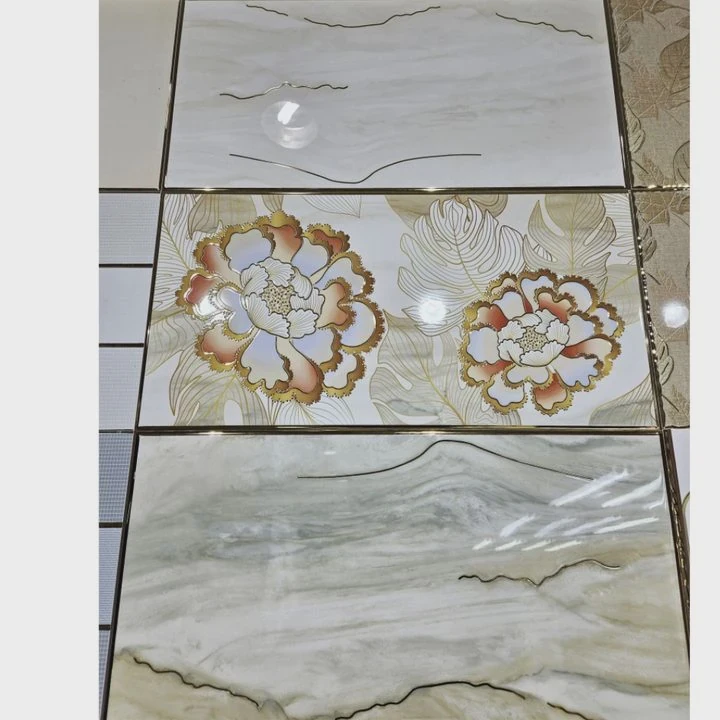
White tile floors look elegant at first. But over time, dirt, stains, and dullness appear quickly. Many people struggle to keep them bright and fresh.
To clean white tile floors, use the right cleaners, remove grout stains carefully, use proper tools, and apply sealing for long-term protection. Regular maintenance keeps tiles looking new.
Keeping white tiles clean is not difficult. However, it requires the right method and consistency. Let’s break down the key steps.
What cleaners keep white tile floors bright?
Using the wrong cleaner can damage tiles or leave residue. This often makes white floors look dull instead of clean.
The best cleaners for white tile floors include pH-neutral cleaners, mild detergents, baking soda solutions, and vinegar (for non-stone tiles). These remove dirt without damaging the surface.
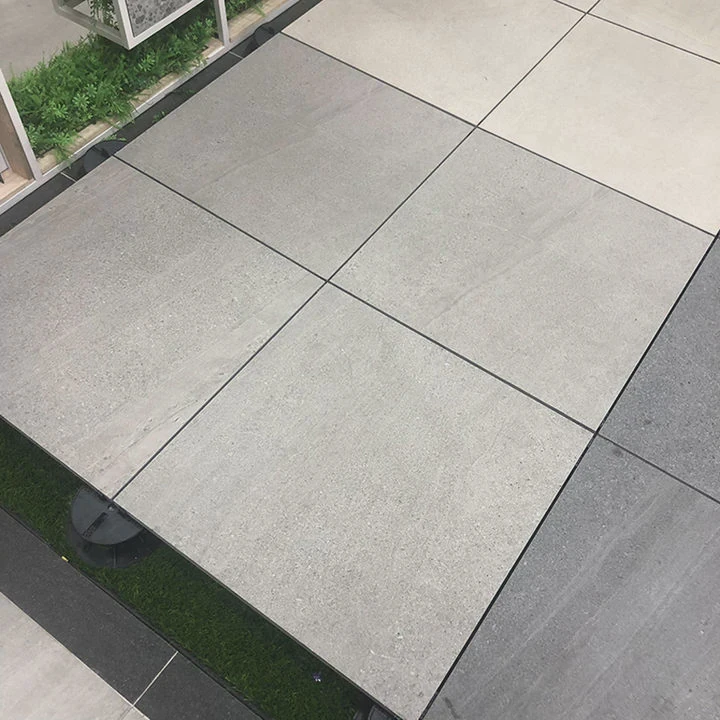
Choosing the correct cleaner depends on the tile type and level of dirt.
Recommended cleaning solutions
1. pH-neutral tile cleaner
- Safe for all tile types
- No surface damage
- Ideal for daily cleaning
2. Mild detergent solution
- Easy to prepare
- Effective for general dirt
- Gentle on grout
3. Baking soda paste
- Good for spot cleaning
- Removes stubborn stains
- Non-abrasive
4. Vinegar solution (for porcelain only)
- Cuts grease and grime
- Not suitable for natural stone
Cleaner comparison table
| Cleaner Type | Strength Level | Best Use Case | Safety Level |
|---|---|---|---|
| pH-neutral cleaner | Medium | Daily cleaning | High |
| Mild detergent | Light | Regular maintenance | High |
| Baking soda | Medium | Spot stains | High |
| Vinegar solution | Strong | Deep cleaning (porcelain) | Medium |
Cleaning tips for brightness
Use warm water
Warm water improves cleaning efficiency.
Avoid harsh chemicals
- No bleach for frequent use
- Avoid acidic cleaners on sensitive surfaces
Rinse properly
Residue can make tiles look dull.
Practical insight
In many homes and projects, overuse of strong cleaners causes long-term damage. A gentle and consistent approach works better.
White tiles need regular cleaning. Small, frequent cleaning sessions are more effective than occasional deep cleaning.
How do you remove stains from white grout lines?
Grout lines are the first place where stains appear. They absorb dirt and become dark over time.
To remove stains from white grout lines, use baking soda paste, hydrogen peroxide, or specialized grout cleaners. Scrubbing with a brush helps lift deep stains effectively.
Grout is porous. This makes it more vulnerable to stains than tiles.
Effective grout cleaning methods
1. Baking soda and water paste
- Apply paste to grout
- Let sit for 10-15 minutes
- Scrub and rinse
2. Hydrogen peroxide solution
- Strong stain removal
- Works on deep discoloration
- Safe for most grout
3. Commercial grout cleaner
- Designed for tough stains
- Faster results
- Follow instructions carefully
Tools for grout cleaning
- Toothbrush or grout brush
- Small scrubbing pad
- Spray bottle
Common grout problems
| Problem | Cause | Solution |
|---|---|---|
| Dark grout lines | Dirt buildup | Deep cleaning |
| Mold or mildew | Moisture | Use disinfectant cleaner |
| Uneven color | Poor cleaning | Re-clean and seal |
Tips for better results
Scrub gently but firmly
Too much force can damage grout.
Work in small sections
This improves control and results.
Rinse thoroughly
Leftover cleaner can attract dirt again.
Real-world experience
In many bathrooms and kitchens, grout becomes dirty faster than tiles. Regular attention prevents deep staining.
Once grout becomes heavily stained, cleaning becomes more difficult. Early maintenance is always easier.
Which tools improve cleaning efficiency?
Cleaning large white tile floors can take time. Using the right tools makes the process faster and more effective.
Efficient cleaning tools include microfiber mops, spin mops, steam cleaners, grout brushes, and vacuum cleaners. These tools improve cleaning speed and results.
Tools play a major role in maintaining white tile floors.
Essential cleaning tools
1. Microfiber mop
- Excellent dirt absorption
- Gentle on tiles
- Reusable
2. Spin mop
- Easy to control water level
- Reduces streaks
- Good for large areas
3. Steam cleaner
- Uses heat to remove dirt
- Kills bacteria
- No chemicals needed
4. Grout brush
- Designed for narrow joints
- Improves grout cleaning
5. Vacuum cleaner
- Removes loose dirt first
- Prevents scratching
Tool comparison table
| Tool | Efficiency | Best Use Case | Cost Level |
|---|---|---|---|
| Microfiber mop | High | Daily cleaning | Low |
| Spin mop | High | Large areas | Medium |
| Steam cleaner | Very High | Deep cleaning | High |
| Grout brush | Medium | Grout lines | Low |
| Vacuum cleaner | High | Pre-cleaning | Medium |
Tips for using tools
Clean before mopping
Remove dust and debris first.
Do not over-wet the floor
Too much water can leave marks.
Maintain tools regularly
Dirty tools reduce cleaning quality.
Practical insight
In large commercial spaces, efficient tools save time and labor costs. Even in homes, the right tools make cleaning easier and more consistent.
Using proper tools also reduces physical effort. This encourages regular cleaning, which keeps floors looking bright.
Can sealing help maintain white tile appearance?
Many people clean tiles often but still struggle with long-term discoloration. This is where sealing becomes important.
Yes, sealing helps maintain white tile appearance by protecting grout from stains and moisture. It creates a barrier that makes cleaning easier and more effective.
Sealing is often overlooked, but it plays a key role in long-term maintenance.
Benefits of sealing
1. Stain resistance
- Prevents dirt penetration
- Keeps grout clean
2. Moisture protection
- Reduces mold growth
- Ideal for wet areas
3. Easier cleaning
- Dirt stays on surface
- Requires less effort
Types of sealers
Penetrating sealer
- Absorbs into grout
- Invisible finish
- Long-lasting
Surface sealer
- Forms protective layer
- Slight shine
- Needs reapplication
Sealing comparison
| Sealer Type | Durability | Appearance Impact | Maintenance |
|---|---|---|---|
| Penetrating | High | None | Low |
| Surface | Medium | Slight gloss | Medium |
When to apply sealer
- After grout fully cures
- Usually 48-72 hours after installation
- Reapply every 1-2 years
Common mistakes
- Sealing too early
- Skipping grout sealing
- Using wrong sealer type
Real-world experience
In many projects, sealed grout stays clean much longer. It also reduces the need for deep cleaning.
Sealing is a small investment, but it saves time and effort over the long term.
Conclusion
Cleaning white tile floors requires the right cleaners, proper tools, and consistent care. Removing grout stains and applying sealers helps maintain brightness and durability, keeping floors looking clean and fresh for years.