How to cover tile countertops?
- Sinotiles
- 2026-04-17
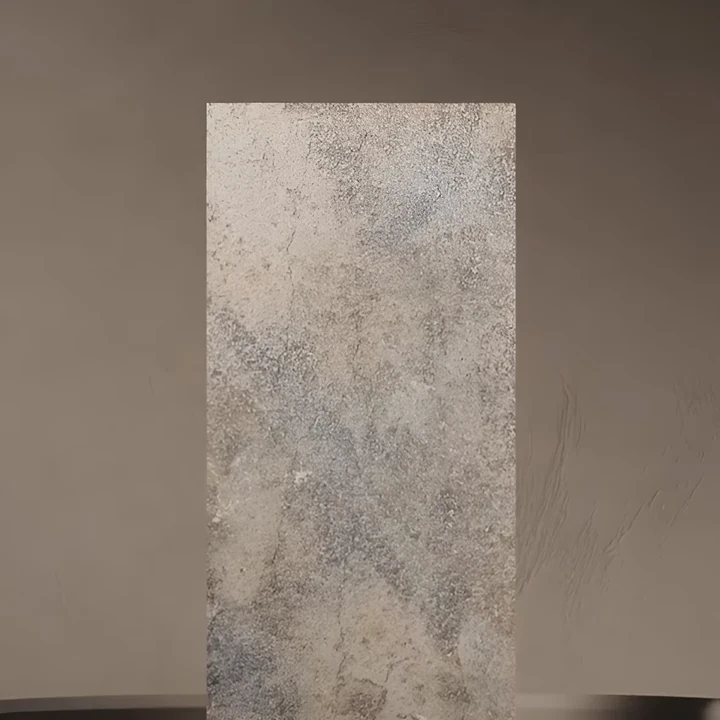
Old tile countertops can make a kitchen feel outdated. Grout lines trap dirt. Cleaning becomes frustrating. Many homeowners want a faster upgrade without full replacement.
Tile countertops can be covered using materials like quartz overlays, laminate sheets, concrete coatings, or large-format tiles. With proper preparation, these options create a smooth, modern, and durable surface.
Covering instead of removing tiles saves time and cost. But the process still needs the right materials and steps to ensure long-lasting results.
What materials can cover existing tile countertops?
Tile countertops have joints and uneven surfaces. Not every material works well on top of them.
Common materials for covering tile countertops include quartz overlays, laminate, concrete skim coats, wood panels, and large-format porcelain slabs, each offering different durability and style.
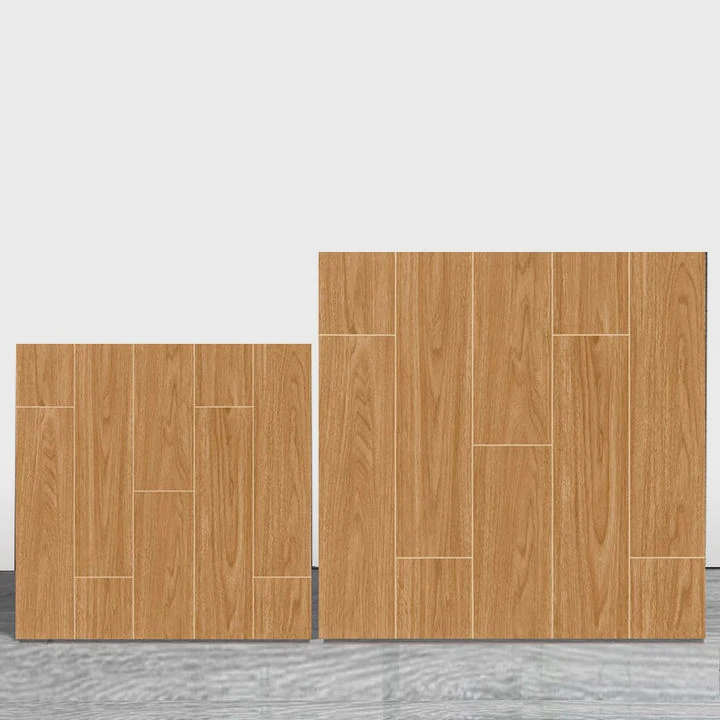
Choosing the right material depends on budget, design goals, and durability needs.
Quartz overlays
Quartz overlays are thin slabs placed over existing surfaces.
- Smooth and modern look
- Highly durable and scratch-resistant
- Low maintenance
They are ideal for premium kitchen upgrades.
Laminate sheets
Laminate is a budget-friendly option.
- Easy to install
- Available in many designs
- Lightweight
However, it is less heat-resistant compared to stone.
Concrete skim coating
Concrete can be applied as a thin layer.
- Industrial and modern style
- Custom finish options
- Seamless appearance
It requires sealing to prevent stains.
Wood or butcher block
Wood adds warmth to kitchens.
- Natural appearance
- Easy to cut and install
- Needs regular maintenance
Not ideal for high-moisture areas.
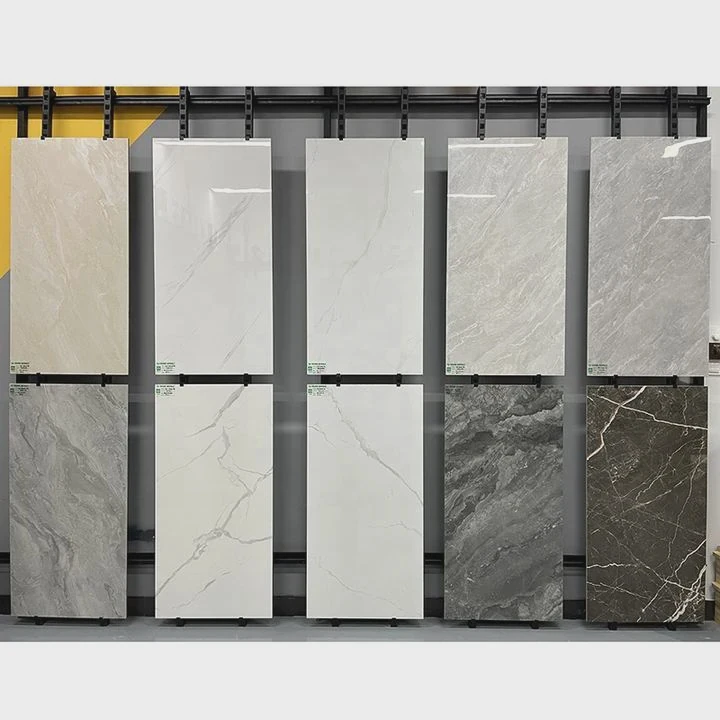
Large-format porcelain slabs
Porcelain slabs are becoming more popular.
- High heat resistance
- Minimal grout lines
- Strong and durable
They combine design and performance.
Material comparison table
| Material | Durability | Cost Level | Maintenance |
|---|---|---|---|
| Quartz overlay | High | High | Low |
| Laminate | Medium | Low | Medium |
| Concrete coating | Medium | Medium | Medium |
| Wood | Medium | Medium | High |
| Porcelain slab | High | Medium | Low |
Factors to consider
When selecting materials, consider:
- Heat resistance
- Water resistance
- Budget
- Design style
Common mistakes
- Choosing materials not suitable for kitchens
- Ignoring maintenance requirements
- Focusing only on appearance
The right material balances function and design. It also ensures long-term satisfaction.
How do you prepare tile surfaces before covering?
Preparation is often ignored. This leads to peeling, cracking, or uneven surfaces.
Tile surfaces must be cleaned, leveled, roughened, and sometimes primed before covering to ensure proper bonding and a smooth final finish.
Preparation creates a strong base. It directly affects the success of the project.
Clean the surface thoroughly
Cleaning removes grease and dirt.
- Use a degreaser
- Remove stains and residue
- Dry completely
Kitchen surfaces often have hidden grease.
Repair grout lines and cracks
Uneven grout lines create problems.
- Fill deep grout joints
- Repair cracked tiles
- Ensure a uniform surface
Roughen the tile surface
Smooth tiles reduce adhesion.
Methods for roughening
- Sanding with coarse paper
- Using a grinder
- Applying bonding primer
This step improves bonding strength.
Level the surface
A flat surface is essential.
- Use leveling compound
- Fill gaps and dips
- Smooth the entire area
Apply primer or bonding agent
Some materials require a primer.
- Enhances adhesion
- Prevents peeling
- Improves durability
Preparation checklist
| Step | Purpose |
|---|---|
| Cleaning | Remove contaminants |
| Repairing | Fix damage |
| Roughening | Improve adhesion |
| Leveling | Ensure flat surface |
| Priming | Strengthen bonding |
Common preparation mistakes
- Skipping cleaning
- Not leveling grout lines
- Ignoring primer use
These mistakes reduce durability.
Proper preparation ensures the new surface bonds well and lasts longer.
Which options provide durable countertop finishes?
Durability is critical in kitchens. Countertops face heat, moisture, and daily use.
Durable countertop finishes include quartz overlays, porcelain slabs, and properly sealed concrete, as they resist heat, scratches, and stains effectively.
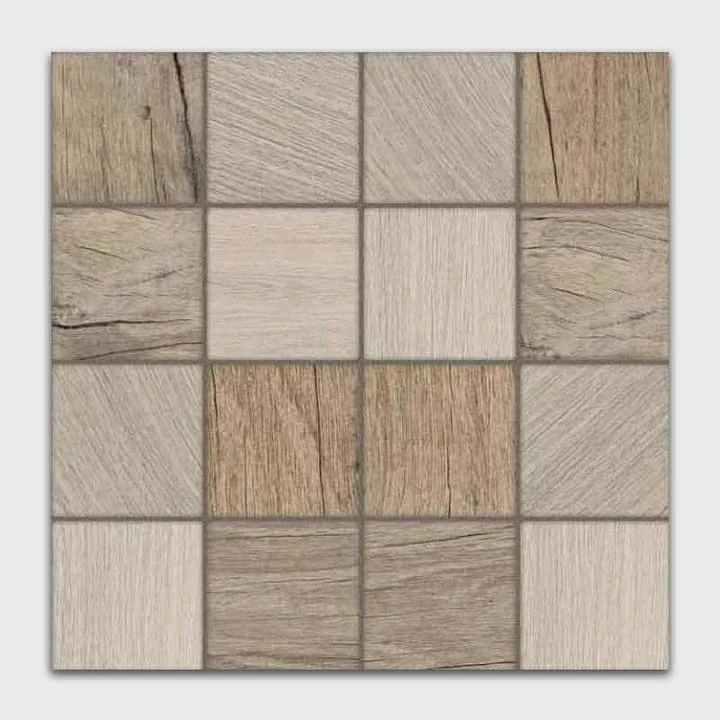
Not all materials perform equally under daily stress. Choosing a durable option reduces maintenance and replacement costs.
Quartz surfaces
Quartz is engineered for strength.
- Non-porous
- Resistant to stains
- Long lifespan
It is one of the most reliable options.
Porcelain slabs
Porcelain offers excellent performance.
- High heat resistance
- Scratch-resistant
- UV stable
It works well in both indoor and outdoor kitchens.
Concrete finishes
Concrete can be durable when sealed properly.
- Customizable design
- Strong surface
- Requires maintenance
Sealing is essential to prevent stains.
Durability comparison table
| Option | Heat Resistance | Scratch Resistance | Longevity |
|---|---|---|---|
| Quartz | Medium | High | Long |
| Porcelain slab | High | High | Very long |
| Concrete | Medium | Medium | Medium |
Key durability factors
Several factors affect durability:
- Material density
- Resistance to moisture
- Surface finish quality
- Installation quality
Maintenance requirements
Durability also depends on maintenance.
- Regular cleaning
- Avoiding harsh chemicals
- Resealing when needed
Common durability mistakes
- Choosing low-quality materials
- Ignoring sealing requirements
- Poor installation
A durable countertop saves time and cost over the long term.
Can overlays improve kitchen appearance quickly?
Many homeowners want fast results. Full renovation takes time and disrupts daily life.
Yes, countertop overlays can quickly transform kitchen appearance by covering old tiles with modern materials, creating a clean and updated look in a short time.

Overlays are a practical solution for quick upgrades. They deliver visible results without major construction.
Visual transformation benefits
Overlays improve appearance instantly.
- Hide old grout lines
- Create a seamless surface
- Modernize kitchen design
Time-saving advantages
Compared to full replacement:
- Less demolition work
- Faster installation
- Minimal disruption
Most projects can be completed in a few days.
Cost efficiency
Overlays reduce overall cost.
- Lower labor cost
- No need for tile removal
- Reduced waste disposal
Design flexibility
Overlays offer many design options.
- Stone-like finishes
- Matte or glossy surfaces
- Custom colors and textures
Before vs after impact
| Aspect | Before Overlay | After Overlay |
|---|---|---|
| Appearance | Outdated, uneven | Modern, smooth |
| Maintenance | Hard to clean grout | Easy to maintain |
| Value | Lower appeal | Increased appeal |
Limitations of overlays
Overlays are not always suitable.
- Cannot fix structural damage
- Adds slight height
- Requires proper preparation
When overlays are ideal
- Tiles are structurally sound
- Budget is limited
- Quick renovation is needed
Overlays provide a fast and effective upgrade. They improve both function and visual appeal without major renovation.
Conclusion
Covering tile countertops is a practical way to upgrade kitchens without full replacement. With the right materials, proper preparation, and durable finishes, you can achieve a modern look quickly and efficiently.