How to cover tile backsplash?
- Sinotiles
- 2026-08-20
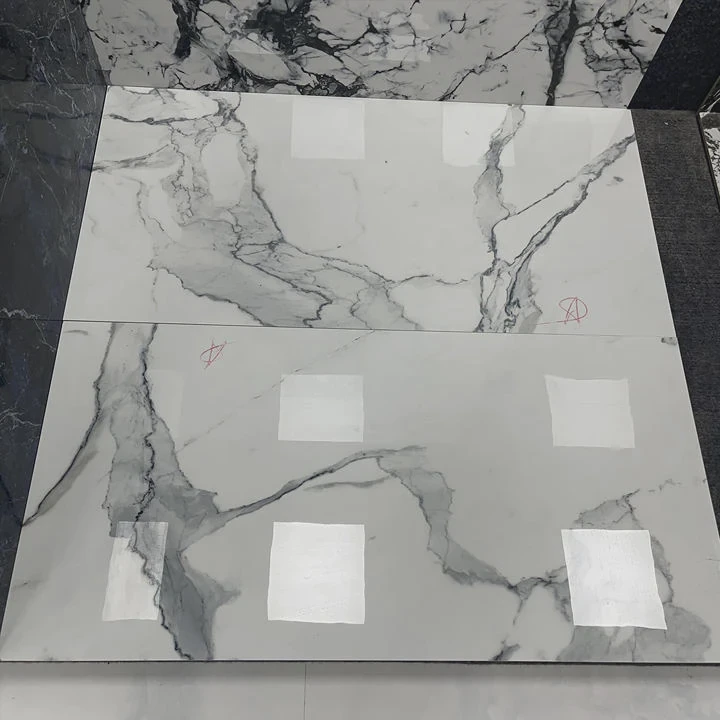
An outdated tile backsplash can make a kitchen or bathroom look old. Removing old tiles can also create dust, noise, and extra repair work.
You can cover a tile backsplash by using materials such as backsplash panels, peel and stick tiles, wallpaper, or decorative boards. The right choice depends on your budget, design needs, and the condition of the existing tiles.
Many homeowners want a fresh look without a complete renovation. Covering existing backsplash tiles can be a simple way to update a space while saving time and reducing construction problems. A good covering method can hide old patterns, change colors, and create a cleaner appearance.
What materials can cover existing tile backsplash?
Choosing the right covering material is the first step in a backsplash update. Different materials provide different levels of durability, style, and installation difficulty.
Common materials that can cover existing tile backsplash include tile stickers, PVC panels, glass panels, metal sheets, stone sheets, and waterproof decorative boards. These materials can create a new surface without removing the old tiles.
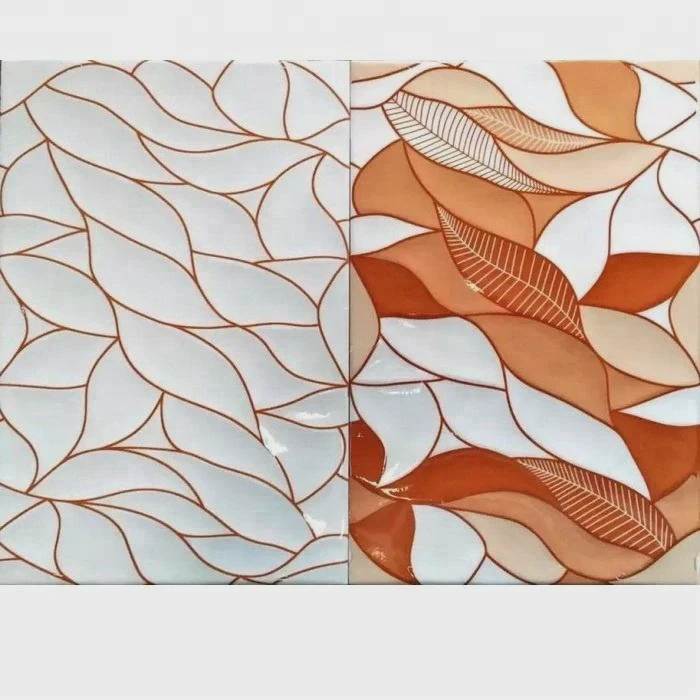
The existing tile condition affects which material works best. A flat and stable backsplash provides more options. A damaged or uneven tile surface may need extra preparation before covering.
Popular backsplash covering materials
| Material | Advantages | Best use |
|---|---|---|
| Peel and stick tiles | Easy installation and low cost | Quick kitchen updates |
| PVC wall panels | Waterproof and easy to clean | Kitchens and bathrooms |
| Glass panels | Modern look and heat resistance | Contemporary designs |
| Metal sheets | Strong and stylish | Industrial kitchens |
| Stone veneer panels | Natural appearance | Premium renovation projects |
| Decorative boards | Many design choices | Budget-friendly upgrades |
Peel and stick tiles are popular because they are simple and do not require professional skills. They work well for renters or homeowners who want a temporary design change.
PVC panels are another practical choice. They can cover large areas quickly, and many designs imitate marble, stone, or wood. They are also easy to clean, which makes them useful behind kitchen counters.
Glass and metal options usually create a more modern appearance. They are strong, but installation may require more accurate measurements and professional tools.
How to choose the right material
The best material depends on several factors:
- Location of the backsplash
- Exposure to water and heat
- Cleaning requirements
- Interior design style
- Available budget
A kitchen backsplash behind a stove needs better heat resistance than a decorative wall area. A bathroom backsplash needs strong moisture protection.
I usually suggest checking the original tile surface before making a choice. A smooth tile surface can support many covering methods, but loose tiles or deep texture may require additional preparation.
The covering material should not only look good. It should also provide long-term performance. A beautiful backsplash that peels, cracks, or absorbs moisture will create more work later.
How do you install panels over old tiles?
Installing panels over old tiles is one of the fastest ways to create a new backsplash surface. This method hides outdated designs while keeping the original wall structure.
You can install panels over old tiles by cleaning the surface, preparing the tile area, applying strong adhesive, placing the panels carefully, and sealing the edges for protection.
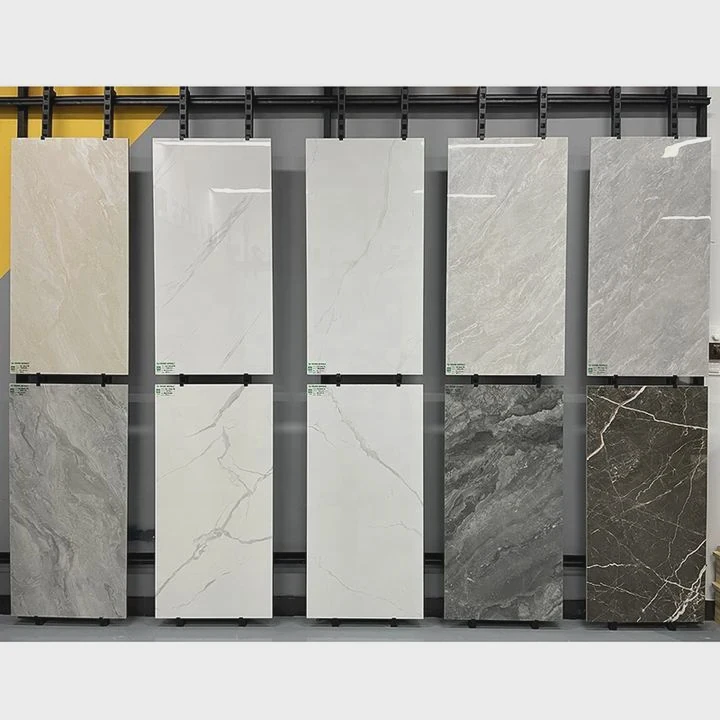
Panel installation is easier than tile removal because the existing backsplash becomes a base layer. However, preparation remains important because poor preparation can cause panels to move or separate.
Steps for installing backsplash panels
The first step is cleaning the existing tiles. Grease, dust, and moisture can reduce adhesive strength. A clean surface helps the new panel stay attached.
The second step is checking the tile condition. Loose tiles should be repaired before covering. A weak base can create problems after installation.
The third step is measuring the area. Accurate measurements prevent gaps and reduce material waste.
The fourth step is applying adhesive. The adhesive should match the panel type and the wall condition.
The final step is sealing edges and joints. Sealant prevents water from entering behind the panel.
Important installation points
| Installation factor | Why it matters |
|---|---|
| Surface cleaning | Improves adhesive connection |
| Accurate measurement | Creates a professional appearance |
| Strong adhesive | Prevents panel movement |
| Edge sealing | Protects against moisture |
| Proper leveling | Keeps the surface even |
One common mistake is installing panels directly on dirty tiles. Kitchen backsplashes often collect oil and grease, and these substances can weaken the bond.
Another mistake is ignoring tile gaps. Deep grout lines may create an uneven surface. Some panels can cover small gaps, but others may need a smoothing layer first.
Large panels require careful handling because small measurement errors become more visible. Taking extra time during installation usually creates better results.
Panel installation can create a new backsplash without major demolition. It is a useful solution for homeowners who want a cleaner design with less construction work.
Why choose covering instead of removing tiles?
Many people consider removing old backsplash tiles first, but demolition is not always the best choice. Covering existing tiles can provide a faster and cleaner renovation method.
Covering tiles instead of removing them can save time, reduce mess, lower labor costs, and protect the existing wall from unnecessary damage.
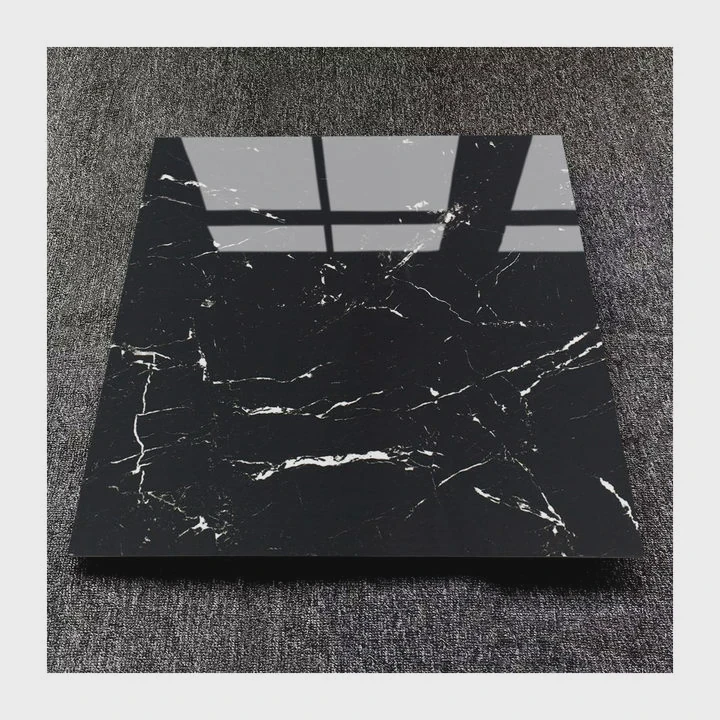
Tile removal can become a large project. The process may involve breaking tiles, removing adhesive, repairing drywall, and preparing the surface again.
Benefits of covering old backsplash tiles
Covering old tiles offers several advantages:
- Less dust and construction waste
- Faster project completion
- Lower repair costs
- Easier installation process
- Less risk of wall damage
For many homeowners, time is an important factor. A complete tile removal project may take several days, while a covering project may finish much faster.
Covering also allows people to test new designs. If the style changes later, some covering materials can be replaced more easily than a traditional tile installation.
When covering tiles is a better choice
Covering works well when:
- Existing tiles are firmly attached
- The wall surface is stable
- The new material can bond properly
- The design change does not require deep renovation
However, covering is not always the correct solution. If the old tiles have water damage, serious cracks, or movement, removing them may be necessary.
The condition of the existing backsplash is the most important factor. A new surface cannot fix a weak foundation.
I have found that many renovation problems happen because people focus only on appearance. A beautiful cover layer cannot solve structural issues. Checking the old backsplash first helps prevent future repairs.
Covering existing tiles is a practical choice for many projects. It balances appearance, cost, and installation time.
Can peel and stick options work for backsplashes?
Peel and stick backsplash products have become popular because they offer simple installation and many design choices. They allow homeowners to update a space without professional construction skills.
Peel and stick backsplash options can work when the existing tile surface is clean, smooth, dry, and stable. They are best for light renovation projects and areas with moderate use.
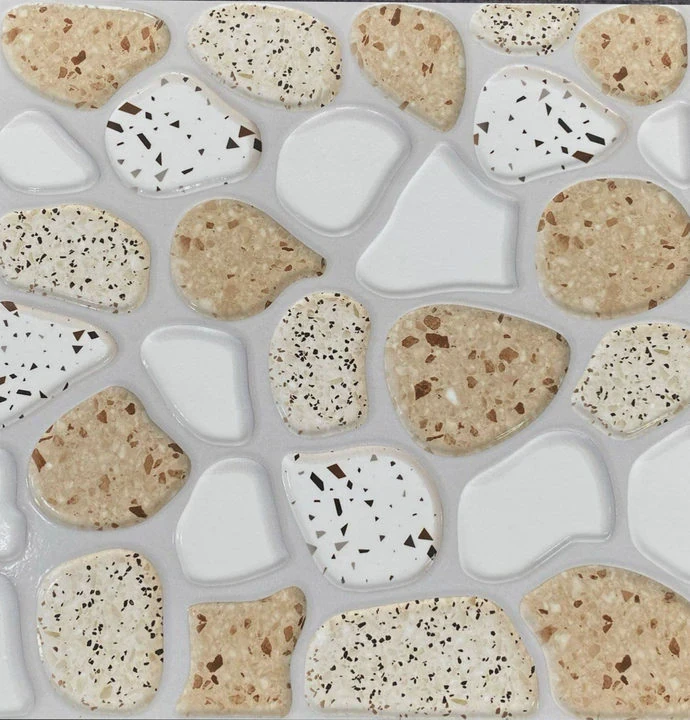
These products usually include an adhesive backing that attaches directly to the wall surface. They come in many styles, including stone patterns, subway tile designs, and modern finishes.
Advantages of peel and stick backsplash
Peel and stick options provide several benefits:
- Easy DIY installation
- Low material cost
- Many design choices
- Minimal tools required
- Quick visual improvement
They are especially useful for small kitchens, rental properties, and temporary design updates.
Limitations of peel and stick products
Although peel and stick tiles are convenient, they have limits. They may not perform well in areas with strong heat, heavy moisture, or frequent cleaning.
| Situation | Recommendation |
|---|---|
| Rental kitchen | Peel and stick can be a good option |
| Behind a high-use stove | Use heat-resistant materials |
| Bathroom with high moisture | Choose waterproof panels |
| Uneven old tiles | Prepare the surface first |
A common mistake is applying peel and stick products without cleaning the backsplash. Oil and dust can prevent proper adhesion.
Another issue is choosing low-quality products. Some inexpensive materials may fade, peel, or lose shape over time.
The best results come from proper preparation. The backsplash should be clean, dry, and free from loose areas before installation.
Peel and stick options are not a replacement for every renovation method. However, they provide an affordable way to improve appearance and create a fresh design without removing existing tiles.
Conclusion
Covering a tile backsplash is an effective way to update a space without major demolition. With suitable materials, proper preparation, and careful installation, old tiles can become a clean and modern surface.