How to refinish tile?
- Sinotiles
- 2026-08-20
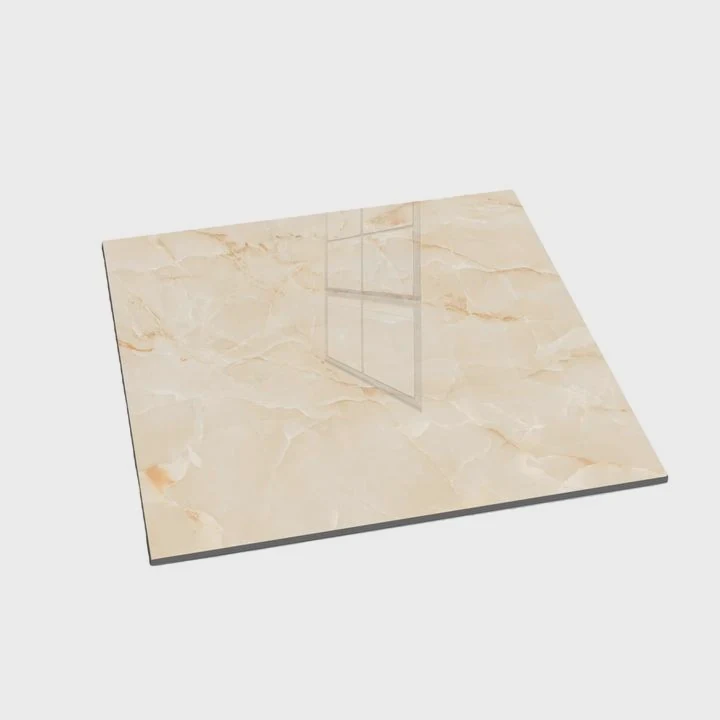
Many tile surfaces lose their beauty after years of use. The colors may fade, the finish may become dull, and the style may no longer fit a modern space. Replacing tiles can also create high costs and long construction time.
Refinishing tile is a practical way to refresh old surfaces without removing the existing tiles. The process uses cleaning, repair, coating, and protection steps to create a new appearance.
When I look at tile renovation projects, I see refinishing as a balance between appearance, cost, and performance. A good refinishing process can help old tiles look new again while reducing waste and renovation work.
What methods are used to refinish tile surfaces?
Tile refinishing uses different methods to improve the appearance and performance of existing tile surfaces. Common methods include painting, reglazing, resurfacing coatings, and professional refinishing systems.
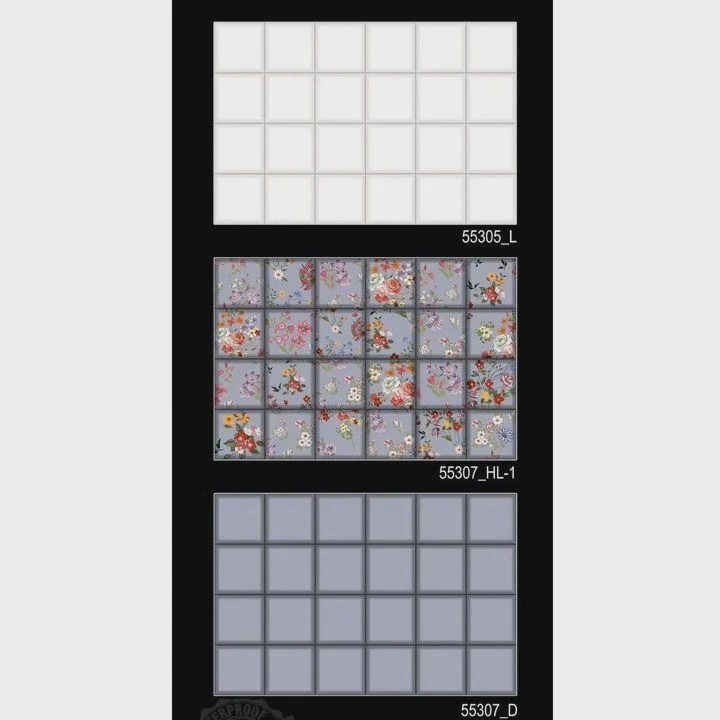
The best refinishing method depends on the tile condition, location, budget, and expected result. A bathroom wall tile may need a different solution from a kitchen floor tile because each area faces different levels of water, heat, and daily use.
One common method is tile painting. This method applies a special coating over the existing tile surface. It can change the color and create a cleaner look. However, the surface must be prepared carefully because normal paint cannot bond well with smooth tile.
Another method is reglazing. Reglazing adds a new glossy layer to the tile surface. This method is often used for ceramic and porcelain surfaces because it can restore shine and create a fresh finish.
Common tile refinishing methods
| Method | Main benefit | Suitable areas |
|---|---|---|
| Tile painting | Affordable color update | Walls, decorative areas, light-use surfaces |
| Reglazing | Creates a smooth new finish | Bathrooms and ceramic surfaces |
| Epoxy coating | Strong durability | Floors and high-use areas |
| Professional resurfacing | Long-lasting appearance improvement | Large renovation projects |
Resurfacing is another option. This process uses special coatings that cover small surface problems and create a new protective layer. It is often stronger than simple painting because the materials are designed for heavy use.
Professional refinishing systems usually include multiple steps. They may involve surface cleaning, repair, bonding layers, color coating, and protective finishing. This approach often provides better results because every layer works together.
Choosing the right refinishing method
I usually consider several questions before selecting a refinishing method:
- Is the tile damaged or only outdated?
- Is the surface used every day?
- Does the area contact water often?
- Is the goal a quick improvement or a long-term solution?
For example, a guest bathroom wall may only need a simple coating update. A busy commercial floor may require a stronger epoxy system.
Tile refinishing is not only about changing appearance. It is also about extending the useful life of existing materials. When the right method is selected, refinishing can provide a practical alternative to complete tile replacement.
How do you prepare tiles for refinishing?
Proper preparation creates the foundation for successful tile refinishing. Cleaning, repairing, sanding, and priming help new coatings attach strongly to the old surface.
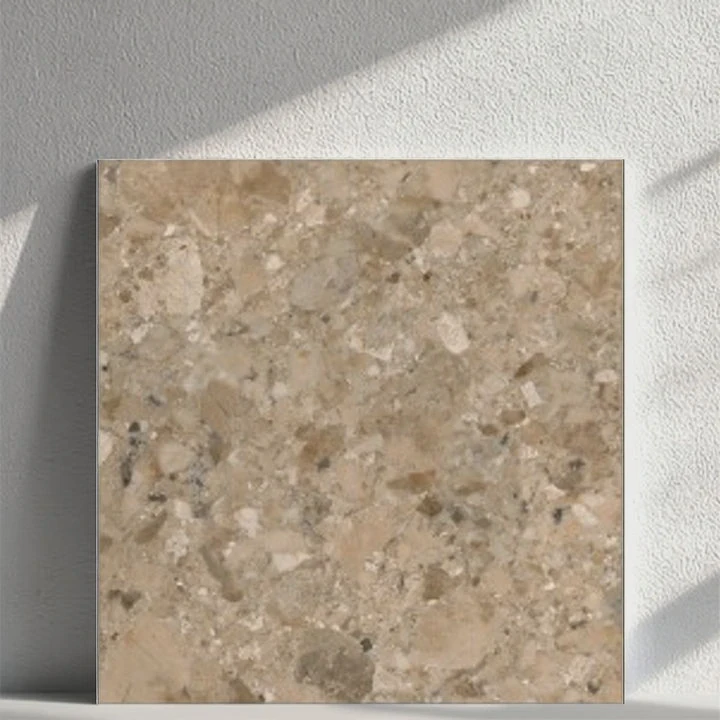
Many refinishing problems happen because the preparation stage is rushed. A beautiful coating cannot hide dirt, loose grout, cracks, or moisture problems underneath. The surface needs to become stable before any new layer is added.
The first step is deep cleaning. Tiles often collect soap residue, grease, dust, and mineral deposits. These materials create a barrier between the tile and the refinishing product. A strong cleaner helps remove these problems.
After cleaning, I check the condition of the tile carefully. Cracks, chips, and damaged grout should be repaired first. Refinishing can improve the appearance, but it cannot repair weak tile structures.
Important preparation steps
| Step | Purpose |
|---|---|
| Cleaning | Removes dirt and surface residue |
| Repairing damage | Creates a stable base |
| Sanding | Improves coating adhesion |
| Drying | Prevents moisture problems |
| Priming | Helps new coatings bond properly |
Sanding is an important step for glossy tiles. Many ceramic and porcelain tiles have smooth surfaces that make coating adhesion difficult. Light sanding creates a better surface for the primer and refinishing material.
The next step is removing all dust after sanding. Small particles can create rough spots and weak areas under the new coating. A clean surface helps create a smoother final appearance.
Primer selection also matters. A bonding primer designed for tile or hard surfaces usually performs better than standard primers. It creates a connection between the old tile and the new finish.
Moisture control is another key point. Tile areas such as bathrooms and kitchens often contain water exposure. The surface must be completely dry before refinishing begins. Hidden moisture can cause peeling, bubbling, or coating failure.
I also pay attention to the surrounding area during preparation. Cabinets, walls, and fixtures should be protected from coating materials. Careful preparation helps create cleaner edges and a more professional result.
The preparation process may take more time than the actual coating application, but it has a major impact on the final quality. A well-prepared tile surface allows refinishing materials to perform better and last longer.
Why is sealing important after refinishing?
Sealing is important after tile refinishing because it adds protection against moisture, stains, scratches, and daily wear. A proper sealer helps maintain the new surface and improves durability.
After refinishing, the new surface needs protection from everyday challenges. Water, cleaning products, and regular movement can slowly damage an unprotected coating. A sealer works as an additional protective layer.
The main purpose of sealing is to protect the refinished surface. The sealer does not replace good preparation or quality coating, but it helps the finished system perform better.
Benefits of sealing refinished tiles
Protecting against moisture
Water is one of the biggest challenges for tile surfaces, especially in bathrooms and kitchens. A good sealer reduces water penetration and helps prevent damage below the surface.
Improving resistance to wear
Floors receive pressure from walking, furniture movement, and cleaning activities. A protective sealer helps reduce scratches and surface damage.
Making maintenance easier
A sealed surface is usually easier to clean. Dirt and stains have fewer chances to attach strongly to the refinished layer.
Different areas may need different sealing solutions. A bathroom floor may require a stronger protective coating than a decorative wall tile. The correct product depends on the expected use.
Common sealing options
| Sealer type | Strength | Common use |
|---|---|---|
| Polyurethane sealer | Strong protection | Bathroom and kitchen surfaces |
| Epoxy clear coating | Very strong durability | High-traffic floors |
| Acrylic sealer | Basic protection | Decorative areas |
The sealing process also requires correct timing. The refinished surface needs enough drying time before the sealer is applied. Applying products too quickly can trap moisture and reduce performance.
I believe sealing is one of the most valuable steps in tile refinishing because it protects the investment. Without sealing, the new appearance may disappear faster because the surface has less defense against daily use.
However, maintenance is still important after sealing. Strong chemicals, rough cleaning tools, and heavy impacts can damage even protected surfaces. Gentle cleaning and regular care help maintain the refinished appearance.
A complete refinishing project includes more than adding a new color. The final protection layer helps connect appearance with long-term performance.
Can refinished tiles match original appearance?
Refinished tiles can match the original appearance in many cases, but the final result depends on the tile condition, refinishing quality, and selected materials. A professional process can create a surface that looks very close to new tile.
Many homeowners choose refinishing because they want to keep the existing style while improving the surface condition. In some projects, the goal is not to create a completely different look. The goal is to restore freshness.
Modern refinishing materials offer many color and finish choices. They can recreate glossy surfaces, matte styles, and updated designs. This flexibility allows old tiles to fit new interior styles.
However, exact matching depends on several factors. Old tiles may have unique textures or patterns that are difficult to copy perfectly. If the original tile design is discontinued, refinishing may create a similar appearance instead of an exact match.
Factors affecting appearance matching
| Factor | Impact on final result |
|---|---|
| Tile condition | Damaged tiles may need extra repair |
| Coating quality | Better materials create smoother finishes |
| Color selection | Correct color improves visual matching |
| Application skill | Professional work creates better consistency |
Surface texture is another important point. A refinished tile can change the feeling of the surface. A glossy coating may make an old tile look brighter, while a matte coating may create a modern appearance.
I also consider the overall space when choosing a refinishing style. Matching the original tile is not always the only goal. Sometimes a new color or finish can create a better design result.
For example, an outdated bathroom may have dark tiles that make the room feel smaller. A lighter refinishing color can improve the space and create a more modern atmosphere.
The final appearance also depends on application quality. Uneven coating, poor preparation, or incorrect drying time can create visible problems. Skilled application helps create a smooth and consistent finish.
Tile refinishing cannot always replace new tile installation. Severely damaged tiles, unstable surfaces, or areas with extreme use may need replacement. However, for many renovation projects, refinishing provides a cost-effective way to improve appearance.
When the right materials and methods are used, refinished tiles can look attractive and fresh. The process gives old surfaces a second life and helps create better spaces without major demolition.
Conclusion
Tile refinishing offers a practical way to improve old surfaces. With proper preparation, suitable coatings, and protective sealing, refinished tiles can create a fresh appearance and longer service life.