How to Tile Corners in Shower?
- Sinotiles
- 2026-08-21
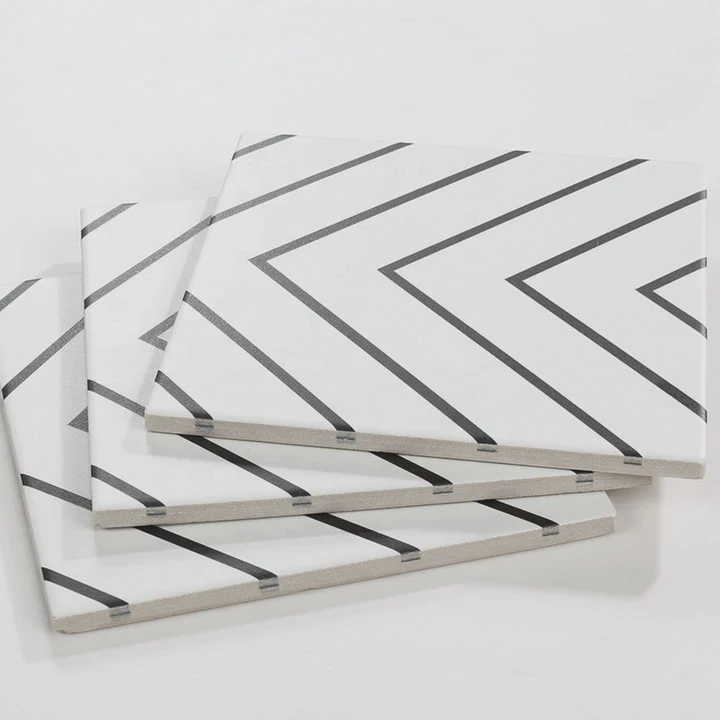
Shower corners are one of the most difficult areas in tile installation. Poor corner work can create uneven lines, water problems, and an unfinished appearance.
The best way to tile shower corners is to create accurate cuts, use proper waterproofing methods, and choose suitable corner finishing solutions. A well-installed corner improves both the beauty and durability of the shower.
When I look at a shower project, I always pay close attention to the corners. The walls may look perfect from a distance, but small mistakes in corner areas become very noticeable. The corner is where different surfaces meet, so it needs careful planning and accurate installation.
Many tile problems do not start from the tile itself. They start from poor preparation, weak waterproofing, or incorrect corner treatment. A shower corner must handle daily water exposure, temperature changes, and regular cleaning. A good installation needs both technical skills and attention to detail.
What techniques ensure clean tile corners?
Clean shower tile corners require accurate measurements, straight cuts, proper tile alignment, and careful finishing methods. Good corner results come from planning the layout before installing the first tile.
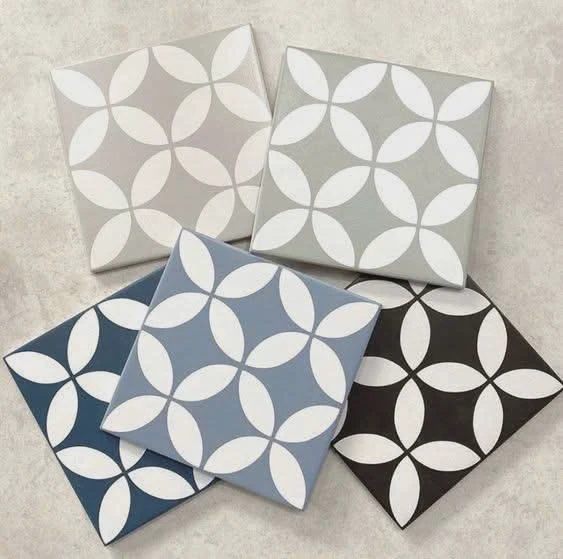
A shower corner can quickly show installation mistakes because two tile surfaces meet in a small space. If one side is slightly uneven, the entire corner can look wrong. This is why experienced installers spend more time preparing corners before placing tiles.
The first step is creating a clear tile layout. The installer needs to decide where tile cuts will appear and how the corner lines will connect. A good layout can reduce small tile pieces and create a balanced appearance.
Important techniques for better shower corners
| Technique | Purpose | Result |
|---|---|---|
| Accurate measurement | Prevent wrong cuts | Better tile alignment |
| Dry tile placement | Check the layout before fixing | Fewer installation mistakes |
| Proper tile cutting | Create clean edges | Professional appearance |
| Consistent spacing | Keep grout lines straight | Better visual quality |
One common method is using mitered corners. A mitered corner means the tile edges are cut at an angle, usually around 45 degrees, so two tiles meet together with a sharp corner line. This method creates a high-end appearance because the corner looks smooth and continuous.
However, miter cuts require skill. If the angle is not accurate, the corner may have gaps or uneven edges. The tile material also matters because some tiles are easier to cut than others.
Another technique is using edge profiles or trim pieces. These products create a finished edge without requiring complex tile cuts. They are popular because they provide protection and create a clean design line.
Planning tile direction
The tile direction also affects corner appearance. Large format tiles often need careful planning because fewer grout lines mean every alignment mistake becomes easier to notice.
For example, when installing 600x1200mm tiles, the installer needs to check both vertical and horizontal alignment. A small mistake in the first row can affect the entire wall.
I believe good corner work starts before installation begins. Measuring, planning, and checking the design first can prevent many problems later.
How do you waterproof shower corners properly?
Shower corners need waterproofing because they are high-risk areas where water can enter behind tiles. Proper waterproof membranes, corner seals, and correct installation methods help prevent moisture damage.
A shower corner faces more water exposure than many other areas in a home. Water can move through small gaps, cracks, or weak joints. If moisture reaches the wall structure behind the tile, it can create serious problems over time.
Tile and grout create the visible surface, but they are not the complete waterproof system. The waterproof layer behind the tile provides the main protection.
Common shower waterproofing methods
| Waterproofing Method | Advantages | Common Use |
|---|---|---|
| Sheet membrane | Reliable waterproof barrier | Modern shower systems |
| Liquid membrane | Easy application on complex areas | Custom shower projects |
| Waterproof tape | Seals joints and corners | Connection areas |
The corners require special attention because two waterproof surfaces meet together. The installer must make sure there are no weak points where water can pass through.
Steps for waterproof corner protection
A proper waterproof corner usually includes:
- Preparing the wall surface
- Installing the waterproof membrane
- Sealing corner joints
- Checking for gaps
- Allowing proper drying time
Many installation failures happen because waterproofing is rushed. Some people focus on the visible tile surface and ignore the layers behind it. However, a beautiful shower can still fail if the waterproof system is weak.
Why corner waterproofing needs extra care
Corners experience movement because different wall sections can expand and contract at different rates. This movement may create stress on the tile and grout.
A strong waterproof system helps protect the structure even when small movements happen. It creates a safer environment for the tile installation.
I always recommend treating waterproofing as the foundation of the shower. The tile design is important, but the hidden protection system determines how long the shower can perform well.
Why use trim or profiles in corners?
Trim and profiles are used in shower corners because they create clean edges, protect tile surfaces, and improve the overall appearance of the installation. They also reduce the difficulty of creating perfect tile cuts.
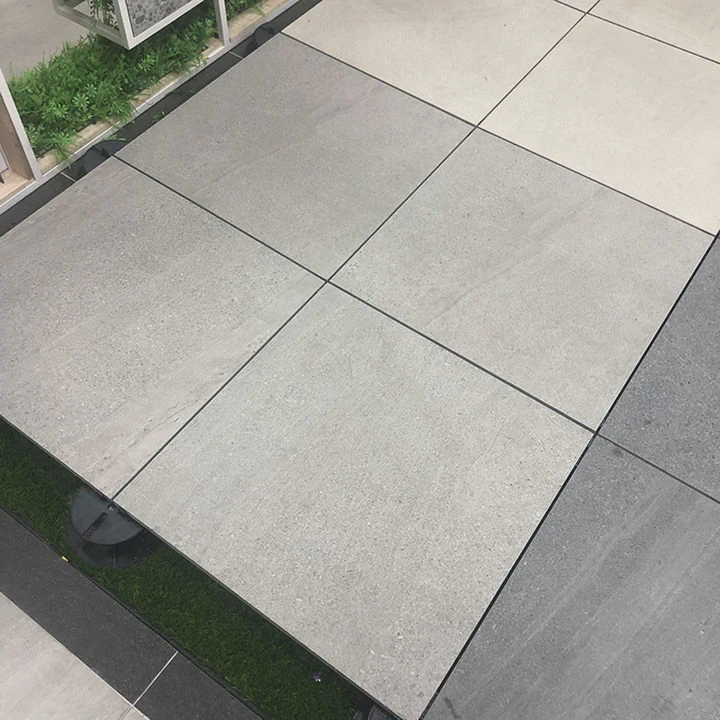
Many modern shower designs use metal profiles because they create a simple and professional finish. These profiles are available in different colors and shapes, so they can match many interior styles.
A corner profile works as a transition piece between tile surfaces. It covers exposed tile edges and creates a straight visual line.
Benefits of corner profiles
Corner profiles provide several advantages:
- They protect tile edges from damage
- They create consistent corner lines
- They reduce cutting difficulty
- They improve design quality
- They provide long-term edge protection
| Corner Solution | Appearance | Installation Difficulty |
|---|---|---|
| Mitered tile corner | Premium and seamless | High |
| Metal profile | Modern and clean | Medium |
| Rounded trim | Soft appearance | Medium |
| Grout-only corner | Simple but less durable | Low |
Profiles are especially useful for homeowners and contractors who want reliable results. They reduce the chance of damaged tile edges and create a finished look.
Choosing the right profile style
The profile material and color should match the shower design. Stainless steel, black finishes, and brushed metal options are popular in modern bathrooms.
The size of the profile also matters. A profile that is too large can become visually distracting. A profile that is too small may not provide enough protection.
The best choice depends on the tile thickness, shower style, and expected use. Large tiles often look good with simple and narrow profiles because they maintain a clean design.
Profiles are not only decorative
Some people think trims are only for appearance. In reality, they also provide functional benefits. They protect exposed edges and reduce the chance of chipping.
This is especially important for ceramic and porcelain tiles. Even strong tiles can experience edge damage when exposed to impact.
I see profiles as a practical design tool. They help installers create better corners while giving homeowners a cleaner and more durable shower surface.
Can grout alone secure corner tiles?
Grout alone cannot properly secure corner tiles because grout is designed to fill gaps, not hold tiles in place. Corner tiles need strong adhesive, proper support, and correct installation methods.
Grout plays an important role in tile installation, but its purpose is often misunderstood. Grout fills spaces between tiles and improves appearance. It also helps prevent dirt and moisture from collecting between tile joints.
However, grout is not a replacement for tile adhesive. It does not create enough bonding strength to keep tiles attached to the wall.
The correct role of grout
Grout helps with:
- Filling tile joints
- Creating a finished surface
- Improving cleaning performance
- Supporting visual consistency
Grout does not provide:
- Main tile attachment
- Waterproof protection by itself
- Structural support
- Replacement for tile adhesive
When corner tiles are installed, the main support comes from the tile adhesive behind the tile. The wall preparation, adhesive coverage, and installation pressure determine how well the tile stays in place.
Why grout-only solutions fail
Using grout as the main support can create several problems:
- Loose tiles
- Cracked grout lines
- Water penetration
- Poor corner appearance
Corners are already areas with higher stress. When the shower experiences movement or temperature changes, weak corner support can create visible damage.
Better corner installation process
A reliable corner installation usually follows these steps:
- Prepare and waterproof the wall
- Apply suitable tile adhesive
- Place tiles with correct alignment
- Maintain proper gaps
- Apply grout or flexible sealant after curing
For shower corners, many professionals also use flexible silicone sealant instead of traditional grout in movement areas. Silicone can handle small movements better and helps reduce cracking.
My view on long-term shower quality
A shower corner should be built as a complete system. The tile, adhesive, waterproof layer, and finishing materials all work together.
A beautiful corner is not only about appearance. It also needs to resist water, movement, and daily use. When each layer receives proper attention, the shower can maintain its quality for many years.
Conclusion
Clean shower tile corners require careful planning, strong waterproofing, and the right finishing method. Trim, profiles, adhesive, and proper sealing all help create corners that look professional and last longer.