How to Build an Outdoor Tile Patio on a Hill?
- Sinotiles
- 2026-04-17
Building a patio on a hill feels risky. Tiles may shift. Water may collect. The ground may move over time. Many projects fail because the slope is not handled correctly.
An outdoor tile patio on a hill requires proper grading, strong base preparation, effective drainage, durable materials, and structural support to ensure long-term stability.
A sloped area is not a problem if it is managed well. With the right system, a hillside patio can be strong, safe, and visually appealing.
What preparation is required for sloped patio tiling?
Many patio failures start with poor ground preparation. A hill adds more complexity because gravity affects everything.
Preparation for sloped patio tiling includes grading the slope, compacting the soil, building a stable base, and creating a level surface for tile installation.

Preparation is the most important stage. A strong base controls movement and prevents future problems.
Step-by-Step Ground Preparation
1. Assess the Slope
Measure the angle of the hill. Steeper slopes require more structural work.
Understanding the slope helps plan drainage and support systems.
2. Excavate the Area
Remove loose soil and organic material. These materials are unstable.
Dig deep enough to create space for base layers.
3. Compact the Soil
Loose soil shifts over time. Compaction reduces this risk.
Use mechanical compactors for best results.
4. Build a Base Layer
A strong base usually includes:
- Crushed stone or gravel
- Sand layer for leveling
Typical Base Structure
| Layer | Function |
|---|---|
| Subgrade soil | Foundation |
| Crushed stone | Drainage and strength |
| Sand layer | Leveling surface |
Each layer has a purpose. Skipping one weakens the system.
Creating a Level Surface
Even on a hill, the tile surface must feel level or slightly sloped for drainage.
Use guides and levels to maintain consistency.
Common Preparation Mistakes
- Poor soil compaction
- Uneven base layers
- Ignoring slope direction
These issues lead to tile movement and cracking.
Practical Insight
In many hillside projects, extra time spent on preparation reduces long-term maintenance.
A stable base is the foundation of success.
How do you ensure proper drainage on a hill?
Water is the biggest enemy of outdoor tile patios. On a hill, water moves fast and can damage the structure.
Proper drainage is ensured by designing slope direction, installing drainage layers, and using systems that guide water away from the patio.

Drainage must be planned before installation. It cannot be fixed easily later.
Key Drainage Principles
1. Control Surface Slope
The patio should have a slight slope away from structures.
This allows water to flow off naturally.
2. Use Drainage Layers
Gravel layers allow water to pass through instead of collecting.
3. Install Drainage Systems
For larger patios, consider:
- French drains
- Drain pipes
- Channel drains
Drainage System Comparison
| System | Best Use |
|---|---|
| Gravel base | General drainage |
| French drain | Heavy water flow areas |
| Channel drain | Surface water control |
Avoid Water Pooling
Flat surfaces trap water. Even a small slope improves drainage.
Directing Water Flow
Water should always move away from:
- Buildings
- Patio edges
- Retaining walls
Common Drainage Problems
- Incorrect slope direction
- Blocked drainage paths
- Insufficient gravel layer
Each problem increases water damage risk.
Real-World Experience
In outdoor projects, drainage issues often appear after heavy rain. A well-designed system prevents costly repairs.
Which materials support outdoor tile durability?
Outdoor patios face harsh conditions. Sun, rain, and temperature changes affect materials.
Durable outdoor tile patios require weather-resistant tiles, strong adhesives, and stable base materials that can withstand environmental stress.
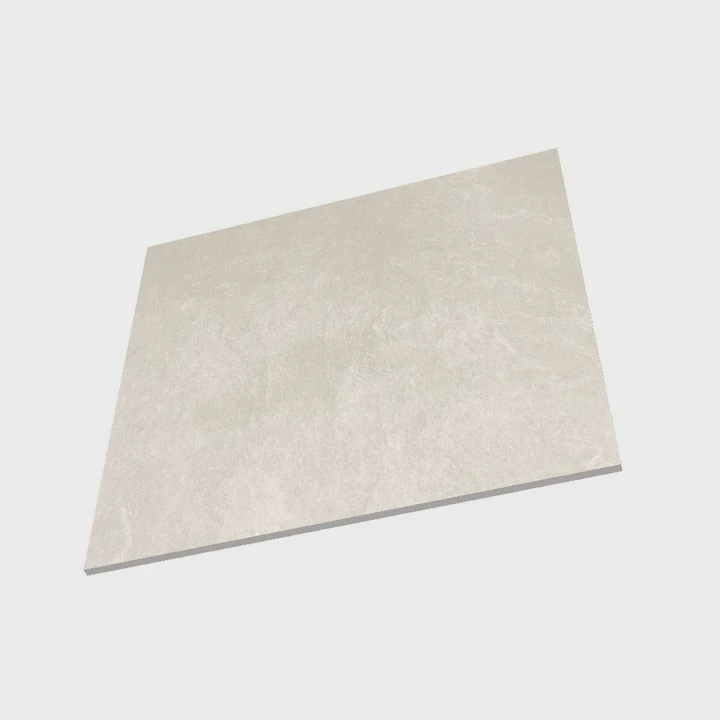
Material selection determines how long the patio will last.
Best Tile Options
1. Porcelain Tiles
- Low water absorption
- High strength
- Frost resistant
These are ideal for outdoor use.
2. Natural Stone
- Strong and attractive
- Requires sealing
Supporting Materials
| Material | Role |
|---|---|
| Exterior thin-set | Bonds tile securely |
| Grout (flexible) | Handles movement |
| Waterproof layer | Protects structure |
Why Porcelain Is Preferred
Porcelain is dense. It resists water and temperature changes.
This reduces cracking and wear.
Adhesive Considerations
Outdoor adhesives must handle:
- Temperature changes
- Moisture exposure
Standard indoor adhesives are not suitable.
Surface Finish
Choose textured tiles for slip resistance. Safety is important for outdoor areas.
Practical Insight
In many export projects, outdoor tiles must meet strict durability standards. Choosing the right materials reduces maintenance and increases lifespan.
Can retaining structures stabilize tile patios?
On a hill, gravity causes soil movement. Without support, the patio may shift over time.
Yes, retaining structures such as retaining walls and edge restraints can stabilize tile patios by holding soil in place and preventing erosion.

Structural support is essential for hillside patios.
Types of Retaining Structures
1. Retaining Walls
These hold back soil and create level areas.
Materials include:
- Concrete
- Stone
- Blocks
2. Edge Restraints
These keep base materials and tiles in place.
3. Terracing
Breaking the slope into levels reduces pressure.
Retaining Structure Comparison
| Structure | Function |
|---|---|
| Retaining wall | Holds soil and creates level |
| Edge restraint | Prevents lateral movement |
| Terracing | Reduces slope pressure |
Design Considerations
- Height of slope
- Soil type
- Water flow
Each factor affects design choices.
Preventing Soil Erosion
Erosion weakens the base. Retaining structures reduce this risk.
Combining Systems
Often, multiple systems are used together. For example, retaining walls with drainage systems.
Real-World Insight
In hillside projects, lack of structural support is a major cause of failure. Proper retaining systems ensure long-term stability.
Conclusion
Building a tile patio on a hill requires careful preparation, effective drainage, durable materials, and strong retaining structures. When these elements work together, the patio becomes stable, safe, and long-lasting.