How to cut ceiling tile?
- Sinotiles
- 2026-03-26
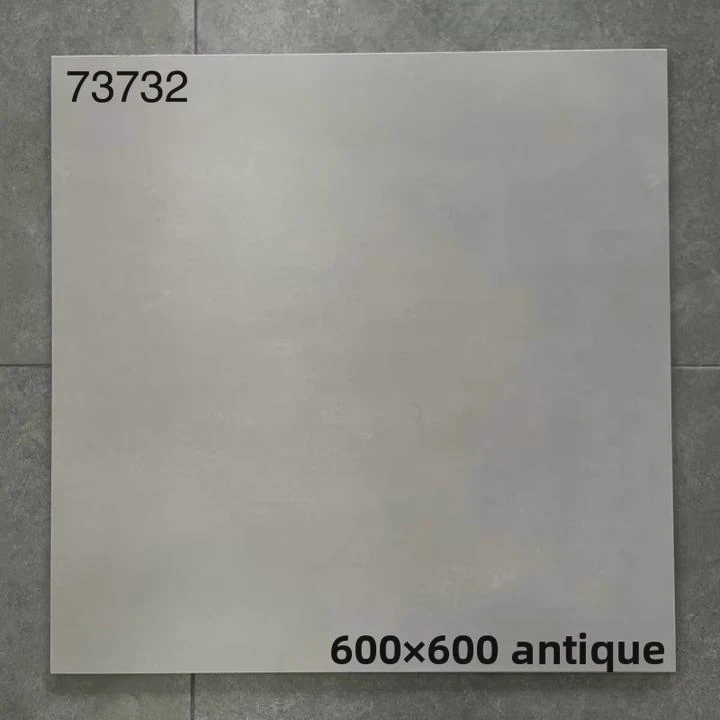
Ceiling tile cutting often feels tricky. Tiles crack, edges look rough, and mistakes waste money. Many buyers and installers face this problem on real projects.
Cutting ceiling tiles is simple when the right tools, correct measurements, and proper techniques are used. Clean cuts depend on sharp tools, stable handling, and careful marking before cutting.
Many clients have asked about this during projects. So here, I will break it down step by step in a clear and practical way.
What tools are best for ceiling tile cutting?
Many people start cutting tiles with random tools. That often leads to rough edges or broken pieces. This wastes time and increases cost.
The best tools for cutting ceiling tiles are utility knives, tile cutters, and fine-tooth saws. The choice depends on the tile material and thickness.
When selecting tools, it is important to understand the type of ceiling tile. Different materials require different cutting approaches.
Common tools and their uses
| Tool Type | Best For | Advantages | Limitations |
|---|---|---|---|
| Utility knife | Mineral fiber tiles | Cheap, easy, precise | Not for hard tiles |
| Fine-tooth saw | Gypsum or PVC tiles | Smooth edges | Requires more control |
| Tile cutter | Hard or thick tiles | Straight cuts | Less flexible for shapes |
| Hole saw | Light fixtures or vents | Clean circular cuts | Needs drill |
Why tool selection matters
In many export projects, especially for large-scale commercial ceilings, tool selection directly affects installation speed. A wrong tool slows down workers and increases tile waste.
For example, mineral fiber ceiling tiles are soft. A sharp utility knife works best. But for gypsum ceiling tiles, a knife may not be enough. A fine-tooth saw gives cleaner results.
Practical insight from real projects
In one hotel project, workers used dull blades. The result was chipped edges and visible gaps. After switching to sharp blades and proper tools, cutting quality improved immediately.
Key tips for choosing tools
- Always use sharp blades
- Match tool with tile hardness
- Prepare backup tools for large projects
- Avoid forcing cuts with wrong tools
Choosing the right tool is not just about cutting. It directly affects final ceiling appearance and customer satisfaction.
How to measure ceiling tiles accurately?
Incorrect measurement is one of the biggest problems in ceiling installation. Even small errors can lead to gaps or wasted tiles.
Accurate ceiling tile measurement requires careful marking, double-checking dimensions, and allowing space for grid fitting.

Measurement is not just about length and width. It also involves understanding the ceiling grid system.
Basic measurement steps
- Measure the opening space
- Subtract necessary clearance
- Mark cutting lines clearly
- Double-check before cutting
Standard tile sizes reference
| Tile Size (mm) | Common Use Area | Notes |
|---|---|---|
| 600×600 | Offices, commercial | Most common size |
| 600×1200 | Large spaces | Fewer joints |
| 300×600 | Decorative layouts | More flexible design |
| 1200×1200 | High-end projects | Requires precise cutting |
Why measurement errors happen
Many installers rush this step. They assume all grid spaces are equal. In reality, walls are rarely perfectly straight.
This causes edge tiles to require custom cuts. If measurement is wrong, tiles will not fit properly.
Real-world experience
In one project, edge tiles were cut based on a single measurement. But the wall was uneven. Half of the tiles had to be redone.
After that, the team measured each section separately. This reduced waste and improved fitting accuracy.
Practical tips for accurate measurement
- Always measure twice
- Use a steel ruler or measuring tape
- Mark with a pencil, not a marker
- Check grid alignment before cutting
Important detail: tolerance
Tiles should not be cut too tight. Leave a small gap to allow easy placement into the ceiling grid. This improves installation efficiency.
Accurate measurement is the foundation of clean cutting. Without it, even the best tools cannot fix mistakes.
Can ceiling tiles be cut with a knife?
Many buyers and installers ask this simple question. The answer depends on the tile material.
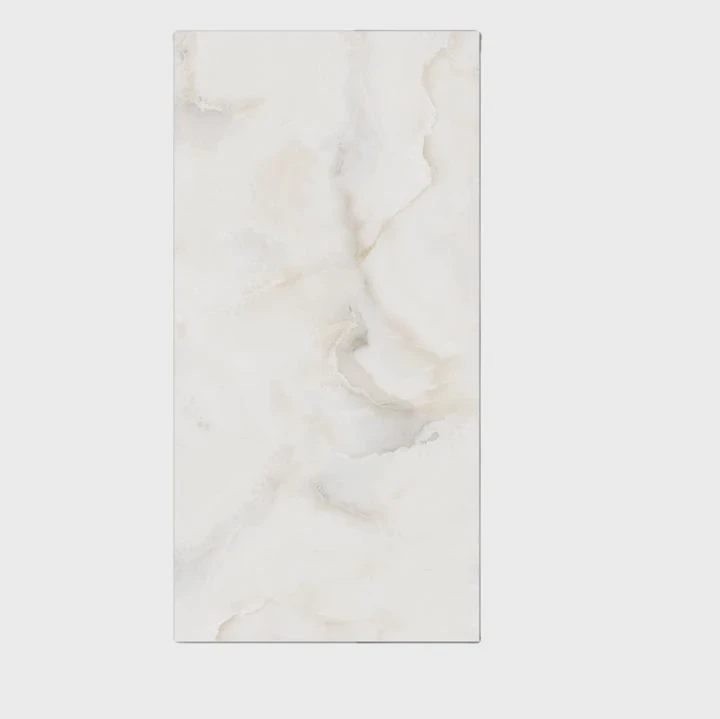
Yes, ceiling tiles can be cut with a knife if they are soft materials like mineral fiber or PVC. Harder tiles require stronger tools.
When a knife works well
A utility knife is ideal for:
- Mineral fiber ceiling tiles
- PVC ceiling tiles
- Thin decorative panels
These materials are soft and easy to score and snap.
Cutting method with a knife
- Mark the cutting line
- Place a straight edge ruler
- Score the surface firmly
- Repeat scoring if needed
- Snap the tile along the line
Why scoring is important
Many beginners try to cut through in one pass. That leads to uneven edges.
Scoring creates a guide line. It ensures a clean break and better accuracy.
When a knife is not enough
Knife cutting is not suitable for:
- Gypsum ceiling tiles
- Cement-based tiles
- Thick or high-density panels
In these cases, forcing a knife will damage the tile surface.
Comparison of knife vs other tools
| Factor | Knife Cutting | Saw Cutting |
|---|---|---|
| Speed | Fast | Moderate |
| Precision | High (soft tiles) | High (hard tiles) |
| Material range | Limited | Wide |
| Skill level | Easy | Requires control |
Practical advice from projects
In many export orders, clients prefer mineral fiber tiles because they are easy to cut with a knife. This reduces labor cost.
However, for high-end commercial projects, harder tiles are used. In those cases, a knife alone is not enough.
Safety tips
- Always use a sharp blade
- Cut on a flat surface
- Keep fingers away from cutting line
Knife cutting is simple, but only when used correctly. Choosing the right situation is key.
How to avoid breaking ceiling tiles when cutting?
Breaking tiles during cutting is a common issue. It leads to waste and delays.
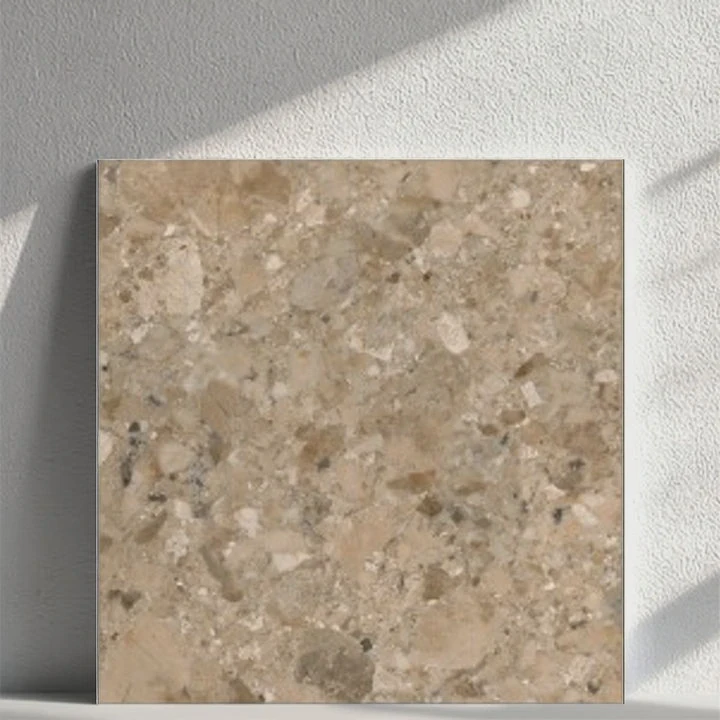
To avoid breaking ceiling tiles, use sharp tools, apply even pressure, and support the tile properly during cutting.
Main reasons tiles break
- Dull blades
- Too much force
- Poor support under tile
- Incorrect cutting angle
Proper cutting technique
The tile must be stable during cutting. Any movement increases the chance of cracks.
Step-by-step safe cutting
- Place tile on flat surface
- Support both sides of cut line
- Use steady and even pressure
- Avoid rushing the cut
- Finish edges gently
Importance of support
Many installers cut tiles while holding them in the air. This creates uneven pressure.
A flat working table prevents stress concentration and reduces breakage.
Real project example
During one warehouse project, workers cut tiles on uneven ground. Breakage rate was very high.
After switching to a proper cutting table, damage dropped significantly.
Edge handling tips
Edges are the weakest part of ceiling tiles. Careless handling leads to chipping.
- Do not press too hard near edges
- Use smooth cutting motion
- Handle tiles gently after cutting
Storage and preparation
Tiles should be stored properly before cutting.
- Keep them dry
- Avoid stacking too high
- Let tiles adjust to room temperature
These factors affect tile strength and cutting performance.
Key takeaway practices
- Always use sharp tools
- Work on stable surfaces
- Cut slowly and evenly
- Never rush the process
Avoiding breakage is not difficult. It just requires attention to detail and correct habits.
Conclusion
Cutting ceiling tiles becomes easy with the right tools, accurate measurement, and proper technique. Clean cuts improve installation speed, reduce waste, and ensure a professional final look.