How to Cut Tile on Wall?
- Sinotiles
- 2026-05-12
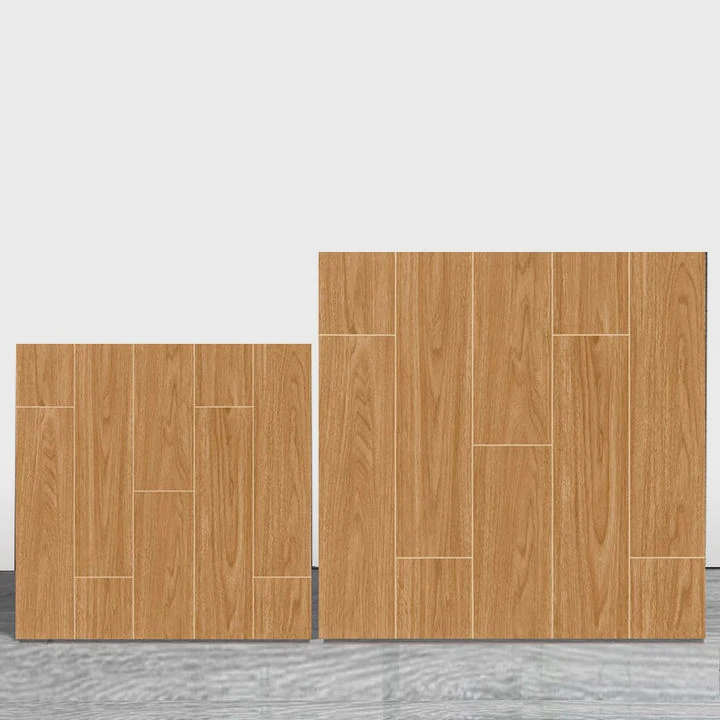
Cutting wall tiles can be frustrating if done wrong. Broken edges or cracked tiles ruin the look instantly.
The key to cutting wall tiles successfully is using the right tools and techniques that prevent damage and ensure precise results.
Learning the right approach avoids costly mistakes and saves time during renovation or repair.
What tools are best for cutting installed wall tiles?
Choosing the right tools is essential to avoid cracking or chipping. Hand tools, electric cutters, and specialty devices all have their uses.
For cutting installed wall tiles, a combination of manual and power tools often gives the best results while minimizing damage.
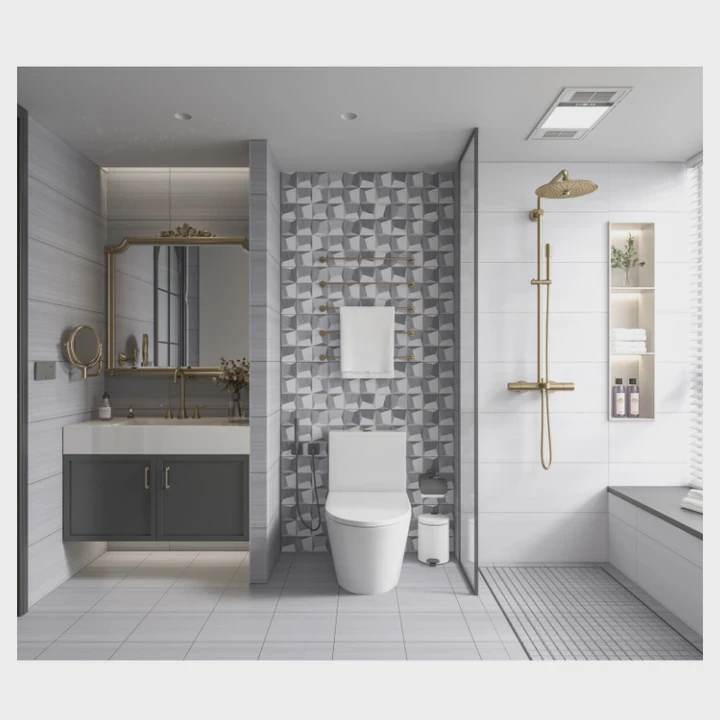
Tools Overview
| Tool Type | Description | Pros | Cons |
|---|---|---|---|
| Manual Tile Nippers | Small pliers that bite off pieces | Cheap, easy for small adjustments | Not ideal for straight long cuts |
| Tile Cutter (Score & Snap) | Scores the surface then snaps | Precise, minimal dust | Limited to thinner tiles |
| Electric Wet Saw | Circular blade with water cooling | Very clean, straight cuts | Expensive, requires setup |
| Angle Grinder | Rotary cutting with diamond blade | Flexible, curves and corners | Risk of dust and chipping |
| Rotary Tool | Small blade for detailed work | Good for curves and small areas | Slow for large tiles |
Choosing Tools
Start by considering tile material. Porcelain is hard and brittle, so power tools work best. Ceramic tiles are easier, so manual cutters may suffice. Always test on a spare tile if possible. Safety gear like gloves and goggles is essential.
Workflow Tips
- Mark the cut line clearly using a pencil or marker.
- Support the tile to prevent cracking under pressure.
- Start with smaller cuts or shallow scoring before going deeper.
- Use a straightedge to guide cuts for straight lines.
This ensures you can handle most cuts without damaging surrounding tiles or creating jagged edges.
How do you avoid damaging surrounding tiles?
Breaking neighboring tiles is a common issue. Careful preparation and the right technique prevent this problem.
Avoiding damage means controlling pressure, choosing correct tools, and stabilizing the wall before cutting.
Steps to Protect Neighboring Tiles
- Clear the workspace of dust and debris.
- Apply painter’s tape along edges to reduce chipping.
- Hold the tile firmly on both sides during cutting.
- Start cuts slowly to prevent sudden cracks.
- For small adjustments, use tile nippers carefully.
Critical Factors
Pressure Control
Too much pressure can crack adjacent tiles. Always apply gentle, even force. Gradually increase pressure when cutting thick or hard tiles.
Stabilization
Make sure the wall surface is solid. Wobbly tiles can break more easily. If tiles are loose, remove or support them before cutting.
Edge Protection
Use masking tape on the cut line. This reduces chipping by holding surface fragments in place. It also helps in visual guidance for precise cuts.
Example Table for Damage Prevention
| Action | Benefit | Tip |
|---|---|---|
| Painter’s Tape | Reduces chipping | Apply along cut line |
| Firm Support | Prevents tile vibration | Hold tiles on both sides |
| Slow Scoring | Reduces sudden cracks | Do multiple passes if needed |
| Test Cut | Minimizes mistakes | Use spare tile first |
By following these steps, cuts can be made safely with minimal risk to surrounding tiles, even for large or irregular cuts.
Which techniques ensure precise cuts in place?
Precision is key, especially for tiles around fixtures or corners. Proper technique reduces errors and ensures alignment.
Techniques like scoring, shallow cutting, and incremental adjustments ensure accurate cuts without removing tiles from the wall.
Techniques for Accuracy
Scoring and Snapping
Score the tile along the desired line with a manual cutter or rotary tool. Snap gently after scoring. Works best for thin or medium ceramic tiles.
Incremental Cutting
Cut slowly in layers rather than forcing through at once. Gradual depth control prevents cracks and allows for adjustment.
Use of Guides
A straightedge or a small level helps maintain straight cuts. Clamp guides can prevent slipping during scoring.
Measuring and Marking
- Measure twice, cut once. Double-check measurements before starting.
- Mark the cut line clearly using a pencil or fine marker.
- For curves, use a template to trace the exact shape.
Adjustments and Finishing
Once cut, smooth edges using a rubbing stone or fine sandpaper. Small nicks and uneven edges are less noticeable after smoothing.
Example Table for Precision Techniques
| Technique | Best Use | Tip |
|---|---|---|
| Score & Snap | Straight cuts | Multiple shallow passes |
| Incremental Cutting | Thick tiles | Gradually increase depth |
| Straightedge Guide | Long lines | Clamp to prevent slippage |
| Templates | Curves & shapes | Use cardboard or plastic |
These methods allow precise cutting of tiles on the wall without removing the entire surface or risking alignment issues.
Can angle grinders improve cutting results?
Angle grinders can be versatile when used correctly. They handle curves, corners, and thick tiles that are hard to score.
Using an angle grinder with a diamond blade can make difficult cuts easier and more precise when proper control is applied.
Advantages of Angle Grinders
- Can cut thick and hard tiles that manual tools cannot.
- Allows curved cuts and notches.
- Wet or dry cutting reduces dust and improves blade life.
Tips for Safe Use
- Use a diamond blade designed for tiles.
- Hold the grinder steadily with both hands.
- Keep a slow, steady pace to avoid chipping.
- Wear protective gear to prevent injuries and inhalation of dust.
Step-by-Step Method
- Mark the cut line clearly.
- Clamp or support the tile to prevent movement.
- Score along the line with light pressure first.
- Gradually cut deeper, maintaining control.
- Finish with a rubbing stone to smooth edges.
Considerations
Angle grinders are more aggressive than manual tools, so beginner users should practice first. Dust control and safety goggles are essential. In some cases, wet saws or manual cutters might produce cleaner results for straight cuts, but grinders excel in curves and irregular shapes.
Example Table for Angle Grinder Usage
| Step | Purpose | Tip |
|---|---|---|
| Mark Line | Accuracy | Use pencil or marker |
| Support Tile | Prevent cracking | Hold firmly on both sides |
| Light Score | Prevent sudden break | Multiple shallow passes |
| Deep Cut | Complete the cut | Gradually increase pressure |
| Smooth Edges | Finish | Use rubbing stone or sandpaper |
By mastering angle grinder techniques, even complex cuts on installed tiles can be executed efficiently without damaging surrounding areas.
Conclusion
Cutting wall tiles is manageable with the right tools, careful preparation, and precise techniques. Using appropriate cutters, protecting edges, and mastering incremental cutting ensures professional results every time.