How to Deep Clean Ceramic Tile Floors?
- Sinotiles
- 2026-04-14
Dirty tiles make any space look old and dull. Many people mop often, yet stains and buildup still stay. This can be frustrating and time-consuming.
Deep cleaning ceramic tile floors requires strong cleaners, proper tools, and the right steps. Removing buildup, scrubbing grout, and sealing surfaces will restore shine and extend floor life.
A simple mop is not enough for long-term results. Real cleaning goes deeper. Let’s break down each part so the process becomes clear and effective.
What cleaners remove heavy buildup from ceramic tiles?
Stubborn grime can stay even after daily cleaning. Grease, soap residue, and dirt slowly build up. Over time, tiles lose their shine and feel rough.
Strong alkaline cleaners, acidic solutions for mineral deposits, and specialized tile cleaners can effectively remove heavy buildup from ceramic tiles. Choosing the right cleaner depends on the type of stain.
Types of cleaners and when to use them
Different stains need different solutions. Using the wrong cleaner may damage the surface or fail to remove buildup.
| Cleaner Type | Best For | Notes |
|---|---|---|
| Alkaline cleaners | Grease, oil, soap residue | Common in kitchens |
| Acidic cleaners | Mineral deposits, hard water | Use carefully on grout |
| Neutral cleaners | Light dirt and maintenance | Safe for daily use |
| Tile-specific | Mixed buildup | Balanced and effective |
Why buildup happens
Heavy buildup forms slowly. It is not from one single cause.
Common causes:
- Soap residue from mopping
- Hard water stains
- Cooking grease
- Dirt trapped in texture
Each layer adds up. That is why normal cleaning stops working.
How to apply cleaners correctly
Using a strong cleaner is not enough. The method matters.
Step-by-step approach:
- Sweep or vacuum first
- Apply cleaner evenly
- Let it sit for 5–10 minutes
- Scrub gently
- Rinse with clean water
Letting the cleaner sit is key. It breaks down buildup before scrubbing.
Mistakes to avoid
Many people rush the process. This reduces results.
- Do not mix chemicals
- Avoid overusing acidic cleaners
- Do not skip rinsing
- Never use harsh tools that scratch tiles
A careful method always works better than aggressive cleaning.
How do you clean grout lines deeply and effectively?
Grout lines are often the dirtiest part of tile floors. They absorb dirt easily and turn dark over time. Regular mopping does not reach deep into grout.
Deep grout cleaning requires targeted scrubbing, proper cleaning solutions, and sometimes steam or professional-grade methods to remove embedded dirt.
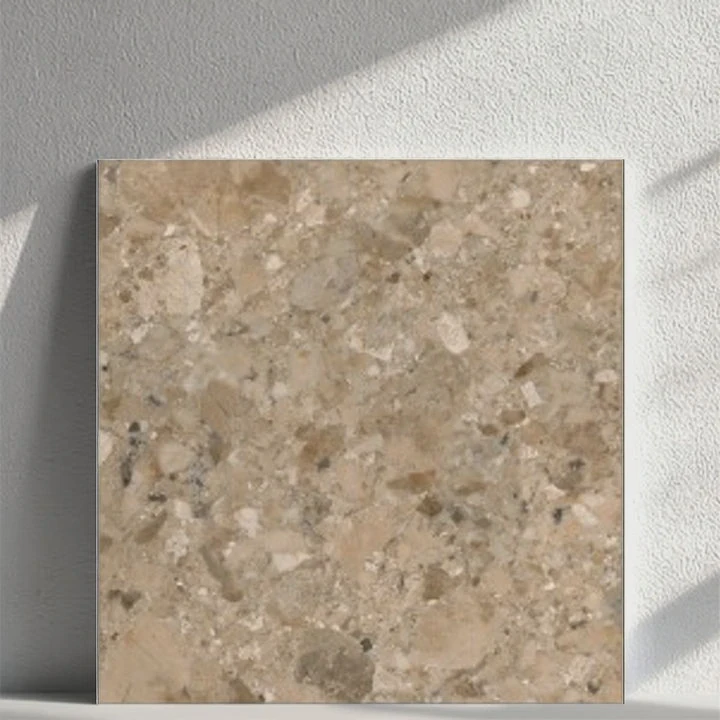
Why grout gets so dirty
Grout is porous. This means it absorbs liquids and dirt.
Main reasons:
- Dust and debris settle into pores
- Spills soak in quickly
- Mold can grow in damp areas
This makes grout harder to clean than tiles.
Best cleaning solutions for grout
Some solutions work better than others.
| Solution Type | Effectiveness | Best Use Case |
|---|---|---|
| Baking soda paste | Medium | Light stains |
| Vinegar solution | Medium | Mild buildup |
| Oxygen bleach | High | Deep stains |
| Commercial cleaner | Very high | Heavy grime |
Oxygen bleach is often the best balance of safety and power.
Deep cleaning process
Cleaning grout takes more effort than cleaning tiles.
Step-by-step method:
- Apply cleaning solution directly to grout
- Let it sit for 10–15 minutes
- Scrub with a stiff brush
- Rinse thoroughly
- Repeat if needed
Patience is important. One pass may not be enough.
Advanced cleaning methods
Sometimes basic cleaning is not enough.
Consider these options:
- Steam cleaners for deep penetration
- Electric brushes for faster scrubbing
- Professional cleaning services for large areas
Steam cleaning is especially effective. It lifts dirt without harsh chemicals.
Common mistakes
- Using metal brushes that damage grout
- Skipping rinse step
- Not drying after cleaning
Clean grout should look even and bright. If it still looks patchy, it needs another round.
Which tools improve deep cleaning results?
Even the best cleaner will not work well without the right tools. Many people rely only on mops, which are not enough for deep cleaning.
Using specialized tools like scrub brushes, steam cleaners, and floor machines greatly improves cleaning results and reduces effort.
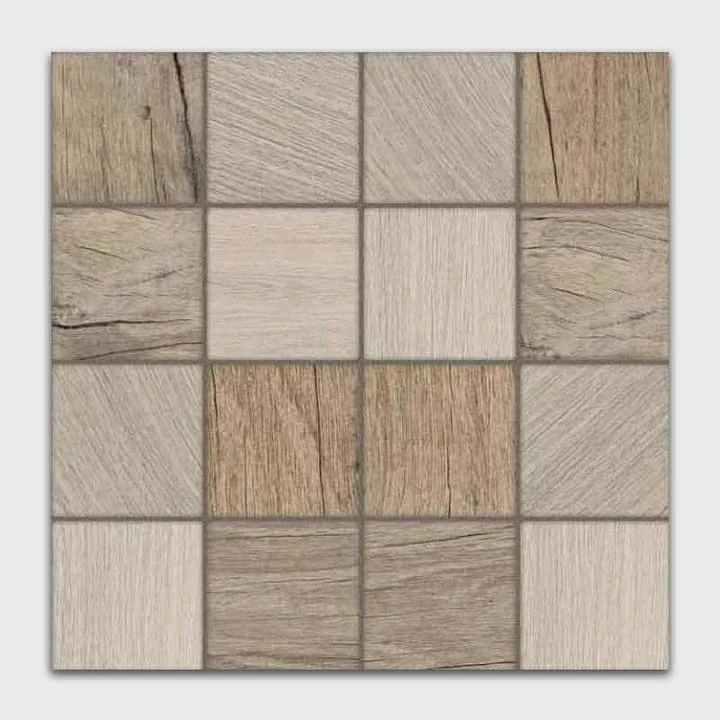
Essential cleaning tools
Each tool has a role. Combining them gives the best result.
Basic tools:
- Microfiber mop
- Bucket with clean water
- Soft scrub brush
Advanced tools:
- Electric scrubber
- Steam cleaner
- Wet vacuum
Tool comparison
| Tool Type | Efficiency | Best For |
|---|---|---|
| Manual brush | Medium | Small areas, grout |
| Electric scrubber | High | Large floors |
| Steam cleaner | Very high | Deep cleaning, sanitation |
| Wet vacuum | High | Removing dirty water |
Why tools matter
Cleaning is not only about chemicals. Physical action removes dirt.
Key benefits:
- Better reach into grout lines
- Faster cleaning time
- Less physical effort
- More consistent results
Using the wrong tool often leads to uneven cleaning.
How to choose the right tool
It depends on the project size and dirt level.
Small residential space:
Manual tools are enough.
Medium area:
Electric scrubbers save time.
Large commercial space:
Use machines like floor scrubbers and wet vacuums.
Practical insight
In many projects, switching from manual brushing to electric tools cuts cleaning time in half. It also improves consistency, especially for large tile formats.
Can sealing help maintain cleaned tile floors?
After deep cleaning, floors look fresh again. But without protection, dirt will return quickly. Many people skip sealing, which leads to repeated heavy cleaning.
Sealing tile and grout creates a protective barrier that prevents dirt absorption, making future cleaning easier and more effective.
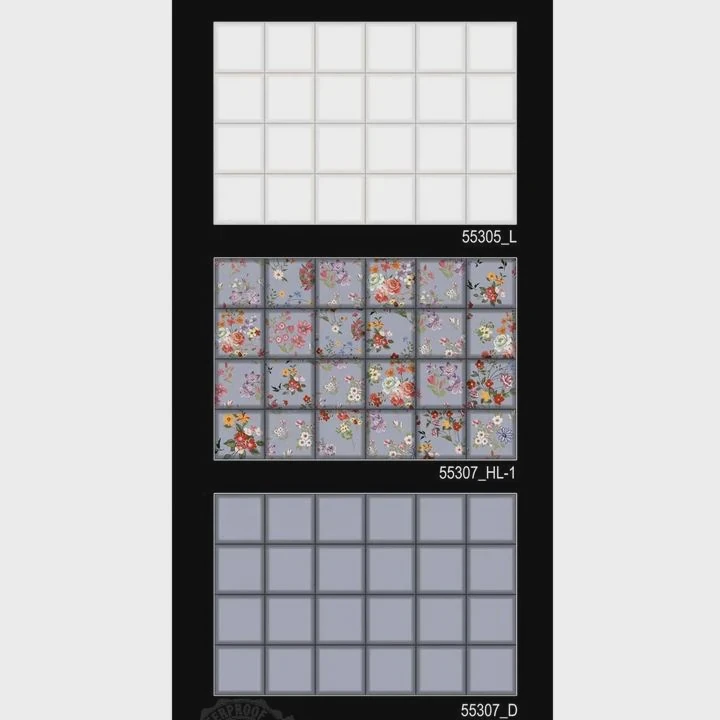
What sealing does
Sealing mainly protects grout, not always the tile itself.
Benefits:
- Prevents water absorption
- Reduces staining
- Makes cleaning easier
- Extends floor life
Types of sealers
Different sealers serve different purposes.
| Sealer Type | Use Case | Durability |
|---|---|---|
| Penetrating sealer | Grout protection | Long-lasting |
| Surface sealer | Tile surface protection | Medium |
| Enhancing sealer | Adds color depth | Decorative use |
Penetrating sealers are most common for grout.
When to apply sealer
Timing is important.
Best practice:
- Apply after deep cleaning
- Ensure surface is completely dry
- Reapply every 1–3 years
How sealing reduces future work
Sealed grout resists dirt. This means:
- Less scrubbing needed
- Faster cleaning routine
- Better long-term appearance
Common mistakes
- Applying sealer on dirty grout
- Using too much product
- Not allowing proper drying time
Sealing is not a one-time job. It is part of long-term maintenance.
Conclusion
Deep cleaning ceramic tile floors needs the right cleaner, proper tools, and a clear process. Grout care and sealing make a big difference. With the right steps, floors stay cleaner longer and require less effort over time.