How to Install Tile in a Shower?
- Sinotiles
- 2026-04-14
A poorly installed shower tile can lead to leaks, mold, and costly repairs. Many projects fail due to bad prep and rushed steps.
Proper shower tile installation requires solid preparation, waterproofing, durable materials, and correct timing for grout and sealant to ensure long-lasting performance.
Once these steps are clear, the whole process becomes much easier to manage and control.
What preparation is needed before shower tiling?
Many people jump into tiling too quickly. This leads to uneven surfaces, weak bonding, and future tile failure.
Before shower tiling, the surface must be clean, level, structurally sound, and supported by proper backer boards to ensure tile adhesion and durability.
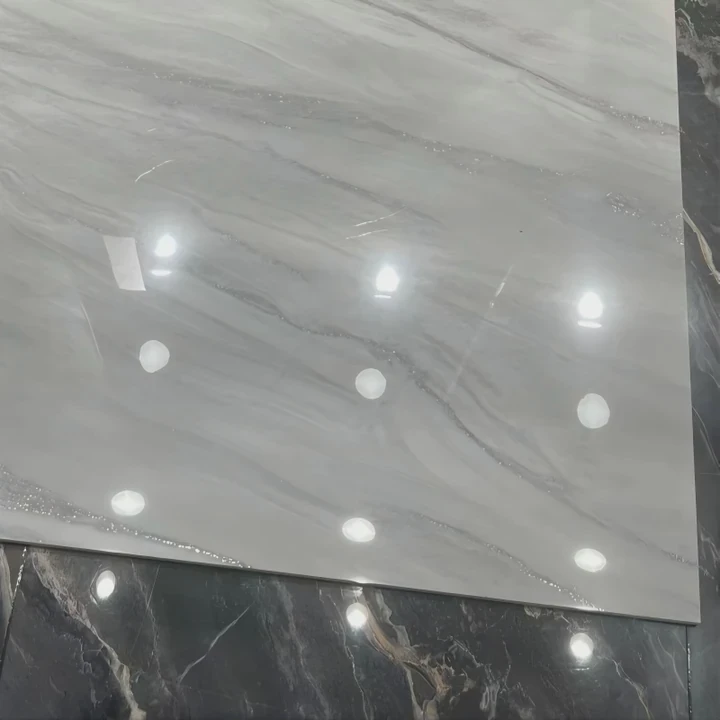
Preparation is the foundation of every successful shower tiling project. Skipping this stage often leads to problems that are expensive to fix later. A strong start ensures everything that follows performs well.
Surface inspection and cleaning
Every project should begin with a full inspection. The wall must be:
- Flat and even
- Free of dust, grease, or debris
- Structurally stable
If the surface is uneven, tiles will not sit properly. This creates gaps and weak adhesion.
Installing the right substrate
Tiles should never be installed directly on drywall in wet areas. Instead, a proper backer board is required.
Common substrate options:
| Material | Feature | Suitable for Shower |
|---|---|---|
| Cement board | Water-resistant, strong | Yes |
| Foam board | Lightweight, waterproof | Yes |
| Drywall (standard) | Weak against moisture | No |
Cement boards are widely used because they provide strength and resistance to moisture.
Measuring and layout planning
Before placing any tile, layout planning is essential.
- Measure wall dimensions carefully
- Mark center lines
- Dry-lay tiles to preview the design
This step helps avoid awkward cuts and uneven tile alignment.
Tools and materials checklist
Having everything ready avoids interruptions:
- Tile spacers
- Tile cutter or wet saw
- Level and measuring tape
- Adhesive (thin-set mortar)
- Trowel
Preparation is not just about the wall. It is about controlling every detail before installation begins.
How do you waterproof shower walls properly?
Water damage is the biggest enemy in any shower installation. Without proper waterproofing, even the best tiles will fail.
Shower walls must be sealed with waterproof membranes or coatings to prevent water penetration behind tiles and protect the structure.
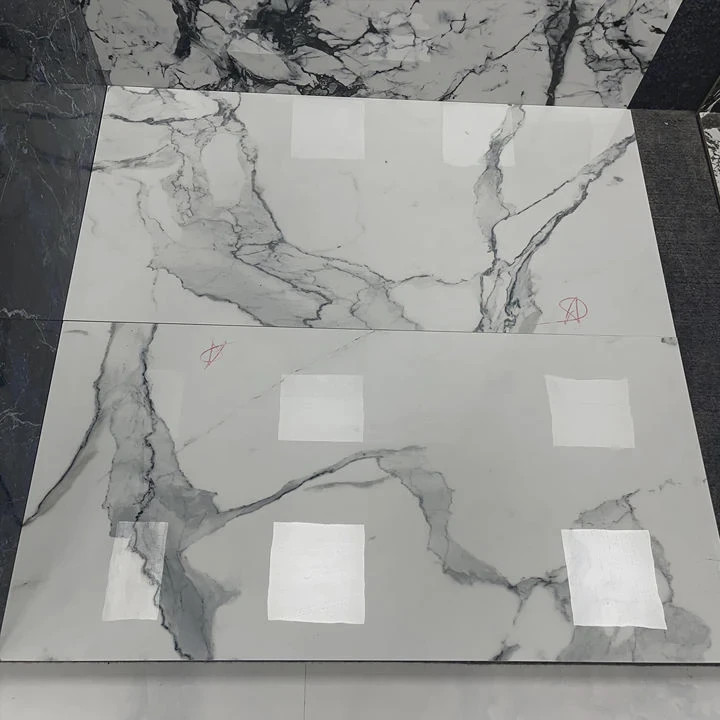
Waterproofing is not optional. It is one of the most critical steps in the entire process. Many failures happen because this step is rushed or skipped.
Why waterproofing matters
Tiles and grout are not fully waterproof. Water can pass through small gaps and reach the wall behind.
This can cause:
- Mold growth
- Structural damage
- Tile detachment
Waterproofing methods
There are two main systems used in modern shower installations.
1. Liquid waterproof membrane
This is painted or rolled onto the surface.
- Easy to apply
- Covers corners well
- Requires drying time between coats
2. Sheet membrane
This is applied as a physical barrier.
- Consistent thickness
- Highly reliable
- Requires careful installation
Key waterproofing areas
Certain zones need extra attention:
- Corners and joints
- Around shower fixtures
- Floor-to-wall transitions
These areas are more likely to leak.
Application steps
- Apply primer if required
- Seal joints with waterproof tape
- Apply membrane evenly
- Allow proper curing time
Common mistakes to avoid
- Applying uneven layers
- Skipping corners
- Not allowing drying time
Proper waterproofing creates a protective barrier that extends the life of the entire shower system.
Which materials ensure long term durability?
Choosing the wrong materials can shorten the lifespan of the shower. Not all tiles and adhesives perform the same.
Durable shower installations require high-quality tiles, strong adhesives, and moisture-resistant grout designed for wet environments.
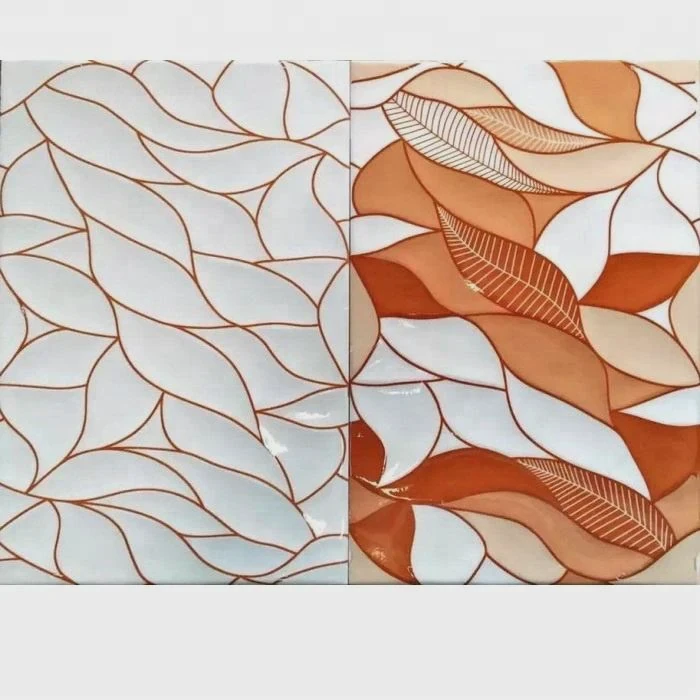
Material selection plays a major role in performance. The right combination reduces maintenance and prevents long-term issues.
Types of tiles for showers
Different tiles offer different benefits.
| Tile Type | Durability | Water Resistance | Best Use Area |
|---|---|---|---|
| Porcelain tile | High | Excellent | Walls and floors |
| Ceramic tile | Medium | Good | Walls |
| Natural stone | Variable | Requires sealing | Decorative surfaces |
Porcelain tiles are often preferred due to their low water absorption and high strength.
Adhesives and bonding materials
The adhesive holds everything together. Poor quality adhesive leads to tile detachment.
Recommended adhesive:
- Polymer-modified thin-set mortar
- High bonding strength
- Moisture resistant
Grout selection
Grout fills the gaps between tiles and adds stability.
There are two main types:
- Cement-based grout (common but porous)
- Epoxy grout (strong and water-resistant)
Epoxy grout is more durable but slightly harder to apply.
Additional durability factors
- Tile thickness
- Surface finish (matte vs glossy)
- Slip resistance for safety
Balancing cost and quality
Low-cost materials may save money upfront but increase long-term costs due to repairs.
A balanced choice focuses on:
- Performance
- Longevity
- Ease of maintenance
Durability is not just about strength. It is about how well the system resists water, wear, and time.
When should grout and sealant be applied?
Timing is often overlooked. Applying grout or sealant too early can ruin the installation.
Grout should be applied after tile adhesive fully cures, while sealant is used after grouting to protect joints and prevent water penetration.
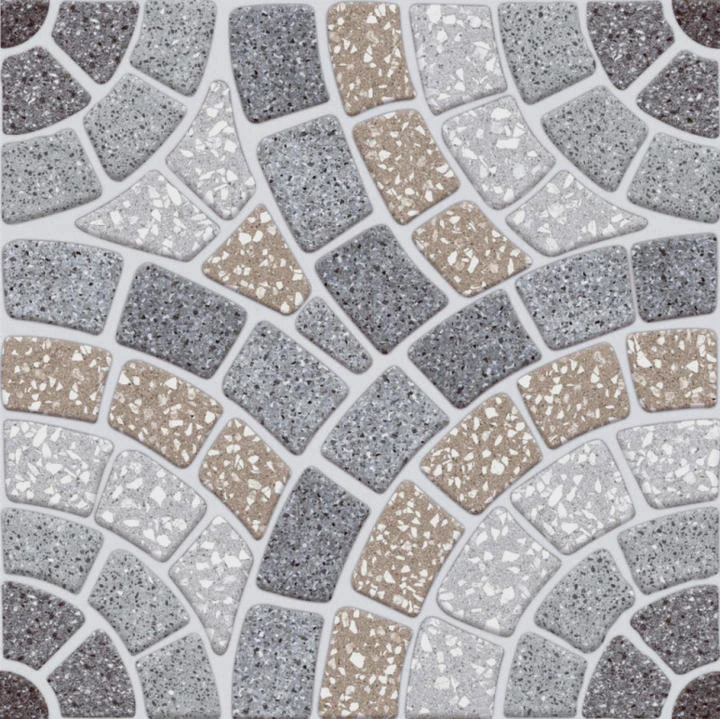
This stage finishes the installation and ensures everything is sealed correctly. Rushing this step can undo all previous work.
When to apply grout
Grouting should only begin after the adhesive has set.
Typical waiting time:
- 24 to 48 hours after tile installation
If grout is applied too early:
- Tiles may shift
- Adhesion weakens
Grouting process
- Mix grout properly
- Apply using a rubber float
- Fill all joints evenly
- Remove excess grout
- Clean tile surface
When to apply sealant
Sealant is used in movement areas, not over the entire surface.
Key areas for sealant:
- Corners
- Edges
- Around fixtures
Sealant remains flexible and prevents cracking.
Types of sealant
- Silicone sealant (most common)
- Waterproof and flexible
- Resistant to mold
Final curing and drying
After grout and sealant application:
- Allow 24–72 hours before using the shower
- Ensure proper ventilation
Common mistakes
- Skipping sealant in corners
- Using grout instead of sealant in joints
- Not cleaning grout haze properly
Correct timing ensures a clean finish and long-lasting protection.
Conclusion
Installing shower tile requires careful preparation, proper waterproofing, durable materials, and correct finishing steps. Each stage matters. When done right, the result is a strong, beautiful, and long-lasting shower space.