How to level floor for tile?
- Sinotiles
- 2026-04-14
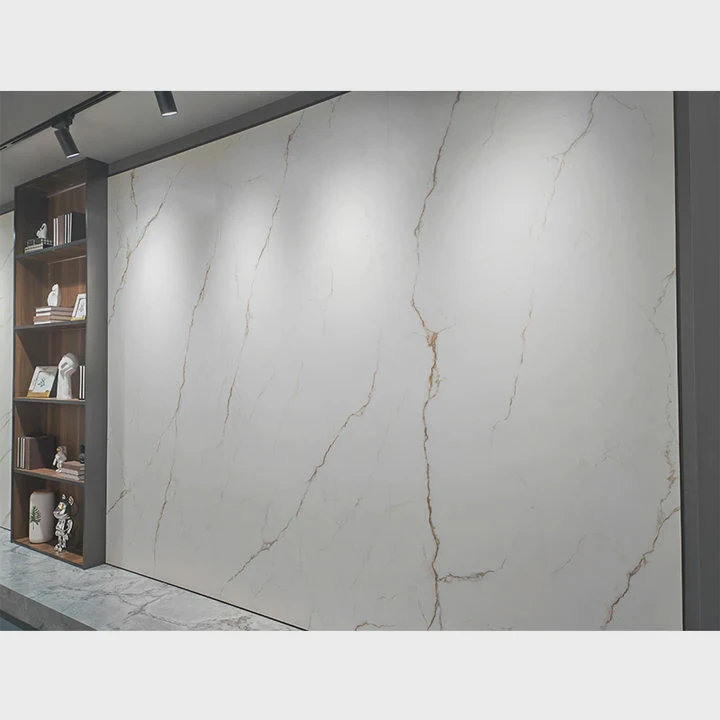
Uneven floors can ruin tile work. Cracks, loose tiles, and wasted money often follow. Many projects fail before they even start because the base is ignored.
To level a floor for tile, the surface must be clean, measured, corrected with proper tools, and treated with suitable leveling compounds before tiling begins.
A strong tile installation always starts below the surface. The better the preparation, the longer the result will last. Now let’s break this process into clear steps.
What tools are needed to level a subfloor?
Uneven subfloors cause tiles to crack and shift. Many people skip proper tools and end up with poor results. This mistake leads to costly repairs.
The key tools include a straightedge, level, grinder, trowel, mixing drill, and smoothing tools to ensure a flat and stable surface.
A good result starts with the right tools. Without them, even the best materials will fail. From experience, the biggest difference between a professional finish and a poor one is tool selection.
Essential tools list
Here is a clear breakdown:
| Tool | Purpose | Why it matters |
|---|---|---|
| Spirit level | Check flatness | Ensures accuracy |
| Straightedge | Detect dips and bumps | Helps identify uneven areas |
| Grinder | Remove high spots | Smooths surface |
| Mixing drill | Mix leveling compound | Ensates consistency |
| Notched trowel | Spread compound | Controls thickness |
| Spike roller | Remove air bubbles | Prevents weak spots |
Why tool quality matters
Cheap tools often give poor control. For example, a low-quality level may show incorrect readings. That leads to uneven tiles later. A strong straightedge helps detect even small dips.
Manual vs power tools
Manual tools are simple and low cost. However, power tools save time and give better results on large areas.
- Small room → manual tools are enough
- Large commercial area → power tools are needed
Real project insight
In one project, a contractor skipped using a grinder. He tried to fix high spots with compound only. The result was uneven thickness and cracked tiles after installation. This shows that removing problems is better than covering them.
Tool preparation tips
- Always clean tools before use
- Check calibration of levels
- Use proper mixing speed for compounds
A proper setup ensures the leveling process goes smoothly. It reduces errors and saves time later.
How do you identify uneven areas before tiling?
Many floors look flat but are not. Small dips and slopes can cause big problems after tiling. Skipping this step leads to uneven finishes.
Uneven areas are identified using straightedges, laser levels, and marking methods to locate dips, slopes, and high spots accurately.
Before applying any leveling compound, the floor must be checked carefully. This step is often underestimated but it is one of the most critical parts of the process.
Common checking methods
There are several reliable ways:
| Method | Accuracy | Best use case |
|---|---|---|
| Straightedge test | High | Small to medium areas |
| Laser level | Very high | Large areas |
| Water test | Medium | Quick checks |
| String line | Medium | Long distances |
Step-by-step inspection process
- Place a straightedge across the floor
- Look for gaps under the tool
- Mark low spots with chalk
- Mark high spots clearly
- Repeat across the entire surface
This method helps create a map of the floor.
Understanding tolerance levels
For tile installation, the surface must meet certain flatness standards:
- Large tiles → very flat surface required
- Small tiles → slightly more tolerance allowed
A general rule:
- Variation should not exceed 3mm over 2 meters
Hidden problems to watch
Not all issues are visible:
- Structural sagging
- Moisture damage
- Weak subfloor areas
These must be fixed before leveling begins.
Real experience insight
In one warehouse project, the floor looked flat. But after laser checking, there were multiple dips. If tiles were installed directly, lippage would have been severe. Proper detection saved the project.
Marking strategy
Use different colors:
- Red → high spots
- Blue → low spots
This makes the repair process faster and more organized.
Identifying uneven areas is not just a step. It is the foundation of the entire tiling process.
Which compounds are best for floor leveling?
Choosing the wrong compound can lead to cracks and failure. Many buyers focus only on price and ignore performance. This creates long-term problems.
The best compounds include self-leveling compounds, patching compounds, and latex-modified mixes, each suited for different leveling needs.

Not all leveling materials are the same. Each type serves a different purpose. The choice depends on the condition of the subfloor and the project size.
Main types of leveling compounds
| Type | Best for | Key advantage |
|---|---|---|
| Self-leveling compound | Large uneven areas | Flows easily |
| Patching compound | Small repairs | Fast setting |
| Latex-modified | Flexible surfaces | Crack resistance |
Self-leveling compound
This is the most common choice. It spreads easily and creates a smooth surface.
Benefits:
- Fast application
- Smooth finish
- Ideal for large areas
But it requires proper mixing and timing.
Patching compound
Used for small repairs. It is thicker and easier to control.
Best for:
- Filling holes
- Fixing minor dips
Latex-modified compound
This type adds flexibility. It reduces cracking risk.
Used in:
- Areas with slight movement
- Renovation projects
How to choose the right one
Consider these factors:
- Floor condition
- Tile size
- Project scale
- Budget
Mixing and application tips
- Follow water ratio strictly
- Mix until smooth
- Pour quickly after mixing
- Use spike roller to remove air
Common mistakes
- Adding too much water
- Mixing too slowly
- Applying on dirty surface
These mistakes weaken the compound.
Real-world case
A client once used cheap compound for a commercial project. After six months, cracks appeared. The issue was poor material selection. Using the right compound would have avoided this.
Material choice directly affects durability. It should never be rushed.
When should leveling be completed before tiling?
Timing is often ignored. Many installers rush into tiling before the floor is ready. This leads to weak bonding and tile failure.
Floor leveling must be completed, cured, and fully dry before tiling begins to ensure proper adhesion and long-term performance.
Timing is critical. Even perfect leveling work can fail if tiling starts too early.
Key timing stages
- Surface preparation
- Leveling application
- Drying and curing
- Final inspection
- Tile installation
Each step must be completed fully.
Drying vs curing
These are different:
- Drying → water evaporates
- Curing → material gains strength
Both are important.
Typical waiting time
| Condition | Time required |
|---|---|
| Thin layer | 4–6 hours |
| Thick layer | 24–48 hours |
| Humid environment | Longer |
Always follow manufacturer guidelines.
Signs the floor is ready
- Surface is hard
- No moisture present
- No soft spots
- Even color
Risks of early tiling
- Weak adhesion
- Tile movement
- Cracks
- Uneven surface
Project insight
In one hotel project, tiles were installed too early. Moisture was trapped. Tiles started lifting within weeks. The entire floor had to be redone.
Best practice tips
- Always test moisture before tiling
- Avoid rushing deadlines
- Plan schedule properly
Coordination with other trades
Leveling should be done after:
- Plumbing work
- Electrical setup
But before:
- Tile installation
- Final finishing
Good timing ensures smooth workflow.
Conclusion
A flat subfloor is the base of every successful tile project. With the right tools, careful inspection, proper materials, and correct timing, long-lasting and high-quality results can always be achieved.