How to Install Stick On Tile?
- Sinotiles
- 2026-04-17
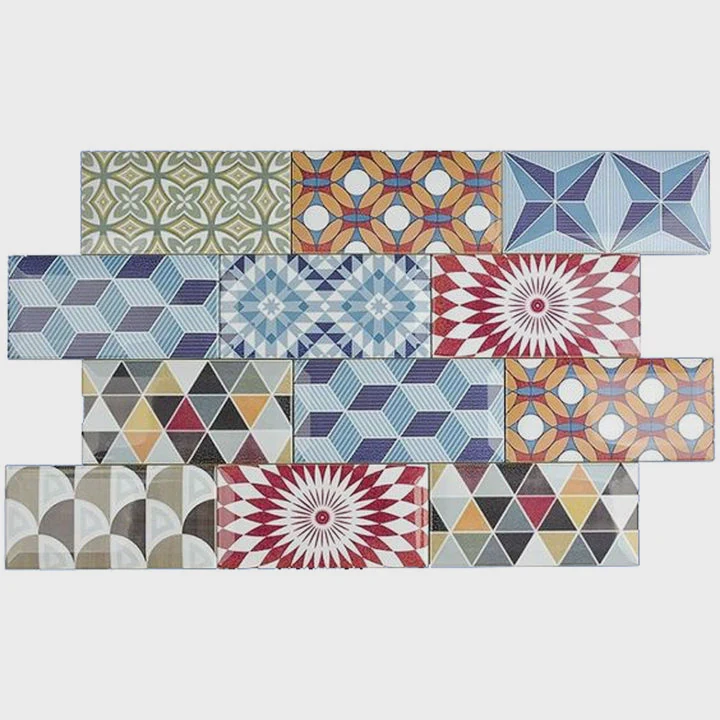
Stick-on tiles look simple to install, but many people face peeling edges or uneven results. Poor preparation often causes these problems and wastes time.
To install stick-on tiles correctly, you need a clean, smooth surface, careful alignment, and firm pressure to ensure strong adhesion and long-lasting performance.
A proper method makes a big difference. When installed correctly, these tiles can look clean, modern, and durable for years.
What Preparation Is Required Before Installation?
Many installation failures come from poor preparation. Dust, grease, or uneven surfaces can prevent tiles from sticking well.
Before installation, you must clean, dry, and smooth the surface to ensure proper adhesion and avoid future peeling or lifting.
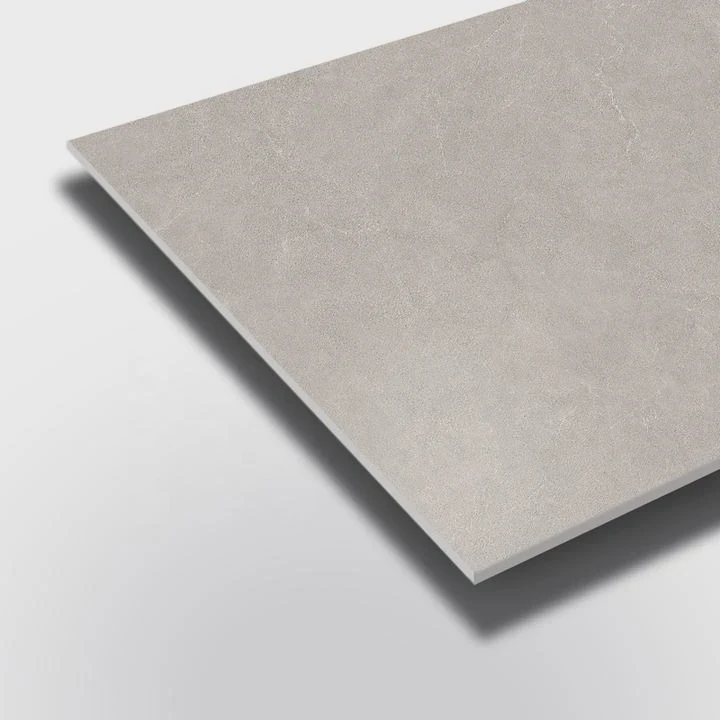
Preparation is the most important step. It directly affects how long the tiles will last.
Clean the Surface Thoroughly
Remove all dirt and grease. Use:
- Mild detergent
- Degreaser for kitchen walls
- Clean cloth or sponge
Even small amounts of grease can weaken adhesive strength.
Ensure the Surface Is Dry
Moisture prevents proper bonding. After cleaning:
- Wipe dry completely
- Wait until no moisture remains
This step is simple but critical.
Check Surface Smoothness
Stick-on tiles require a flat surface. Uneven areas can cause gaps or weak adhesion.
| Surface Condition | Result |
|---|---|
| Smooth wall | Strong adhesion |
| Rough surface | Weak bonding |
| Cracked surface | Poor finish |
Repair Imperfections
Fix any issues before installation:
- Fill cracks or holes
- Sand rough areas
- Remove old peeling paint
Remove Old Materials
Do not install over loose wallpaper or flaking paint. These layers can fail and cause tiles to fall off.
Why Preparation Matters
Good preparation ensures:
- Better adhesion
- Longer lifespan
- Cleaner appearance
Skipping this step often leads to early failure.
How Do You Ensure Adhesive Tiles Stick Properly?
Many users install tiles quickly but later see edges lifting. This happens when proper techniques are not followed.
To ensure stick-on tiles adhere properly, apply firm pressure, align carefully, and install in a controlled environment with suitable temperature.
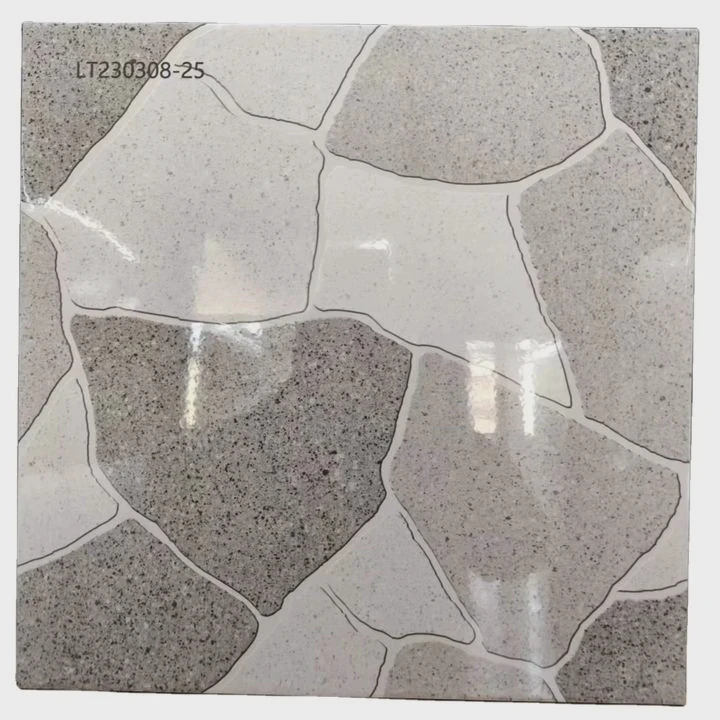
Installation technique matters as much as preparation.
Apply Tiles Step by Step
Do not rush. Follow a controlled process:
- Peel backing slowly
- Align tile carefully
- Press from center outward
This prevents air bubbles.
Use Firm and Even Pressure
After placing the tile:
- Press firmly with your hands
- Use a roller if available
This improves bonding across the surface.
Control Temperature Conditions
Adhesive works best in moderate temperatures.
| Temperature | Effect |
|---|---|
| Too cold | Weak adhesion |
| Moderate | Best performance |
| Too hot | Adhesive softens |
Room temperature is ideal for installation.
Avoid Air Bubbles
Air pockets reduce contact between tile and wall.
To prevent bubbles:
- Start pressing from the center
- Move outward gradually
Let Adhesive Set
After installation:
- Avoid touching tiles for several hours
- Do not expose to moisture immediately
This allows the adhesive to bond fully.
Common Mistakes
- Installing too fast
- Not pressing evenly
- Ignoring temperature conditions
Fixing these issues improves results significantly.
Which Surfaces Work Best for Stick On Tiles?
Not all surfaces are suitable for stick-on tiles. Installing on the wrong surface leads to poor adhesion and early failure.
Stick-on tiles work best on smooth, clean, and non-porous surfaces such as painted walls, glass, metal, and existing flat tiles.
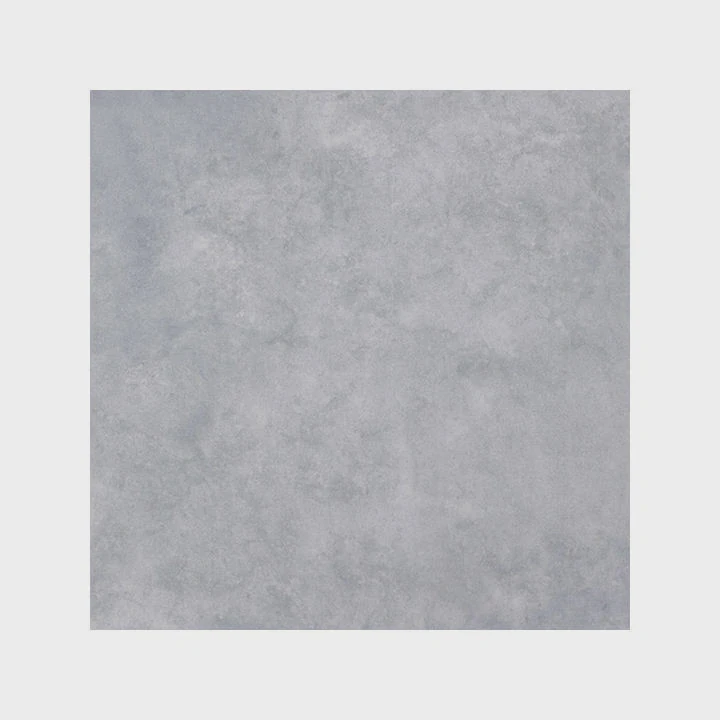
Choosing the right surface is key to success.
Ideal Surfaces
These surfaces provide strong adhesion:
- Painted drywall (smooth finish)
- Glass
- Ceramic tiles
- Metal surfaces
They allow the adhesive to bond evenly.
Surfaces to Avoid
Some surfaces are not suitable:
- Rough concrete
- Brick walls
- Textured plaster
- Unsealed wood
These surfaces reduce contact area and weaken adhesion.
Surface Comparison
| Surface Type | Suitability | Reason |
|---|---|---|
| Smooth tile | Excellent | Flat and non-porous |
| Painted wall | Good | Stable and smooth |
| Rough brick | Poor | Uneven surface |
| Raw wood | Poor | Absorbs adhesive |
How to Improve Difficult Surfaces
If the surface is not ideal:
- Apply a smoothing layer
- Use primer
- Install a backing board
These steps create a better base for tiles.
Why Surface Choice Matters
A good surface ensures:
- Strong bonding
- Clean finish
- Long-lasting installation
Ignoring this step often leads to peeling issues.
Can Repositioning Affect Adhesive Strength?
Many people try to adjust tiles after placing them. This seems harmless but can reduce adhesive performance.
Yes, repositioning stick-on tiles weakens the adhesive because it reduces bonding strength and introduces dust or air between the tile and surface.
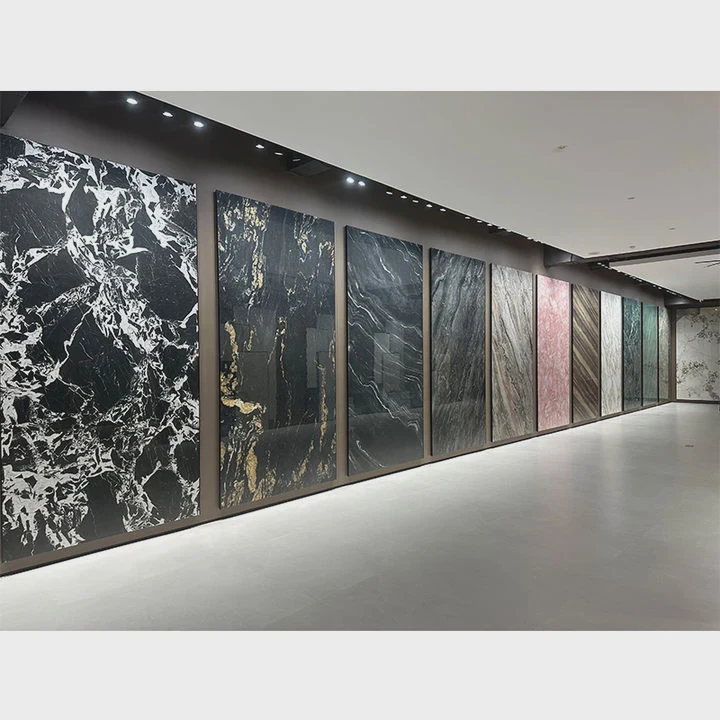
Adhesive tiles are designed for one-time placement. Repositioning should be limited.
What Happens When You Reposition
Each time you remove the tile:
- Adhesive loses strength
- Dust may stick to the backing
- Bond becomes weaker
This increases the chance of peeling later.
When Repositioning Is Acceptable
Small adjustments are possible if done quickly:
- Within a few seconds
- Before full pressure is applied
After that, repositioning is not recommended.
Best Practice for Accurate Placement
To avoid repositioning:
- Measure and mark guidelines
- Dry-fit tiles before peeling
- Align carefully before pressing
Adhesive Strength Comparison
| Action | Adhesion Strength |
|---|---|
| First placement | Strong |
| One reposition | Moderate |
| Multiple reposition | Weak |
Tips to Avoid Mistakes
- Use a level or ruler
- Start from a straight edge
- Work slowly and carefully
Why It Matters
Weak adhesion leads to:
- Lifting edges
- Gaps
- Shorter lifespan
A precise first placement ensures better long-term results.
Conclusion
Installing stick-on tiles is simple when done correctly. Proper preparation, careful placement, and choosing the right surface ensure strong adhesion and long-lasting performance.