How to Drill Into Tile?
- Sinotiles
- 2026-03-10
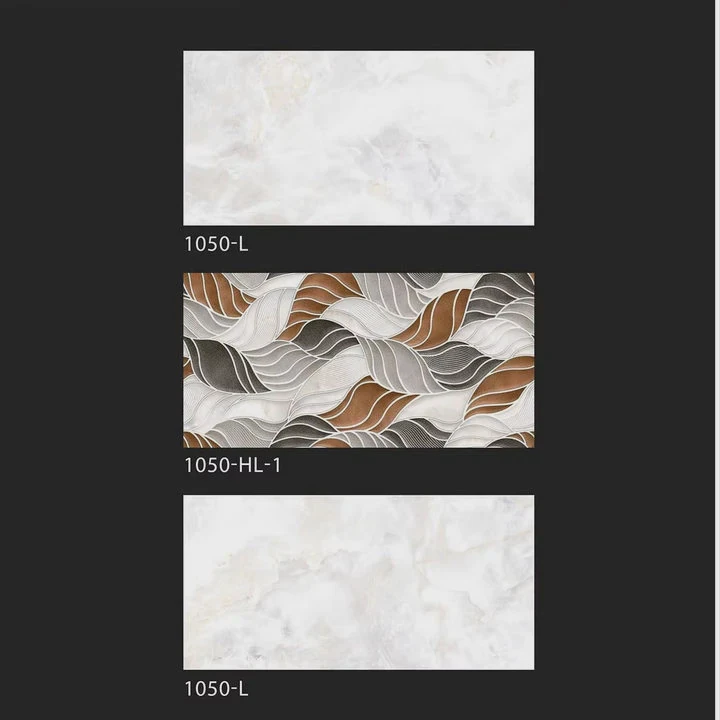
Drilling into tile often feels risky. Many people worry about cracking the tile or damaging the surface while installing shelves, hooks, or bathroom fixtures.
Drilling into tile requires the correct drill bit, slow drilling speed, accurate marking, and careful pressure control. With proper preparation and safety steps, tiles can be drilled cleanly without cracking or chipping.
Tile materials such as ceramic and porcelain are strong but brittle. Because of this combination, drilling must be controlled and precise. Small mistakes like high speed or incorrect marking can quickly cause cracks.
Which drill speed is ideal for tiles?
Many drilling mistakes happen because the drill spins too fast. High speeds generate heat and friction, which increases the risk of cracking the tile.
The ideal drill speed for tiles is slow to medium speed, typically between 300 and 600 RPM. Lower speeds reduce heat buildup and allow the drill bit to cut gradually through the tile surface.
Why drill speed matters
Tile surfaces are hard and smooth. When a drill spins too fast, the bit may slide across the tile instead of cutting into it.
High speed drilling may cause:
- Surface scratches
- Bit overheating
- Edge chipping
- Tile cracking
Using slower speeds allows the drill bit to grind through the tile gradually.
Recommended drill speeds by tile type
Different tile materials require slightly different drilling speeds.
| Tile Type | Recommended Drill Speed | Difficulty Level |
|---|---|---|
| Ceramic tile | 400–600 RPM | Moderate |
| Porcelain tile | 300–400 RPM | Difficult |
| Glass tile | 200–300 RPM | Very delicate |
| Natural stone tile | 300–500 RPM | Moderate |
Porcelain tiles usually require the slowest speed because they are denser.
Choosing the correct drill bit
The drill bit is just as important as speed.
Common drill bits used for tile include:
- Carbide-tipped masonry bits
- Diamond drill bits
- Spear-point tile bits
Diamond drill bits are usually the best choice for porcelain tiles.
Proper drilling technique
Correct drilling technique helps maintain control.
Steps include:
- Start drilling slowly.
- Maintain steady pressure.
- Avoid forcing the drill into the tile.
- Allow the bit to grind gradually.
Pushing too hard increases the chance of cracks.
Cooling during drilling
Drilling generates heat, especially when working with porcelain tiles.
Some installers cool the drill bit using:
- Small water sprays
- Wet sponges near the drilling point
- Periodic drilling pauses
Cooling reduces friction and extends the life of the drill bit.
Signs the drilling speed is correct
Proper speed produces certain visible signs:
- Smooth drilling progress
- Minimal dust buildup
- No tile vibration
- No surface cracking
If the drill begins to smoke or vibrate, the speed is likely too high.
How to mark drilling points accurately?
Accurate marking is essential when drilling tile. Because tiles have smooth surfaces, drill bits may slip during the first seconds of drilling.
Accurate drilling points can be marked using masking tape, pencil markings, measuring tools, and center punch techniques. These methods prevent drill bit slipping and ensure precise hole placement.
Why accurate marking matters
Tile installations often involve precise alignment for items such as:
- Bathroom accessories
- Towel bars
- Shower doors
- Wall shelves
Even small positioning errors can make installations appear crooked.
Measuring before marking
Correct measurement ensures proper placement.
Recommended tools include:
- Measuring tape
- Level ruler
- Pencil or marker
These tools help determine the exact drilling location.
Masking tape marking method
Masking tape is one of the simplest solutions.
Steps include:
- Apply masking tape over the drilling area.
- Mark the drilling point on the tape.
- Drill through the tape.
The tape increases surface friction and prevents the drill bit from sliding.
Template drilling method
Templates are useful when installing multiple holes.
For example:
- Mounting brackets
- Cabinet handles
- Shower fixtures
Templates ensure each hole aligns perfectly.
Center punch technique
Some professionals use a small center punch to create a shallow dent before drilling.
This technique:
- Holds the drill bit in place
- Reduces slipping
- Improves drilling accuracy
However, this method should be used gently to avoid cracking delicate tiles.
Laser level alignment
For large installations, laser levels help maintain straight lines.
Laser alignment is especially helpful when installing:
- Long shelves
- Multiple hooks
- Decorative wall fixtures
Accurate marking ensures the final installation looks professional.
Can adhesive anchors be used in tile?
Drilling is not always necessary for every installation. In some cases, adhesive anchors provide an alternative solution.
Adhesive anchors can sometimes be used on tile surfaces for lightweight items such as hooks or small shelves. However, heavy fixtures still require drilled anchors for long-term stability.
What are adhesive anchors?
Adhesive anchors are mounting systems that attach directly to surfaces using strong adhesive materials.
Common examples include:
- Adhesive wall hooks
- Double-sided mounting tapes
- Silicone adhesive mounts
- Construction adhesive anchors
These systems avoid drilling holes in tile surfaces.
Advantages of adhesive anchors
Adhesive mounting systems provide several benefits.
Key advantages include:
- No drilling required
- Faster installation
- No risk of tile cracking
- Easy removal in some cases
This makes them popular for temporary installations.
Limitations of adhesive anchors
Adhesive anchors also have limitations.
They may fail when used for:
- Heavy shelves
- Large mirrors
- Shower glass doors
- Bathroom cabinets
Moisture and heat can weaken some adhesives over time.
Weight capacity comparison
The weight capacity varies depending on the mounting method.
| Mounting Method | Typical Load Capacity | Best Use |
|---|---|---|
| Adhesive hooks | 1–3 kg | Light accessories |
| Adhesive tape mounts | 2–5 kg | Small shelves |
| Plastic wall anchors | 10–25 kg | Medium fixtures |
| Metal anchors | 25+ kg | Heavy equipment |
Heavy fixtures should always use drilled anchors.
Best surfaces for adhesive anchors
Adhesives perform best on smooth surfaces.
Suitable tile surfaces include:
- Glazed ceramic tiles
- Polished porcelain tiles
- Glass tiles
Rough or textured tiles may reduce adhesive strength.
When drilling is unavoidable
Certain installations require drilling regardless of adhesive options.
Examples include:
- Grab bars
- Shower doors
- Large wall cabinets
- Safety equipment
These items require strong mechanical anchors.
What safety precautions prevent tile damage?
Drilling tile safely requires preparation and proper technique. Without precautions, the tile surface can crack, chip, or break entirely.
Preventing tile damage during drilling involves using the correct drill bit, applying steady pressure, cooling the drilling area, stabilizing the drill, and protecting the tile surface with tape or guides.
Choose the correct drill bit
Tile drilling requires specialized bits designed for hard surfaces.
Common drill bit options include:
- Diamond-tipped drill bits
- Carbide spear-point bits
- Masonry bits for ceramic tile
Using the wrong bit increases friction and cracking risk.
Avoid hammer drilling
Hammer drill mode should not be used when drilling tile surfaces.
Hammer drilling creates strong impact vibrations.
These vibrations may cause:
- Surface cracks
- Tile breakage
- Chipped edges
Hammer mode can be used later when drilling into concrete behind the tile, but only after the tile layer is fully penetrated.
Maintain steady pressure
Proper pressure control is essential.
Too much pressure causes:
- Sudden cracking
- Bit slipping
- Uneven drilling
Gentle and steady pressure produces better results.
Protect the tile surface
Surface protection reduces damage risk.
Common protection methods include:
- Masking tape over drilling points
- Rubber drilling guides
- Drilling templates
These tools stabilize the drill bit during the first seconds of drilling.
Keep the drill straight
Drilling at an angle increases stress on tile edges.
Maintaining a straight drilling angle ensures:
- Clean holes
- Reduced cracking risk
- Accurate installation
Using two hands on the drill often improves stability.
Wear proper safety equipment
Tile drilling also produces dust and small fragments.
Recommended safety equipment includes:
- Safety glasses
- Dust masks
- Work gloves
- Hearing protection
These precautions protect both the installer and the tile surface.
Conclusion
Drilling into tile successfully requires slow drill speeds, precise marking, appropriate anchors, and careful safety practices. With proper tools and techniques, clean holes can be created without damaging ceramic or porcelain tile surfaces.