How to Place 12x24 Tile on Patio?
- Sinotiles
- 2026-03-11

A patio looks simple. Yet many people struggle when installing large tiles outdoors. Uneven ground, wrong layout, and weather changes often cause cracks, loose tiles, or poor drainage.
The best way to place 12×24 patio tiles is to prepare a solid base, choose a clear tile pattern, level the surface carefully, use spacers for alignment, and install tiles in suitable weather conditions to ensure long-term stability.
Large-format tiles create a clean and modern patio. Still, they require better planning than small tiles. Each step matters. From layout to spacing and weather control, good preparation leads to strong and beautiful outdoor flooring.
Which pattern suits 12x24 patio tiles?
A patio can look messy if the tile layout is random. Many installers rush the pattern step. Later they notice crooked lines or awkward cuts near the edges.
The best patterns for 12×24 patio tiles are running bond, stacked, and herringbone. Running bond is the most popular because it hides small leveling errors and creates natural visual flow.

Large-format rectangular tiles offer many design options. However, outdoor patios work best with patterns that help control movement and reduce visual mistakes. Some layouts also help hide slight height differences between tiles.
Common patio patterns for 12×24 tiles
| Pattern | Description | Difficulty | Best For |
|---|---|---|---|
| Running Bond | Each tile shifts by 1⁄3 or 1⁄2 length | Easy | Most patios |
| Stacked Grid | Tiles align perfectly in rows | Medium | Modern design |
| Herringbone | Tiles form zig-zag angles | Hard | Decorative patios |
| Offset 1⁄3 | Tiles shift by one-third length | Easy | Large outdoor areas |
Why running bond works best
Running bond is the safest pattern for outdoor installations. Each row shifts slightly from the previous row. This pattern breaks long straight lines. It also reduces the visual effect of small height differences.
Large tiles can have a slight curve. This is called tile warpage. When tiles are installed in a 50% offset pattern, the highest points may meet each other. This can create lippage, where one tile edge sits higher than the next.
A 1⁄3 offset layout solves this problem. It spreads the high points across the surface instead of stacking them.
How layout affects drainage
Outdoor patios must move water away from the house. Tile pattern plays a role here. Straight stacked layouts can trap water lines if the slope is not correct.
Running bond patterns break the water path. This allows water to move more naturally across grout lines.
Planning the tile layout
Before placing any tile, dry lay several rows.
Steps usually include:
- Measure the patio width and length
- Mark the center line of the patio
- Lay tiles without mortar first
- Adjust edge cuts evenly
This step avoids thin tile strips along walls or borders.
Large patios often benefit from dividing the surface into sections. Installers use chalk lines to create clear working zones.
Good pattern planning does not only improve appearance. It also reduces installation errors and speeds up the tiling process.
How to level outdoor tiles properly?
Many patio problems come from poor leveling. Even a small height difference becomes obvious with large tiles. A 12×24 tile highlights uneven surfaces quickly.
Outdoor tiles should be leveled by preparing a stable base, using a proper mortar bed, checking slope for drainage, and adjusting each tile during installation with leveling tools.

Outdoor tile leveling begins before the first tile is placed. The base layer must be strong and flat. A weak base leads to cracked grout and loose tiles later.
Step 1: Build a stable base
A typical patio tile base includes several layers.
| Layer | Purpose | Typical Thickness |
|---|---|---|
| Compacted soil | Foundation support | varies |
| Gravel base | Drainage | 4–6 inches |
| Concrete slab or mortar bed | Structural layer | 3–4 inches |
| Thinset mortar | Tile bonding | 3–10 mm |
| Porcelain tile | Surface layer | 8–12 mm |
Each layer must be compacted and leveled.
Outdoor patios also require a slight slope. Most installers recommend about 1⁄4 inch drop per foot away from the house. This prevents water from pooling on the tiles.
Step 2: Spread mortar evenly
Thinset mortar is spread using a notched trowel. For 12×24 tiles, a 1⁄2 inch square notch trowel is often recommended.
Mortar should be combed in one direction. This allows air to escape when the tile is pressed down.
Large tiles also require back buttering. This means applying a thin layer of mortar to the back of the tile.
Benefits of back buttering include:
- better adhesion
- fewer hollow spots
- stronger support
Step 3: Check level constantly
After placing each tile, installers check the surface with:
- a long level
- a straight edge
- a tile leveling system
Adjustments must be done immediately before mortar sets.
Step 4: Work in small sections
Outdoor mortar can dry quickly under sun or wind. Because of this, installers usually work in small areas of about 6–8 square feet at a time.
This keeps mortar fresh and easier to adjust.
Proper leveling protects the tile from stress and improves the final appearance. It also makes patio furniture sit evenly without rocking.
Can spacers help with large-format tiles?
Many beginners skip spacers. They try to align tiles by eye. This often leads to crooked grout lines and uneven gaps.
Yes, spacers are very important for 12×24 tiles because they maintain consistent grout joints, improve alignment, and help control movement caused by outdoor temperature changes.
Large tiles require consistent spacing. Even a small difference becomes visible over long patio lines. Spacers help maintain order across the entire surface.
Why grout joints matter outdoors
Outdoor tiles expand and contract as temperatures change. Direct sunlight can heat porcelain tiles significantly during the day.
Grout joints provide space for this movement.
Without joints, tiles may:
- press against each other
- crack under pressure
- lift from the base
Typical spacer sizes for patio tiles
| Tile Size | Recommended Spacer |
|---|---|
| 12×24 tile | 3 mm |
| 12×24 outdoor patio | 3–5 mm |
| Rough edge tiles | 5 mm |
| Large outdoor area | 5 mm |
Wider grout lines also help drainage and reduce visual lippage.
Tile leveling spacer systems
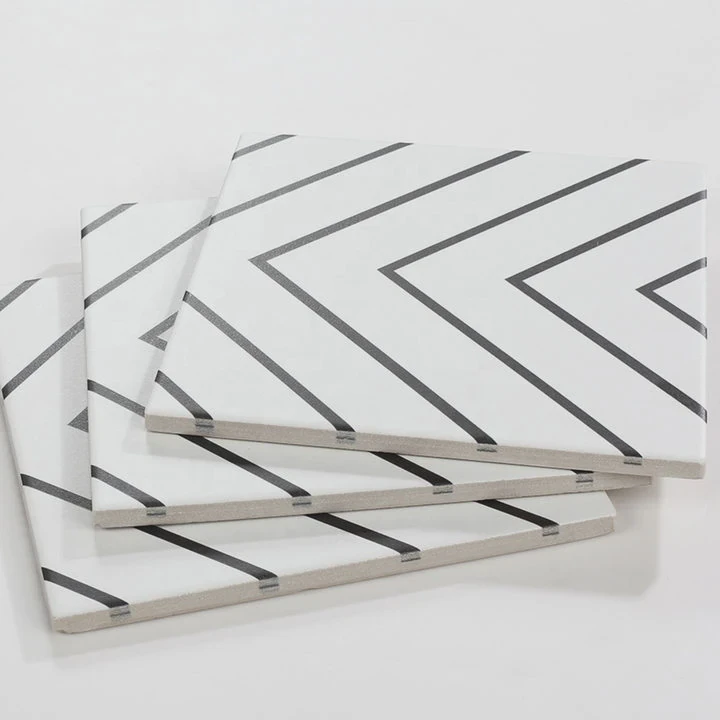
Modern installers often use tile leveling systems instead of basic plastic spacers. These systems include clips and wedges.
The system works like this:
- Clip goes under tile edges
- Spacer sets joint width
- Wedge pulls tiles to same height
- Clip breaks off after mortar cures
Benefits include:
- smoother surface
- reduced lippage
- faster alignment
Spacers also help beginners
Even experienced installers rely on spacers. For beginners, they are essential.
Spacers create visual guides that keep rows straight. They also simplify large patio installations where tiles must stay aligned over long distances.
Removing spacers usually happens after mortar partially sets. Then grout is applied after full curing.
Consistent spacing improves both appearance and structural durability of the patio surface.
What weather precautions protect outdoor tiles?
Outdoor tile installation depends heavily on weather conditions. Many patio failures occur because tiles were installed in extreme temperatures.
Outdoor patio tiles should be installed in mild weather, protected from rain and strong sun, and allowed proper curing time to prevent bonding problems and cracking.
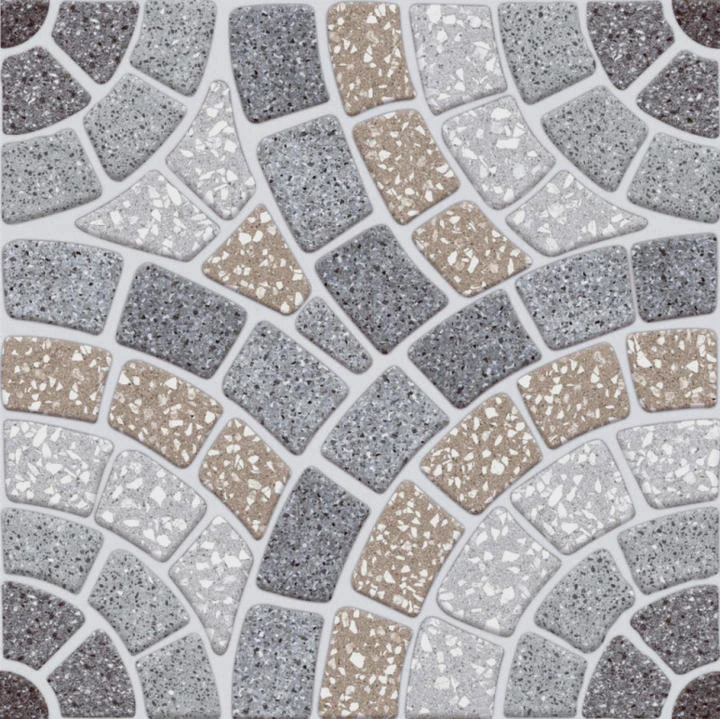
Temperature and moisture directly affect mortar performance. Thinset mortar contains cement and polymers that require controlled curing conditions.
Ideal installation temperature
Most tile manufacturers recommend installation between:
50°F and 90°F (10°C – 32°C)
Outside this range, mortar may not cure properly.
Problems caused by hot weather
Strong sunlight can dry mortar too fast. When this happens, tiles may not bond correctly.
Common issues include:
- hollow tiles
- weak adhesion
- early cracking
Installers often work during early morning hours in hot climates.
Shading the work area with tarps can also slow drying.
Problems caused by cold weather
Cold temperatures slow the chemical curing of cement mortar. If temperatures drop too low, water inside the mortar may freeze.
This can cause:
- weak bond strength
- powdery mortar
- tile movement
Heating blankets or temporary enclosures are sometimes used in colder regions.
Rain protection
Rain during installation is another risk. Water can wash away fresh mortar or dilute bonding strength.
Common precautions include:
- checking weather forecast
- covering the patio with plastic sheets
- pausing installation during storms
Curing time before use
After tiles are installed, the patio should remain untouched for a period of time.
Typical curing schedule:
| Stage | Time |
|---|---|
| Initial set | 24 hours |
| Light foot traffic | 48 hours |
| Full curing | 7 days |
| Heavy furniture | 7–10 days |
Following curing guidelines ensures tiles bond fully with the base.
Outdoor tile installations last many years when weather conditions are respected during the installation stage.
Conclusion
Installing 12×24 patio tiles requires planning, proper leveling, correct spacing, and attention to weather conditions. A good tile pattern, stable base, and careful curing help create a durable and attractive outdoor patio that lasts for many years.
- Pre: How to Drill Into Tile?
- Next: How to Remove Tile?