How to Figure Tile for Backsplash?
- Sinotiles
- 2026-05-15
Many buyers order too many or too few backsplash tiles. This causes delays, extra cost, and wasted stock. A simple calculation process can avoid these common problems.
To figure tile for a backsplash, measure the wall area, subtract openings, plan the layout, and add a waste factor. Most projects also need extra tiles for cuts, corners, and future repairs.
Backsplash tile calculation looks easy at first. Yet many importers, contractors, and distributors face problems when layouts become more complex. Different tile sizes, patterns, and installation methods all change the final quantity. In many export projects, careful planning helps reduce cost and avoid shipment delays.
What Measurements Are Needed for Backsplash Tiling?
Small measurement mistakes can create major ordering problems. Some buyers only measure wall width and forget outlets, windows, or cabinet spacing. This often leads to shortages during installation.
The key measurements for backsplash tiling include wall width, wall height, obstacle areas, tile size, grout spacing, and edge details. Accurate measurements create a reliable tile quantity estimate.
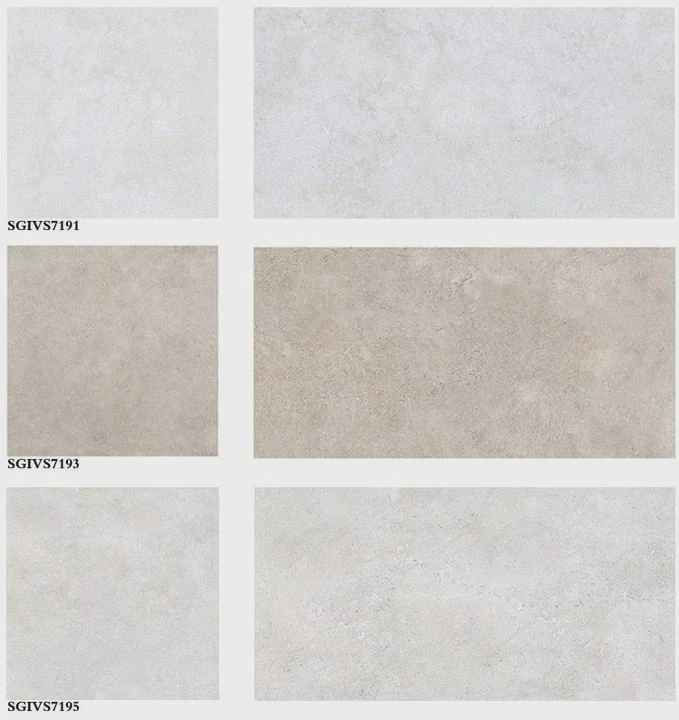
A backsplash project always starts with accurate wall measurements. In many commercial and residential projects, installers first calculate the total square footage. This gives the base number for tile estimation.
Basic Wall Measurement Process
The simplest formula is:
| Measurement Step | Description |
|---|---|
| Measure Width | Total horizontal wall length |
| Measure Height | Distance between countertop and cabinet |
| Multiply Both | Get total square footage |
| Subtract Obstacles | Remove windows or large openings |
For example, a backsplash wall that is 12 feet wide and 1.5 feet high equals 18 square feet.
Yet real projects are rarely that simple.
Areas Many Buyers Forget
Many first-time buyers ignore small details that later affect installation. In export projects, these details become even more important because replacement tiles may take weeks to arrive.
Common missed areas include:
- Electrical outlets
- Window trims
- Range hood sections
- Corner returns
- End caps
- Decorative borders
Small subway tiles create more cuts around outlets. Large format tiles need more precise planning around corners.
Why Tile Size Matters
Tile dimensions directly affect the quantity needed. A 300×600mm tile creates fewer grout lines than mosaic sheets. Large porcelain slabs reduce joints but may increase cutting waste.
Here is a simple comparison:
| Tile Size | Installation Impact |
|---|---|
| Small Mosaic | More grout joints and more cuts |
| 300×600mm | Balanced installation |
| 600×1200mm | Fewer joints but harder cuts |
| Large Slab | Minimal seams but higher waste risk |
In many modern kitchen projects, buyers now prefer larger backsplash tiles because they create a cleaner look and easier maintenance.
Measuring Irregular Kitchens
Older kitchens often have uneven walls. Commercial projects may also include columns or unusual shapes.
In these cases, installers divide the backsplash into smaller sections. Each section gets measured separately. Then all areas are added together.
This method reduces estimation mistakes.
Importance of Grout Joint Planning
Grout spacing also changes the final quantity slightly. Narrow grout joints allow more tile coverage per box. Wider joints may require more pieces.
Many contractors calculate grout spacing early because it affects layout symmetry around focal points like sinks or cooktops.
Careful measurement planning always saves time later during installation and purchasing.
How Does Layout Design Affect Tile Quantity?
Many customers only focus on square footage. They forget that layout patterns can greatly increase tile usage. A decorative design may require far more cuts and waste.
Layout design changes tile quantity because patterns, offsets, borders, and focal points all create additional cuts and material waste during installation.
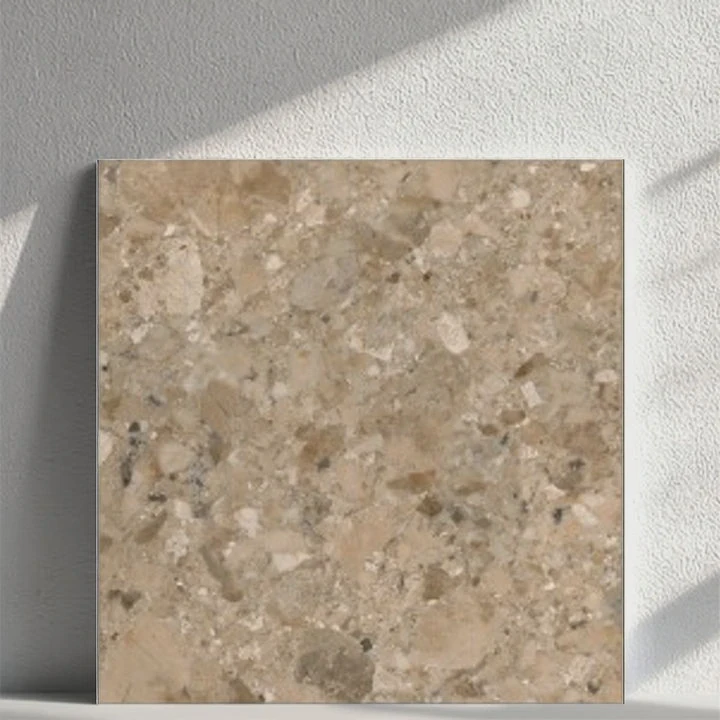
Tile layout is one of the biggest hidden factors in backsplash estimation. Two kitchens with the same wall size may need very different tile quantities.
Common Backsplash Layout Types
Different layouts create different cutting requirements.
| Layout Style | Waste Level | Difficulty |
| Straight Stack | Low |
| Brick Pattern | Medium |
| Herringbone | High |
| Chevron | High |
| Diagonal | Medium to High |
Straight stack layouts are easier to estimate because cuts stay simple. Herringbone layouts create more offcuts and require additional material.
Why Pattern Alignment Matters
Many homeowners want centered layouts behind sinks or cooktops. This design choice improves appearance but may increase cuts near edges.
For example:
- Centered subway layouts often require equal edge cuts
- Symmetrical designs may increase waste
- Feature strips create extra alignment work
- Decorative mosaics may need blending from multiple cartons
In large hotel or apartment projects, designers usually finalize layout drawings before quantity estimation begins.
Impact of Tile Direction
Horizontal and vertical tile placement can change the number of pieces needed.
Vertical installations may reduce horizontal cuts but increase height trimming. Long rectangular tiles also behave differently depending on orientation.
This becomes important when using:
- 600×1200mm porcelain tiles
- Wood-look planks
- Large decorative panels
Why Large Tiles Change Estimation
Large format tiles are popular in modern kitchens because they create fewer grout joints and a luxury appearance.
Still, large tiles can increase waste around:
- Electrical outlets
- Window openings
- Tight corners
- Cabinet edges
A single bad cut may waste an entire large tile.
Custom Designs Increase Complexity
Some premium projects include:
Decorative Inserts
Metal strips, stone accents, and mosaic bands all affect calculations.
Mixed Tile Sizes
Combining different tile dimensions changes box counts and installation sequencing.
Continuous Vein Matching
Bookmatched porcelain slabs require careful tile selection and alignment.
These premium layouts usually require experienced installers and extra material reserves.
In many international projects, layout planning happens before shipment because replacement batches may have slight shade differences later.
Why Include Waste Factor in Backsplash Calculations?
Many buyers try to reduce cost by ordering exact quantities. This often creates bigger problems later when tiles break, crack, or run short during installation.
Waste factor is important because tile cutting, breakage, pattern matching, and future repairs all require additional material beyond the exact wall measurement.
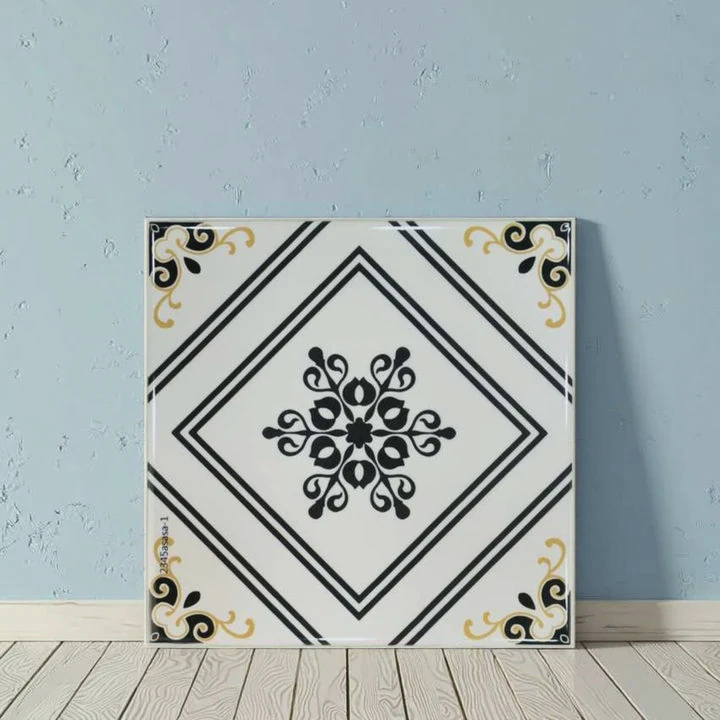
Waste factor is one of the most important parts of backsplash tile estimation. Professional installers almost never order exact square footage.
Standard Waste Percentages
Different project types need different waste allowances.
| Project Type | Recommended Waste Factor |
|---|---|
| Straight Layout | 5%–10% |
| Diagonal Layout | 10%–15% |
| Herringbone Pattern | 15%–20% |
| Large Format Tile | 10%–15% |
| Complex Commercial Design | 15%+ |
Simple kitchen backsplashes may only need 5% extra. Complex patterns often require much more.
Common Causes of Tile Waste
Several factors create unavoidable tile loss.
Cutting Waste
Tiles around outlets and corners often leave unusable offcuts.
Breakage During Installation
Even strong porcelain tiles can chip during cutting or transport.
Shade Variation
Natural stone and decorative tiles may vary slightly between batches.
Future Repairs
Extra cartons help match future replacement work.
In export business, this becomes critical because reordering small quantities later often costs much more in freight.
Why Contractors Prefer Extra Material
Professional installers usually want spare tiles onsite because project delays are expensive.
If installation stops because of shortages:
- Labor schedules get delayed
- Other trades cannot continue
- Shipping replacements takes time
- Color mismatch risk increases
Many experienced contractors consider spare tiles cheap insurance.
Waste Factor for Different Tile Types
Not all products behave the same during installation.
| Tile Type | Waste Risk |
|---|---|
| Mosaic Sheets | Low to Medium |
| Subway Tiles | Medium |
| Large Porcelain Panels | High |
| Handmade Tiles | High |
| Natural Stone | Medium to High |
Large porcelain slabs may crack during handling. Handmade tiles often have size variation that increases cutting complexity.
International Shipping Considerations
For export orders, waste planning becomes even more important.
International buyers often order:
- Extra pallets
- Safety stock
- Spare cartons
- Matching production batches
This helps reduce future supply problems.
Over the years, many distributors learned that slightly higher initial orders usually cost less than emergency reorders later.
Which Tools Help Estimate Backsplash Tile Needs?
Manual calculations work for small projects. Yet larger residential and commercial jobs often need more accurate estimating tools to avoid costly mistakes.
Tile estimation tools help calculate square footage, layout patterns, grout spacing, and waste factors more accurately and efficiently.
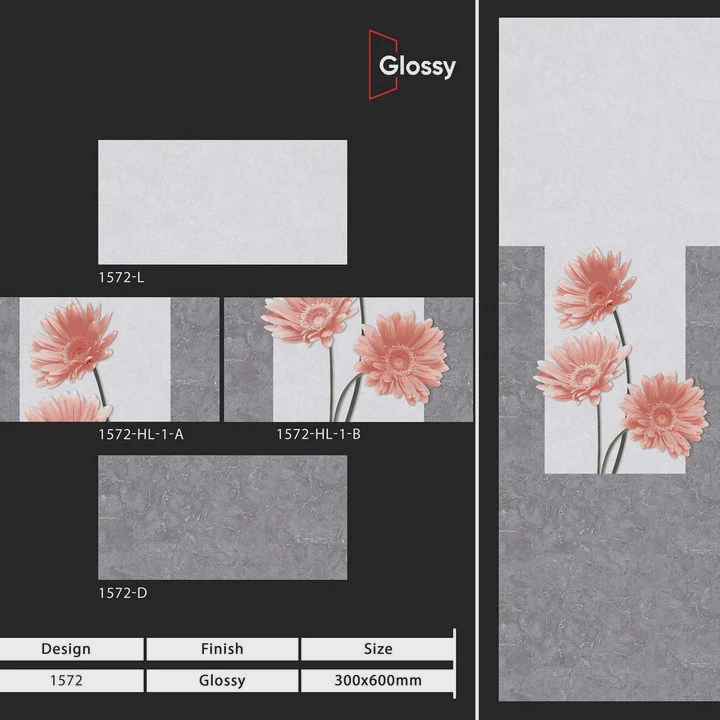
Today, many installers and distributors use digital tools for backsplash planning. These tools improve accuracy and reduce ordering errors.
Basic Manual Estimation Tools
Traditional tools still play an important role.
| Tool | Purpose |
|---|---|
| Tape Measure | Wall dimensions |
| Laser Measure | Faster large-area measuring |
| Graph Paper | Layout sketches |
| Calculator | Square footage calculation |
Many experienced installers still prefer manual double-checking before final orders.
Online Tile Calculators
Many tile suppliers now offer online calculators.
These calculators usually ask for:
- Wall width
- Wall height
- Tile size
- Waste percentage
The system then estimates:
- Required square footage
- Number of pieces
- Number of cartons
Online calculators work well for standard layouts.
CAD and Design Software
Commercial projects often use professional software.
Popular Design Programs
- AutoCAD
- SketchUp
- Revit
- Kitchen design software
These tools help visualize:
- Tile placement
- Pattern alignment
- Joint spacing
- Cut locations
For hotel and apartment projects, digital drawings help reduce installation mistakes before material shipment.
Mobile Apps for Installers
Many installers now use mobile apps onsite.
These apps allow:
- Instant measurements
- Photo-based planning
- Quantity calculations
- Client approvals
This speeds up communication between contractors, distributors, and suppliers.
Why Experience Still Matters
Even advanced software cannot replace field experience.
Real job sites include:
- Uneven walls
- Cabinet changes
- Last-minute design updates
- Installation damage
Experienced estimators usually review calculations manually before production orders begin.
Combining Tools for Better Accuracy
The best estimation process often combines several methods:
- Manual site measurement
- Digital layout planning
- Waste factor review
- Final installer confirmation
This approach helps avoid shortages and over-ordering.
In many international supply projects, careful estimation also helps optimize container loading and reduce freight cost per square meter.
Conclusion
Backsplash tile estimation depends on accurate measurements, smart layout planning, proper waste allowance, and reliable calculation tools. Careful preparation helps avoid shortages, reduce waste, and keep installation projects running smoothly from start to finish.