How to Regrout Tile Without Removing Old Grout?
- Sinotiles
- 2026-05-15
Old grout can make clean tiles look worn and dirty. Many homeowners think they must remove all grout first. That process takes time, creates dust, and may damage tiles.
Yes, it is possible to regrout tile without removing all old grout. Surface cleaning, grout renewal products, thin grout overlays, and sealing methods can refresh tile joints and improve appearance with less labor.
Many customers ask this question when they want a faster and lower-cost way to improve bathrooms, kitchens, or commercial tile projects. In many cases, full grout removal is not necessary. The right method depends on grout condition, moisture exposure, and tile type. Some surfaces only need cleaning and sealing. Others need a thin new grout layer or grout color renewal. Understanding the correct process helps avoid future cracking or peeling problems.
What Methods Refresh Grout Without Full Removal?
Old grout often looks worse than it really is. Many people replace tile too early because stained grout makes the whole surface appear aged and damaged.
Several methods can refresh grout without complete removal. Deep cleaning, grout recoloring, surface regrouting, grout pens, and grout renewal coatings can improve grout appearance while keeping most existing grout in place.
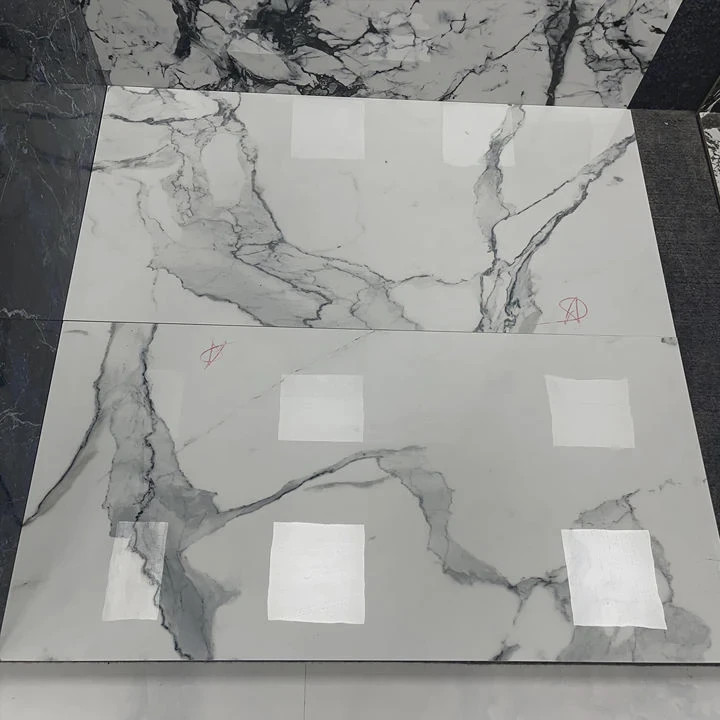
The best method depends on the condition of the grout. Some grout lines only have surface dirt. Others have stains, fading, or shallow cracks. In these cases, removing every bit of old grout is not always necessary.
Common Grout Refresh Methods
| Method | Best For | Difficulty | Cost Level |
|---|---|---|---|
| Deep cleaning | Dirt and mildew | Easy | Low |
| Grout recoloring | Faded grout | Easy | Low |
| Grout renewal coating | Uneven color | Medium | Medium |
| Thin regrouting layer | Minor surface wear | Medium | Medium |
| Grout pen touch-up | Small areas | Easy | Very Low |
Deep Cleaning Before Any Repair
Many grout problems are actually cleaning problems. Grease, soap residue, and mold can sit deep inside porous grout. A strong grout cleaner or steam cleaner may restore much of the original look.
In one project, a customer from Mexico planned to replace all bathroom tiles in a rental apartment. After deep grout cleaning and sealing, the tiles looked almost new. The project cost dropped by more than half.
Surface Regrouting
Surface regrouting means applying a thin layer of new grout over stable existing grout. This works only if the old grout is still firmly attached and not crumbling.
The process usually includes:
- Cleaning grout thoroughly
- Removing loose particles
- Roughening the grout surface
- Applying bonding additive if needed
- Spreading fresh grout
- Wiping excess grout carefully
This method works well in dry indoor areas with narrow grout joints.
Grout Recoloring Products
Grout colorants work like a paint and sealer combination. They cover stains and create a more uniform appearance. Many commercial property owners use this method because it saves labor time.
When Full Removal Is Still Necessary
Some grout cannot be saved. Full grout removal may still be needed when:
- Grout has deep cracks
- Water damage exists behind tile
- Tiles move under pressure
- Mold grows below the surface
- Grout is falling apart
In these cases, shortcuts usually create bigger repair costs later.
How Can Grout Cleaners Improve Old Grout Appearance?
Many grout lines look permanently damaged when they only contain years of trapped dirt and soap buildup. Good cleaning can completely change the look of tile surfaces.
Grout cleaners remove dirt, mildew, grease, and stains from porous grout surfaces. Proper cleaning restores grout color, improves hygiene, and prepares grout for sealing or renewal products.
Cleaning is often the first and most important step before any regrouting work. If dirt remains inside the grout, new coatings and sealers may fail early.
Types of Grout Cleaners
Different grout stains require different cleaning methods.
| Cleaner Type | Best Use | Notes |
|---|---|---|
| Alkaline cleaner | Grease and kitchen stains | Common for kitchens |
| Acidic cleaner | Mineral deposits | Use carefully |
| Oxygen bleach cleaner | Mold and mildew | Safer for indoor use |
| Steam cleaner | Deep dirt removal | No harsh chemicals |
| Neutral cleaner | Daily maintenance | Good for sealed grout |
Why Grout Gets Dirty So Easily
Grout is porous. It absorbs water, oils, soap, and dirt. Light-colored grout shows stains quickly. Bathrooms and kitchens are the most common problem areas because moisture stays longer.
Important Cleaning Steps
Remove Surface Dirt First
Vacuum or sweep loose dirt before applying liquid cleaner. Dry particles can scratch tile surfaces during scrubbing.
Allow Cleaner to Sit
Many people scrub too early. Most grout cleaners need several minutes to break down stains properly.
Use the Right Brush
Soft nylon brushes work well for most ceramic and porcelain tiles. Metal brushes may damage grout or scratch polished tiles.
Rinse Completely
Cleaner residue can weaken future sealers or grout coatings. Thorough rinsing is very important.
Steam Cleaning Advantages
Steam cleaning is growing in popularity because it avoids strong chemicals. Many hotel and commercial cleaning companies now use steam systems for tile maintenance.
Steam can:
- Remove deep dirt
- Kill bacteria
- Reduce mold growth
- Improve grout color
- Open pores before sealing
Cleaning Before Grout Renewal
A clean surface creates stronger adhesion for grout renewal products. Even premium grout coatings may peel if grease or soap residue remains.
In export projects, many contractors prefer neutral cleaning systems before applying grout sealers. This reduces surface reaction risks and helps maintain consistent grout color.
Why Use Grout Renewal Products for Quick Fixes?
Many property owners need fast tile improvement before renting, selling, or reopening commercial spaces. Full tile renovation may take too long or cost too much.
Grout renewal products provide a fast way to improve grout appearance without complete replacement. These products cover stains, refresh color, seal grout, and reduce labor costs.
Grout renewal products are popular because they combine appearance improvement and surface protection in one process.
What Are Grout Renewal Products?
Most grout renewal products are water-based coatings that attach to existing grout. They contain pigments and sealers. Some also include mold-resistant additives.
These products work best when:
- Existing grout is stable
- Cracks are small
- Surface stains are heavy
- Color inconsistency exists
- Fast repair is needed
Benefits of Grout Renewal Systems
Lower Labor Costs
Removing old grout takes time. It also increases the chance of tile edge damage. Renewal coatings reduce labor significantly.
Faster Project Completion
Many grout renewal projects finish in one day. Hotels, restaurants, and rental apartments often prefer this approach to reduce downtime.
Better Visual Consistency
Old grout often has uneven color. Some areas darken more than others. Renewal products create a cleaner and more consistent look.
Added Surface Protection
Many products also seal grout pores. This helps reduce future staining and moisture absorption.
Popular Application Areas
| Area | Why Renewal Works Well |
|---|---|
| Apartment bathrooms | Fast turnover |
| Hotel renovations | Reduced downtime |
| Kitchen backsplashes | Cosmetic refresh |
| Retail flooring | Lower repair costs |
| Residential showers | Appearance improvement |
Common Mistakes With Renewal Products
Applying Over Wet Grout
Moisture prevents proper bonding. Grout must dry fully before application.
Ignoring Loose Grout
Renewal coatings are not structural repairs. Loose grout still needs removal.
Using Thick Coats
Thin layers create better adhesion and smoother appearance.
Skipping Surface Preparation
Cleaning remains critical. Dirt blocks bonding and causes peeling later.
Choosing the Right Color
Some contractors match original grout color. Others intentionally switch to darker grout because darker colors hide future stains more easily.
In modern residential projects, gray grout has become especially popular because it works well with large porcelain tiles and modern interior styles.
Which Steps Ensure Proper Regrouting Results?
Even simple grout refresh projects can fail if preparation is poor. Good results depend more on process quality than product price.
Proper regrouting requires careful cleaning, surface preparation, moisture control, correct grout selection, and proper curing time. Following each step helps prevent cracking, peeling, and uneven grout color.

Many grout failures happen because people rush the process. Fast application without preparation usually creates short-term results only.
Step-by-Step Regrouting Process
Step 1: Inspect Existing Grout
Check for:
- Loose grout
- Deep cracks
- Hollow areas
- Water damage
- Mold problems
Stable grout can often stay in place. Weak grout should be removed.
Step 2: Clean Thoroughly
Use grout cleaner, steam, or degreaser depending on the environment. Kitchens often need grease removal. Bathrooms may need mold treatment.
Step 3: Remove Loose Material
Even when full removal is unnecessary, loose grout must come out. A grout saw or rotary tool may help with spot repairs.
Step 4: Dry the Surface
Moisture trapped inside grout can weaken bonding. Drying time is especially important in shower areas.
Step 5: Choose the Correct Grout
Different tile installations need different grout types.
| Grout Type | Best Use | Features |
|---|---|---|
| Sanded grout | Wide joints | Stronger filling |
| Unsanded grout | Narrow joints | Smoother finish |
| Epoxy grout | Wet areas | High stain resistance |
| Polymer grout | Flexible repairs | Better adhesion |
Step 6: Apply Grout Carefully
Press grout fully into joints using a rubber float. Work diagonally across tile lines for better filling.
Step 7: Remove Excess Material
A damp sponge helps smooth grout joints. Excess water should be avoided because it weakens grout strength.
Step 8: Allow Proper Curing
Many people use the tiled area too soon. Cure time is critical for strength and color consistency.
Step 9: Seal the Grout
Sealing helps:
- Reduce staining
- Block moisture
- Improve cleaning
- Extend grout life
Why Professional Preparation Matters
In large export projects, surface preparation standards are very strict. Commercial buyers often focus heavily on durability because repairs after installation cost much more than preventive preparation.
Large porcelain tiles and polished surfaces also require more careful grout handling because surface haze becomes easier to see under strong lighting.
Long-Term Maintenance Tips
Good maintenance extends grout life significantly.
Helpful habits include:
- Regular neutral cleaning
- Fast spill removal
- Annual grout inspection
- Resealing when necessary
- Proper bathroom ventilation
Many customers believe grout problems always require replacement. In reality, proper maintenance prevents most major grout failures for many years.
Conclusion
Regrouting without removing old grout is possible in many situations. Proper cleaning, grout renewal products, surface preparation, and sealing can refresh tile surfaces quickly while reducing labor, dust, and repair costs.