How to Lay Backsplash Tile in Kitchen?
- Sinotiles
- 2026-05-15
A kitchen backsplash can look uneven, messy, or outdated when tiles are installed the wrong way. Many people struggle with tile alignment, adhesive problems, and poor finishing.
The best way to lay backsplash tile in a kitchen is to prepare the wall well, apply adhesive evenly, use spacers for alignment, and finish the edges and grout carefully for a clean and durable result.
A backsplash does more than protect walls from water and oil. It also changes the full look of the kitchen. Good installation helps tiles stay strong for years. Poor installation creates cracks, uneven gaps, and loose tiles. Many buyers and contractors also pay attention to backsplash quality when choosing tile suppliers and products.
What Preparation Is Required Before Backsplash Tiling?
A backsplash project often fails before the first tile touches the wall. Dirty surfaces, uneven walls, and poor planning usually create long-term problems.
Proper backsplash preparation includes cleaning the wall, measuring the layout, repairing uneven areas, and gathering the correct tools before tile installation begins.
Many installers focus only on the tile design. Still, preparation is the step that controls the final result. A smooth and clean wall helps adhesive bond correctly. Careful layout planning also prevents small tile cuts in visible corners.
Clean and Inspect the Wall
The wall must be dry, smooth, and free from grease. Kitchen walls often collect oil and dust near cooking areas. Adhesive does not stick well to dirty surfaces.
Use these basic cleaning steps:
| Preparation Step | Purpose |
|---|---|
| Remove grease with cleaner | Helps adhesive bond strongly |
| Scrape old paint or wallpaper | Prevents loose tile problems |
| Fill holes and cracks | Creates flat installation surface |
| Sand rough spots | Improves tile alignment |
Walls behind old backsplashes may have hidden damage. Water stains and weak drywall should be repaired before tiling starts.
Measure the Layout Carefully
Good layout planning saves time later. Start by finding the center point of the backsplash area. This helps keep tile cuts balanced on both sides.
Many installers dry-lay several rows on the countertop first. This step shows how grout lines and tile cuts will look before adhesive is applied.
Important measurements include:
- Distance between countertop and cabinets
- Power outlet positions
- Window edge spacing
- Corner alignment
- Tile pattern direction
Small planning mistakes become very visible after grouting.
Prepare Tools and Materials
Missing tools can delay installation. Organizing everything before starting creates a smoother workflow.
Basic backsplash tools include:
- Tile cutter
- Notched trowel
- Tile spacers
- Level
- Sponge
- Bucket
- Measuring tape
- Adhesive mortar
- Grout float
Understand Tile Type Before Installation
Different tile materials need different handling methods. Large-format porcelain tiles need stronger adhesive coverage. Mosaic sheets need extra alignment care. Glossy wall tiles scratch more easily during grouting.
Here is a simple comparison:
| Tile Type | Installation Focus |
|---|---|
| Porcelain tile | Strong adhesive grip |
| Mosaic tile | Careful sheet alignment |
| Glass tile | Smooth adhesive layer |
| Rustic tile | Flexible grout spacing |
Many contractors prefer porcelain backsplash tiles because they resist stains and moisture. In many export markets, especially in commercial projects, large backsplash tiles are becoming more popular because they reduce grout joints and create a cleaner appearance.
Protect the Kitchen Area
Cover countertops and nearby appliances before starting. Adhesive and grout can stain surfaces quickly.
Plastic sheets and masking tape help reduce cleanup work later. Power outlets should also be turned off before removing switch covers.
Good preparation may seem slow at first. Still, it usually saves many hours during installation and prevents expensive repairs later.
How Can Adhesive Be Applied Evenly on Walls?
Uneven adhesive creates one of the most common backsplash problems. Tiles may sit higher than others or fall off after installation.
Adhesive should be spread evenly using a notched trowel at a consistent angle to create full tile support and proper wall bonding.
Many first-time installers apply too much adhesive at once. This causes drying problems and uneven tile surfaces. Small working sections usually produce better results.
Choose the Correct Adhesive
Different backsplash materials require different adhesive types. Porcelain and ceramic tiles often use thin-set mortar. Glass tiles may need white adhesive to prevent shadow marks.
The wall condition also affects adhesive choice.
| Adhesive Type | Best Use |
|---|---|
| Thin-set mortar | Porcelain and ceramic |
| Premixed mastic | Small dry kitchen walls |
| White adhesive | Glass backsplash tiles |
| Flexible mortar | Slight wall movement areas |
Large-format tiles often need stronger bonding performance because of their weight.
Use the Correct Trowel Size
The notched trowel controls adhesive thickness. Small tiles need smaller notches. Large tiles need deeper grooves for full coverage.
Common trowel sizes include:
| Tile Size | Recommended Trowel |
|---|---|
| Mosaic tile | 3mm notch |
| 300×600mm tile | 6mm notch |
| 600×1200mm tile | 10mm notch |
A consistent trowel angle creates even adhesive lines. Most installers hold the trowel at about 45 degrees.
Spread Adhesive in Small Areas
Adhesive begins drying quickly after exposure to air. Working in sections helps prevent bonding failure.
A common mistake happens when installers spread adhesive across the full wall at once. Some areas dry before tiles are placed.
A better process looks like this:
- Spread adhesive over a small section
- Comb adhesive evenly with trowel
- Install tiles immediately
- Press tiles firmly into grooves
- Check alignment with level
Back Butter Large Tiles
Large backsplash tiles often need adhesive on both the wall and tile back. This method improves contact and reduces hollow spots.
Back buttering also helps:
- Improve tile grip
- Reduce future cracking
- Increase waterproof performance
- Prevent loose corners
This step is common in many high-end commercial kitchen projects.
Check Coverage During Installation
Remove one tile occasionally to inspect adhesive coverage. Empty gaps behind tiles can weaken installation strength.
Good coverage usually looks like:
- Full adhesive transfer
- No dry wall patches
- Even groove collapse
- Strong corner support
Avoid Common Adhesive Mistakes
Several problems appear often during backsplash installation.
| Mistake | Result |
|---|---|
| Too much adhesive | Uneven tile surface |
| Dry adhesive skin | Weak bonding |
| Wrong trowel size | Poor support |
| Uneven pressure | Lippage problems |
Careful adhesive work creates a stronger and cleaner backsplash finish. In many projects, adhesive quality matters more than tile price because poor bonding shortens the installation lifespan.
Why Use Spacers for Backsplash Tile Alignment?
Even expensive backsplash tiles can look unprofessional when spacing is inconsistent. Crooked grout lines quickly become visible in kitchen lighting.
Tile spacers help maintain equal gaps between backsplash tiles, improve alignment, and create a cleaner and more professional finished appearance.
Many people underestimate the importance of spacers. Still, they play a major role in visual balance. Without spacers, grout joints often shift as tiles move during installation.
Maintain Consistent Grout Lines
Spacers create equal spacing between every tile. This helps the backsplash pattern look organized and symmetrical.
Consistent grout lines improve:
- Visual appearance
- Cleaning convenience
- Grout durability
- Tile flexibility
Kitchen backsplashes often sit under direct cabinet lighting. Uneven joints become easy to notice in bright conditions.
Different Spacer Sizes Create Different Styles
Spacer width changes the full backsplash appearance. Small joints create a modern style. Wider joints create a rustic or traditional look.
| Spacer Size | Style Effect |
|---|---|
| 1mm | Minimal modern joints |
| 2mm | Standard kitchen style |
| 3mm | Rustic or textured tiles |
| 5mm | Decorative patterns |
Large-format porcelain tiles often use narrower joints because the tile edges are more precise.
Prevent Tile Movement During Installation
Fresh adhesive allows tiles to slide slightly. Spacers help hold tiles in position while adhesive cures.
This becomes especially important for:
- Vertical installations
- Mosaic sheets
- Glass tiles
- Large-format tiles
Some installers also use leveling clips together with spacers for extra flatness control.
Improve Long-Term Durability
Tiles expand and contract slightly with temperature changes. Proper spacing gives grout joints room to absorb small movements.
Without enough spacing:
- Tiles may crack
- Grout may chip
- Edges may press together
- Moisture damage may increase
This is important in kitchens because cooking areas experience frequent temperature and humidity changes.
Check Alignment Frequently
Spacers help, but installers still need regular alignment checks. A level should be used often during installation.
Helpful alignment habits include:
- Check every row with level
- Step back and inspect visually
- Adjust before adhesive hardens
- Clean excess adhesive from joints
Spacer Removal Timing Matters
Spacers should usually be removed before grout application. Waiting too long may trap spacers inside hardened adhesive.
The exact timing depends on adhesive type and room temperature.
Common Spacer Problems
| Problem | Cause |
|---|---|
| Uneven grout joints | Missing spacers |
| Crooked rows | Poor leveling |
| Grout cracking | Incorrect spacing |
| Tile shifting | Weak spacer support |
Many professional installers consider spacers one of the cheapest but most important tile installation tools. Small details often separate average backsplash work from premium finishing quality.
Which Finishing Steps Complete Backsplash Installation?
A backsplash may look complete after tile placement, but poor finishing work can still ruin the final appearance. Grout haze, rough edges, and weak sealing often reduce durability.
Backsplash finishing includes grouting, edge cleaning, sealing, polishing, and final inspection to create a clean, durable, and professional tile surface.
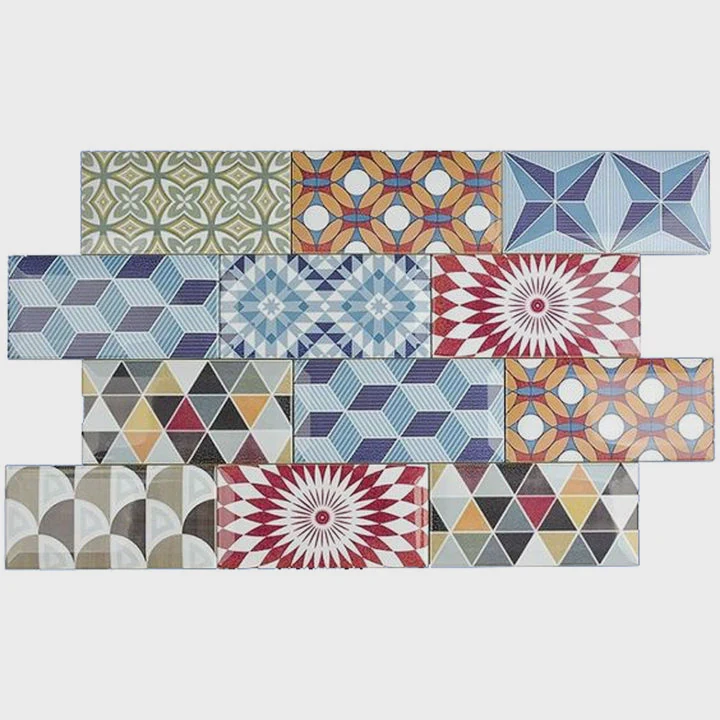
Finishing work protects the installation and improves long-term performance. This stage also creates the final visual effect customers notice first.
Apply Grout Carefully
Grout fills gaps between tiles and helps protect against moisture.
Use a grout float to spread grout diagonally across joints. This helps fill gaps completely without pulling material out.
Common grout types include:
| Grout Type | Best Use |
|---|---|
| Sanded grout | Wider joints |
| Unsanded grout | Narrow joints |
| Epoxy grout | High stain resistance |
Kitchen backsplashes often benefit from stain-resistant grout because cooking oils and food splashes are common.
Remove Excess Grout Properly
After grout begins to firm slightly, wipe the surface gently with a damp sponge.
Too much water can weaken grout color and strength. Cleaning should happen in stages rather than all at once.
A common process includes:
- Initial grout fill
- Light sponge cleaning
- Dry haze removal
- Final polishing
Finish Tile Edges Neatly
Visible tile edges should look smooth and professional.
Common edge finishing methods include:
- Metal trim strips
- Bullnose tiles
- Polished porcelain edges
- Stone edge profiles
Edge finishing becomes very important near cabinets and countertop ends.
Seal Grout if Needed
Some grout types need sealing after curing. Sealer helps reduce water absorption and staining.
Benefits of sealing include:
- Easier cleaning
- Better stain protection
- Longer grout life
- Reduced moisture penetration
Porcelain tiles themselves often need little maintenance, but grout joints remain vulnerable without protection.
Inspect the Full Installation
Final inspection helps identify small problems before project completion.
Check for:
| Inspection Area | What to Look For |
|---|---|
| Tile alignment | Straight grout lines |
| Hollow spots | Weak adhesive areas |
| Grout joints | Full and smooth filling |
| Surface finish | No haze or scratches |
Lighting from different angles can reveal hidden imperfections.
Allow Proper Curing Time
Many people use the backsplash too quickly after installation. Adhesive and grout both need curing time for full strength.
Typical curing recommendations:
- 24 hours before light cleaning
- 48 to 72 hours before heavy moisture exposure
Room temperature and humidity affect curing speed.
Maintain the Finished Backsplash
Long-term maintenance keeps backsplash surfaces looking clean and durable.
Simple maintenance tips include:
- Wipe oil splashes quickly
- Use mild cleaners
- Avoid harsh chemicals
- Inspect grout yearly
Many commercial buyers now prefer low-maintenance porcelain backsplash tiles because they combine modern appearance with easy cleaning performance.
Conclusion
A successful kitchen backsplash installation depends on preparation, even adhesive application, proper spacer use, and careful finishing work. Each step supports durability, appearance, and long-term performance, especially in modern residential and commercial kitchen projects.