How to Finish Tile Edges?
- Sinotiles
- 2026-04-09
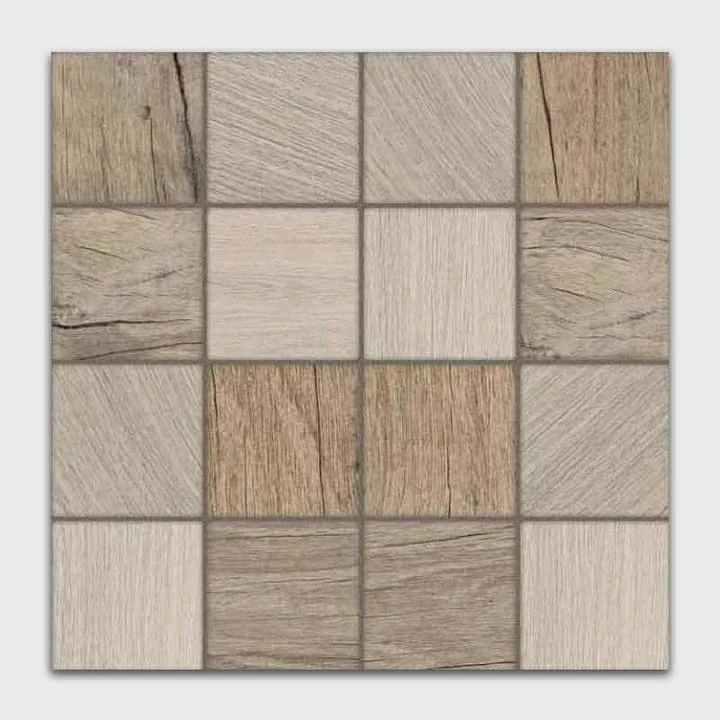
Rough tile edges can ruin an otherwise perfect installation. Many projects look unfinished because edge details are ignored.
To finish tile edges, you can use trims, bullnose tiles, or polishing techniques to create smooth, protected, and visually clean edges.
Edge finishing is not just decoration. It protects tiles and improves durability. Let’s explore the best ways to handle it.
What options are available for tile edge finishing?
Many installers overlook edge finishing until the last moment. This leads to poor design choices and rushed results.
Tile edge finishing options include metal trims, PVC trims, bullnose tiles, and polished edges, each suited for different styles and budgets.
Main edge finishing methods
There are several ways to finish tile edges. Each has its own strengths.
| Method | Description | Best For |
|---|---|---|
| Metal trim | Aluminum or steel edge | Modern spaces |
| PVC trim | Plastic edge strip | Budget projects |
| Bullnose tile | Rounded tile edge | Classic design |
| Polished edge | Smooth cut tile edge | Minimalist look |
Metal trims
Metal trims are widely used today.
- Clean and modern appearance
- Strong edge protection
- Available in many finishes
They work well in kitchens and bathrooms.
PVC trims
PVC trims are simple and affordable.
- Easy to install
- Lightweight
- Good for low-traffic areas
However, they are less durable over time.
Bullnose tiles
Bullnose tiles have factory-finished rounded edges.
- Smooth appearance
- No need for extra trim
- Ideal for traditional designs
But they may not always match every tile series.
Polished edges
Polishing creates a smooth edge from a cut tile.
- Seamless look
- No additional materials needed
- Popular in modern interiors
Choosing the right option
The decision depends on:
- Design style
- Budget
- Tile type
Practical insight
In many projects, combining methods works best. For example, trims for exposed edges and polishing for subtle areas.
How do you install trim for clean tile edges?
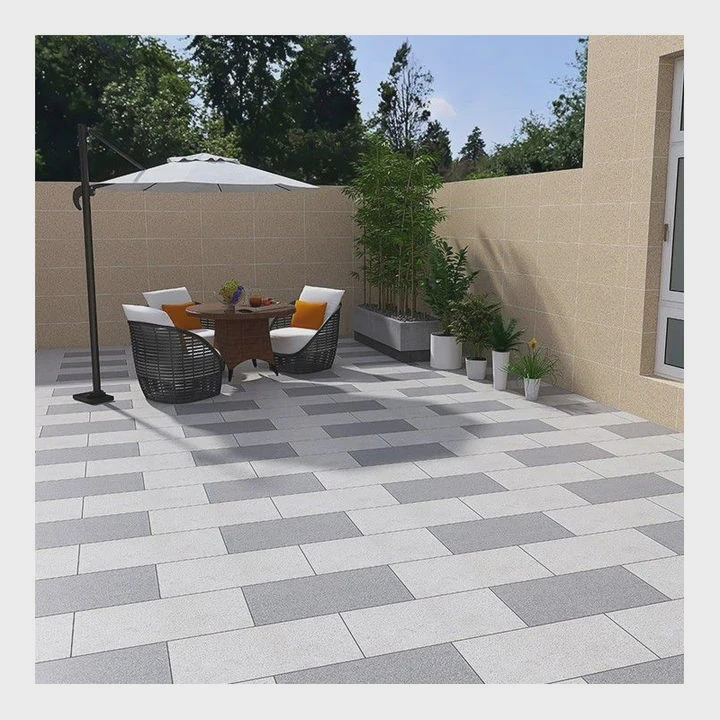
Even high-quality trim looks bad if installed poorly. Misalignment and weak bonding are common issues.
To install trim cleanly, embed it into tile adhesive, align it precisely, and place tiles tightly against it for a seamless finish.
Step-by-step process
Follow these steps for proper installation:
- Spread tile adhesive on the surface
- Press trim into the adhesive
- Check alignment with a level
- Apply additional adhesive over trim flange
- Install tiles next to the trim
Why embedding matters
Trim must be part of the tile system.
- It increases strength
- Prevents movement
- Ensures durability
Alignment techniques
Use tools to maintain precision:
- Spirit level
- Tile spacers
Even small errors become visible after grouting.
Spacing considerations
Leave a small joint between tile and trim.
This allows:
- Grout application
- Expansion movement
Handling corners and edges
Corners require extra attention.
Options include:
- Miter cutting trim
- Using pre-made corner pieces
Common mistakes
Avoid these:
- Installing trim after tiles
- Not checking alignment
- Using insufficient adhesive
Field experience
Projects with well-installed trim always look more professional. It is a small step with a big visual impact.
Which tools help smooth tile edge surfaces?
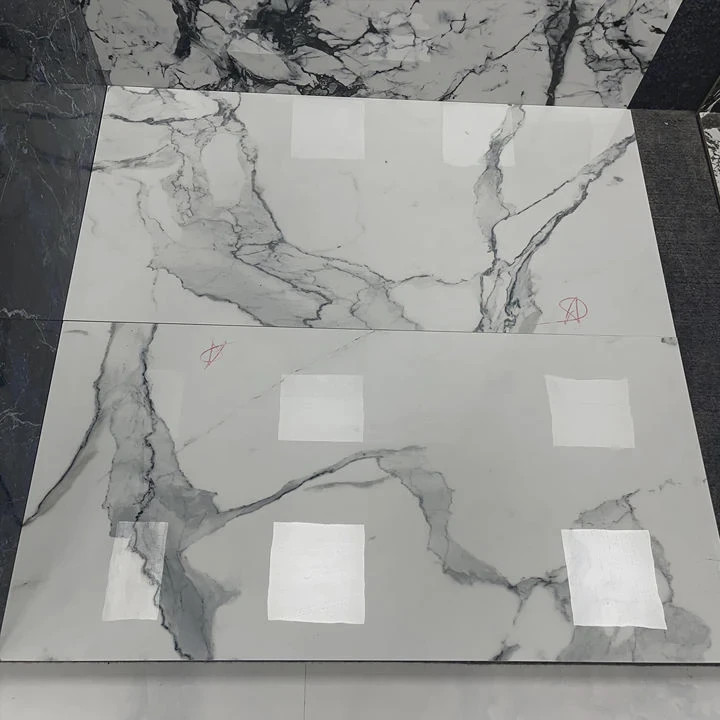
Cut tile edges are often sharp and uneven. Without proper tools, finishing becomes difficult.
Tools like diamond polishing pads, sanding blocks, and angle grinders help smooth tile edges and improve safety and appearance.
Essential tools for edge finishing
Different tools are used depending on the level of finish required.
| Tool | Purpose | Best Use |
|---|---|---|
| Diamond polishing pads | Smooth and polish edges | High-quality finish |
| Sanding block | Light smoothing | Small adjustments |
| Angle grinder | Shaping and cutting | Rough edge work |
| Wet polisher | Fine polishing | Professional results |
Diamond polishing pads
These are the most effective tools.
- Provide smooth finish
- Available in different grits
- Suitable for porcelain and ceramic
Sanding blocks
Good for minor adjustments.
- Easy to use
- Low cost
- Limited polishing ability
Angle grinder
Used for shaping edges.
- Fast cutting
- Suitable for thick tiles
- Requires careful handling
Wet polishing machines
Used in professional settings.
- Produces high-gloss finish
- Reduces dust
- Improves precision
Safety considerations
Always use:
- Protective gloves
- Safety goggles
- Dust masks
Choosing the right tool
The choice depends on:
- Tile material
- Desired finish
- Skill level
Practical insight
Using the right tool can turn a rough cut into a factory-like finish. This step greatly improves final quality.
Can polishing improve exposed tile edges?
Many believe polishing is optional. In reality, it can completely change the final look.
Polishing exposed tile edges improves smoothness, enhances appearance, and creates a seamless, high-end finish.
Why polishing matters
Cut edges are usually:
- Rough
- Sharp
- Visually inconsistent
Polishing fixes all these issues.
Polishing process
The process involves multiple steps:
- Start with coarse grit pad
- Gradually move to finer grits
- Finish with high-grit polishing
Each step improves smoothness.
Benefits of polished edges
- Safer to touch
- Better appearance
- No need for trim in some designs
When polishing is ideal
Polishing works best when:
- Using rectified tiles
- Creating minimalist designs
- Avoiding visible trims
Limitations
Polishing may not be suitable for:
- Very textured tiles
- Low-quality materials
- Projects with tight timelines
Comparing polished vs trim edges
| Feature | Polished Edge | Trim Edge |
|---|---|---|
| Appearance | Seamless | Defined border |
| Cost | Labor-intensive | Material cost |
| Durability | Depends on skill | Very durable |
Skill requirement
Polishing requires practice.
Poor polishing can lead to:
- Uneven edges
- Dull finish
Real-world experience
In high-end projects, polished edges are often preferred. They create a clean, continuous surface that looks premium and modern.
Conclusion
Finishing tile edges properly enhances both durability and appearance. Whether using trims, bullnose tiles, or polishing, the right method ensures a clean and professional result.