How to use a handheld tile cutter?
- Sinotiles
- 2026-04-09
Cutting tiles the wrong way leads to cracks, wasted material, and frustration. Many beginners struggle with simple tools and get uneven results.
A handheld tile cutter works by scoring the tile surface and applying controlled pressure to snap it cleanly along the line. Proper technique ensures accurate and clean cuts.
Using this tool correctly saves time, reduces waste, and improves installation quality.
What tools are needed for manual tile cutting?
Many people think one tool is enough. But missing small accessories often leads to poor cutting results.
Manual tile cutting requires a handheld tile cutter, measuring tools, marking tools, and safety equipment to ensure accuracy and safety.
A complete setup improves both precision and efficiency. Each tool plays a role in the process.
Essential tools for manual tile cutting
1. Handheld tile cutter
This is the main tool.
- Used to score and snap tiles
- Suitable for ceramic and some porcelain tiles
2. Measuring tools
Accurate measurement prevents mistakes.
- Tape measure
- Ruler or straight edge
3. Marking tools
Clear markings guide the cut.
- Pencil or marker
- Chalk for larger tiles
4. Safety equipment
Cutting tiles can produce sharp edges.
- Gloves
- Safety glasses
5. Tile nippers (optional)
Used for small adjustments.
- Trim edges
- Shape irregular cuts
Tool setup overview
| Tool | Purpose | Importance |
|---|---|---|
| Tile cutter | Score and snap | Essential |
| Measuring tools | Accuracy | High |
| Marker | Guide line | High |
| Safety gear | Protection | Essential |
| Tile nippers | Fine shaping | Optional |
Practical insight
In many projects, poor results are not due to the cutter itself. They come from inaccurate marking or lack of proper support. A simple setup done correctly often gives better results than expensive tools used poorly.
How do you score tiles accurately with a cutter?
An uneven score line leads to rough edges or broken tiles. This is one of the most common beginner mistakes.
To score tiles accurately, apply steady pressure along a straight marked line using a single smooth pass with the cutter wheel.
Scoring is the most important step. A clean score line controls how the tile breaks.
Step-by-step scoring process
1. Mark the cutting line
Precision starts here.
- Use a ruler for straight lines
- Ensure visibility
2. Position the cutter
Align the cutting wheel exactly on the line.
- Double-check alignment
- Keep tile stable
3. Apply consistent pressure
Too much or too little pressure causes problems.
- Press firmly but not aggressively
- Maintain even force
4. Score in one pass
Do not go back and forth.
- One smooth motion
- Avoid multiple passes
Key scoring tips
- Keep the cutter wheel clean
- Replace worn wheels
- Practice on spare tiles
Common scoring mistakes
| Mistake | Result |
|---|---|
| Multiple passes | Uneven break |
| Weak pressure | Incomplete score |
| Excess force | Tile damage |
| Misalignment | Crooked cuts |
Real-world experience
In many factory training sessions, beginners improve quickly once they learn to trust a single smooth motion. Overworking the score line often causes more harm than good.
Which techniques prevent tile cracking during cuts?
Tile cracking wastes material and increases cost. It often happens due to poor technique rather than tool failure.
To prevent cracking, ensure proper support, use even pressure, score correctly, and snap the tile with controlled force.
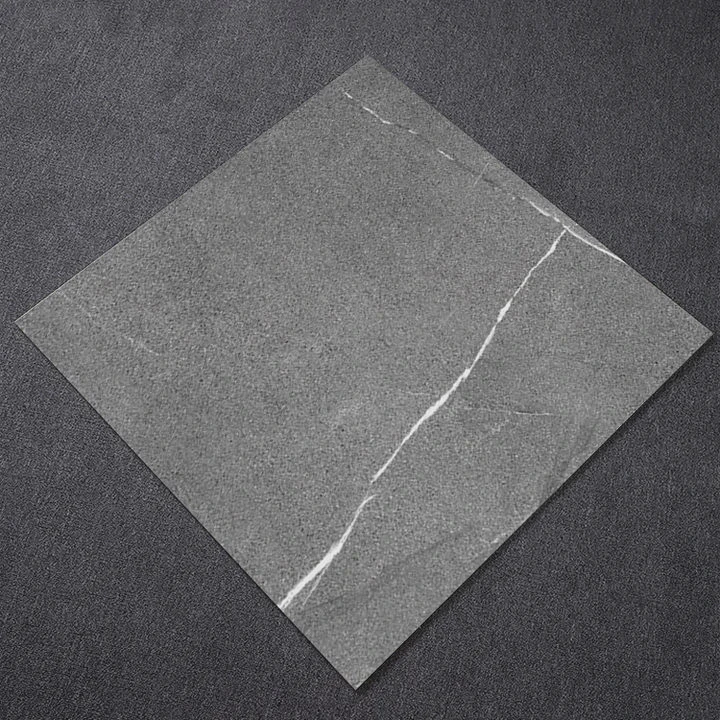
Preventing cracks requires attention to both preparation and execution.
Key techniques to avoid cracking
1. Support the tile fully
Tiles must sit on a stable surface.
- Avoid uneven support
- Prevent stress points
2. Use correct pressure when snapping
Snapping too hard breaks tiles.
- Apply gradual force
- Follow the score line
3. Score properly
A weak score leads to random breaks.
- Ensure full-length scoring
- Maintain consistency
4. Use the right tile type
Some tiles are harder to cut.
- Thick porcelain may need stronger tools
- Check tile hardness
Crack prevention checklist
| Factor | Best Practice |
|---|---|
| Support | Flat and stable |
| Pressure | Controlled and even |
| Scoring | Single clean line |
| Tool condition | Sharp cutting wheel |
Additional tips
- Warm tiles slightly in cold environments
- Avoid cutting extremely small strips
- Practice before final cuts
Practical insight
Many tile cracks happen at the snapping stage. Slowing down and applying steady pressure often solves the issue. Speed is not important here. Control is.
Can handheld cutters replace power tools effectively?
Some users expect handheld cutters to do everything. But each tool has its limits.
Handheld tile cutters can replace power tools for straight cuts on ceramic and some porcelain tiles, but they are not suitable for thick tiles, curves, or complex shapes.
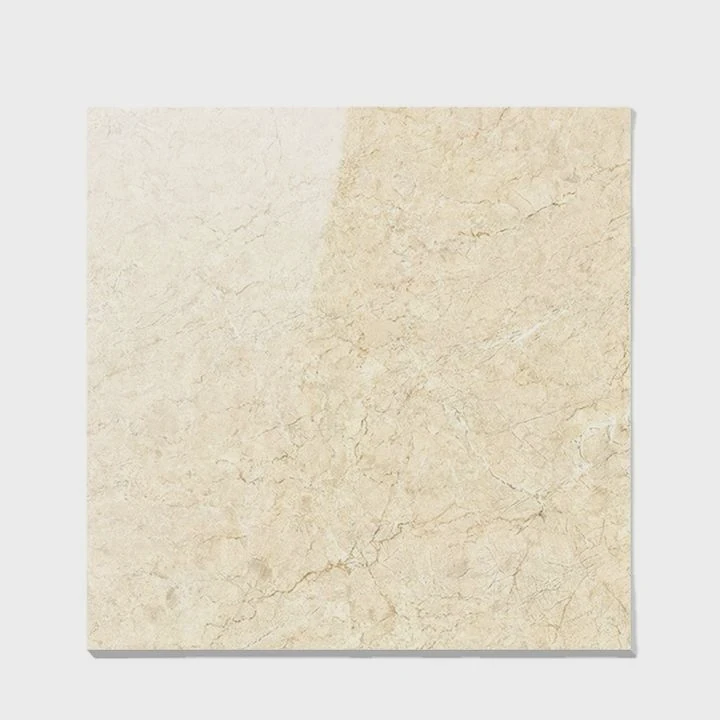
Understanding tool limits helps avoid frustration and damage.
When handheld cutters work best
- Straight cuts
- Thin to medium tiles
- Ceramic tiles
- Small projects
When power tools are needed
- Thick porcelain tiles
- Curved cuts
- Irregular shapes
- Large-format tiles
Comparison of cutting tools
| Feature | Handheld Cutter | Power Tool |
|---|---|---|
| Cost | Low | High |
| Portability | High | Medium |
| Precision | Good (straight cuts) | High |
| Versatility | Limited | High |
| Skill level | Easy | Moderate |
Practical perspective
In many projects, handheld cutters are enough for standard work. They are simple, fast, and cost-effective. However, for high-end or complex designs, power tools provide better flexibility.
Choosing the right tool depends on the job, not just convenience.
Conclusion
A handheld tile cutter is a simple but effective tool when used correctly. With proper tools, accurate scoring, and controlled techniques, it delivers clean cuts while reducing waste and improving efficiency.