What Type of Tile for Shower?
- Sinotiles
- 2026-04-09
Choosing the wrong tile for a shower leads to slipping, stains, and long-term damage. Many projects fail because of poor material decisions.
The best shower tiles are porcelain, ceramic, and natural stone with proper sealing, chosen based on water resistance, slip resistance, and durability.
A shower is a high-moisture space. Every choice, from tile to grout, affects long-term performance.
Which materials are best for shower environments?
Many materials look good at first. But not all can handle constant water exposure.
Porcelain, ceramic, and properly sealed natural stone are the best materials for showers due to their water resistance, durability, and ease of maintenance.
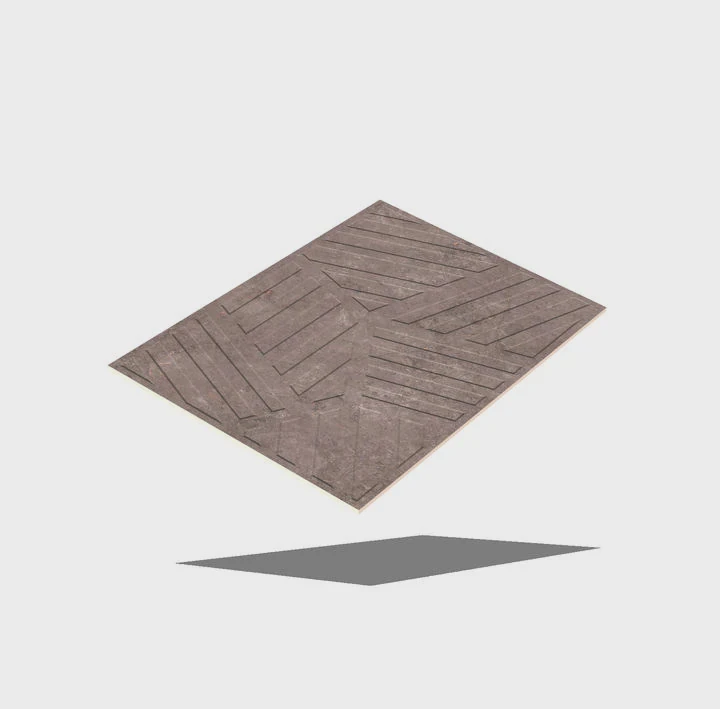
Each material has its strengths. The right choice depends on budget, design, and usage.
Common shower tile materials
| Material | Water Resistance | Durability | Maintenance Level |
|---|---|---|---|
| Porcelain Tile | Excellent | Very High | Low |
| Ceramic Tile | High | High | Low |
| Natural Stone | Medium | High | High |
| Glass Tile | Excellent | Medium | Low |
Why porcelain stands out
Porcelain tiles are dense and absorb very little water. This makes them ideal for wet environments like showers.
They also resist stains and scratches. This reduces maintenance over time.
Ceramic tile advantages
Ceramic tiles are more affordable. They are easy to install and come in many designs.
However, they absorb slightly more water than porcelain. Proper sealing helps improve performance.
Natural stone considerations
Stone tiles offer a premium look. But they require sealing and regular maintenance.
Without sealing, they absorb water and stain easily.
Glass tiles
Glass tiles resist water completely. They are often used for decorative walls, not floors.
Practical insight
In many projects, porcelain tiles are the first choice. They balance cost, durability, and performance.
For high-end designs, stone tiles are used, but only with proper sealing plans.
How does slip resistance affect tile selection?
Slippery tiles create safety risks. This is a major concern in wet areas like showers.
Slip resistance is critical for shower safety, and tiles with textured surfaces or higher slip ratings should be used, especially for floors.
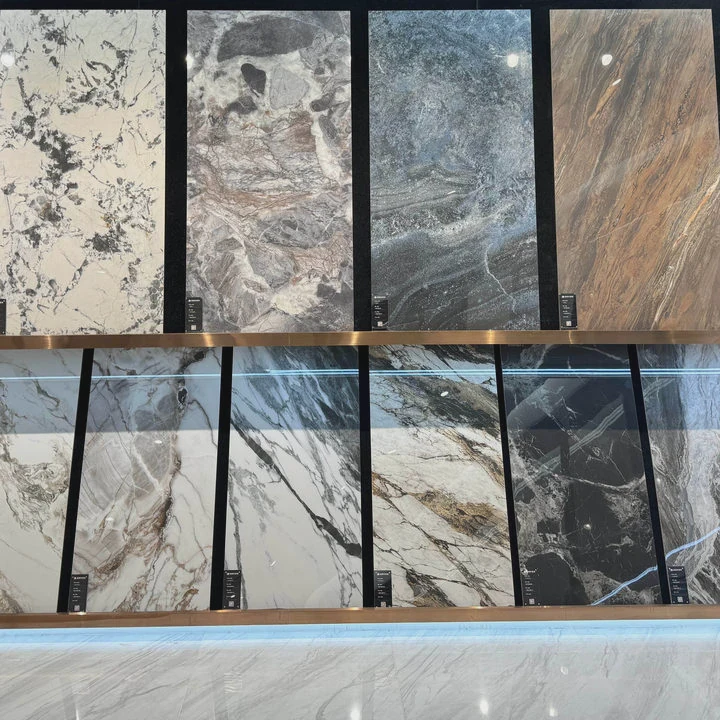
Ignoring slip resistance can lead to accidents. Safety should always come first.
Understanding slip ratings
Slip resistance is measured by coefficient of friction (COF).
| COF Rating | Slip Resistance Level | Recommended Use |
|---|---|---|
| < 0.4 | Low | Dry areas only |
| 0.4 - 0.6 | Medium | Light wet areas |
| > 0.6 | High | Shower floors |
Types of anti-slip surfaces
- Textured finishes
- Matte surfaces
- Small tiles with more grout lines
Why smaller tiles help
Smaller tiles create more grout joints. These joints add grip and reduce slipping.
This is why mosaic tiles are common for shower floors.
Common mistakes
- Using glossy tiles on floors
- Ignoring slip ratings
- Choosing style over safety
Balancing design and safety
It is possible to combine both:
- Use textured tiles for floors
- Use smooth tiles for walls
Practical experience
In many commercial and residential projects, slip resistance is a key requirement. Builders often follow strict safety standards.
This ensures long-term usability and reduces liability risks.
What tile sizes suit shower floors and walls?
Tile size affects both function and appearance. Choosing the wrong size can cause drainage or installation issues.
Small tiles are best for shower floors due to better grip and drainage, while larger tiles work well for walls to create a clean and modern look.
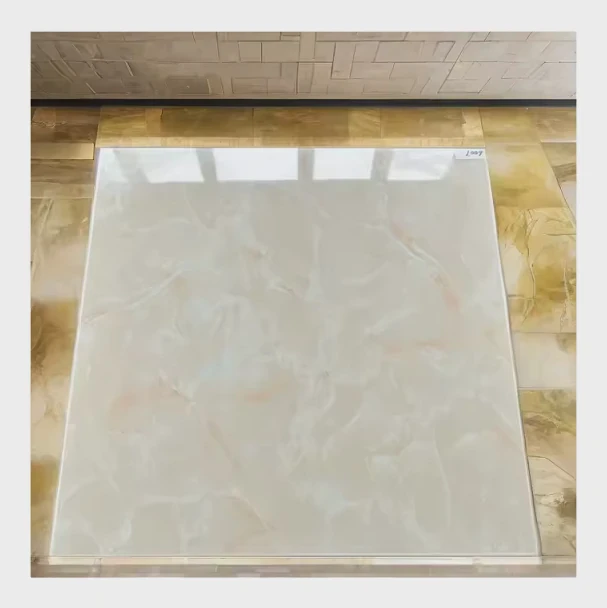
Tile size is not just about design. It directly impacts performance.
Recommended tile sizes
| Area | Tile Size Range | Reason |
|---|---|---|
| Shower Floor | 25x25mm - 100x100mm | Better grip and drainage |
| Shower Walls | 300x600mm - 600x1200mm | Fewer joints, cleaner look |
| Feature Walls | Mosaic or large format | Decorative effect |
Why small tiles work for floors
Shower floors require slope for drainage. Small tiles adapt better to uneven surfaces.
They also reduce slipping due to more grout lines.
Large tiles for walls
Large tiles reduce grout lines. This creates a cleaner appearance and easier maintenance.
They also make small bathrooms look bigger.
Challenges with large tiles
- Harder to install
- Require flat surfaces
- More cutting needed
Design considerations
Mixing tile sizes creates visual contrast:
- Small tiles on floors
- Large tiles on walls
Practical insight
In many modern designs, large-format tiles are popular. However, installers must ensure proper leveling to avoid issues.
Correct size selection improves both function and appearance.
Can grout choice impact shower tile durability?
Many people focus only on tiles. But grout plays an equally important role.
Grout choice significantly impacts durability, as high-quality grout resists water, mold, and cracking, protecting both tiles and the substrate.
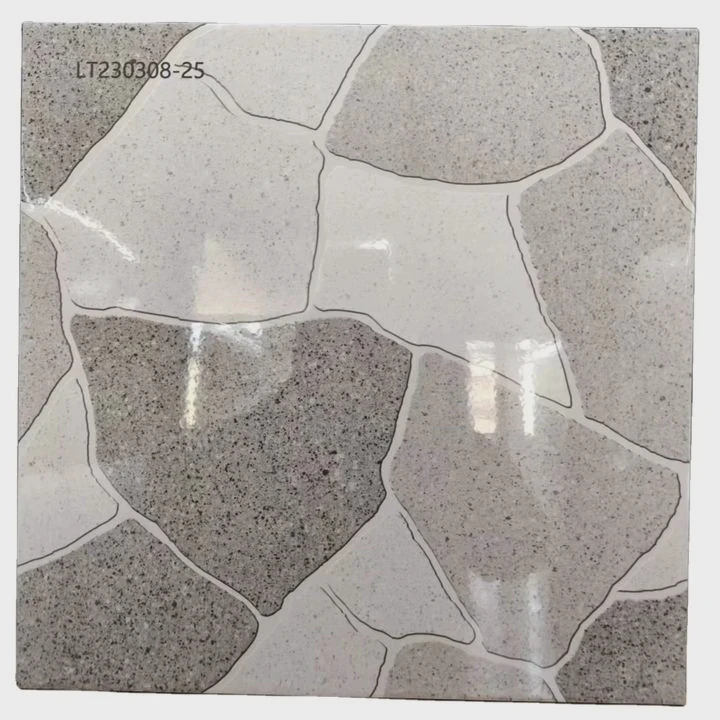
Grout fills the gaps between tiles. It acts as a barrier against water and dirt.
Types of grout
| Grout Type | Water Resistance | Durability | Maintenance |
|---|---|---|---|
| Cement Grout | Medium | Medium | High |
| Epoxy Grout | Excellent | Very High | Low |
| Urethane Grout | High | High | Medium |
Cement grout
This is the most common type. It is affordable but porous.
It requires sealing to improve water resistance.
Epoxy grout
Epoxy grout is highly resistant to water and stains. It does not need sealing.
It is ideal for showers but costs more.
Urethane grout
This offers a balance between performance and ease of use. It is flexible and resists cracking.
Why grout matters
Poor grout leads to:
- Water penetration
- Mold growth
- Tile loosening
Maintenance considerations
Even high-quality grout needs cleaning. However, better grout reduces long-term maintenance.
Practical experience
In high-end or commercial projects, epoxy grout is often preferred. It provides long-term reliability and reduces repair costs.
Choosing the right grout is not optional. It is essential for a durable shower system.
Conclusion
Choosing the right shower tile involves material, slip resistance, size, and grout. Each factor affects durability and safety. With proper selection and installation, shower tiles can remain strong, clean, and visually appealing for many years.