How to Fix Pool Tile That Fell Off?
- Sinotiles
- 2026-05-13
A fallen pool tile can ruin a pool’s look and create safety hazards. Ignoring it leads to more loose tiles and costly repairs.
Fixing a pool tile quickly prevents water damage, maintains aesthetics, and ensures safe pool use. Proper technique and materials are key.
Knowing why tiles fall and how to reattach them can save time and money while restoring the pool’s finish.
What causes pool tiles to detach over time?
Pool tiles detach due to water, chemicals, and poor installation. Many pool owners are surprised when a tile suddenly pops off.
Tiles fall off because water seeps behind them, adhesive fails, or the pool surface moves over time. Proper installation and maintenance reduce this risk.
Common causes of tile detachment
- Water infiltration: Constant exposure weakens adhesive bonds.
- Poor adhesive choice: Ordinary glue fails underwater.
- Freeze-thaw cycles: In outdoor pools, expansion and contraction loosen tiles.
- Structural movement: Pool walls shift slightly over time.
- Chemical imbalance: High chlorine or low pH damages grout and adhesive.
Observing early signs
- Small cracks in grout around tiles.
- Wobbly or loose tiles when pressed.
- Discoloration or water behind grout lines.
Understanding these causes helps prevent future detachment. Regular inspection and proper materials reduce the chance of tile failure.
How can adhesive be reapplied for pool tiles?
Reattaching a tile requires the right adhesive and proper surface preparation. Using household glue will not last underwater.
Reapply adhesive by cleaning the surface, using waterproof tile adhesive, and pressing the tile firmly in place.
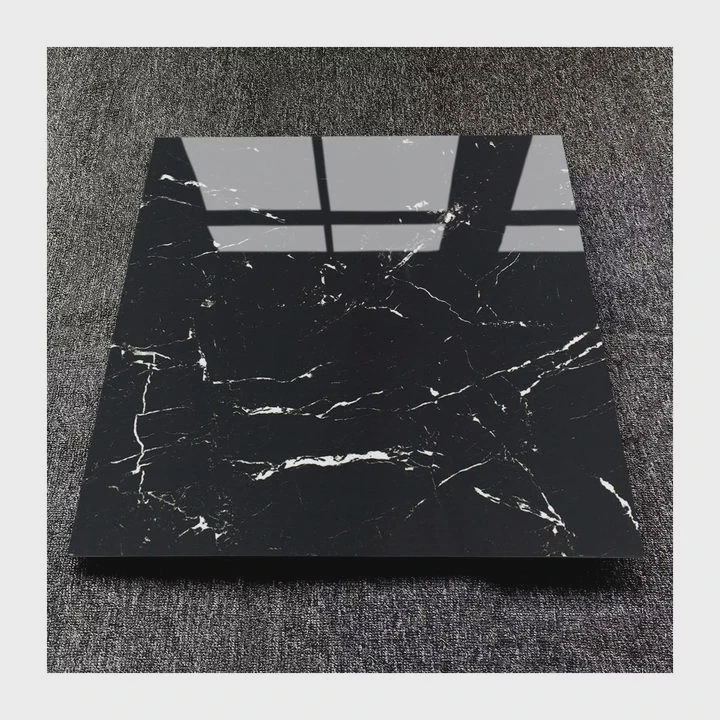
Steps for adhesive reapplication
- Remove old adhesive: Scrape the pool surface clean.
- Clean the tile: Remove old grout or residue.
- Choose the right adhesive: Use a waterproof, pool-grade thinset mortar.
- Apply adhesive: Spread evenly on the tile or wall.
- Press tile firmly: Ensure full contact with the wall.
- Allow curing: Follow manufacturer instructions, usually 24-48 hours.
Tips for best results
- Use a notched trowel to spread adhesive evenly.
- Slightly twist the tile while pressing to remove air pockets.
- Avoid excess adhesive that may ooze through grout lines.
Proper adhesive application ensures the tile stays attached for years. Skipping preparation or using the wrong mortar is the main reason repairs fail.
Why is waterproof mortar essential for pool repairs?
Pool water constantly touches tiles. Standard mortar absorbs water, causing tiles to loosen or crack. Waterproof mortar prevents these issues.
Waterproof mortar forms a strong, water-resistant bond that withstands immersion, chemicals, and pool movement, making it essential for lasting repairs.
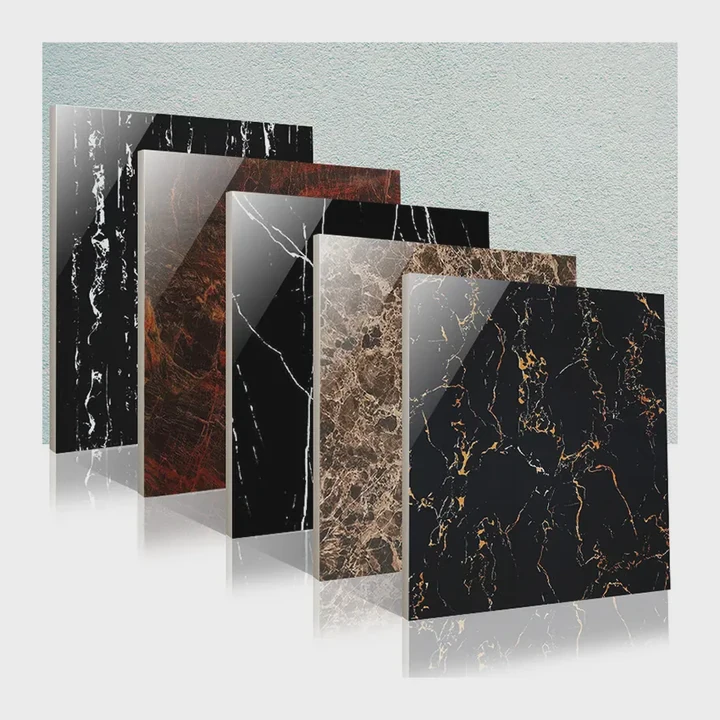
How waterproof mortar works
Waterproof mortars are blended with additives that resist moisture and chemical damage. They maintain adhesion even in submerged conditions.
- Prevents seepage: Stops water from weakening the adhesive bond.
- Resists chemicals: Chlorine and other pool chemicals do not degrade the bond.
- Accommodates movement: Flexible enough to handle minor shifts in pool structure.
Choosing the right mortar
| Mortar Type | Best Use | Notes |
|---|---|---|
| Epoxy-based mortar | High chemical pools | Very strong, waterproof |
| Polymer-modified thinset | Standard pools | Good balance of adhesion and flexibility |
| Waterproof cementitious | Most common outdoor pools | Affordable, durable |
Using waterproof mortar is not optional for pools. It ensures the tile stays in place and prevents future repairs. Non-waterproof adhesive fails quickly, leading to repeated work.
Which steps ensure long-lasting tile reattachment?
Reattaching pool tiles is more than gluing them back. Proper surface prep, correct adhesive, and correct curing create a durable fix.
Long-lasting reattachment depends on cleaning, using waterproof mortar, aligning tiles, and allowing proper curing time.
Step-by-step guide
- Drain water if needed: Access the area safely.
- Remove damaged grout: Use a grout saw or scraper.
- Clean surfaces: Remove all old adhesive and debris.
- Mix waterproof mortar: Follow instructions for consistency.
- Apply mortar evenly: Use a notched trowel for best adhesion.
- Press tile firmly: Ensure no air pockets.
- Check alignment: Keep tile level with surrounding tiles.
- Allow curing: Do not fill pool or add chemicals until fully cured.
- Grout the tile: Once mortar is cured, use waterproof grout.
- Seal grout if needed: Enhances durability and resists chemical damage.
Additional tips
- Test tile stability after 24 hours before exposing to full water pressure.
- For large areas, replace multiple tiles at once to maintain pattern.
- Keep spare mortar and grout for touch-ups.
Common mistakes to avoid
| Mistake | Result | How to avoid |
|---|---|---|
| Using non-waterproof adhesive | Tile loosens quickly | Use pool-grade mortar only |
| Skipping cleaning step | Poor adhesion, air pockets | Thoroughly clean all surfaces |
| Ignoring curing time | Grout and tile fail prematurely | Follow recommended curing time |
Following these steps ensures your repair lasts for years. Proper preparation and materials are as important as the technique.
Conclusion
Fixing a fallen pool tile requires understanding why it fell, cleaning surfaces, using waterproof mortar, and applying proper technique. Following correct steps ensures long-lasting repairs, safe swimming, and restored pool beauty.