How to Install Shower Floor Tile?
- Sinotiles
- 2026-05-13
Starting a shower tile project can feel tricky. Many homeowners struggle with getting tiles to look professional and stay durable.
Installing shower floor tile correctly ensures a safe, water-resistant, and visually pleasing surface that lasts for years. Proper planning, materials, and technique make all the difference.
Every step matters. From choosing the right tiles to sealing, each action affects the final result and durability of your shower floor. Let’s explore the essentials.
What materials are required for shower tile installation?
Choosing the right materials can prevent future damage and make installation smoother.
Key materials include waterproofing membranes, mortar, tiles, spacers, grout, and sealant, each serving a unique purpose in ensuring durability and safety.
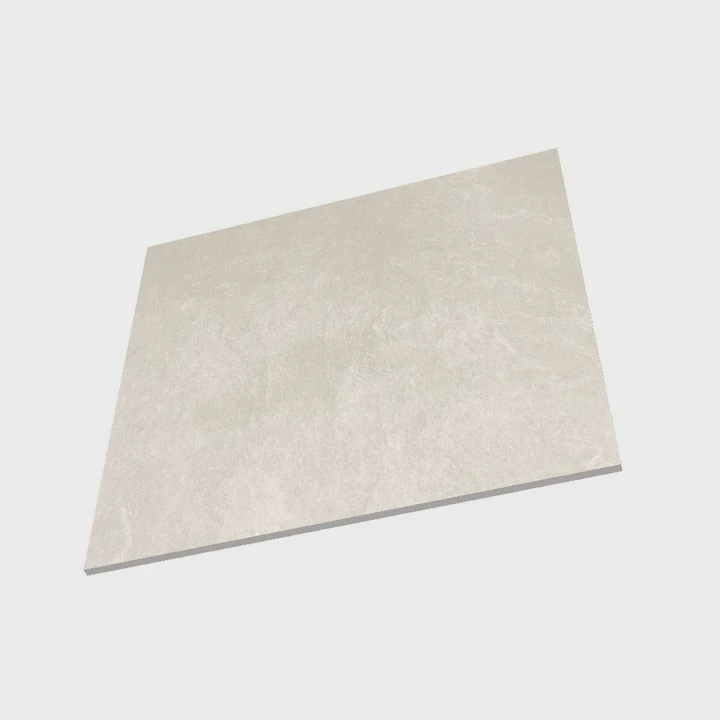
When planning a shower tile installation, selecting quality materials is critical. First, waterproofing is essential. A shower floor constantly faces water, so a waterproof membrane or backer board is necessary. This prevents leaks and protects the structure beneath. Next, mortar or thin-set adhesive is needed to secure tiles firmly. Not all mortars are the same; choose one rated for wet areas. Tiles themselves vary in material and size. Porcelain and ceramic are common, with smaller mosaic tiles offering better slip resistance on shower floors.
Spacers help maintain even gaps between tiles. Consistent spacing allows grout to fill joints properly, preventing water penetration. Grout fills these spaces and adds structural integrity, but it must be water-resistant. Lastly, sealant protects grout and edges from water. Some sealants also prevent mold growth, which is common in showers.
Material Checklist Table
| Material | Purpose | Tips |
|---|---|---|
| Waterproof membrane | Prevent water damage | Use under tiles on floor and walls |
| Thin-set mortar | Secure tiles | Choose type for wet areas |
| Tiles (porcelain/ceramic) | Main surface | Small tiles for slip resistance |
| Tile spacers | Maintain even spacing | Consistent size ensures uniform joints |
| Grout | Fill gaps and strengthen floor | Choose water-resistant grout |
| Sealant | Protect edges and grout | Reapply yearly for maintenance |
Using the correct materials reduces repairs and increases the lifespan of your shower floor. Skipping any can lead to leaks, mold, or tile movement.
How can spacing ensure even tile placement?
Incorrect spacing leads to uneven surfaces, weak grout lines, and a poor appearance.
Tile spacers create consistent gaps, which help tiles align properly and allow grout to form strong, waterproof joints.
Even spacing is more than aesthetics. Proper alignment ensures that tiles bond well with mortar and grout. Using spacers allows consistent joint width and reduces grout cracking. Without spacers, tiles may shift while mortar dries, leading to uneven surfaces. Standard spacing ranges from 1⁄16 to 1⁄8 inch for small tiles, while larger tiles can use 1⁄8 to 1⁄4 inch. Mosaic tiles often have built-in spacing.
Benefits of Correct Spacing
- Prevents uneven surfaces
- Reduces grout cracking
- Improves overall durability
- Enhances visual appeal
Example Tile Layout Table
| Tile Size | Recommended Spacer | Notes |
|---|---|---|
| 2”x2” Mosaic | 1⁄16” | Built-in spacing may be enough |
| 4”x4” Ceramic | 1⁄8” | Common for shower floors |
| 12”x12” Porcelain | 1⁄4” | Larger tiles require wider joints |
Proper spacing ensures water moves through grout effectively without seeping underneath. For uneven floors, use a level frequently to adjust tiles as you go. Correct alignment and consistent spacing prevent long-term issues like water damage or loose tiles.
Why is drainage slope critical in showers?
Without a proper slope, water pools on the floor, causing mold, slippery surfaces, and tile damage.
A minimum slope of 1⁄4 inch per foot ensures water flows toward the drain efficiently, preventing standing water and maintaining a safe shower environment.
The shower floor must be slightly angled toward the drain. This slope, often called a “pitch,” is essential for water management. Flat floors allow water to pool, which increases the risk of slipping and damages grout and tiles over time. Correct slope also prevents leaks beneath the floor structure. Standard practice is 1⁄4 inch drop per foot of floor length toward the drain.
Drainage Slope Tips
- Check the slope with a level before laying mortar.
- Use a pre-sloped mortar bed for uniform slope.
- For large floors, use a linear drain to simplify drainage.
- Avoid slopes greater than 1⁄2 inch per foot; excessive angles can make tiles look uneven.
A well-sloped shower floor contributes to both safety and longevity. Water flows naturally to the drain, keeping tiles dry and grout intact. Proper slope also helps maintain hygiene, as standing water can become a breeding ground for bacteria and mold.
Which sealing methods protect shower tiles best?
Tiles alone are not enough. Water can penetrate grout and edges if not sealed properly.
Using penetrating or membrane-based sealants ensures water cannot reach underlying structures, preserving tiles and preventing mold growth.
Sealing is the final step but one of the most critical. Penetrating sealers soak into grout, making it water-resistant without altering appearance. Membrane-based sealants form a protective layer over tile edges and corners. Both methods work together to block water. Regular reapplication maintains protection over time.
Sealing Techniques Table
| Method | Application | Benefits |
|---|---|---|
| Penetrating sealer | Brush or spray onto grout | Absorbs into grout, prevents water penetration |
| Membrane sealant | Apply along tile edges and corners | Blocks water on surfaces and joints |
| Combination approach | Use both for full protection | Maximum defense against leaks and mold |
Proper sealing is especially important in showers with high water use. Regular maintenance, like reapplying sealant every 12-18 months, ensures long-term performance. Ignoring sealing can result in cracked grout, loose tiles, and water damage to walls and subfloor.
Conclusion
Installing a shower floor tile requires careful material selection, precise spacing, correct slope, and thorough sealing. Following these steps ensures a durable, safe, and beautiful shower for years to come.