How to fix tile grout cracks?
- Sinotiles
- 2026-05-04
Cracked grout looks small at first. Then water seeps in. Then tiles loosen. This problem grows fast if no one fixes it early.
You can fix tile grout cracks by removing damaged grout, choosing the right repair grout, applying it correctly, and sealing it after curing. This process restores both strength and appearance.
Grout repair is not just cosmetic. It protects the tile system. A proper method can extend tile life for many years.
What causes grout to crack over time?
Cracked grout often starts as a small line. Many people ignore it. Later, it spreads across the surface and weakens the whole tile system.
Grout cracks over time due to movement, poor installation, wrong grout type, moisture, and temperature changes. These factors slowly break the bond between tiles and grout.
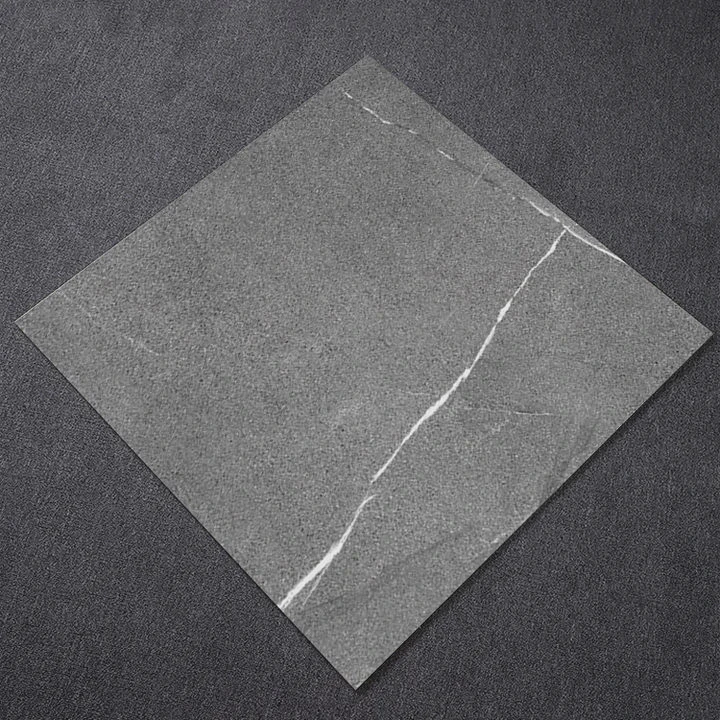
Grout is not flexible. It is a rigid material. So any movement underneath will create stress. That stress leads to cracks.
Common causes of grout cracking
| Cause | Description | Impact |
|---|---|---|
| Structural movement | Floor or wall shifts slightly | Creates stress lines |
| Poor installation | Incorrect mixing or spacing | Weak grout strength |
| Wrong grout type | Using standard grout in flexible areas | Leads to early failure |
| Moisture exposure | Water penetration over time | Weakens bonding |
| Temperature changes | Expansion and contraction | Causes cracking |
1. Structural movement
Every building moves a little. Floors expand. Walls settle. If there is no movement joint, grout takes all the stress. It cracks first.
2. Poor installation quality
Improper mixing is a big issue. Too much water makes grout weak. Also, if installers do not pack grout tightly, air gaps form. These gaps reduce strength.
3. Using the wrong grout
Not all grout is the same. Standard cement grout works well in stable areas. But in high movement areas like kitchens or large tiles, flexible grout is better.
4. Moisture problems
Water is the silent enemy. It enters through small gaps. Over time, it breaks down the internal structure of grout.
5. Temperature changes
Heat causes expansion. Cold causes contraction. This repeated cycle creates stress. Eventually, cracks appear.
Key insight
Grout failure is rarely one reason. It is usually a combination. That is why repair must address the root cause, not just the surface crack.
How do you remove damaged grout safely?
Many people rush this step. That leads to broken tiles. Safe removal is slow and controlled.
You remove damaged grout safely by using proper tools, applying steady pressure, and avoiding tile edges. Manual or electric tools can both work when used carefully.

Removing grout is the most delicate step. One mistake can chip tiles. So control matters more than speed.
Tools for grout removal
| Tool | Best Use | Advantage |
|---|---|---|
| Grout saw | Small areas | High control |
| Oscillating tool | Medium areas | Faster work |
| Rotary tool | Hard grout | Deep removal |
| Utility knife | Fine edges | Precision |
Step-by-step safe removal
Step 1: Choose the right tool
Manual tools are safer for beginners. Power tools are faster but need experience.
Step 2: Start from the center
Never start near tile edges. Start in the middle of the grout line. This reduces risk of chipping tiles.
Step 3: Apply light pressure
Too much force causes damage. Let the tool do the work. Move slowly and evenly.
Step 4: Remove enough depth
You should remove at least 2–3 mm depth. This allows new grout to bond properly.
Step 5: Clean the joint
Dust and debris reduce adhesion. Use a vacuum or brush to clean the joint fully.
Common mistakes to avoid
- Rushing the process
- Using excessive force
- Cutting too close to tile edges
- Not removing enough depth
- Skipping cleaning
Personal experience note
In one repair project, rushing grout removal caused two tiles to crack. That small mistake increased cost and time. Since then, slow and steady removal has always been the rule.
Which grout types are best for repairs?
Choosing the wrong grout will repeat the same problem. The repair must be stronger than the original installation.
The best grout types for repairs include epoxy grout, polymer-modified grout, and flexible grout, depending on the application and environment.
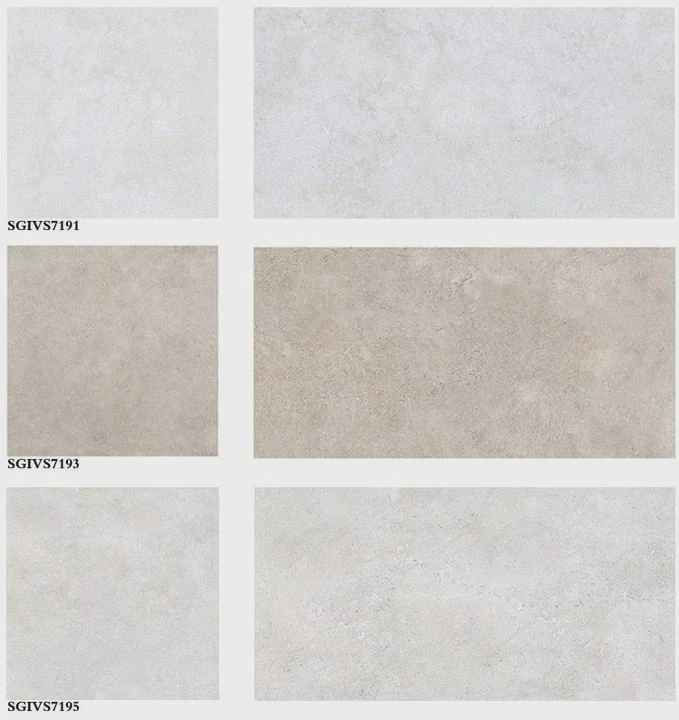
Different environments need different grout. There is no one-size-fits-all solution.
Comparison of grout types
| Grout Type | Best For | Strength | Flexibility | Water Resistance |
|---|---|---|---|---|
| Cement grout | Basic repairs | Medium | Low | Low |
| Polymer-modified grout | General use | High | Medium | Medium |
| Epoxy grout | Wet areas | Very high | Medium | Very high |
| Flexible grout | Large tiles | High | High | Medium |
1. Cement grout
This is the most basic option. It is easy to use. But it is not very strong or water-resistant. It works for low-stress areas.
2. Polymer-modified grout
This is an improved version of cement grout. It has added polymers. These improve bonding and flexibility. It is a good general repair choice.
3. Epoxy grout
This is the strongest option. It resists water, stains, and chemicals. It is ideal for bathrooms, kitchens, and commercial spaces.
4. Flexible grout
This type is designed for movement. It works well with large-format tiles and areas with slight structural shifts.
How to choose the right grout
Consider the location
- Bathroom → epoxy grout
- Living room → polymer grout
- Outdoor area → flexible grout
Consider tile size
Large tiles need flexible grout. Small tiles can use standard grout.
Consider moisture exposure
High moisture areas require high water resistance.
Key insight
Many repair failures happen because people reuse the same weak grout. Upgrading the grout type is often the best long-term solution.
When should grout be sealed after fixing?
Sealing is often ignored. That leads to repeat damage. Timing is very important.
Grout should be sealed after it fully cures, usually 24 to 72 hours after application, depending on the grout type and environment.
Sealing protects grout from water, stains, and dirt. But sealing too early can trap moisture.
Sealing timeline
| Stage | Time | Action |
|---|---|---|
| Grout application | Day 0 | Apply grout |
| Initial drying | 24 hours | Avoid water |
| Full curing | 48–72 hours | Ready for sealing |
| Sealing | After curing | Apply sealer |
Why curing matters
Grout contains moisture when fresh. It needs time to dry and harden. If sealed too early, moisture stays trapped inside. That weakens the grout.
Types of sealers
1. Penetrating sealer
This goes deep into grout. It protects from inside. It is the most common option.
2. Surface sealer
This creates a protective layer on top. It is less durable but easier to apply.
How to apply sealer
- Clean the grout surface
- Use a brush or applicator
- Apply evenly along lines
- Wipe excess from tiles
- Let it dry completely
Maintenance tips
- Reapply sealer every 1–2 years
- Clean grout regularly
- Avoid harsh chemicals
Personal observation
Many long-lasting tile projects share one habit: proper sealing. Skipping this step often leads to early grout failure.
Conclusion
Fixing grout cracks requires proper removal, the right grout choice, and correct sealing timing. A careful process prevents future damage and keeps tiles strong, clean, and durable for years.
- Pre: How to Lay 12x24 Tile?
- Next: How to Tile Corners?