How to Tile Corners?
- Sinotiles
- 2026-05-04
Tiling corners often leads to uneven edges, gaps, or cracks. Many installers struggle to achieve clean finishes, especially in tight spaces where precision matters most.
Clean tile corner installation depends on accurate measurement, proper tile cutting, the right trim selection, and correct grout or sealant use. These steps ensure durability, alignment, and a professional finish in both residential and commercial spaces.
Corners are where small mistakes become very visible. So it is important to slow down and follow proven methods. The following sections break down each part of the process in a simple and practical way.
What techniques ensure clean tile corner installation?
Tiles can easily chip, misalign, or leave gaps at corners. This often happens due to poor cutting or lack of planning.
Clean tile corners come from precise measurement, using the right cutting tools, dry fitting tiles before fixing, and maintaining consistent spacing throughout the installation process.
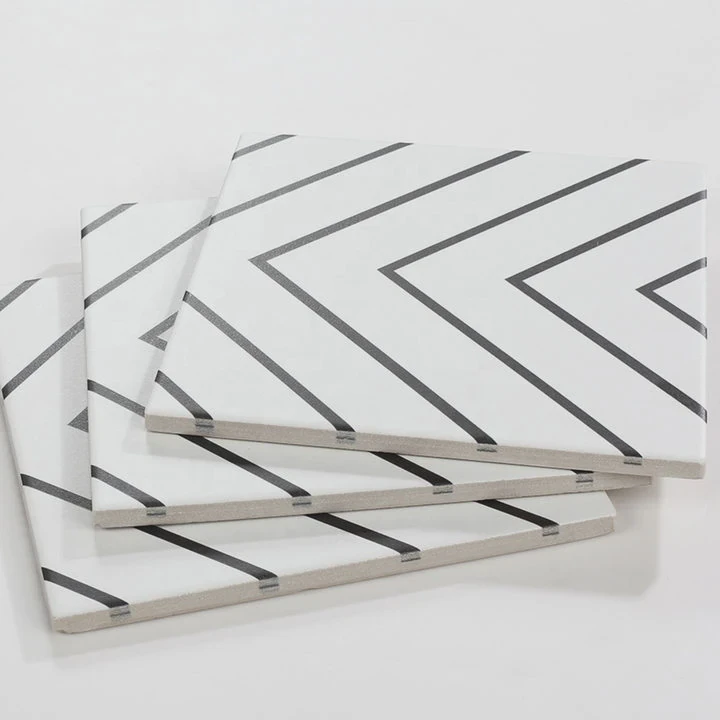
When working on tile corners, the first thing that matters is preparation. Many problems come from rushing this stage.
Accurate Measurement Comes First
Before cutting any tile, measurements must be double-checked. Corners are rarely perfectly square. Walls may shift slightly, especially in older buildings.
- Measure both sides of the corner
- Check vertical alignment with a level
- Mark tiles clearly before cutting
Even a 1–2 mm mistake becomes visible at the corner.
Choosing the Right Cutting Method
Different tiles need different tools. Using the wrong tool leads to rough edges.
| Tile Type | Recommended Tool | Result Quality |
|---|---|---|
| Ceramic | Manual tile cutter | Good |
| Porcelain | Wet saw | Excellent |
| Large format | Bridge saw / rail saw | Best |
| Mosaic | Tile nippers | Moderate |
A wet saw is often the safest choice for clean edges, especially for porcelain tiles.
Dry Fitting Before Installation
Dry fitting means placing tiles without adhesive first. This step helps avoid mistakes.
Benefits include:
- Checking alignment visually
- Adjusting cuts before fixing
- Ensuring symmetrical layout
Skipping this step often leads to rework.
Maintaining Consistent Gaps
Spacing is critical at corners. Use spacers to keep joints even.
- Standard gap: 2–3 mm
- Use corner spacers if needed
- Keep alignment consistent across both walls
Handling External vs Internal Corners
External corners need extra attention because they are more visible and exposed to impact.
Internal corners:
- Focus on alignment
- Leave room for sealant
External corners:
- Use trims or miter cuts
- Ensure edges are smooth
Common Mistakes to Avoid
- Cutting tiles without measuring both sides
- Forcing tiles into tight corners
- Ignoring wall unevenness
- Not polishing cut edges
Clean corners are not about speed. They are about control and planning.
How do you align tiles at corner intersections?
Misaligned tiles at corners can ruin the entire visual effect. Even if the rest of the wall looks good, corners draw attention.
Tiles align properly at corner intersections when layout lines are planned in advance, center points are defined, and both walls follow the same reference grid.
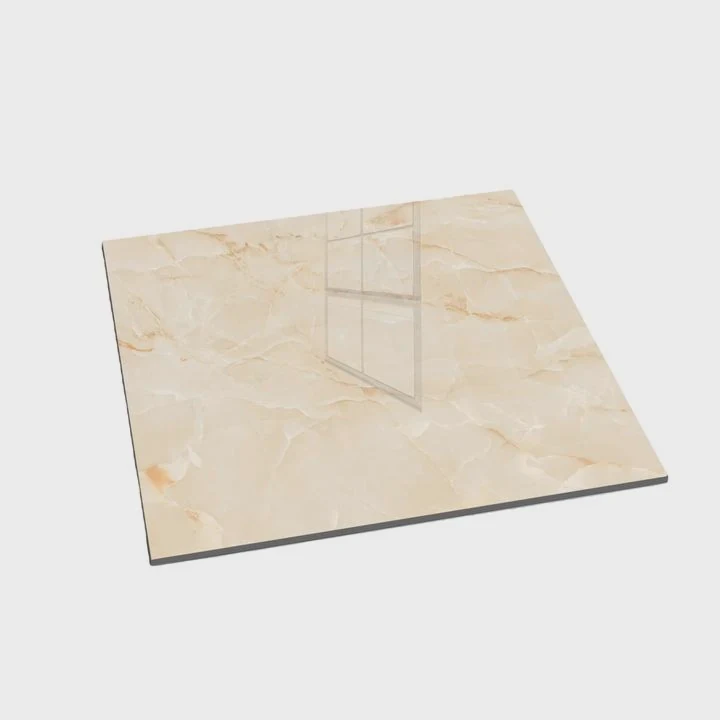
Alignment is not something fixed during installation. It starts before the first tile is placed.
Start with a Layout Plan
Every professional tiling job begins with a layout.
Key steps:
- Find the center of the wall
- Draw vertical and horizontal guidelines
- Plan how tiles meet at corners
Without layout lines, alignment becomes guesswork.
Use Reference Lines
Reference lines guide tile placement.
- Use a laser level if available
- Mark straight lines across both walls
- Ensure lines meet correctly at corners
This ensures tiles wrap around corners naturally.
Balance Tile Cuts
Corners should not have very small tile pieces. This looks unbalanced.
| Situation | Recommended Action |
|---|---|
| Small tile piece at corner | Adjust starting point |
| Uneven tile sizes | Recalculate layout |
| Pattern mismatch | Align pattern center first |
Balanced cuts improve overall appearance.
Align Patterns Across Corners
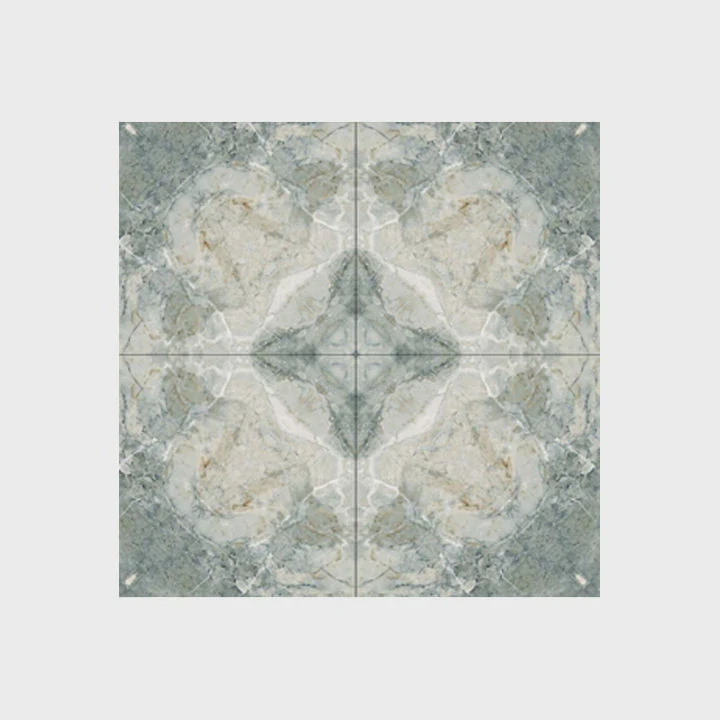
If tiles have patterns (like marble veins or wood look), alignment becomes more complex.
Tips:
- Continue pattern flow across corner
- Match grain or direction
- Use book-matching if possible
This creates a seamless look.
Work One Wall at a Time (But Plan Both)
Install tiles on one wall first, but always consider the second wall.
- Leave space for corner adjustment
- Check alignment frequently
- Do not fully fix tiles near the corner until both sides are checked
Adjust for Real-World Conditions
Walls are not always straight. Adjustments are necessary.
- Use slightly wider grout lines if needed
- Trim tiles carefully
- Avoid forcing perfect geometry on imperfect walls
Final Check Before Fixing
Before adhesive sets:
- Step back and inspect alignment
- Check corner visually from multiple angles
- Make corrections immediately
Alignment is about planning and flexibility. A rigid approach often fails in real conditions.
Which trims work best for tile corners?
Exposed tile edges at corners can chip easily and look unfinished. Trims solve this problem while improving design.
The best trims for tile corners include metal trims for durability, PVC trims for cost efficiency, and ceramic trims for seamless design matching. The choice depends on project type and budget.
Tile trims are not just decorative. They protect edges and extend the lifespan of the installation.
Types of Tile Trims
There are several common options:
Metal Trims
- Materials: aluminum, stainless steel
- Strong and durable
- Ideal for commercial projects
PVC Trims
- Lightweight and affordable
- Easy to install
- Suitable for residential use
Ceramic Trims
- Made to match tiles
- Provide a seamless look
- Often used in high-end designs
Comparison of Trim Options
| Trim Type | Durability | Cost Level | Appearance | Best Use Case |
|---|---|---|---|---|
| Metal | High | Medium | Modern, clean | Commercial, bathrooms |
| PVC | Medium | Low | Simple | Budget projects |
| Ceramic | High | High | Seamless, elegant | Premium residential |
Choosing the Right Trim
Selection depends on several factors:
- Tile thickness
- Environment (wet or dry)
- Design style
- Budget
For example:
- Bathrooms benefit from metal trims
- Living spaces may prefer ceramic trims
Installation Tips
Proper installation is key.
- Fix trim before placing tiles
- Align trim with tile edge
- Ensure trim is straight
Alternatives to Trims
Some installers prefer mitered edges.
- Tiles are cut at 45 degrees
- Creates a sharp corner
However:
- Requires high skill
- More prone to chipping
When Trims Are Necessary
Use trims when:
- Edges are exposed
- Tiles are thick
- Corners receive impact
Avoid skipping trims just to save cost. Repairs later cost more.
When should grout be applied in corners?
Applying grout at the wrong time or in the wrong way can lead to cracks and water damage, especially in corners.
Grout should be applied after tile adhesive fully cures, but flexible sealant—not grout—should be used in corner joints to allow movement and prevent cracking.

Timing and material choice both matter in this step.
Wait for Adhesive to Cure
Before grouting:
- Allow adhesive to dry (usually 24 hours)
- Check tile stability
- Clean joints from debris
Grouting too early weakens the bond.
Grout vs Sealant in Corners
This is where many mistakes happen.
- Flat surfaces → grout
- Corners → flexible sealant (like silicone)
Corners are movement joints. Walls expand and shift slightly.
Why Not Use Grout in Corners?
Grout is rigid. It cannot handle movement.
Problems include:
- Cracking
- Water penetration
- Mold growth
Sealant solves these issues.
Correct Application Process
- Apply grout to flat joints first
- Clean excess grout
- Let grout set slightly
- Apply sealant in corners
Types of Sealants
- Silicone: best for wet areas
- Acrylic: for dry areas
- Hybrid: combines flexibility and durability
Finishing the Joint
- Use a smoothing tool or finger
- Keep line clean and even
- Remove excess sealant immediately
Maintenance Tips
Sealant needs maintenance over time.
- Inspect corners every year
- Replace if cracked or moldy
- Keep joints clean
Common Mistakes
- Using grout in corners
- Applying sealant before grout dries
- Skipping cleaning step
Proper timing ensures long-lasting results.
Conclusion
Clean tile corners come from careful planning, proper alignment, suitable trims, and correct grout or sealant use. Each step builds on the previous one, and attention to detail ensures a strong and professional finish.