How to Floor Tile?
- Sinotiles
- 2026-05-19
Many people want a new tile floor but feel worried about uneven tiles, broken corners, or wasted materials. A poor installation can ruin the whole room and cost more money later.
Floor tiling becomes much easier when the work follows the right order: surface preparation, layout planning, adhesive application, tile placement, grouting, and final cleaning. Good tools and careful preparation help create a durable and professional-looking tile floor.
A tile floor can completely change the look of a home, store, hotel, or commercial space. Many buyers and contractors often focus only on tile design or tile price. Still, the installation process matters just as much as the tile itself. Even high-quality porcelain or glazed tiles can fail if the floor base is not prepared correctly or if the wrong tools are used. Over the years, many project buyers and importers have shared stories about cracked tiles, hollow sounds, or uneven surfaces caused by poor installation methods. That is why understanding the basics of floor tiling is important before starting any project.
What are the basic steps for floor tiling?
Poor planning often leads to broken tiles, uneven grout lines, and wasted materials. Many first-time installers rush into tiling without understanding the full process.
The basic floor tiling process includes cleaning the surface, planning the tile layout, applying adhesive, placing tiles evenly, cutting edge tiles, grouting the joints, and cleaning the finished floor.
Floor tiling may look simple from a distance, but every stage affects the final result. A good installation follows a clear sequence. Skipping one step often creates problems later.
Step 1: Prepare the Surface
The floor must be dry, flat, and clean before any tile installation starts. Dust, grease, and moisture reduce adhesive strength. Uneven surfaces also create hollow areas under the tiles.
Installers often use a level to check low and high spots. Small holes and cracks should be repaired first.
Step 2: Plan the Tile Layout
A layout plan helps avoid very small tile cuts near walls. Many professionals start from the center of the room and work outward.
This stage also helps calculate tile quantity and reduce waste.
| Tiling Step | Main Purpose |
|---|---|
| Surface Cleaning | Improve adhesive bonding |
| Layout Planning | Keep tile lines balanced |
| Adhesive Application | Secure tile position |
| Tile Placement | Create even spacing |
| Grouting | Protect joints |
| Final Cleaning | Improve appearance |
Step 3: Apply Tile Adhesive
Tile adhesive should be mixed according to the manufacturer’s instructions. A notched trowel spreads the adhesive evenly.
Only a small area should be covered at one time because adhesive can dry quickly.
Step 4: Place the Tiles
Tiles should be pressed firmly into the adhesive. Tile spacers help maintain equal grout lines.
Installers often check alignment after every few rows.
Step 5: Cut Edge Tiles
Most rooms require tile cutting around walls, pipes, or corners. A tile cutter or wet saw creates cleaner cuts and reduces tile breakage.
Step 6: Apply Grout
After the adhesive fully dries, grout fills the joints between tiles. This step protects the floor from moisture and dirt.
Excess grout should be cleaned before it hardens.
Step 7: Final Cleaning and Inspection
The final stage includes cleaning tile haze and checking for uneven tiles or weak spots.
In large commercial projects, this inspection stage is very important because repair costs become much higher after furniture or equipment is installed.
Many experienced contractors say that patience matters more than speed during floor tiling. Fast installation without proper checking often leads to expensive rework later.
How can beginners start tile installation projects?
Many beginners feel overwhelmed because tile installation seems highly technical. Wrong cuts, uneven spacing, and adhesive mistakes often discourage new installers.
Beginners should start with small rooms, learn basic tile layout methods, use simple tools, and practice careful spacing before handling large or complex tile installation projects.
Starting small is usually the smartest choice for new tile installers. A laundry room, bathroom, or storage area gives enough space to practice without large financial risk.
Start with Simple Tile Sizes
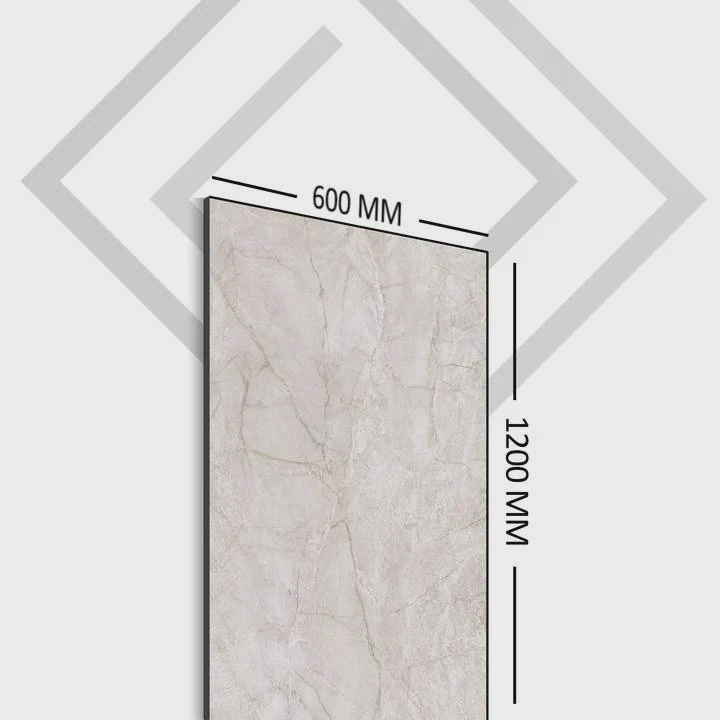
Large-format tiles require more experience because leveling becomes harder. Smaller standard sizes such as 600x600mm tiles are easier for beginners.
Straight layouts are also simpler than diagonal or pattern installations.
Learn Tile Spacing Basics
Many beginners place tiles too close together. Tiles naturally expand and contract because of temperature and moisture changes.
Tile spacers create even grout lines and reduce alignment problems.
Practice Dry Layout First
Before using adhesive, many professionals recommend placing tiles on the floor without glue. This dry layout helps visualize the final pattern.
It also reduces mistakes during actual installation.
Understand Adhesive Timing
One common beginner mistake is spreading too much adhesive at once. Adhesive may dry before tiles are installed.
Small working sections help beginners maintain better control.
Beginner-Friendly Tool List
| Tool | Purpose |
|---|---|
| Tile Spacers | Keep grout lines even |
| Rubber Mallet | Adjust tile position |
| Spirit Level | Check floor flatness |
| Tile Cutter | Cut tiles accurately |
| Grout Float | Spread grout smoothly |
Focus on Surface Flatness
Uneven floors create tile lippage, where tile edges sit at different heights. This issue becomes very visible under lighting.
Beginners should spend more time checking floor flatness than rushing into tile placement.
Learn from Small Mistakes
Every installer makes mistakes during early projects. Broken tile corners, uneven grout, or poor cuts are part of the learning process.
One contractor once shared a story about completing a small shop renovation with limited experience. The tiles looked good at first, but hollow sounds appeared after several weeks because the adhesive coverage was uneven. Since then, full adhesive coverage became a standard rule during every installation project.
Safety Matters Too
Tile cutting creates sharp edges and dust. Safety glasses and gloves help reduce injury risks.
Wet saws should also be used carefully because water and electricity work close together.
Beginners improve much faster when they focus on consistency instead of speed. Good tile installation often depends on careful measurement and repeated checking.
Why is surface preparation critical for tiling?
Many tile failures happen long before the first tile is installed. Weak surfaces, moisture, and uneven floors can destroy even expensive tile projects.
Surface preparation is critical because it creates a stable, clean, and level base that helps tiles bond properly, prevents cracking, and improves long-term floor durability.
Surface preparation is often the least exciting part of tile installation, yet it has the biggest effect on long-term performance.
Many tile problems that appear months later actually begin underneath the tiles.
Uneven Floors Cause Tile Stress
Tiles are hard materials with limited flexibility. If the floor underneath moves or contains low spots, pressure builds under certain areas.
This pressure can lead to cracks or loose tiles.
Moisture Creates Serious Problems
Moisture is one of the biggest enemies of tile installation. Wet concrete or leaking subfloors weaken adhesive performance.
Bathrooms, kitchens, and commercial spaces often require waterproofing systems before tiling begins.
Surface Cleaning Improves Adhesion
Dust and oil prevent adhesive from bonding correctly. Even small particles can reduce tile strength.
Professional installers usually vacuum and clean the floor carefully before spreading adhesive.
Common Surface Problems
| Surface Issue | Possible Result |
|---|---|
| Uneven Subfloor | Tile lippage |
| Moisture | Loose tiles |
| Dust and Dirt | Weak bonding |
| Cracks | Tile cracking |
| Weak Concrete | Tile movement |
Floor Leveling Saves Time Later
Some installers try to fix uneven floors by adding extra adhesive under certain tiles. This method rarely works well.
Floor leveling compounds create a much more stable base.
Expansion Joints Matter
Large tile installations need expansion joints to allow slight movement caused by temperature changes.
Without expansion joints, pressure builds across the floor and may cause tenting, where tiles lift upward.
Commercial Projects Need Extra Attention
Large shopping malls, hotels, and office projects often use large-format porcelain tiles. These projects require even stricter surface preparation standards.
Heavy foot traffic increases pressure on weak areas.
A project manager once explained how a hotel lobby required complete tile replacement because moisture remained trapped in the concrete slab before installation. The tile surface looked perfect during handover, but several months later the adhesive started failing. That experience showed how hidden moisture can create expensive problems.
Surface Preparation Protects Tile Investment
High-quality tiles alone do not guarantee good results. Proper preparation protects the entire installation system.
Many experienced buyers now ask suppliers and contractors detailed questions about substrate conditions, waterproofing, and leveling methods before approving projects.
Good preparation may take extra time at the beginning, but it often prevents major repair costs later.
Which tools are essential for floor tiling?
Many tiling problems come from using the wrong tools or low-quality equipment. Poor tools reduce accuracy and slow down installation work.
Essential floor tiling tools include tile cutters, notched trowels, spacers, levels, rubber mallets, grout floats, measuring tools, and safety equipment for accurate and efficient tile installation.
Good tools improve both installation quality and work speed. Professional installers often invest heavily in reliable equipment because accuracy matters during every stage of tiling.
Measuring Tools
Accurate measurement is the foundation of good tile work.
Tape measures, chalk lines, and laser levels help maintain straight tile alignment across large spaces.
Tile Cutters and Wet Saws
Manual tile cutters work well for standard porcelain and ceramic tiles. Wet saws are better for thick porcelain, stone tiles, or detailed cuts.
Wet saws also reduce edge chipping.
Notched Trowels
Different tile sizes require different trowel notch sizes. Larger tiles need deeper adhesive ridges to improve bonding.
Using the wrong trowel may create hollow areas under tiles.
Tile Leveling Systems
Large-format tiles have become more popular in modern projects. These tiles often require leveling clips and wedges.
Leveling systems help reduce lippage between neighboring tiles.
Grouting Tools
Grout floats spread grout evenly into tile joints. Sponges help remove extra grout without damaging the joints.
Cleaning at the right time is important because dried grout haze becomes difficult to remove.
Safety Equipment
Safety tools are sometimes ignored during small projects. Still, gloves, knee pads, eye protection, and dust masks help protect installers during long working hours.
Essential Tool Comparison
| Tool | Main Function | Recommended For |
|---|---|---|
| Manual Tile Cutter | Straight cuts | Ceramic and porcelain |
| Wet Saw | Precision cutting | Thick and large tiles |
| Notched Trowel | Adhesive spreading | All tile installations |
| Laser Level | Alignment checking | Large rooms |
| Tile Spacers | Even grout lines | Beginners and professionals |
Tool Quality Affects Efficiency
Cheap tools often create inaccurate cuts and slower installation speed. In large commercial projects, poor equipment can increase labor costs significantly.
Professional contractors usually prefer durable tools because they improve consistency.
Large Tiles Need Specialized Tools
Modern projects increasingly use 600x1200mm, 750x1500mm, and larger slab tiles. These products often require suction cups, transport frames, and special cutters.
Large tiles look beautiful in hotels and commercial spaces, but they demand more careful handling.
Tool Maintenance Is Important
Dirty cutting wheels and worn trowels reduce installation quality.
Many experienced installers clean tools immediately after work because hardened adhesive and grout shorten tool lifespan.
One warehouse project involved thousands of square meters of polished porcelain tiles. The installation team replaced low-quality cutting blades halfway through the project because chipped edges became visible under bright lighting. After upgrading the tools, the tile finish improved immediately.
Good tools cannot replace skill, but they make professional installation much easier and more reliable.
Conclusion
Floor tiling becomes much more successful when the process follows proper preparation, careful layout planning, and correct tool usage. Strong surfaces, reliable tools, and patient installation methods help create durable and attractive tile floors for both residential and commercial spaces.