How to Tile Kitchen Floor?
- Sinotiles
- 2026-05-19
A bad tile job can ruin a kitchen fast. Loose tiles, uneven joints, and cracked surfaces often start with poor planning and weak installation work.
The best way to tile a kitchen floor is to prepare the surface well, plan the layout carefully, use the right adhesive, and follow proper installation steps. These actions help create a durable, level, and long-lasting tiled kitchen floor.
Many buyers and contractors focus only on tile design and price. Yet installation quality decides how long the floor will last. A kitchen floor faces water, heat, heavy traffic, and dropped objects every day. Good installation methods reduce future repair costs and improve customer satisfaction. Over the years, many importers and project contractors have shared the same lesson: strong preparation matters more than shortcuts.
What Preparation Is Required for Kitchen Floor Tiling?
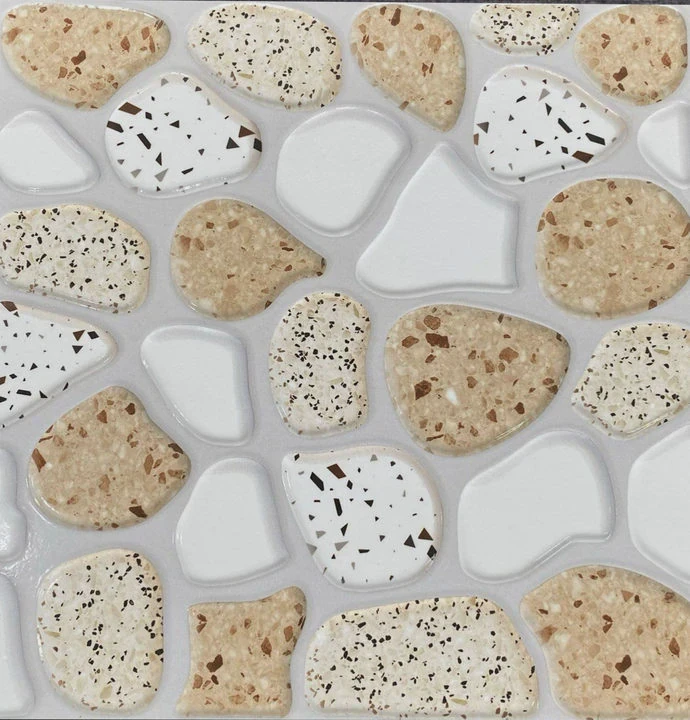
Many kitchen floor problems begin before the first tile is placed. Dust, uneven surfaces, and moisture can weaken the entire installation and lead to cracks later.
Kitchen floor tiling requires cleaning the subfloor, checking moisture levels, repairing uneven areas, and making sure the surface is stable before tile installation begins.
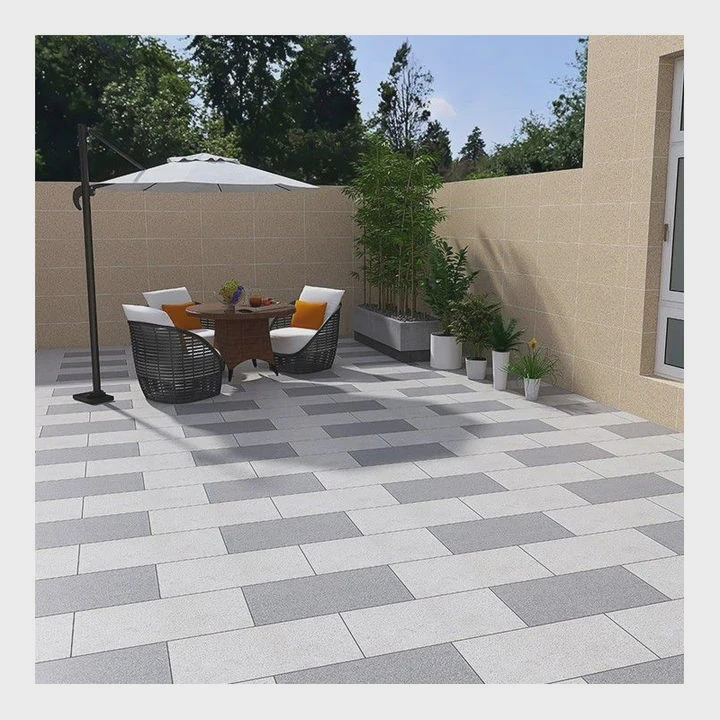
Kitchen floor preparation is often ignored by inexperienced installers. Yet this stage decides whether the tiles stay stable for many years or fail within months. A kitchen is one of the busiest areas in a home. It handles constant movement, water spills, grease, and heavy kitchen equipment. The floor must be strong enough to handle daily pressure.
Check the Existing Floor Condition
The first step is to inspect the subfloor carefully. Concrete floors should be free from cracks and hollow spots. Wooden subfloors must not flex when people walk on them. Any movement under the tile can cause future cracking.
Many project buyers ask why some tile floors fail early. In many cases, the issue comes from weak floor structures instead of tile quality.
Clean the Surface Properly
Dust, oil, paint, and debris reduce adhesive bonding strength. The floor should be fully cleaned before installation begins.
Common cleaning steps include:
| Preparation Task | Purpose |
|---|---|
| Remove dust | Improve adhesive bonding |
| Remove grease | Prevent weak adhesion |
| Scrape old adhesive | Create flat surface |
| Vacuum surface | Remove fine particles |
A clean surface helps adhesive spread evenly under the tile.
Level the Floor
Uneven floors create lippage problems. Lippage means one tile edge sits higher than another. This issue becomes very visible with large format tiles such as 600x1200mm or 750x1500mm porcelain tiles.
Self-leveling compounds are often used to flatten the surface. Installers should also use leveling tools during tile placement.
Moisture Testing Matters
Kitchen areas face regular moisture exposure. If moisture rises from the subfloor, tile adhesive can weaken over time.
Concrete floors should be tested before installation. Moisture barriers may be needed in humid climates or ground-floor kitchens.
Prepare the Right Tools
Professional installation also depends on proper tools. Basic tools include:
- Tile cutter
- Notched trowel
- Tile spacers
- Rubber mallet
- Laser level
- Tile leveling clips
- Mixing bucket
Experienced contractors know that cheap tools often slow installation and reduce finish quality.
Tile Acclimation Is Helpful
Tiles should stay inside the installation area for at least 24 hours before use. This allows them to adjust to room temperature and humidity. This step is especially important for large porcelain tiles.
In export projects, some customers skip this step due to tight schedules. Later, they may face slight expansion issues after installation.
Proper preparation reduces installation risks and creates a stronger foundation for the entire kitchen floor system.
How Can Layout Planning Improve Installation Results?

Poor layout planning can make even expensive tiles look unprofessional. Uneven cuts and narrow tile strips often damage the visual balance of a kitchen.
Good layout planning improves kitchen tile installation by creating balanced tile alignment, reducing waste, improving symmetry, and helping installers avoid difficult cuts.
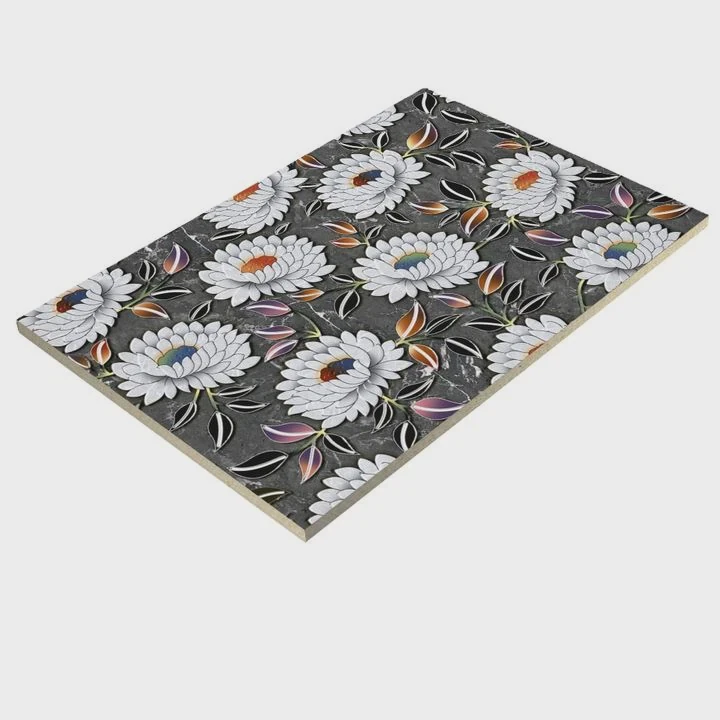
Layout planning is one of the most important parts of tile installation. Yet many people rush directly into tile placement without measuring carefully. A proper layout improves both appearance and installation efficiency.
Start From the Visual Center
Most professional installers begin from the center of the room. This creates balanced tile cuts on both sides of the kitchen.
Small tile pieces near walls often look unattractive. Balanced layouts help avoid this problem.
For example, if one wall ends with a 2cm tile strip, the layout should shift slightly to create larger cuts on both sides.
Dry Layout Before Installation
A dry layout means placing tiles on the floor without adhesive first. This helps installers see spacing, alignment, and cutting needs before permanent installation.
Dry layouts help identify:
- Awkward tile cuts
- Pattern alignment issues
- Cabinet edge problems
- Door transition alignment
This step saves time during large commercial projects.
Consider Tile Size Carefully
Large format tiles create a modern look and reduce grout lines. However, they require flatter floors and more precise layout planning.
Smaller tiles provide better slip resistance because they have more grout joints.
The kitchen style and project requirement usually decide the best tile size.
| Tile Size | Common Kitchen Use |
|---|---|
| 300x600mm | Wall and small kitchen floors |
| 600x600mm | Standard residential kitchens |
| 800x800mm | Open modern kitchens |
| 600x1200mm | Premium residential projects |
| 750x1500mm | Luxury kitchen designs |
Plan Grout Joint Width
Grout spacing affects both appearance and durability. Very narrow grout joints may look modern, but they leave less room for tile movement.
Typical kitchen grout spacing ranges between 2mm and 5mm depending on tile size and edge precision.
Rectified porcelain tiles usually allow tighter grout joints because of their precise edges.
Direction of Tile Placement
Tile direction changes the visual size of a room.
Long rectangular tiles installed lengthwise can make narrow kitchens appear larger. Diagonal layouts create more movement and visual interest but increase cutting waste.
Some contractors choose stacked layouts for modern projects. Others prefer brick patterns for more traditional kitchens.
Avoid Weak Points
Layout planning also helps avoid weak installation points near:
- Kitchen islands
- Floor drains
- Doorways
- Appliance corners
Poor planning in these areas may create tiny tile cuts that crack more easily under pressure.
Lighting Impacts Appearance
Natural and artificial light can highlight uneven tile edges. Layout planning should consider where light enters the kitchen.
In many showroom projects, lighting reveals installation defects immediately. Careful planning helps reduce visible imperfections.
Good layout planning creates a cleaner finish, reduces installation waste, and improves the long-term visual quality of the kitchen floor.
Why Use Proper Adhesive for Kitchen Tiles?
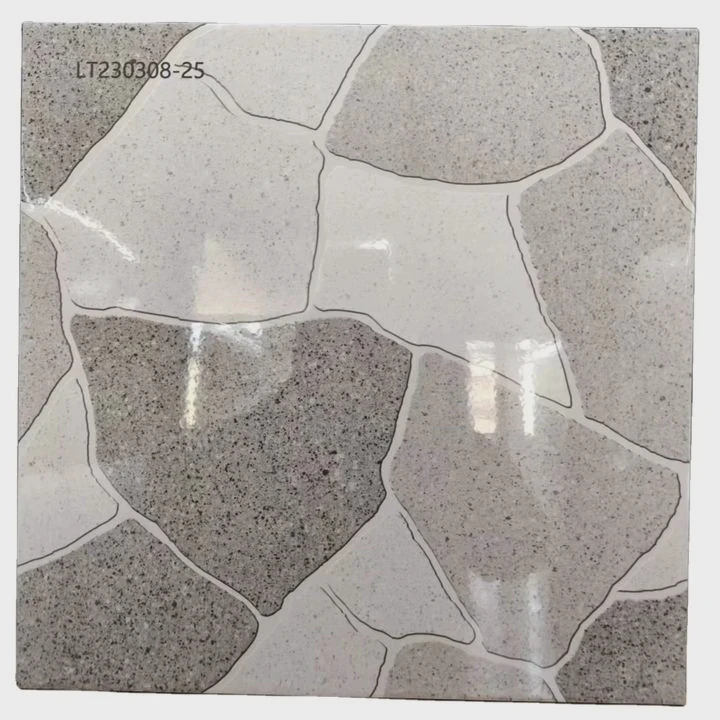
Many tile failures happen because the wrong adhesive was used. Weak bonding often causes loose tiles, hollow sounds, and water damage over time.
Proper kitchen tile adhesive improves bonding strength, moisture resistance, load support, and long-term floor durability in high-traffic kitchen environments.
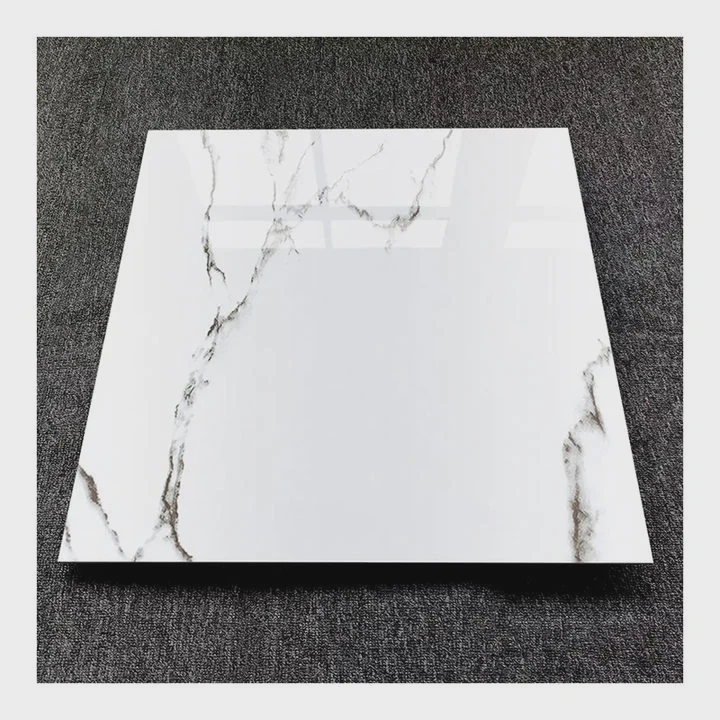
Tile adhesive is not just glue. It is a key structural part of the entire floor system. Kitchens face heat changes, water spills, grease, and heavy foot traffic daily. The adhesive must support all these conditions without failure.
Different Tiles Need Different Adhesives
Porcelain tiles absorb very little water. Because of this, they require stronger adhesive compared to ceramic tiles.
Large format tiles also need adhesives with higher flexibility and stronger bonding performance.
Many installers still use low-grade cement mixtures for porcelain flooring. This often causes hollow tiles and lifting problems later.
Types of Tile Adhesives
There are several common adhesive types used in kitchen flooring projects.
| Adhesive Type | Main Use |
|---|---|
| Cement-based adhesive | Standard porcelain and ceramic tiles |
| Flexible adhesive | Large format and heated floors |
| Rapid-set adhesive | Fast project completion |
| Epoxy adhesive | High chemical resistance areas |
Flexible adhesive performs better in kitchens because it handles movement and temperature changes more effectively.
Proper Mixing Is Important
Even high-quality adhesive performs poorly if mixed incorrectly.
Too much water weakens bonding strength. Insufficient mixing creates uneven texture.
Installers should follow manufacturer instructions carefully. Mechanical mixers help create more consistent adhesive texture.
Correct Trowel Size Matters
Different tile sizes require different notched trowels. Larger tiles need larger adhesive ridges to ensure full support underneath.
Poor adhesive coverage leaves hollow spots below the tile. These hollow areas can crack under heavy kitchen appliances.
Back buttering is also recommended for large porcelain tiles. This means applying adhesive to both the floor and tile back.
Open Time Must Be Controlled
Adhesive begins drying after spreading. If installers wait too long before placing tiles, bonding strength decreases.
High temperatures and airflow shorten adhesive open time. Professional installers usually spread smaller working areas to avoid this problem.
Kitchen Conditions Require Strong Bonding
Kitchen floors face:
- Water exposure
- Frequent cleaning
- Heavy refrigerators
- Constant walking traffic
- Temperature variation
Weak adhesive may survive in low-traffic spaces but fail quickly in kitchens.
Adhesive Quality Impacts Long-Term Cost
Some buyers focus only on reducing adhesive cost. Yet repair expenses later are usually much higher.
A failed tile floor can require:
- Tile replacement
- Adhesive removal
- Labor reinstallation
- Business interruption
Reliable adhesive helps avoid these long-term problems.
Professional tile suppliers often recommend adhesive systems based on tile type, installation area, and climate conditions. This approach improves installation stability and customer satisfaction.
Which Steps Ensure Durable Kitchen Flooring?
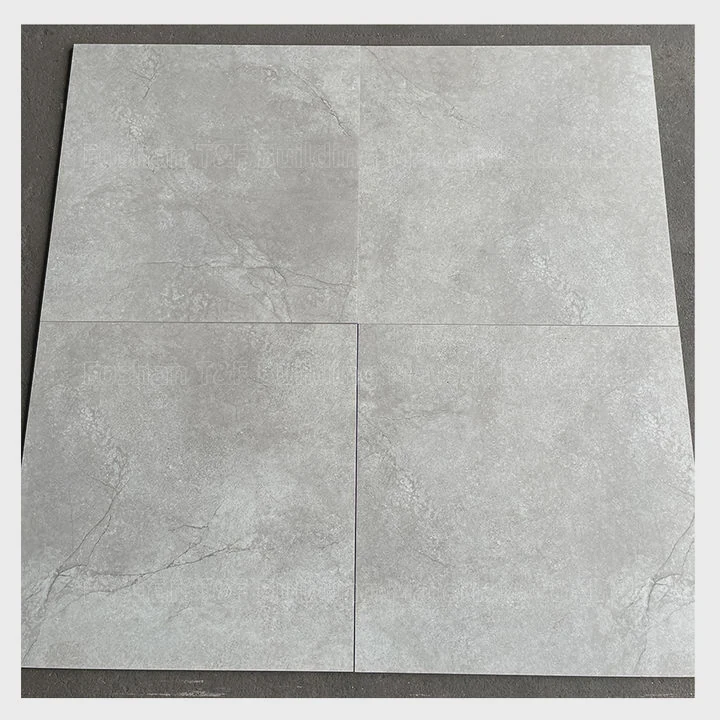
Some kitchen floors look good at first but fail after a short time. Cracked grout, loose tiles, and water damage usually come from installation shortcuts.
Durable kitchen flooring requires proper installation, full adhesive coverage, quality grout, expansion joints, curing time, and regular maintenance after installation.
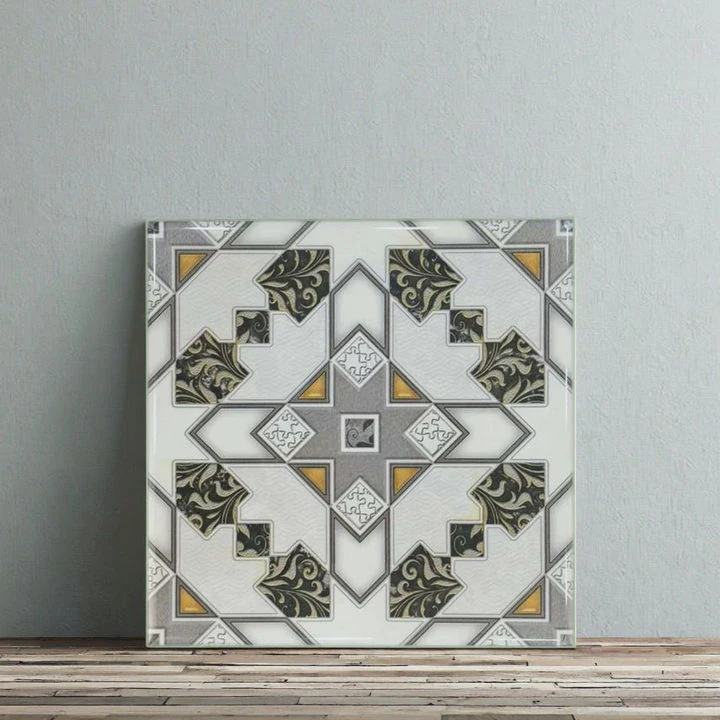
Durability is the final goal of every kitchen flooring project. Customers want floors that remain attractive and stable for many years. Strong materials alone cannot guarantee long-term performance. Installation quality matters equally.
Ensure Full Tile Support
One major reason for cracked tiles is incomplete adhesive coverage.
Kitchen floor tiles should normally achieve at least 90% adhesive coverage. Large porcelain tiles often require near full coverage.
Hollow spaces below tiles create weak pressure points. Heavy appliances such as refrigerators may crack unsupported areas.
Use Proper Grouting Techniques
Grout protects tile edges and prevents water penetration.
Installers should fully fill grout joints without leaving gaps. Excess grout should be cleaned before hardening.
Epoxy grout offers stronger stain resistance in kitchens. Cement grout is more affordable but may require sealing.
Expansion Joints Prevent Cracking
Tiles naturally expand and contract with temperature changes.
Without expansion joints, pressure builds inside the floor system. This pressure can cause tile lifting or cracking.
Expansion joints are especially important in:
- Large kitchens
- Open floor plans
- Heated flooring systems
- Commercial kitchens
Many failed projects ignore this simple but critical step.
Allow Proper Curing Time
Fresh tile installations need time to harden fully.
Walking on tiles too early may weaken adhesive bonding. Heavy kitchen equipment should not be placed immediately after installation.
Typical curing recommendations include:
| Installation Stage | Suggested Waiting Time |
|---|---|
| Light foot traffic | 24 hours |
| Grouting | 24 hours after tiling |
| Heavy appliances | 72 hours or more |
| Full curing | 7 days |
Climate conditions may affect curing speed.
Protect Tiles During Construction
In commercial projects, other workers may damage newly installed floors.
Protective covering helps prevent scratches, stains, and impact damage before project completion.
This step is very important for polished porcelain and glossy glazed tiles.
Maintenance Extends Floor Life
Even durable porcelain tiles need proper maintenance.
Basic maintenance includes:
- Regular cleaning
- Avoiding harsh chemicals
- Repairing damaged grout quickly
- Using soft cleaning tools
Good maintenance helps preserve appearance and slip resistance.
Choose Quality Tiles From Reliable Suppliers
Floor durability also depends on tile manufacturing quality.
High-quality porcelain tiles usually offer:
- Low water absorption
- Better wear resistance
- Stronger breaking strength
- Better dimensional accuracy
Reliable factories perform strict quality testing before export.
Long-Term Thinking Creates Better Results
Many successful importers and contractors focus on long-term value instead of short-term savings. A durable kitchen floor reduces complaints, repair costs, and replacement work.
A well-installed porcelain kitchen floor can last decades under normal use. That is why preparation, layout, adhesive selection, and installation quality all matter equally in professional tile projects.
Conclusion
Kitchen floor tiling requires careful preparation, smart layout planning, proper adhesive selection, and correct installation methods. When these steps work together, the result is a durable, attractive, and long-lasting kitchen floor that performs well in both residential and commercial spaces.