How to Get Grout Off Tile?
- Sinotiles
- 2026-08-25
Grout can make a tile installation look complete, but leftover grout on the tile surface can create a frustrating problem. Dried grout spots, grout haze, and rough residue can reduce the beauty of the finished tile.
The best way to get grout off tile is to choose the right cleaning method based on the grout condition. Fresh grout can usually be removed with water and a sponge, while dried grout may need specialized tools or grout haze removers.
Removing grout requires patience and care. I need to protect the tile surface while breaking down the unwanted material. The wrong cleaning method can scratch tiles, damage finishes, or create more work.
What methods remove dried grout effectively?
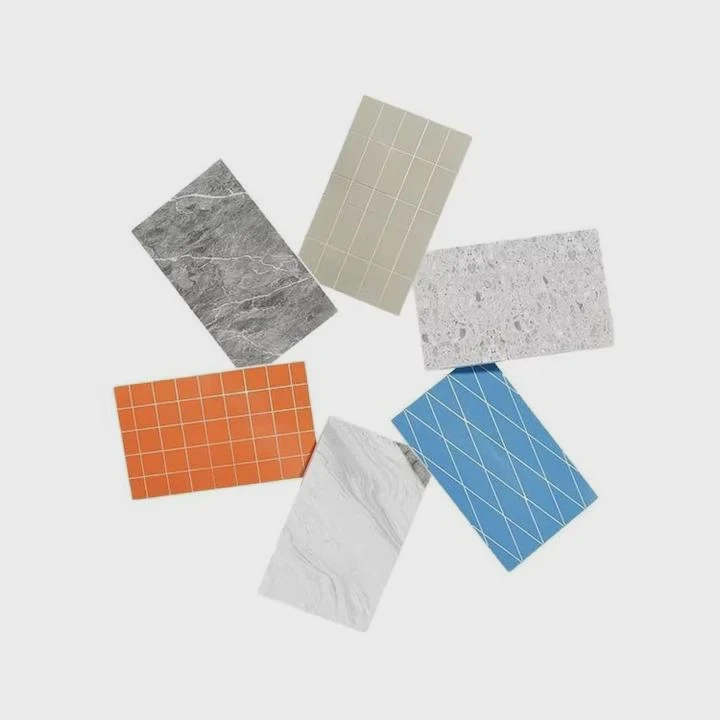
Dried grout is harder to remove because it has already hardened and attached to the tile surface. The correct removal method depends on how thick the grout layer is and what type of tile is being cleaned.
For small grout marks, gentle methods may be enough. For thicker grout buildup, stronger tools or cleaning products may be necessary.
I always check the tile type before removing dried grout. Ceramic, porcelain, natural stone, and glass tiles have different surface properties. A method that works well on porcelain may damage softer materials.
Start with gentle cleaning methods
The safest approach is to begin with the least aggressive method. This reduces the chance of damaging the tile surface.
Common first steps include:
- Wetting the grout residue with clean water
- Using a soft sponge
- Rubbing gently in circular motions
- Removing loose particles with a microfiber cloth
Fresh or slightly dried grout often responds well to simple cleaning. The goal is to soften the material before using stronger methods.
Use mechanical removal for hard grout spots
When grout becomes fully hardened, mechanical tools may be needed. These tools remove the grout physically instead of dissolving it.
| Method | Suitable Situation | Risk Level |
|---|---|---|
| Plastic scraper | Small grout spots | Low |
| Grout removal pad | Light dried residue | Low to medium |
| Razor scraper | Smooth tile surfaces | Medium |
| Grout removal tool | Thick grout buildup | Higher |
A plastic scraper is usually safer than metal tools because it reduces the chance of scratching the tile.
When I use a scraper, I keep the angle low and apply steady pressure. Fast and aggressive movements can damage tile edges.
Use cleaning solutions for grout residue
Some dried grout can be softened with cleaning solutions. The product choice depends on the grout type and tile material.
Cement-based grout may respond to acidic cleaners, but these products should be used carefully. Acid can damage some tiles, especially natural stone surfaces.
Porcelain and ceramic tiles are usually more resistant, but testing a small hidden area is still a good practice.
Avoid rushing the removal process
Many grout removal problems happen because people try to remove everything in one aggressive step.
A better approach is:
- Identify the grout condition.
- Choose a suitable method.
- Test a small area.
- Remove residue slowly.
- Clean the surface after removal.
This process protects the tile and improves the final appearance.
How can tile surfaces be protected during cleaning?
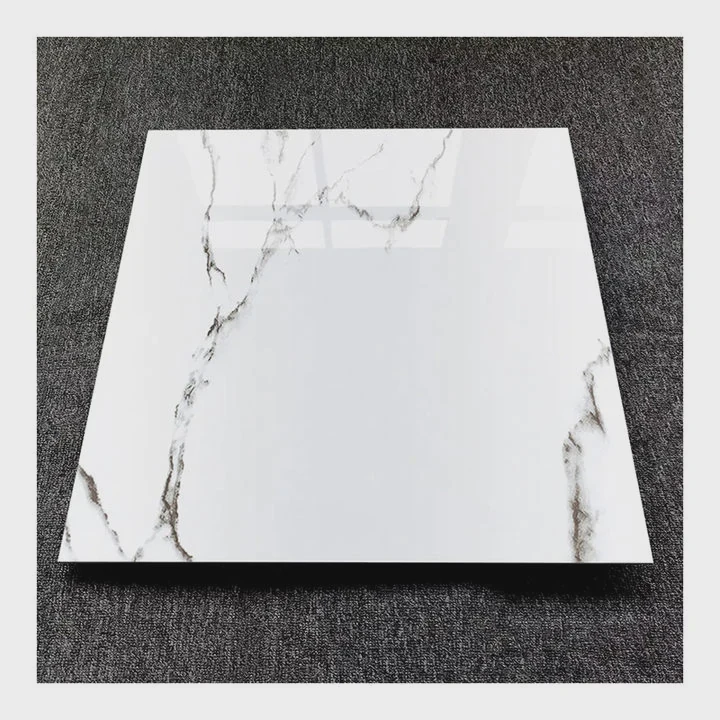
Protecting the tile surface is an important part of grout removal. The goal is not only to remove grout but also to keep the original tile finish.
Tiles can have different finishes, including polished, matte, textured, and glazed surfaces. Each finish reacts differently to cleaning methods.
Before I start cleaning, I identify the tile material and surface type. This step helps prevent unnecessary damage.
Understand tile sensitivity
Different tiles require different levels of care.
| Tile Type | Cleaning Consideration |
|---|---|
| Porcelain tile | Strong and resistant, but polished surfaces need care |
| Ceramic tile | Generally easy to clean |
| Natural stone tile | Sensitive to acids and harsh chemicals |
| Glass tile | Requires non-abrasive tools |
Natural stone tiles such as marble or limestone need special attention. Acid-based cleaners can leave permanent marks on these surfaces.
Use the right tools
The cleaning tool affects the final result. Hard tools can scratch soft surfaces.
Safer options include:
- Microfiber cloths
- Soft sponges
- Plastic scrapers
- Nylon brushes
I avoid using rough metal brushes unless the tile surface can handle them. A small scratch can become more visible after cleaning because the tile finish changes.
Protect grout lines during cleaning
When removing unwanted grout from tile surfaces, I also consider the existing grout joints.
Aggressive cleaning can weaken fresh grout lines. If the installation is new, the grout may still need time to fully cure.
The cleaner should focus only on the unwanted grout residue. Protecting the correct grout lines helps maintain the overall appearance of the installation.
Test before full cleaning
Testing is one of the easiest ways to prevent damage.
I usually apply the cleaning method to a small hidden area first. This shows how the tile reacts before cleaning the entire surface.
A short test can prevent expensive repairs.
Good grout removal is not only about strength. It is about using the correct method with proper control.
Why use specific grout haze removers?
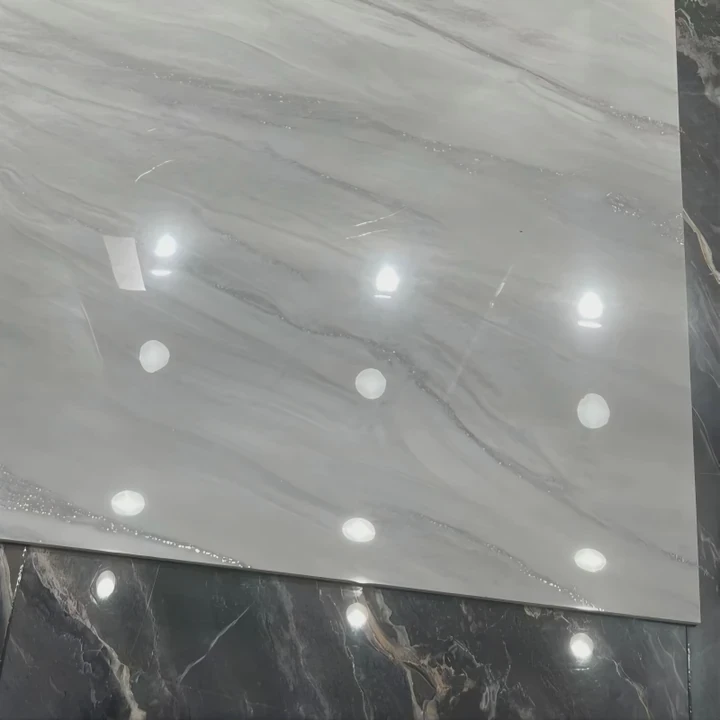
Grout haze is a thin layer of grout residue that remains on tile surfaces after installation. It often appears as a cloudy film that makes tiles look dull.
Specific grout haze removers are designed to break down this residue without requiring excessive scrubbing.
After a tile project is completed, many installers notice that the tile looks different from the original product sample. The reason is often grout haze covering the surface.
What makes grout haze difficult?
Grout haze is different from large pieces of dried grout. It is a thin chemical residue that spreads across the tile.
Regular water cleaning may not remove it completely because the residue has bonded with the surface.
A grout haze remover works by loosening this material and making it easier to wipe away.
Benefits of specialized grout cleaners
| Benefit | Explanation |
|---|---|
| Better cleaning performance | Targets grout residue directly |
| Less physical effort | Reduces heavy scrubbing |
| More consistent results | Creates an even finish |
| Safer application | Designed for tile surfaces |
The correct product can save time and reduce the risk of damaging tiles.
Choose the correct remover
Not every grout haze remover works for every tile.
The installer should check:
- Tile material
- Grout type
- Surface finish
- Product instructions
Using the wrong cleaner can create problems. For example, acidic cleaners may damage sensitive stone tiles.
Follow proper application steps
A typical grout haze removal process includes:
- Remove loose dirt from the tile.
- Apply the grout haze remover.
- Allow proper reaction time.
- Scrub gently if needed.
- Rinse the surface thoroughly.
I always avoid leaving chemical products on the tile longer than recommended. Longer exposure does not always improve results.
The right grout haze remover makes the cleaning process easier and helps restore the original tile appearance.
Which tools work best for grout cleanup?
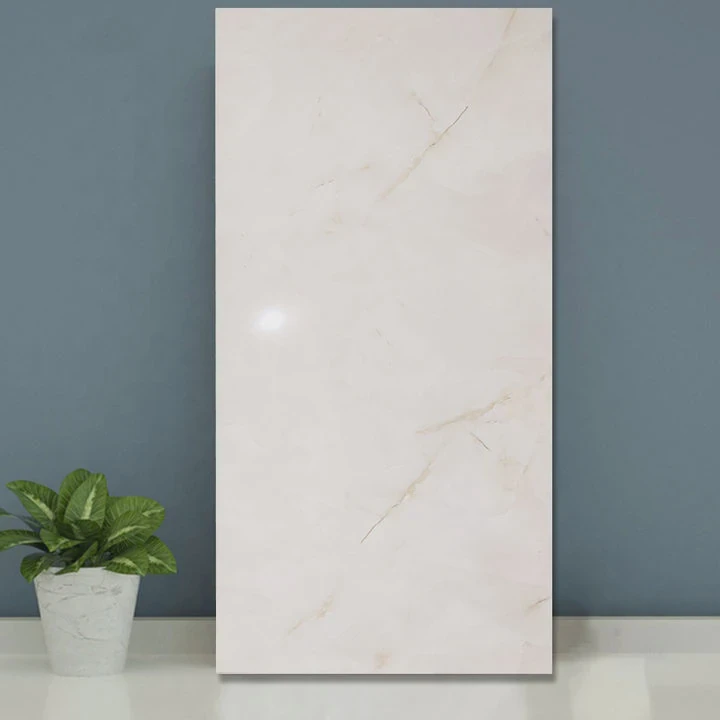
The right tools can make grout cleanup faster and safer. Different grout problems require different tools, so I choose equipment based on the amount and condition of the grout residue.
A small grout spot does not need the same tools as a large installation cleanup project.
Essential grout removal tools
| Tool | Main Purpose |
|---|---|
| Microfiber cloth | Final surface cleaning |
| Soft sponge | Removing fresh grout |
| Plastic scraper | Removing dried spots safely |
| Nylon brush | Cleaning textured surfaces |
| Grout haze remover | Breaking down thin residue |
These basic tools are enough for many residential projects.
When stronger tools are needed
Some situations require stronger equipment. Thick grout buildup or old residue may need specialized removal tools.
However, stronger tools increase the risk of surface damage. The installer should always increase cleaning strength slowly.
The safest process starts with gentle tools and moves to stronger options only when necessary.
Maintain tools during cleaning
Dirty tools can reduce cleaning quality. A sponge filled with grout residue may spread the problem instead of removing it.
I clean tools regularly during the process. Fresh water and clean cloths help create better results.
Final cleaning after grout removal
After removing grout, the tile surface should receive a final cleaning.
This step removes:
- Remaining dust
- Chemical residue
- Small grout particles
A clean final surface allows the true tile color and texture to appear.
Proper grout cleanup requires the right combination of method, protection, products, and tools. When these elements work together, tile surfaces can look clean and professional after installation.
Conclusion
Removing grout from tile requires the right method and careful cleaning. Gentle tools, suitable grout removers, and proper protection help remove residue while keeping tile surfaces safe and beautiful.