How to Get Urine Smell Out of Tile Grout?
- Sinotiles
- 2026-05-26
Urine smell trapped inside tile grout can make an entire room feel dirty and uncomfortable. Many homeowners clean the surface many times, but the bad odor still comes back.
Urine smell can be removed from tile grout by using strong odor-cleaning products, deep cleaning methods, enzymatic cleaners, and moisture control. The right process helps break down odor particles inside porous grout instead of only covering the smell temporarily.
Tile floors are durable and easy to maintain, but grout lines often absorb liquids quickly. Bathrooms, pet areas, kitchens, and commercial spaces usually face this problem more often. Once odor reaches deep inside the grout, normal mopping becomes ineffective. That is why proper cleaning methods matter for long-term odor removal.
What Cleaners Remove Odors From Grout Effectively?
Many people use regular floor cleaners and expect the smell to disappear. In most cases, the odor stays trapped because standard cleaners only clean the surface.
The most effective grout odor cleaners include baking soda, vinegar solutions, hydrogen peroxide, oxygen bleach, alkaline cleaners, and professional grout cleaning products. These cleaners help remove bacteria, stains, and odor particles from porous grout surfaces.

Choosing the correct cleaner is the first step toward solving grout odor problems. Different odors and grout conditions require different cleaning strengths.
Why Grout Holds Odors Easily
Grout is naturally porous. Tiny holes inside the material absorb liquids and bacteria quickly. If urine remains too long, odor particles move deeper into the grout structure.
This creates several problems:
- Persistent smell
- Bacteria growth
- Surface discoloration
- Moisture buildup
- Indoor air quality issues
Because of this, odor removal needs more than simple surface wiping.
Common Cleaners Used for Grout Odor Removal
| Cleaner | Main Function | Best Use |
|---|---|---|
| Baking soda | Neutralizes odors | Mild odor treatment |
| White vinegar | Breaks down buildup | Light stains and smells |
| Hydrogen peroxide | Kills bacteria | Deep stain cleaning |
| Oxygen bleach | Lifts embedded dirt | Heavy grout discoloration |
| Alkaline cleaner | Removes organic residue | Strong urine odors |
| Commercial grout cleaner | Deep cleaning | Professional restoration |
Hydrogen peroxide often works well because it both disinfects and removes stains. Baking soda helps absorb remaining odor particles after cleaning.
Vinegar Requires Care
Many homeowners use vinegar because it is cheap and easy to find. Still, vinegar should not be used on natural stone tiles because acid may damage the surface.
Porcelain and ceramic tiles usually tolerate diluted vinegar solutions better.
Commercial Products Offer Stronger Results
Professional-grade grout cleaners are designed for porous surfaces. Some products contain antibacterial agents that target odor-causing bacteria directly.
These products are often used in:
- Pet-friendly homes
- Commercial restrooms
- Hotels
- Rental properties
- Veterinary clinics
Testing Before Full Cleaning
Strong chemicals may affect grout color or tile finish. Testing a small hidden area first helps avoid damage.
A contractor once shared a case where a low-quality cleaner bleached dark grout unevenly across a bathroom floor. The final repair required complete regrouting. Since then, testing small sections became standard practice before large cleaning jobs.
Scrubbing Tools Also Matter
Good cleaners alone are not enough. Proper scrubbing tools help pull dirt and bacteria out of grout pores.
Useful tools include:
- Stiff grout brushes
- Steam cleaners
- Rotary scrubbers
- Microfiber cloths
Soft brushes often fail to clean deeply enough for severe odor cases.
How Can Deep Cleaning Eliminate Trapped Smells?
Surface cleaning may remove visible stains while hidden odors remain underneath. This creates a cycle where the smell returns again after several days.
Deep cleaning removes trapped urine smells by penetrating porous grout, loosening bacteria buildup, extracting moisture, and sanitizing hidden contamination areas beneath the tile surface.
Deep cleaning focuses on removing the source of the odor instead of masking it. This process usually combines chemical cleaning, mechanical scrubbing, and moisture extraction.
Step 1: Dry Surface Preparation
Before applying cleaners, the area should be dry and free from loose debris.
This helps cleaners penetrate the grout more effectively.
Step 2: Apply Cleaning Solution Generously
The cleaner should soak into grout lines long enough to break down bacteria and urine residue.
Many professional cleaners recommend leaving the solution for:
- 5-10 minutes for light odors
- 15-30 minutes for heavy contamination
Rushing this step reduces effectiveness.
Step 3: Aggressive Scrubbing
Deep scrubbing helps remove particles trapped below the surface.
Recommended Scrubbing Methods
| Method | Cleaning Strength | Best Application |
|---|---|---|
| Manual grout brush | Medium | Small areas |
| Steam cleaning | Strong | Bathrooms and kitchens |
| Rotary scrubber | Very strong | Large commercial spaces |
| Pressure-assisted cleaning | Heavy-duty | Severe contamination |
Steam cleaning works especially well because heat helps loosen bacteria and odor residue.
Steam Cleaning Benefits
Steam penetrates grout pores deeply and reduces bacterial growth without excessive chemicals.
Benefits include:
- Faster odor removal
- Reduced chemical use
- Better sanitation
- Faster drying
Many property managers use steam cleaning for rental units because it improves cleaning efficiency between tenants.
Moisture Extraction Is Critical
After cleaning, trapped moisture must be removed properly. Wet grout may continue growing bacteria if drying is incomplete.
Industrial air movers or fans often speed up drying.
Severe Cases May Require Regrouting
Sometimes odors penetrate too deeply for cleaning alone.
Signs grout replacement may be necessary:
- Permanent discoloration
- Crumbling grout
- Persistent smell after repeated cleaning
- Water damage below tiles
A pet care facility once tried repeated surface cleaning for months without success. After inspection, urine had penetrated beneath the tile system. Partial grout replacement solved the issue permanently.
Sealing After Deep Cleaning
Once grout dries completely, sealing helps reduce future absorption.
Good grout sealers create a protective barrier against:
- Moisture
- Dirt
- Odor particles
- Bacteria growth
This step greatly improves long-term maintenance.
Why Use Enzymatic Cleaners for Odor Removal?
Some cleaners make the room smell fresh for a short time, but the urine odor slowly returns again. This happens because odor-causing compounds remain active inside the grout.
Enzymatic cleaners remove urine odor by breaking down organic waste particles and bacteria at the molecular level. Unlike masking agents, enzymes destroy the actual odor source trapped inside porous grout.

Enzymatic cleaners are widely used in pet care, healthcare facilities, and odor restoration work because they target organic contamination directly.
How Enzymatic Cleaners Work
Urine contains proteins, uric acid crystals, and bacteria. Standard cleaners may remove surface residue but fail to destroy these compounds fully.
Enzymes break down:
- Proteins
- Organic waste
- Bacteria residue
- Uric acid crystals
Once broken apart, the odor source disappears instead of remaining hidden inside the grout.
Why Standard Cleaners Sometimes Fail
Traditional cleaners mainly disinfect surfaces or add fragrance. They often leave microscopic odor particles behind.
This creates recurring smells, especially in humid conditions.
Main Advantages of Enzymatic Cleaners
| Benefit | Explanation |
|---|---|
| Deep odor removal | Targets organic compounds |
| Long-lasting effect | Eliminates odor source |
| Safe for many surfaces | Less harsh than strong acids |
| Effective for pet accidents | Breaks down urine proteins |
| Reduced chemical smell | Cleaner indoor air |
Because of these advantages, many cleaning professionals recommend enzymes for persistent urine odors.
Proper Use Improves Results
Enzymatic cleaners need time to work effectively.
Important steps include:
- Saturate the grout area
- Allow sufficient dwell time
- Keep the area slightly moist during treatment
- Let the enzymes finish breaking down residue
Some users wipe the cleaner away too early, which reduces effectiveness.
Temperature Affects Enzyme Activity
Enzymes usually work best at moderate temperatures. Extremely hot water may damage enzyme activity.
For this reason, product instructions should always be followed carefully.
Pet Areas Benefit Most
Homes with pets often struggle with repeated odor contamination.
Enzymatic systems work well because they continue attacking organic particles after application. This makes them useful for:
- Pet urine accidents
- Bathroom odors
- Nursing facilities
- Childcare centers
One property owner once explained that repeated bleach cleaning only made the odor mix with chemical smells. After switching to enzyme-based treatment, the room finally stayed odor-free long term.
Combining Enzymes With Deep Cleaning
The best results usually come from combining:
- Deep scrubbing
- Enzyme treatment
- Drying control
- Grout sealing
This full process attacks both surface and hidden contamination.
Which Methods Prevent Odor From Returning?
Many people successfully remove urine smell once, but the odor returns later because the root cause was never controlled.
Preventing grout odor requires fast cleanup, proper ventilation, grout sealing, moisture management, regular deep cleaning, and using low-absorption tile systems. Long-term prevention focuses on stopping liquids from penetrating porous grout again.
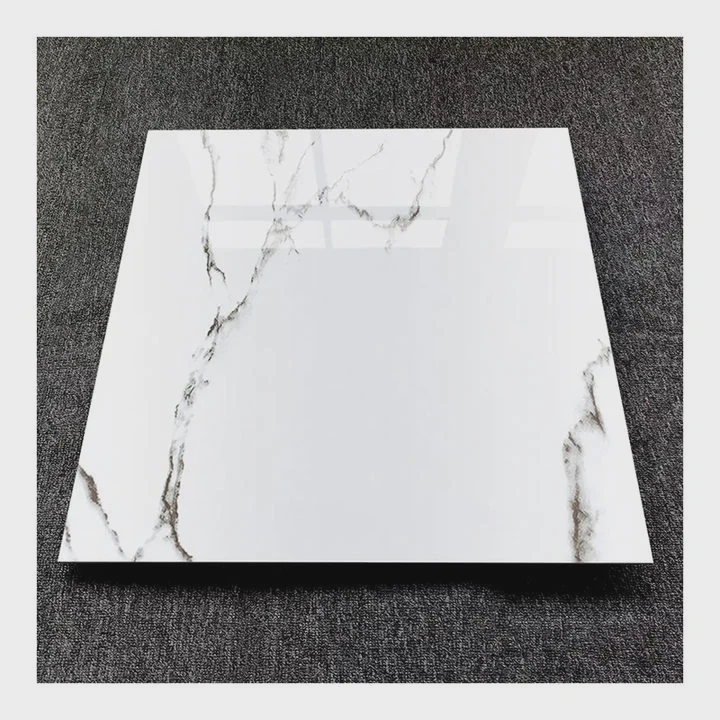
Odor prevention is often easier and cheaper than repeated restoration work.
Immediate Cleanup Matters
Fresh urine is easier to remove before it penetrates deeply into grout.
Quick cleanup reduces:
- Staining
- Bacteria growth
- Odor absorption
- Long-term damage
Even a few extra hours can increase penetration significantly.
Use Grout Sealers Regularly
Sealers protect grout from absorbing liquids.
There are two common sealer types:
| Sealer Type | Features | Best Use |
|---|---|---|
| Penetrating sealer | Absorbs into grout | Bathrooms and kitchens |
| Surface sealer | Creates top coating | Decorative walls |
Penetrating sealers are more common for floors because they preserve grout texture while improving moisture resistance.
Ventilation Reduces Bacteria Growth
Humidity allows odor-causing bacteria to multiply faster.
Improving airflow helps keep grout dry.
Useful ventilation methods include:
- Exhaust fans
- Open windows
- Dehumidifiers
- Air circulation systems
Commercial spaces often install stronger ventilation systems in restrooms to reduce odor buildup.
Choose Low-Absorption Tiles
Some tile materials resist moisture better than others.
Porcelain tiles usually perform better because they absorb very little water. This makes them suitable for:
- Bathrooms
- Pet areas
- Commercial spaces
- High-humidity rooms
Regular Maintenance Prevents Deep Contamination
Waiting too long between cleanings allows dirt and bacteria to settle deeper.
Good maintenance habits include:
- Weekly grout cleaning
- Periodic steam cleaning
- Immediate stain treatment
- Annual grout sealing
Simple routines help avoid expensive restoration later.
Monitor Hidden Moisture Problems
Sometimes odor comes from hidden leaks below tiles instead of surface accidents.
Signs include:
- Loose tiles
- Mold growth
- Constant dampness
- Cracked grout
These issues should be repaired quickly before odor problems worsen.
Professional Cleaning Helps Large Spaces
Hotels, restaurants, and commercial buildings often schedule periodic professional grout cleaning to maintain hygiene standards.
Professional systems usually provide:
- Stronger extraction
- Faster drying
- Better sanitation
- Longer-lasting results
One apartment manager noticed that units with yearly grout maintenance had far fewer odor complaints than units cleaned only after tenant move-outs.
Conclusion
Removing urine smell from tile grout requires more than surface cleaning. Effective cleaners, deep scrubbing, enzymatic treatment, moisture control, and grout sealing work together to eliminate trapped odors and prevent them from returning. Proper maintenance keeps tile surfaces cleaner, healthier, and more durable over time.