What to Mop Tile Floors With?
- Sinotiles
- 2026-05-26
Dirty tile floors can quickly make an entire space look neglected. Many people use the wrong cleaners and slowly damage the tile surface without noticing.
The best way to mop tile floors is to use gentle cleaning solutions, microfiber mops, warm water, and consistent cleaning routines that protect both the tile surface and grout lines.
Tile floors are popular because they are durable, easy to maintain, and suitable for many spaces. Still, proper cleaning matters more than many buyers expect. The wrong mop or chemical can reduce surface shine, weaken grout, or leave stubborn residue behind. A smart cleaning method keeps tile floors attractive while extending their lifespan. This is especially important in homes, hotels, commercial buildings, and large residential projects where flooring experiences heavy daily use.
Which Cleaning Solutions Are Safe for Tile Floors?
Many tile floors lose their original beauty because people use overly strong cleaning products. Some chemicals slowly damage the finish and weaken grout over time.
Safe tile floor cleaning solutions usually include warm water, mild pH-neutral cleaners, diluted vinegar for limited situations, and gentle soap solutions that clean without damaging the tile surface.
Not all tile floors require the same cleaning products. Different materials react differently to moisture, acids, and chemicals. Understanding the tile type helps prevent long-term damage.
pH-Neutral Cleaners Are the Safest Choice
Most professionals recommend pH-neutral cleaners for regular tile maintenance. These cleaners remove dirt without harming the tile glaze or grout.
They also leave less residue behind compared to stronger detergents. Residue buildup often causes floors to look dull even after cleaning.
Warm Water Works Better Than Many Expect
Many homeowners believe stronger chemicals always clean better. In reality, warm water alone removes a large amount of everyday dust and dirt.
For lightly soiled floors, warm water and a microfiber mop are often enough.
Mild Soap Solutions
Small amounts of gentle dish soap can help remove grease or sticky dirt. However, too much soap creates residue that attracts more dirt later.
The key is using only a small amount and rinsing properly afterward.
Vinegar Should Be Used Carefully
Diluted vinegar is sometimes used for ceramic or porcelain tiles because it helps remove mineral buildup and soap residue.
Still, vinegar is acidic. It should never be used on natural stone surfaces like marble, travertine, or limestone.
Here is a simple guide:
| Tile Type | Safe Cleaner | Avoid |
|---|---|---|
| Porcelain | pH-neutral cleaner | Strong bleach |
| Ceramic | Mild soap solution | Abrasive powders |
| Marble | Stone-safe cleaner | Vinegar or acid |
| Natural stone | Neutral cleaner | Harsh chemicals |
Grout Requires Special Attention
Many cleaning problems actually begin in the grout lines instead of the tile surface. Dirty grout makes even clean tiles appear unattractive.
Gentle grout cleaners and soft brushes usually work best. Aggressive scrubbing tools may slowly damage grout joints.
Commercial Spaces Need Consistent Products
Hotels, shopping centers, and office buildings often use standardized cleaning products to maintain consistency across large areas.
Professional maintenance teams usually prefer low-residue cleaners because repeated residue buildup becomes difficult to manage over time.
Overcleaning Can Also Cause Problems
Some people mop tile floors too often with heavy detergent mixtures. This creates sticky residue that traps dirt and reduces the clean appearance of the floor.
Simple cleaning methods usually perform better over the long term. Safe cleaners protect the tile while reducing maintenance costs and preserving the original finish.
How Can Microfiber Mops Improve Cleaning Results?
Traditional cotton mops often spread dirty water across the floor instead of truly cleaning it. Many tile floors stay dull because of poor cleaning tools.
Microfiber mops improve tile floor cleaning by trapping dust, absorbing moisture efficiently, reducing streaks, and protecting tile surfaces from unnecessary wear.
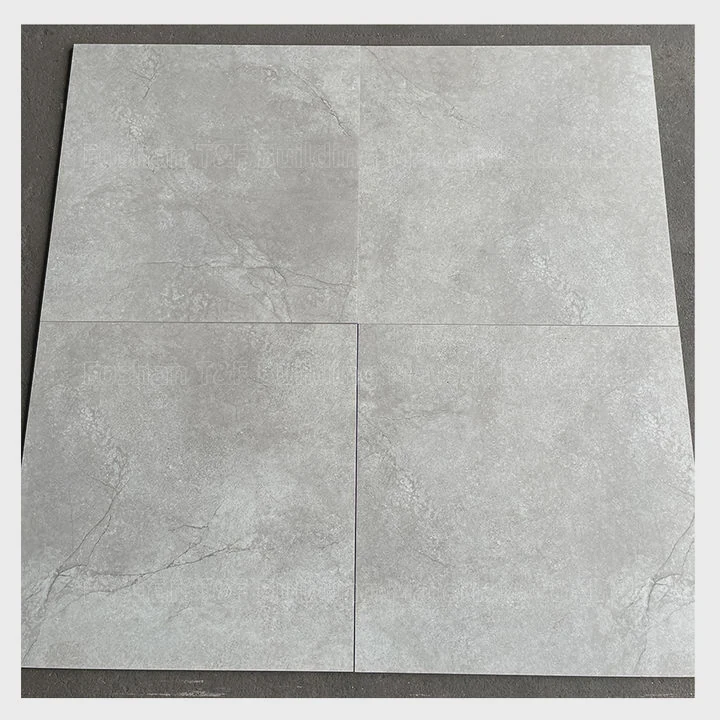
The cleaning tool matters just as much as the cleaning solution. Many people focus only on chemicals while ignoring how much difference the mop itself can make.
Microfiber mops have become very popular in both residential and commercial cleaning because they clean more effectively with less water and less effort.
Better Dirt Removal
Microfiber contains extremely small fibers that trap dirt particles instead of simply pushing them around.
Traditional cotton mops often leave dirty water behind. Microfiber lifts dirt away from the surface more effectively.
Less Water on the Floor
Too much water can create several problems:
- Slippery surfaces
- Longer drying times
- Water stains
- Grout discoloration
Microfiber mops use less water while still cleaning efficiently. This becomes especially important for large-format porcelain tiles and polished surfaces.
Reduced Streaking
One common complaint with tile cleaning is streak marks after mopping. Excess detergent and poor mop absorption usually cause this issue.
Microfiber reduces streaking because it distributes moisture more evenly across the surface.
Safer for Delicate Finishes
Some polished tiles and glossy finishes scratch more easily than textured surfaces.
Microfiber is soft and gentle. It cleans without causing surface damage when used properly.
Easier Daily Maintenance
Many cleaning teams now use flat microfiber mop systems because they are lightweight and efficient.
Here is a simple comparison:
| Mop Type | Main Weakness | Main Benefit |
|---|---|---|
| Cotton mop | Spreads dirty water | Low cost |
| Sponge mop | Leaves streaks | Good absorption |
| Microfiber mop | Higher initial cost | Better cleaning results |
Better Hygiene Standards
Microfiber also improves hygiene because it captures more bacteria and fine dust particles.
This is one reason hospitals, hotels, and modern commercial buildings increasingly use microfiber systems.
Ideal for Modern Tile Designs
Modern bathrooms and living spaces often use matte porcelain, large slabs, and textured surfaces. These designs benefit from microfiber because the mop adapts well to uneven textures.
Large-format tiles especially show streaks more clearly. Microfiber helps maintain the clean visual appearance that modern interiors require.
Long-Term Floor Protection
Using better cleaning tools can extend floor lifespan. Less aggressive scrubbing and reduced chemical usage help preserve grout lines and surface finishes.
In many large commercial projects, proper maintenance practices protect the flooring investment and reduce long-term replacement costs.
Why Avoid Harsh Chemicals on Tile Surfaces?
Strong cleaners may seem effective at first, but they often create long-term damage that becomes expensive to repair.
Harsh chemicals can damage tile glaze, weaken grout, discolor surfaces, reduce shine, and shorten the lifespan of both ceramic and porcelain flooring.
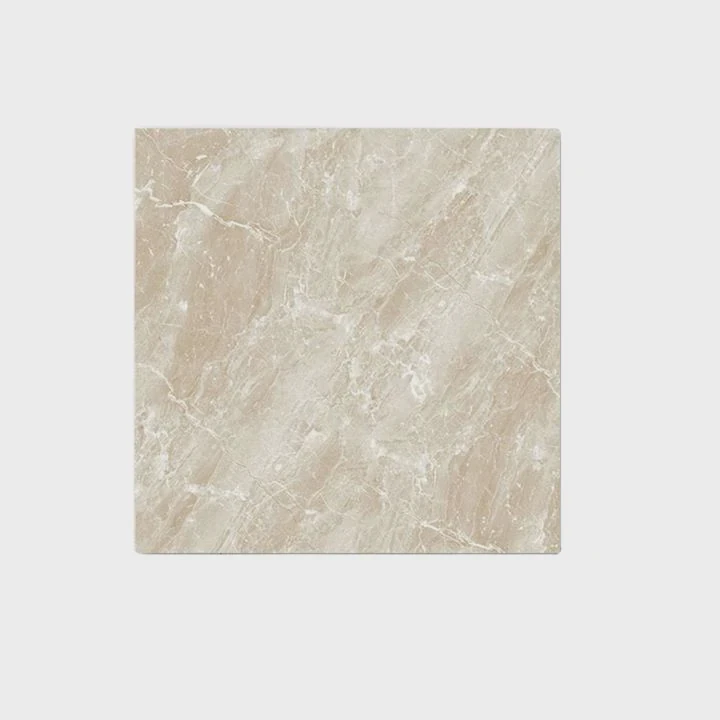
Many people believe stronger chemicals produce cleaner floors. This is not always true. Over time, aggressive products often create more maintenance problems than benefits.
Damage to Tile Finish
Some tile surfaces contain protective glazes or coatings. Strong chemicals can slowly wear away these protective layers.
Once the surface protection weakens, tiles may:
- Lose shine
- Stain more easily
- Absorb dirt faster
- Become harder to clean
Grout Deterioration
Grout is often more vulnerable than the tile itself. Bleach, acidic cleaners, and heavy chemical products can weaken grout joints over time.
Damaged grout may crack, discolor, or allow moisture to penetrate underneath the tiles.
Acidic Cleaners Are Risky
Acid-based cleaners can seriously damage natural stone.
Materials such as marble and travertine react badly to acids. Even short exposure may leave dull marks or surface etching.
Chemical Residue Problems
Many strong detergents leave sticky residue behind. This residue attracts dust and dirt quickly.
As a result, floors may actually appear dirty again shortly after cleaning.
Indoor Air Quality Concerns
Heavy chemical products may also create strong odors and poor indoor air quality.
This becomes especially important in:
- Hotels
- Homes with children
- Restaurants
- Retail spaces
- Healthcare facilities
Many property owners now prefer low-odor and environmentally friendly cleaning products.
Long-Term Maintenance Costs
Repeated chemical damage eventually increases maintenance costs.
Here is a simple overview:
| Harsh Chemical Effect | Possible Result |
|---|---|
| Surface wear | Dull appearance |
| Grout weakening | Cracking and moisture issues |
| Residue buildup | Faster dirt accumulation |
| Acid exposure | Stone surface damage |
Modern Tile Manufacturing and Cleaning
Modern porcelain tiles are designed for durability, but proper maintenance still matters. High-quality tiles can maintain their appearance for many years when cleaned correctly.
Professional cleaning methods usually focus on:
- Gentle products
- Consistent routines
- Minimal residue
- Proper drying
This approach protects both appearance and structural performance.
Prevention Is Easier Than Repair
Restoring damaged tile surfaces can become expensive and time-consuming. In some cases, replacement is the only solution.
Using safer cleaning methods from the beginning helps avoid unnecessary repair costs and preserves the original beauty of the flooring.
Which Routines Keep Tile Floors Consistently Clean?
Many tile floors become difficult to maintain because dirt builds up slowly over time. Irregular cleaning routines often create bigger cleaning problems later.
Consistent tile floor cleaning routines include daily dust removal, weekly mopping, quick spill cleanup, grout maintenance, and using proper tools that prevent dirt buildup.
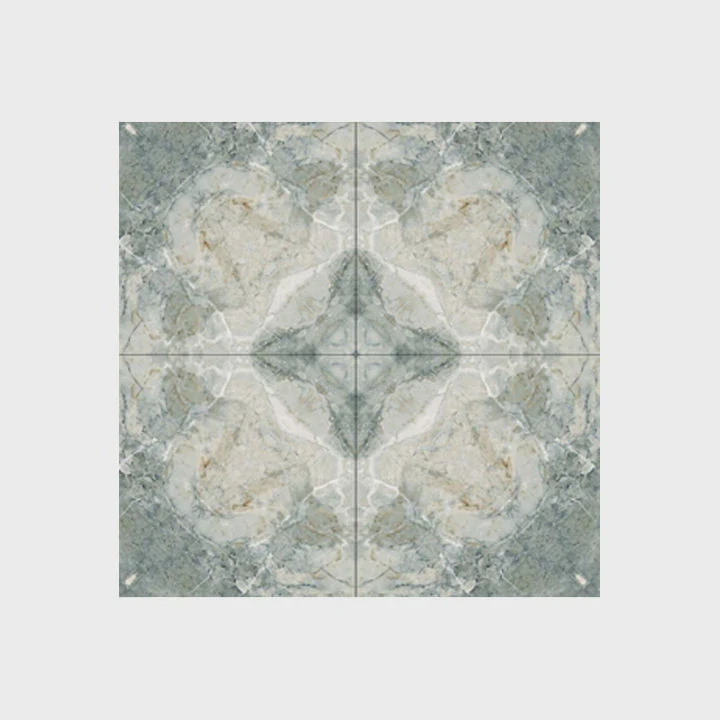
Good tile maintenance is usually about consistency rather than aggressive deep cleaning. Small daily habits often make the biggest difference.
Daily Dust Removal
Dust and sand particles may seem harmless, but they can slowly scratch tile surfaces when walked across repeatedly.
Simple daily sweeping or dry microfiber dusting helps reduce wear.
This is especially important in commercial entrances and high-traffic areas.
Weekly Mopping
Regular weekly mopping removes dirt before it becomes difficult to clean.
Warm water and a microfiber mop are often enough for routine cleaning.
For busy households or commercial spaces, more frequent cleaning may be necessary.
Clean Spills Quickly
Bathroom products, coffee, juice, soap, and grease can stain grout if left too long.
Quick cleanup prevents stains and reduces deep cleaning needs later.
Focus on Grout Lines
Grout lines collect dirt faster than tile surfaces.
Many floors still look dirty even after mopping because the grout has darkened over time.
Soft brushes and gentle grout cleaners help maintain a fresher appearance.
Entrance Mats Reduce Dirt
One of the easiest ways to keep tile floors clean is reducing dirt before it enters the building.
Entrance mats help trap:
- Dust
- Sand
- Water
- Outdoor debris
This reduces cleaning frequency and protects the flooring surface.
Avoid Dirty Mop Water
Many people unknowingly spread dirty water across the floor while mopping.
Changing water regularly improves cleaning results significantly.
Cleaning Schedule Example
| Cleaning Task | Recommended Frequency |
|---|---|
| Dry dusting or sweeping | Daily |
| Light mopping | Weekly |
| Grout cleaning | Monthly |
| Deep cleaning | Every few months |
Commercial Maintenance Standards
Hotels, shopping centers, and office buildings usually follow strict maintenance schedules to preserve flooring appearance.
Consistent routines help maintain:
- Surface shine
- Grout cleanliness
- Slip resistance
- Overall hygiene
Large projects often select tile materials partly because of their easier maintenance requirements.
Long-Term Appearance Depends on Habits
Tile floors are durable, but appearance still depends on daily care. Even premium porcelain or ceramic tiles can look worn if maintenance is neglected.
Simple routines often provide the best long-term results. Regular cleaning keeps tile floors attractive, safer to walk on, and easier to maintain for many years.
Conclusion
The best way to mop tile floors combines gentle cleaners, microfiber mops, safe maintenance habits, and consistent routines. Proper cleaning protects tile surfaces, preserves grout, improves hygiene, and helps floors maintain their original appearance for many years.