How to Pronounce Zellige Tile?
- Sinotiles
- 2026-05-26
Many people see the word “zellige” in tile catalogs or interior design magazines and feel unsure about how to say it correctly. The spelling looks unusual in English, and wrong pronunciation can feel embarrassing during business talks or client meetings.
Zellige tile is commonly pronounced as “zuh-LEEZH” or “zel-EEJ.” The word comes from Morocco and refers to handcrafted glazed tiles known for their rich texture, color variation, and artistic appearance.
Many architects, importers, and designers now use zellige tiles in luxury residential and commercial projects. Understanding the pronunciation also helps people better understand the cultural background and design value behind this traditional tile style.
What Is the Correct Pronunciation of Zellige Tile?
Many buyers and designers first discover zellige tiles online. Yet the word itself often creates confusion. Different countries and accents produce slightly different pronunciations, which makes the situation even more difficult for new learners.
The most common pronunciation of zellige tile is “zuh-LEEZH.” Some people also say “zel-EEJ.” Both versions connect to the original Moroccan Arabic and French influences behind the word.
The word “zellige” comes from Moroccan craftsmanship traditions. It describes handmade mosaic-style glazed tiles used in architecture for centuries.
Understanding the Origin of the Word
The pronunciation becomes easier once people understand the background of the word.
“Zellige” comes from the Arabic word “zlij,” which refers to polished stone or decorative tile work. Over time, French influence in Morocco changed the spelling into “zellige.”
This is why the pronunciation does not follow normal English reading rules.
Common Pronunciation Variations
Different industries and regions may pronounce the word slightly differently.
Here are several common versions:
| Pronunciation | Sound Style | Common Usage |
|---|---|---|
| zuh-LEEZH | French-influenced | Interior design industry |
| zel-EEJ | Arabic-influenced | Moroccan usage |
| zuh-LEEJ | Simplified English version | Casual conversation |
Most designers and tile professionals recognize all these forms.
Why Pronunciation Matters in Business
Correct pronunciation may seem like a small detail, but it helps create better communication during meetings and presentations.
Architects, importers, and showroom staff often discuss premium tile products with clients. Proper pronunciation shows familiarity with design trends and product categories.
This becomes especially useful during:
- Trade fairs
- Product presentations
- Sales discussions
- Design consultations
- Social media video content
The Role of French Influence
French pronunciation strongly shaped the modern international version of “zellige.”
The ending “-ge” often sounds softer in French, similar to the sound in “beige” or “garage.”
This explains why many people pronounce the final sound as “zh.”
Why English Speakers Struggle
English readers often try to pronounce every letter directly. This creates versions like:
- “zeh-li-gee”
- “zel-lig”
- “zel-idge”
These are understandable mistakes because the spelling does not match standard English pronunciation patterns.
Listening Helps More Than Reading
Many pronunciation mistakes disappear after hearing the word once or twice.
Interior design videos, tile showroom presentations, and Moroccan travel content often include spoken examples.
Repeated listening improves confidence much faster than memorizing spelling rules.
Pronunciation and Cultural Respect
Using the correct pronunciation also shows respect for the product’s cultural origin.
Zellige tile is deeply connected to Moroccan art, architecture, and craftsmanship traditions.
Correct pronunciation helps preserve that cultural identity instead of treating the word as only a design trend.
Confidence Matters More Than Perfection
Even among professionals, slight pronunciation differences still exist.
Most clients care more about clear communication than perfect accent accuracy.
Once someone understands the basic sound pattern, speaking becomes much easier and more natural.
How Can Phonetic Spelling Help Pronunciation Learning?
Many people understand a word better after hearing it. Still, hearing alone is not always enough. Phonetic spelling creates a bridge between reading and speaking, especially for foreign words like “zellige.”
Phonetic spelling helps pronunciation learning by breaking difficult words into simple sound parts. It allows learners to connect spelling with spoken sounds more clearly and confidently.
Phonetic spelling is one of the easiest tools for language learning and product pronunciation.
What Is Phonetic Spelling?
Phonetic spelling rewrites words based on sound instead of traditional spelling rules.
For example:
- Zellige → zuh-LEEZH
- Porcelain → POR-suh-lin
- Mosaic → moh-ZAY-ik
This method helps learners focus on pronunciation directly.
Why Phonetics Works Well
Many English words already contain irregular pronunciation patterns. Foreign-origin words become even harder.
Phonetic spelling reduces confusion because learners can immediately see where stress and sound changes happen.
Breaking Words Into Syllables
Syllable separation improves learning speed.
For example:
| Word Part | Sound |
|---|---|
| zuh | soft opening sound |
| LEEZH | stressed ending sound |
The stress on “LEEZH” is very important in natural pronunciation.
Pronunciation Becomes Easier Through Repetition
Language learning improves with repeated exposure.
Many tile showroom teams train pronunciation by:
- Listening to audio samples
- Reading phonetic spelling aloud
- Practicing customer conversations
- Watching design videos
This process gradually builds speaking confidence.
Visual Learning Helps Memory
Some learners remember sounds better after seeing them visually.
Phonetic spelling creates a mental shortcut between the written word and spoken sound.
This is especially useful in global industries like tile export, where product names come from many languages.
International Business Needs Clear Communication
Tile suppliers often work with customers from different countries.
Mispronouncing product names can sometimes create confusion during negotiations or presentations.
Phonetic learning tools help sales teams communicate more smoothly.
Online Content Increases Pronunciation Exposure
Today, social media and video marketing expose people to many international design terms.
Words like:
- Terrazzo
- Travertine
- Zellige
- Porcelain
appear regularly in design content.
Phonetic spelling helps viewers learn these words faster.
Teachers and Sales Teams Use Similar Methods
Interestingly, language teachers and showroom trainers often use the same pronunciation techniques.
Both groups focus on:
- Sound repetition
- Syllable practice
- Listening exercises
- Simple sound patterns
This creates a practical learning method for adults.
Pronunciation Improves Professional Confidence
Correct pronunciation helps people feel more comfortable during conversations.
This matters during:
- Product demonstrations
- Trade exhibitions
- Video presentations
- Client meetings
Confidence often improves communication quality more than perfect grammar or accent.
Phonetic spelling may look simple, but it remains one of the most effective pronunciation learning tools for international business communication.
Why Is Zellige Tile Popular in Design?
Many tile trends disappear after a few years. Yet zellige tile continues growing in popularity across luxury homes, hotels, restaurants, and commercial interiors. Designers value its handmade appearance and natural imperfections.
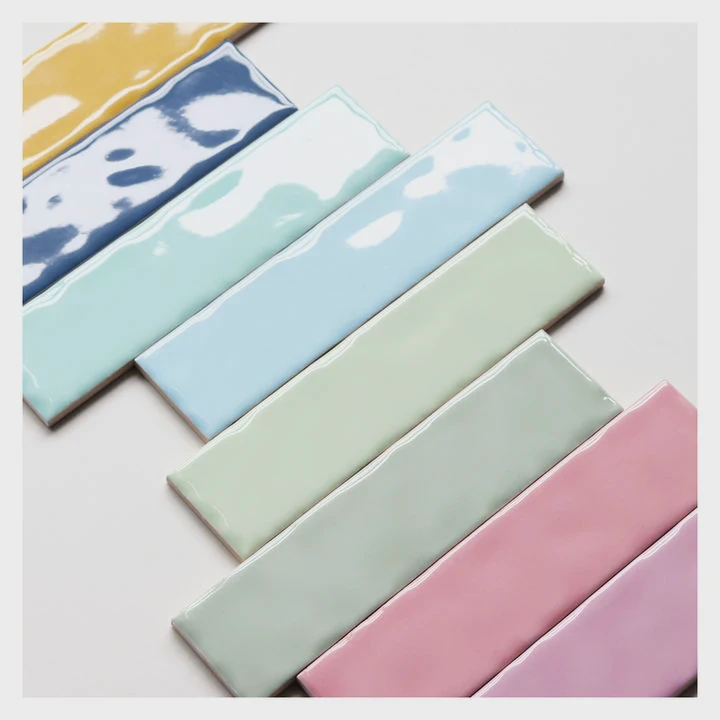
Zellige tile is popular because of its handcrafted texture, glossy surface, color variation, and artistic character. It creates warm, authentic, and visually rich spaces that feel both traditional and modern.
Zellige tile stands out because it looks different from machine-made surfaces.
Handmade Texture Creates Character
Most modern tiles aim for perfect consistency. Zellige tiles do the opposite.
Each tile may contain:
- Slight color variation
- Surface irregularities
- Uneven edges
- Light reflection differences
These imperfections create a more natural and artistic feeling.
Glossy Surfaces Reflect Light Beautifully
Traditional zellige tiles often use glossy glazing.
Light reflects differently across each handmade surface, creating movement and depth.
This effect works especially well in:
- Bathrooms
- Kitchen backsplashes
- Hotel lobbies
- Restaurants
- Feature walls
Designers Like Organic Materials
Modern interior design trends increasingly favor materials that feel human and natural.
People now want spaces that feel warmer and less industrial.
Zellige tiles support this trend because handmade surfaces create emotional warmth.
Color Variety Expands Design Options
Zellige tiles come in many rich colors, including:
| Popular Color | Design Style |
|---|---|
| Deep green | Natural luxury |
| White | Minimalist |
| Blue | Mediterranean |
| Sand beige | Warm modern |
| Charcoal | Contemporary |
The color depth often appears richer than standard industrial tiles.
Moroccan Design Influences Global Trends
Moroccan architecture has inspired designers for many years.
Zellige surfaces became more visible globally through:
- Boutique hotels
- Social media
- Luxury resorts
- Travel photography
- Interior design magazines
This increased worldwide demand significantly.
Handmade Products Feel More Exclusive
Many homeowners now prefer products that feel unique rather than mass-produced.
Handcrafted surfaces create a stronger emotional connection.
This is one reason luxury hospitality projects frequently use zellige-inspired designs.
Small Format Tiles Add Flexibility
Traditional zellige tiles often come in smaller sizes.
Small tiles allow creative layouts such as:
- Herringbone
- Stacked patterns
- Mosaic layouts
- Geometric walls
This flexibility helps designers personalize spaces more easily.
Modern Factories Also Produce Zellige-Inspired Tiles
Authentic handmade Moroccan zellige remains highly valued. Yet many porcelain tile factories now produce zellige-look porcelain tiles as well.
These products combine:
- Handmade visual effects
- Easier maintenance
- Better consistency
- Lower installation difficulty
This helps expand the market further.
Social Media Strongly Influences Popularity
Instagram, Pinterest, and design blogs play a huge role in zellige popularity today.
Glossy handmade surfaces photograph very well under natural light.
As more influencers showcase these interiors, demand continues growing globally.
Zellige tile became popular not only because of appearance, but also because it brings craftsmanship, texture, and personality back into modern design spaces.
Which Regions Commonly Use Zellige Tiles?
Many people associate zellige tiles only with Morocco. Yet today these tiles appear in homes, hotels, cafes, and commercial projects around the world. Different regions use them in different design styles.
Zellige tiles are most common in Morocco, North Africa, Europe, the Middle East, and modern luxury projects worldwide. Their handcrafted appearance fits both traditional and contemporary architecture.
Zellige tile started as a regional craft product, but it has now become an international design trend.
Morocco Remains the Traditional Center
Morocco is the original home of zellige craftsmanship.
For centuries, Moroccan artisans used zellige in:
- Mosques
- Palaces
- Courtyards
- Fountains
- Traditional homes
Cities like Fez remain famous for handmade zellige production.
North Africa Shares Similar Traditions
Neighboring North African regions also use similar decorative tile traditions.
Islamic geometric art strongly influenced architectural decoration across the region.
These designs often include:
- Mosaic patterns
- Geometric layouts
- Rich colors
- Decorative wall surfaces
Europe Embraced Zellige Through Design Trends
European designers increasingly use zellige-inspired interiors in modern homes and hospitality spaces.
Countries like:
- France
- Spain
- Italy
- Portugal
often combine Mediterranean and Moroccan design elements.
This style works well in warm, natural interior concepts.
The Middle East Uses Decorative Tile Extensively
Middle Eastern architecture has a long history of decorative tile usage.
Luxury villas, hotels, and cafes frequently use glossy handmade-style tiles for visual richness.
Warm climates and strong sunlight also enhance reflective glazed surfaces beautifully.
North America Follows Luxury Interior Trends
In the United States and Canada, zellige tiles became highly popular in premium residential design.
Designers often use them in:
- Kitchen backsplashes
- Spa bathrooms
- Boutique cafes
- Luxury retail stores
Social media accelerated this trend rapidly.
Hospitality Projects Drive Global Demand
Hotels and restaurants strongly influence interior trends.
Guests often remember visually unique spaces more clearly.
As boutique hospitality expanded globally, handcrafted tile styles gained more attention.
Modern Porcelain Alternatives Expand Usage
Traditional handmade zellige can be expensive and difficult to install.
Many factories now produce porcelain versions inspired by zellige aesthetics.
These products allow wider use in:
- Commercial projects
- Large developments
- Apartment projects
- Retail chains
Regional Climate Also Matters
Glossy glazed surfaces perform differently across climates.
Dry and warm regions often favor these surfaces because sunlight enhances color depth and reflection.
In colder climates, porcelain zellige-look tiles sometimes become more practical because they offer better frost resistance.
Global Design Has Become More Connected
Today, design ideas spread internationally very quickly.
A hotel trend in Marrakech may influence a cafe in London or a villa project in Dubai within months.
This global design exchange continues increasing demand for handcrafted tile styles like zellige.
Conclusion
Zellige tile combines rich cultural history, artistic craftsmanship, and modern design appeal. Learning the correct pronunciation helps people better understand its origins, while its unique handmade beauty continues shaping interior and exterior design trends around the world.