How to Grout Peel and Stick Tile?
- Sinotiles
- 2026-05-20
Many people install peel and stick tiles because they look simple and fast. Still, poor grouting methods can damage the adhesive, weaken the installation, and ruin the tile appearance.
The best way to grout peel and stick tile is to use the correct grout type, apply grout carefully without excess moisture, follow manufacturer instructions, and avoid common installation mistakes that weaken adhesion.
Peel and stick tiles have become popular in kitchens, bathrooms, rental apartments, and quick renovation projects. Many contractors and distributors now supply these products because they reduce labor time and installation costs. Even so, grouting peel and stick tiles requires extra care because the adhesive backing reacts differently from traditional mortar-based tile systems.
What Grout Types Work With Peel and Stick Tiles?
The best grout types for peel and stick tiles are lightweight, flexible, and low-moisture products such as premixed grout, acrylic grout, and certain sanded or unsanded grouts recommended by manufacturers.
Flexible and low-water grout types help protect the adhesive backing while improving the appearance and durability of peel and stick tile installations.
Many people assume all grout products work the same way. That is not true for peel and stick tile systems. Traditional cement grout can sometimes create problems because these tiles rely on adhesive backing instead of mortar attachment.
Why Grout Selection Matters
Peel and stick tiles are thinner and lighter than standard ceramic or porcelain tiles. Their adhesive backing is sensitive to moisture, movement, and expansion.
If the grout becomes too heavy or absorbs too much water, several issues may happen:
- Adhesive weakening
- Tile lifting
- Edge curling
- Cracking grout lines
- Water penetration
This is why grout compatibility matters before installation starts.
Common Grout Options
| Grout Type | Suitable for Peel and Stick Tiles? | Main Benefit |
|---|---|---|
| Premixed grout | Yes | Low moisture content |
| Acrylic grout | Yes | Flexible and crack resistant |
| Unsanded grout | Sometimes | Smooth finish for narrow joints |
| Sanded grout | Limited use | Better for wider joints |
| Traditional cement grout | Usually not recommended | High moisture risk |
Premixed Grout Is Popular
Premixed grout is one of the safest choices for peel and stick applications.
It offers:
- Easy application
- Lower water content
- Reduced mixing errors
- Better flexibility
Many DIY users prefer premixed grout because it simplifies the process.
Acrylic Grout Adds Flexibility
Acrylic grout performs well because it remains slightly flexible after curing.
This flexibility helps absorb:
- Minor substrate movement
- Temperature expansion
- Small installation shifts
This becomes useful in kitchens and bathrooms where temperature and humidity change frequently.
Unsanded Grout for Small Joints
Many peel and stick tiles use narrow grout lines.
Unsanded grout works better in these situations because:
- It spreads smoothly
- It reduces scratching risk
- It fits tight joints more easily
Still, installers should verify compatibility with the tile manufacturer first.
Avoid Heavy Cement Grout
Traditional cement grout may hold excess moisture for too long. This moisture can slowly weaken the adhesive layer beneath the tile.
Some low-quality peel and stick products fail after heavy grout applications because the adhesive loses bonding strength.
Waterproof Performance Matters
Bathrooms and backsplashes need moisture resistance.
Some modern grout products now include:
- Mold resistance
- Water resistance
- Stain protection
- Flexible polymers
These features improve long-term durability.
Test Before Full Application
Experienced installers often test grout on a small section first.
This helps confirm:
- Adhesion stability
- Color appearance
- Joint compatibility
- Cleaning behavior
Testing reduces project risk before full installation begins.
How Can Grout Be Applied Without Damaging Adhesive?
Grout can be applied safely by using minimal water, applying light pressure, allowing adhesive curing time, and cleaning carefully without soaking the tile surface.
Careful grout application protects the adhesive backing and prevents tile lifting, shifting, or edge separation during installation.

Many peel and stick tile failures happen because installers treat them like traditional ceramic tile systems. These products require gentler handling during the grouting stage.
Wait Before Grouting
One major mistake is grouting too soon after tile installation.
Most peel and stick products need time for the adhesive to bond fully.
Manufacturers often recommend waiting:
- 24 hours
- 48 hours
- Sometimes longer in humid conditions
This curing time helps strengthen adhesion before grout pressure is added.
Use Minimal Water
Excess water is one of the biggest risks.
Traditional grout cleaning methods use large wet sponges. This can allow water to enter:
- Tile edges
- Seams
- Adhesive backing
Too much moisture may weaken the glue layer.
Recommended Application Process
| Step | Purpose |
|---|---|
| Allow adhesive curing | Improve tile bonding |
| Apply grout gently | Avoid tile movement |
| Use damp sponge only | Reduce water exposure |
| Clean in small sections | Prevent soaking |
| Dry surface quickly | Protect adhesive |
Use Soft Pressure
Some installers press too hard during grout spreading.
Excess force may:
- Shift tile positions
- Open joints
- Break adhesive contact
A softer grout float angle reduces pressure on the tiles.
Work in Small Areas
Professional installers often grout small sections one at a time.
This helps control:
- Cleaning speed
- Moisture exposure
- Grout consistency
Large sections may dry unevenly or trap excess water.
Dry Cleaning Helps
Microfiber cloths can remove haze with less water than traditional sponges.
This approach lowers moisture exposure while still producing clean grout lines.
Room Temperature Affects Results
Cold or humid rooms slow adhesive bonding.
In these conditions:
- Adhesive cures more slowly
- Moisture evaporates more slowly
- Grout drying takes longer
Stable indoor temperature improves installation safety.
Substrate Stability Is Important
Flexible or uneven surfaces increase installation risk.
Peel and stick tiles perform best on:
- Smooth walls
- Stable floors
- Dry substrates
- Clean surfaces
Weak substrates may cause movement that cracks grout later.
Why Follow Manufacturer Guidelines for Grouting?
Manufacturer guidelines explain which grout products, installation methods, curing times, and cleaning processes are safe for specific peel and stick tile systems.
Following manufacturer instructions reduces installation failures, protects warranties, and improves long-term tile performance.
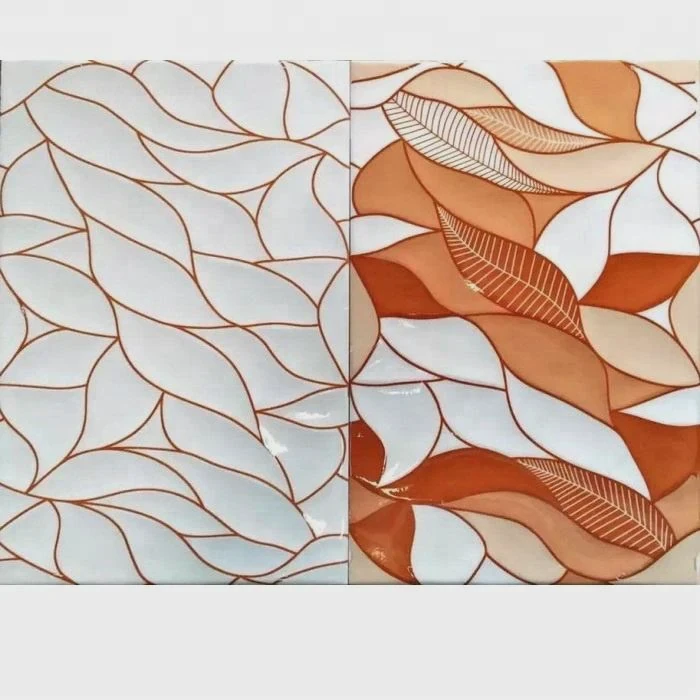
Not all peel and stick tiles use the same adhesive technology. Some products support grouting, while others are designed only for dry joint installation.
Different Adhesives Behave Differently
Manufacturers use different adhesive formulas.
Some adhesives resist:
- Humidity
- Heat
- Water exposure
Others may weaken quickly when exposed to moisture.
This is why one grout method may work well for one brand but fail for another.
Product Testing Matters
Reliable manufacturers usually test:
- Adhesion performance
- Water resistance
- Grout compatibility
- Expansion behavior
Their installation guides reflect these test results.
Ignoring these recommendations increases project risk.
Common Manufacturer Guidelines
| Guideline Area | Typical Recommendation |
|---|---|
| Curing time | 24-72 hours |
| Grout type | Flexible or premixed |
| Joint width | Product specific |
| Water exposure | Limited during cleaning |
| Surface preparation | Smooth and dry |
Warranty Protection
Some suppliers only honor warranties when installers follow official instructions.
If installers ignore:
- Approved grout types
- Installation conditions
- Cleaning methods
The warranty may become invalid.
Temperature Requirements
Many manufacturers specify installation temperature ranges.
Extreme temperatures may:
- Soften adhesive
- Reduce bonding
- Increase tile movement
Controlled indoor environments improve installation quality.
Expansion and Movement Guidelines
Some peel and stick systems need expansion gaps near walls or corners.
Without movement space:
- Tiles may buckle
- Grout may crack
- Edges may lift
This issue becomes more common in large rooms.
Cleaning Recommendations Matter
Certain chemical cleaners may damage:
- Tile surfaces
- Adhesive layers
- Grout color
Manufacturers often recommend mild cleaning products only.
Commercial Projects Need Documentation
In large commercial projects, contractors often keep manufacturer installation documents for:
- Quality control
- Inspection records
- Warranty claims
- Future maintenance
This becomes important for hotels, rental properties, and retail spaces.
Which Mistakes Should Be Avoided When Grouting Tiles?
The biggest mistakes include using too much water, grouting too early, choosing the wrong grout type, applying excessive pressure, and ignoring surface preparation requirements.
Avoiding common grouting mistakes helps maintain tile adhesion, improve durability, and create a cleaner finished appearance.
Many peel and stick tile problems appear several weeks after installation. Most of these failures trace back to simple installation mistakes during the grouting process.
Mistake 1: Using Excess Water
Water damage is one of the most common issues.
Too much water may:
- Soften adhesive
- Create bubbling
- Cause edge lifting
- Increase mold risk
Installers should always use lightly damp cleaning tools instead of soaked sponges.
Mistake 2: Skipping Surface Preparation
Dirty or uneven surfaces reduce adhesive performance.
Before installation:
- Dust should be removed
- Oil should be cleaned
- Moisture should be eliminated
Good preparation improves long-term bonding strength.
Mistake 3: Grouting Immediately After Installation
Fresh adhesive needs time to stabilize.
Early grouting may:
- Shift tiles
- Open seams
- Reduce adhesive contact
Waiting the recommended curing time greatly improves stability.
Mistake 4: Choosing Incorrect Grout
Heavy cement grout or highly rigid grout may create stress on lightweight tile systems.
This may lead to:
- Joint cracking
- Adhesive separation
- Surface damage
Flexible grout products are usually safer.
Mistake 5: Ignoring Room Conditions
Humidity and temperature affect installation quality.
Poor room conditions may slow:
- Adhesive curing
- Grout drying
- Moisture evaporation
Controlled environments reduce installation problems.
Mistake 6: Applying Too Much Pressure
Aggressive grout spreading may force tiles out of position.
This creates:
- Uneven joints
- Alignment problems
- Weak bonding
Gentle application methods work better.
Mistake 7: Using Harsh Cleaning Chemicals
Strong chemical cleaners may damage:
- Decorative finishes
- Protective coatings
- Adhesive systems
Mild cleaning products are safer for maintenance.
Common Problems and Causes
| Problem | Possible Cause |
|---|---|
| Tile lifting | Excess moisture |
| Cracked grout | Rigid grout or movement |
| Edge curling | Weak adhesive bond |
| Mold growth | Water penetration |
| Uneven joints | Excess pressure during grouting |
Professional Installation Improves Results
Large residential and commercial projects often hire experienced installers because peel and stick systems still require technical care.
A professional approach improves:
- Visual appearance
- Durability
- Moisture resistance
- Long-term customer satisfaction
Conclusion
Grouting peel and stick tile requires the right grout selection, careful moisture control, proper curing time, and strict attention to manufacturer instructions. Avoiding common mistakes helps create a durable, clean, and professional-looking tile installation for both residential and commercial spaces.