How to Apply Tile Sealer?
- Sinotiles
- 2026-05-20
Many tile surfaces lose their shine too quickly because dirt, moisture, and stains slowly damage the finish. Poor sealing can also lead to expensive repairs and short tile lifespan.
Tile sealer protects tile surfaces and grout from water, stains, dirt, and wear. Proper sealing involves choosing the right sealer, preparing the surface carefully, applying the sealer evenly, and allowing enough drying time for long-lasting protection.
Many people focus only on selecting beautiful porcelain tiles, glazed tiles, or mosaic tiles. Still, long-term tile performance depends heavily on maintenance and protection. Tile sealer works like a protective barrier. It helps preserve the surface appearance and improves resistance against moisture, stains, and daily wear. In residential spaces, sealing helps kitchens and bathrooms stay cleaner. In commercial projects, sealing becomes even more important because heavy foot traffic increases tile stress. Over the years, many contractors and importers have learned that proper sealing can greatly reduce maintenance costs and improve customer satisfaction.
What types of sealers are used for tiles?
Many buyers and installers choose sealers without understanding the differences between products. The wrong sealer can create poor protection or change the tile appearance unexpectedly.
The main types of tile sealers include penetrating sealers, surface sealers, natural-look sealers, enhancing sealers, and grout sealers. Each type offers different protection levels and visual effects depending on tile material and project needs.
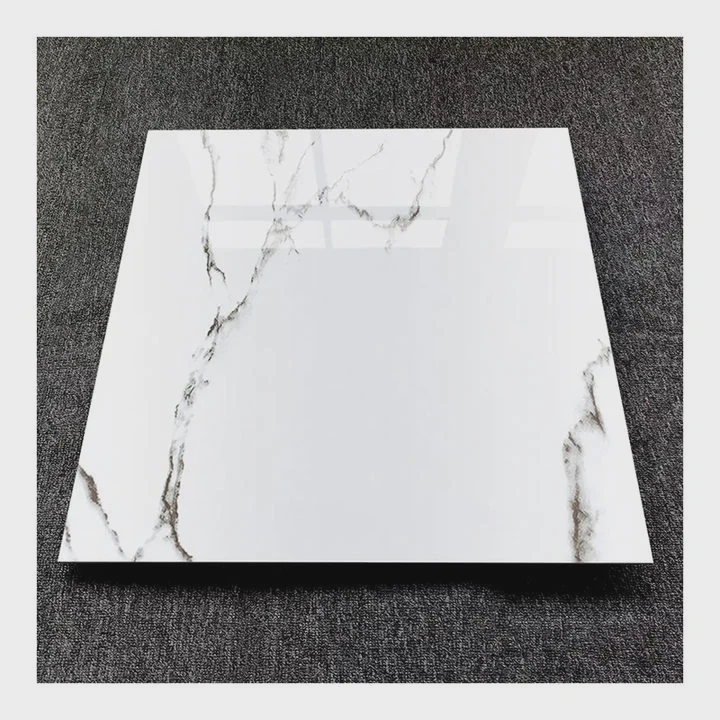
Different tile materials require different sealing solutions. Porcelain tiles, ceramic tiles, natural stone, and mosaic tiles all react differently to moisture and stains. That is why selecting the correct sealer matters before any application starts.
Penetrating Sealers
Penetrating sealers move deep into the tile or grout surface. They protect from inside the material instead of creating a thick coating on top.
These sealers are popular for natural stone, unglazed porcelain, and grout joints because they maintain the original tile appearance.
Surface Sealers
Surface sealers form a protective layer above the tile. This layer helps resist dirt, water, and stains.
Some surface sealers also create a glossy finish. They are often used in decorative commercial spaces where appearance matters.
Natural-Look Sealers
Many customers want protection without changing tile color. Natural-look sealers keep the original tile finish while adding stain resistance.
This option works well for modern minimalist designs.
Enhancing Sealers
Enhancing sealers deepen the color and texture of tiles or stone surfaces. Many hotel and luxury residential projects use these sealers to create a richer visual effect.
Dark stone and textured tiles often look more dramatic after enhancement.
Grout Sealers
Grout lines absorb moisture more easily than tiles. Grout sealers help reduce mold growth and discoloration.
Bathrooms and kitchens especially benefit from grout sealing.
| Sealer Type | Main Function | Common Use |
|---|---|---|
| Penetrating Sealer | Internal protection | Natural stone and grout |
| Surface Sealer | Protective coating | Decorative floors |
| Natural-Look Sealer | Invisible protection | Modern tile designs |
| Enhancing Sealer | Richer color effect | Luxury interiors |
| Grout Sealer | Joint protection | Kitchens and bathrooms |
Water-Based vs Solvent-Based Sealers
Sealers also differ by chemical composition.
Water-based sealers usually produce less odor and are easier to clean during application. Solvent-based sealers often provide deeper penetration and stronger protection for demanding environments.
Commercial projects sometimes prefer solvent-based products because of heavy traffic conditions.
Tile Material Matters
Glazed porcelain tiles usually need less sealing because their surfaces already resist moisture. Natural stone surfaces like marble, travertine, and slate often require stronger sealing systems.
Many first-time buyers assume all tiles require the same treatment, but surface density changes sealing needs significantly.
Climate and Usage Affect Sealer Choice
Outdoor areas face sunlight, rain, and temperature changes. Indoor spaces face different risks like cooking oil, soap residue, or foot traffic.
One contractor once shared how a restaurant floor lost its clean appearance quickly because the wrong surface sealer became slippery after oil exposure. After switching to a penetrating sealer, maintenance became much easier.
Choosing the right sealer from the beginning saves time, protects tile investment, and reduces future maintenance problems.
How can sealers be applied evenly on surfaces?
Uneven sealer application can leave streaks, sticky patches, and inconsistent protection. Many tile surfaces look damaged simply because the sealer was applied incorrectly.
Tile sealers can be applied evenly by cleaning the surface thoroughly, using the correct applicator, working in small sections, spreading thin layers consistently, and removing excess sealer before drying.
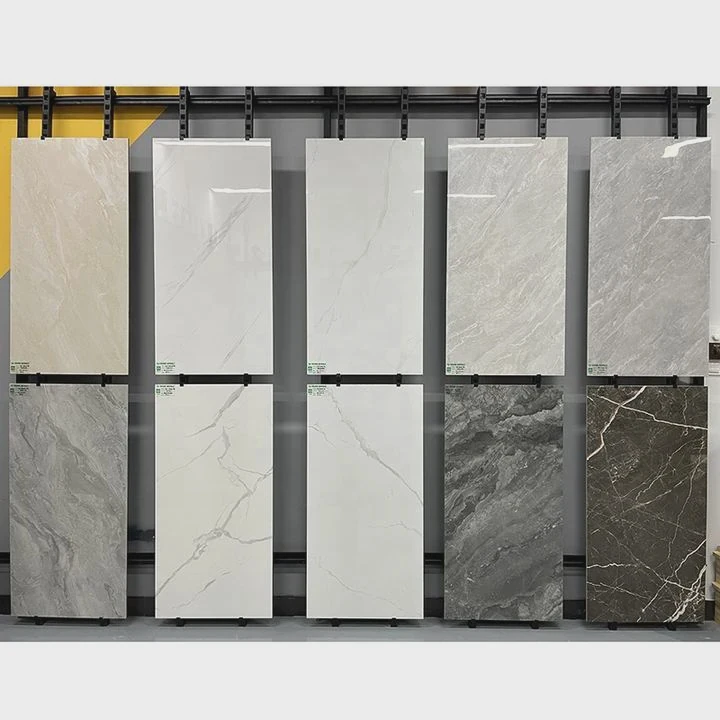
Even application is one of the most important parts of tile sealing. A high-quality sealer still performs poorly if it is spread unevenly.
Professional installers usually follow a controlled process to avoid visible defects.
Clean the Surface First
Dust, grease, and moisture interfere with sealer bonding. Before application starts, the tile surface should be completely clean and dry.
Many installers wait at least 24 hours after washing the floor before sealing.
Choose the Right Applicator
Different tools create different results.
Soft cloths, foam rollers, paint pads, microfiber applicators, and spray bottles are commonly used depending on tile size and surface texture.
Work in Small Sections
Large areas should be divided into smaller sections. This method helps maintain control and prevents uneven drying.
Fast application across very large spaces often leaves overlapping marks.
Apply Thin Coats
Many beginners apply too much sealer at one time. Thick layers may dry unevenly or leave cloudy residue.
Thin coats usually create more balanced protection.
Remove Excess Sealer Quickly
Extra sealer left on the surface may harden and create a sticky or hazy appearance.
Professional installers wipe away excess material before full drying begins.
| Application Problem | Possible Cause |
|---|---|
| Sticky Surface | Too much sealer |
| Uneven Shine | Inconsistent spreading |
| White Haze | Excess dried sealer |
| Weak Protection | Thin coverage areas |
| Roller Marks | Poor applicator technique |
Follow Drying Time Carefully
Different sealers require different drying periods. Walking on the floor too early may damage the finish.
Manufacturers usually provide curing guidelines for light traffic and heavy traffic conditions.
Ventilation Improves Results
Good airflow helps sealer cure more evenly. Closed rooms with poor ventilation may trap odors and slow drying.
Commercial projects often use fans or ventilation systems during large sealing jobs.
Textured Tiles Need Extra Attention
Textured surfaces absorb sealer differently from polished surfaces. Deep grooves and uneven textures may require more careful spreading.
Some installers use brushes to reach recessed areas properly.
Consistency Matters More Than Speed
One project manager once explained how a shopping mall floor developed visible gloss differences because multiple workers applied sealer using different techniques. After retraining the team and standardizing the application method, the final finish became much more uniform.
Even sealing depends on patience, careful observation, and consistent application methods throughout the entire surface.
Why is sealing important for tile longevity?
Many tile floors lose their beauty long before the tiles themselves wear out. Moisture, stains, and dirt slowly weaken the surface and grout over time.
Sealing is important because it protects tiles and grout from moisture, stains, scratches, and wear, helping maintain appearance, reduce maintenance, and extend the overall lifespan of tile installations.
Tile surfaces face constant exposure to water, cleaning chemicals, foot traffic, and dirt. Even durable porcelain or natural stone can deteriorate without proper protection.
Sealing acts as a preventive maintenance layer.
Moisture Protection
Bathrooms, kitchens, hotels, and outdoor areas experience constant moisture exposure. Water can penetrate grout lines and weak surfaces.
Over time, trapped moisture may cause mold, discoloration, or adhesive damage.
Stain Resistance
Oil, coffee, soap, and chemicals can stain porous surfaces quickly.
Sealers reduce absorption and make daily cleaning much easier.
Easier Maintenance
Protected tile surfaces collect less dirt and become easier to clean. This benefit is especially important in large commercial projects where maintenance costs remain high.
Hotels, malls, and office buildings often rely on sealing to reduce long-term cleaning expenses.
Protection Against Wear
Heavy foot traffic slowly wears down tile surfaces and grout joints.
Sealers help reduce surface friction and preserve the visual appearance for longer periods.
| Benefit of Sealing | Long-Term Effect |
|---|---|
| Water Resistance | Lower moisture damage |
| Stain Protection | Cleaner appearance |
| Easier Cleaning | Reduced maintenance cost |
| Surface Protection | Longer tile lifespan |
| Grout Protection | Less cracking and discoloration |
Grout Is Often the Weakest Area
Many tile surfaces remain strong while grout lines become dirty or cracked first.
Sealing grout helps preserve the entire installation system.
Outdoor Projects Need Stronger Protection
Outdoor tiles face rain, sunlight, and temperature changes. Freeze-thaw cycles in colder regions can create serious damage if moisture enters the tile structure.
Proper sealing reduces water penetration risks.
Sealing Supports Commercial Durability
Commercial spaces often use large-format porcelain tiles and polished surfaces. These materials must maintain appearance under constant traffic.
Many developers now include sealing as part of standard maintenance planning.
Tile Appearance Lasts Longer
Sealers also help preserve color consistency and surface texture. Some enhancing sealers create richer visual depth that remains stable over time.
One distributor once explained how two apartment projects used the same tile design, but only one included professional sealing after installation. Several years later, the sealed project still looked newer and cleaner, while the unsealed project showed heavy grout discoloration and moisture stains.
Tile sealing may seem like a small step during installation, but it often determines how the floor looks years later.
Which steps ensure proper sealer application?
Many sealing failures happen because installers skip preparation or rush the drying process. Good sealing depends on following each step carefully and consistently.
Proper sealer application requires surface cleaning, moisture checking, selecting the correct sealer, testing a small area, applying thin coats evenly, removing excess product, and allowing full curing time before use.
Successful tile sealing follows a process similar to tile installation itself. Preparation, timing, and consistency all affect the final result.
Step 1: Inspect the Tile Surface
The surface should be checked for cracks, dust, adhesive residue, or moisture problems before sealing begins.
Damaged areas should be repaired first.
Step 2: Clean Thoroughly
Any dirt left behind may become trapped under the sealer layer.
Professional installers usually vacuum, wash, and dry the area completely before starting.
Step 3: Test the Sealer First
Different tiles react differently to sealers. A small hidden test area helps confirm appearance and absorption before full application.
This step becomes very important for natural stone and textured surfaces.
Step 4: Apply the First Coat
The sealer should be spread evenly using the chosen applicator.
Small working sections help maintain better control.
Step 5: Allow Proper Absorption Time
Some penetrating sealers require several minutes to absorb fully into the surface.
Manufacturers often specify exact waiting periods.
Step 6: Remove Excess Product
Extra material should be wiped away before drying completely.
This step helps avoid haze and uneven gloss.
Step 7: Apply Additional Coats if Needed
Porous materials sometimes require more than one sealing coat.
The second layer should only be applied after the first coat dries properly.
| Proper Sealing Step | Main Purpose |
|---|---|
| Surface Inspection | Detect damage |
| Cleaning | Improve bonding |
| Test Application | Prevent appearance issues |
| Thin Coat Application | Ensure even coverage |
| Excess Removal | Avoid residue |
| Full Curing | Maximize protection |
Step 8: Respect Full Curing Time
Many people damage fresh sealer by walking on the floor too early.
Heavy furniture, water exposure, and cleaning should wait until curing finishes completely.
Environmental Conditions Matter
Temperature and humidity affect sealer performance. Very cold or humid environments may slow curing significantly.
Many installers avoid sealing during rainy weather for outdoor projects.
Maintenance After Sealing
Sealed surfaces still require proper cleaning methods. Strong acidic chemicals may weaken protective layers over time.
Neutral cleaners usually help maintain sealer performance longer.
Professional Application Creates Better Consistency
Large commercial projects often use experienced sealing teams because consistent coverage becomes more difficult across thousands of square meters.
One commercial office project experienced uneven floor appearance because workers skipped the testing stage and applied a high-gloss sealer directly onto textured matte tiles. The surface became patchy under lighting, and rework costs increased significantly. Since then, many contractors have added mandatory sample testing before every sealing project.
Good sealer application protects both the tile surface and the reputation of the installer.
Conclusion
Tile sealing helps protect surfaces from moisture, stains, and long-term wear. The right sealer, proper preparation, even application, and careful curing all work together to improve tile durability and maintain a clean, professional appearance for many years.