How to Grout Tile Floor?
- Sinotiles
- 2026-03-10

Fresh tile floors can look beautiful, yet unfinished grout lines often cause uneven color, weak bonding, or cracks. Many installers struggle because grout seems simple but requires precise steps.
The correct way to grout a tile floor includes mixing grout at the proper ratio, applying it evenly, allowing the right setting time, cleaning at the right moment, and choosing the correct grout type. These steps ensure strong joints, clean lines, and long-lasting tile surfaces.
Many tile floors fail not because of poor tiles, but because grout was mixed poorly, wiped too early, or chosen incorrectly. Understanding the basic rules makes the installation cleaner, stronger, and far more professional.
What is the proper grout mixing ratio?
Fresh grout often looks easy to mix. However, too much water weakens the grout while too little water makes it difficult to spread. Many first-time installers make mistakes at this step.
Most cement-based grout uses a mixing ratio of about 0.25 to 0.30 liters of water per kilogram of grout powder. The mixture should have a smooth, peanut-butter consistency so it spreads easily but still holds shape inside tile joints.
Why grout consistency matters
Grout acts as the structural filler between tiles. When the mixture is correct, it fills joints tightly and cures evenly. When the mixture is wrong, several problems appear:
- Weak joints
- Color inconsistency
- Powdery surfaces
- Shrinking or cracking
A common mistake happens when installers add extra water to make spreading easier. This reduces strength and causes uneven drying.
Standard grout mixing guidelines
The following table shows typical mixing guidelines used in tile installation.
| Grout Type | Powder | Water | Consistency |
|---|---|---|---|
| Cement Sanded Grout | 1 kg | 0.25–0.30 L | Thick paste |
| Cement Unsanded Grout | 1 kg | 0.30–0.35 L | Smooth paste |
| Rapid Setting Grout | 1 kg | 0.22–0.27 L | Slightly thicker |
| Polymer Modified Grout | 1 kg | 0.25–0.30 L | Creamy texture |
The correct mixing process
A consistent mixing process helps prevent grout defects.
Step 1: Measure carefully
Always measure water first. Guessing the amount often causes weak grout.
Step 2: Add powder slowly
Pour grout powder gradually while mixing with a drill mixer or hand paddle.
Step 3: Mix thoroughly
Mix for about 2–3 minutes until the grout becomes smooth.
Step 4: Let grout rest (slake time)
Most grout needs 5–10 minutes of rest before use. This allows additives and cement to activate.
Step 5: Remix briefly
Mix again for about 30 seconds before application.
Signs the grout mix is correct
A good grout mix should:
- Stick to the float without dripping
- Spread smoothly into joints
- Hold its shape without sagging
- Not feel watery or crumbly
Many professional installers compare it to peanut butter or thick yogurt.
Correct mixing is the foundation of a durable tile floor. If this step goes wrong, even high-quality tiles cannot prevent grout failure.
How long should grout set before wiping?
Many tile installations fail because grout is cleaned too early. At first glance, wiping immediately seems easier. However, this often removes grout from joints.
Most grout should set for about 15 to 30 minutes before the first wipe. The grout should feel firm to the touch but still slightly soft, which allows surface haze to be cleaned without pulling grout from the joints.
Why timing is critical
Grout curing happens in stages. During the first minutes, the material is still plastic. After some time, it begins to harden.
If wiping happens too soon:
- Grout lines become shallow
- Joint strength decreases
- Color becomes patchy
If wiping happens too late:
- Grout haze becomes difficult to remove
- Tile surfaces require heavy scrubbing
Both situations create unnecessary work.
Typical grout cleaning timeline
The following timeline shows the common grout curing stages.
| Time After Application | Grout Condition | Recommended Action |
|---|---|---|
| 0–10 minutes | Very soft | Do not wipe |
| 15–30 minutes | Slightly firm | First sponge wipe |
| 30–60 minutes | Setting | Light second cleaning |
| 2–4 hours | Mostly cured | Remove haze with cloth |
| 24 hours | Fully hardened | Final inspection |
The proper wiping technique
Cleaning grout is not only about timing. The method also matters.
Step 1: Use a damp sponge
The sponge should be damp, not wet. Too much water washes out grout.
Step 2: Wipe diagonally
Move the sponge diagonally across tile joints. This protects the grout lines.
Step 3: Rinse frequently
Dirty water spreads cement haze over tiles.
Step 4: Light pressure only
Heavy pressure pulls grout out of the joints.
Visual signs grout is ready to wipe
Installers often use simple visual checks:
- The grout surface looks dull instead of shiny
- Finger touch leaves light mark without sticking
- The grout holds its shape
These signals show the grout has started to cure.
Correct timing keeps grout joints full and strong while keeping tile surfaces clean. This balance is one of the key skills in tile installation.
Can grout lines be widened for effect?
Many modern tile designs use wide grout lines to create visual contrast. Designers often ask whether grout joints can be widened after tiles are installed.
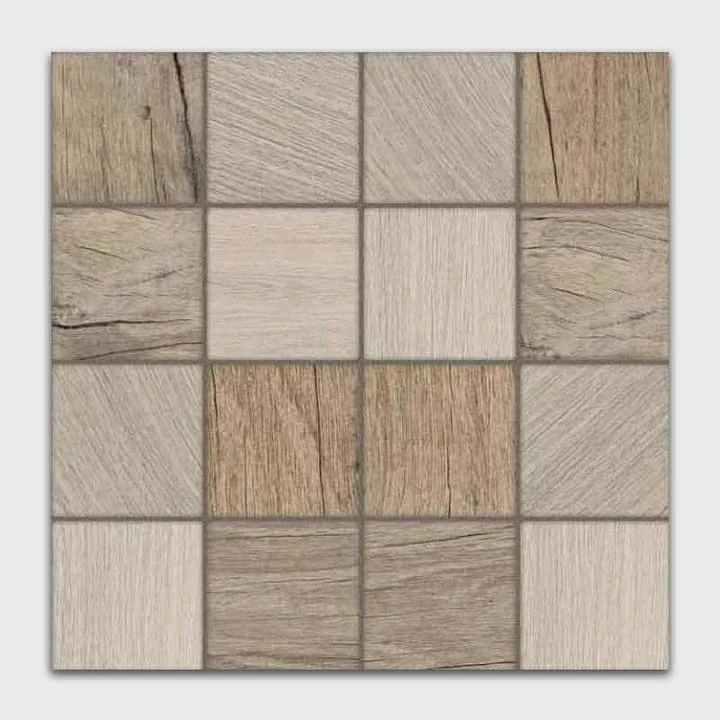
Grout lines cannot usually be widened after tile installation without removing tiles. However, installers can design wider joints during installation by using larger spacers or specific tile layouts to create decorative grout patterns.
Why grout width matters
Grout lines affect both appearance and performance.
Wider grout lines can:
- Highlight tile shapes
- Create rustic or traditional styles
- Improve flexibility in uneven floors
Narrow grout lines create:
- Modern clean appearance
- Seamless surfaces
- Large tile visual effect
Typical grout joint sizes
Different tile types require different joint widths.
| Tile Type | Typical Joint Width |
|---|---|
| Mosaic tiles | 1–3 mm |
| Small ceramic tiles | 2–4 mm |
| Standard floor tiles | 3–6 mm |
| Rustic or handmade tiles | 6–12 mm |
| Large format tiles | 2–5 mm |
Design styles using wide grout lines
Wide grout joints are common in several design styles.
Rustic and Mediterranean interiors
Traditional clay or stone tiles often use 8–12 mm joints. These wide lines highlight texture and irregular edges.
Farmhouse kitchens
Wide grout lines with contrasting colors create a handcrafted appearance.
Decorative patterns
Some designers intentionally emphasize grout to create patterns such as:
- Grid layouts
- Brick patterns
- Frame effects
Can grout joints be modified later?
Changing grout width after installation is very difficult.
Possible options include:
- Removing grout and re-grouting (limited effect)
- Cutting tile edges (high risk of damage)
- Removing tiles completely
For this reason, planning grout width before tile installation is essential.
Grout color and visual impact
Even without widening joints, color contrast can change the visual effect dramatically.
- Light grout + dark tiles → softer appearance
- Dark grout + light tiles → strong pattern
- Matching grout → seamless surface
Many interior designers use grout color as a design tool rather than relying only on joint width.
Are epoxy grouts better than cement grouts?
Grout technology has changed significantly over the past decade. Epoxy grout is now common in commercial projects and high-end homes.
Epoxy grout is stronger, more stain resistant, and more waterproof than cement grout. However, it is more expensive and harder to install, so cement grout remains the most common choice for residential tile floors.
Understanding cement grout
Cement grout is the traditional grout used for decades.
It consists of:
- Cement
- Sand or fine fillers
- Pigments
- Additives
When mixed with water, it hardens through cement hydration.
Advantages of cement grout
- Low cost
- Easy to apply
- Widely available
- Suitable for most residential floors
Limitations
- Can absorb stains
- Requires sealing
- Lower chemical resistance
Understanding epoxy grout
Epoxy grout uses a different technology.
It contains:
- Epoxy resin
- Hardener
- Colored filler powder
When mixed, the chemical reaction creates a very dense material.
Cement vs epoxy grout comparison
| Feature | Cement Grout | Epoxy Grout |
|---|---|---|
| Cost | Low | High |
| Installation difficulty | Easy | Difficult |
| Stain resistance | Moderate | Excellent |
| Water resistance | Moderate | Very high |
| Durability | Good | Excellent |
| Maintenance | Requires sealing | Minimal |
Where epoxy grout performs best
Epoxy grout works especially well in demanding environments.
Commercial kitchens
Grease and food spills cannot easily stain epoxy joints.
Hospitals and laboratories
Epoxy resists chemicals and bacteria growth.
Swimming pools
The material handles constant water exposure.
Why many homes still use cement grout
Despite epoxy advantages, many residential floors still use cement grout because:
- Installation is easier
- Labor cost is lower
- Repairs are simpler
- Material price is cheaper
For most standard ceramic or porcelain floors, properly sealed cement grout performs well for many years.
Conclusion
Grouting a tile floor requires careful mixing, correct timing, thoughtful design, and the right grout material. Proper technique ensures strong joints, clean tile surfaces, and long-lasting installations that maintain both durability and visual appeal.