How to Drill Through Tile?
- Sinotiles
- 2026-03-09
Drilling through tile can feel risky. Many people worry about cracking or damaging their expensive tiles while trying to make holes.
The key to drilling tiles safely is choosing the right tools, using proper techniques, and taking precautions to avoid cracks and chips.
Knowing the right drill bits, techniques, and cooling methods can make a huge difference. With careful steps, even beginners can drill through tiles cleanly without damage.
Which drill bits work best on ceramic tiles?
Tiles are hard and brittle, so regular drill bits often fail. The best bits are specifically designed for tile.
Carbide-tipped or diamond-tipped bits are ideal for ceramic tiles. They cut through the hard surface without causing cracks.
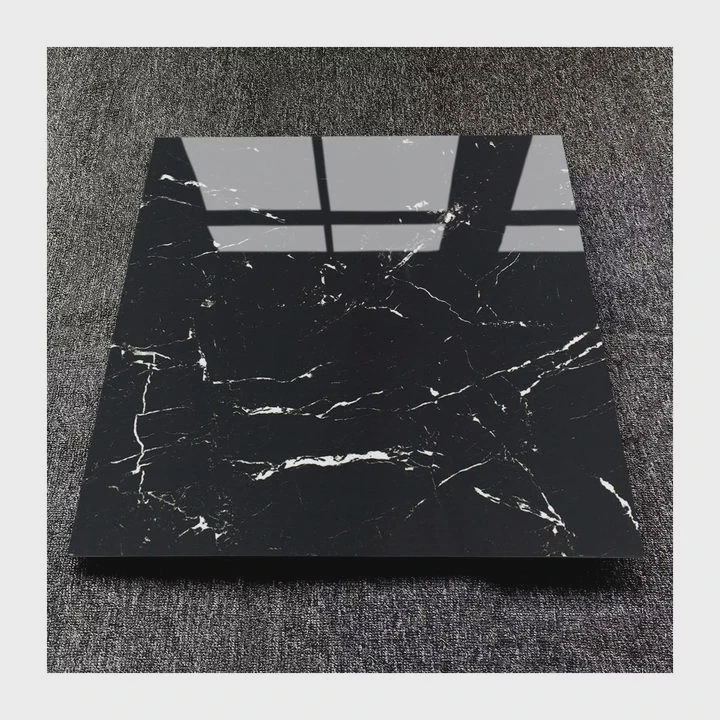
Ceramic tiles are challenging because their surface is very hard and glazed. Ordinary metal bits tend to skid and create uneven holes. Carbide-tipped bits are tough and can handle ceramic. Diamond-tipped bits are even stronger and last longer, making them perfect for larger tiles or frequent drilling.
Types of Drill Bits for Tiles
| Drill Bit Type | Best For | Pros | Cons |
|---|---|---|---|
| Carbide-Tipped | Small holes, occasional use | Affordable, easy to find | Wears faster on hard tiles |
| Diamond-Tipped | Large or multiple holes | Long-lasting, smooth drilling | Expensive |
| Glass & Tile Bits | Medium holes, single tasks | Specialized tip, precise | Limited durability |
When choosing a bit, consider tile thickness and material. Thin ceramic tiles may crack easily with aggressive bits. Larger bits are best used with slow drilling and careful pressure. A stable drill and steady hand prevent slipping and improve accuracy. Even when using the right bit, applying gentle, consistent pressure is key to success.
How to prevent tile cracking during drilling?
Cracking tiles is the main concern. Pressure, speed, and surface protection all affect the risk.
Using a steady hand, masking tape, and gradual pressure helps avoid cracks while drilling.
Tile cracking often happens when the drill bit moves too fast, or when there is no support under the tile. Starting the hole slowly and keeping the drill perpendicular helps maintain control. Masking tape over the drilling point prevents the bit from slipping and protects the tile glaze. A piece of scrap wood behind the tile can also support it and reduce vibrations that lead to cracks.
Practical Tips to Avoid Cracks
- Mark the drilling spot with a pencil and tape.
- Use a low drill speed for initial penetration.
- Avoid excessive downward force; let the bit do the cutting.
- Backing support: place wood behind the tile.
- Steady drill: hold firmly but avoid shaking.
| Problem | Solution |
|---|---|
| Slipping bit | Use masking tape over spot |
| Surface cracking | Use slow speed and gentle pressure |
| Vibration damage | Support tile with backing board |
Even experienced professionals take their time with tiles. Rushing or high-speed drilling increases the chance of chips and cracks. Patience is the most important factor when trying to maintain tile integrity.
Can water cooling extend drill bit life?
Drilling generates heat. Heat can quickly wear out bits and even damage tiles. Water cooling reduces friction and keeps the bit sharp.
Applying water to the drill area helps reduce heat, prevents cracks, and extends the life of your drill bit.
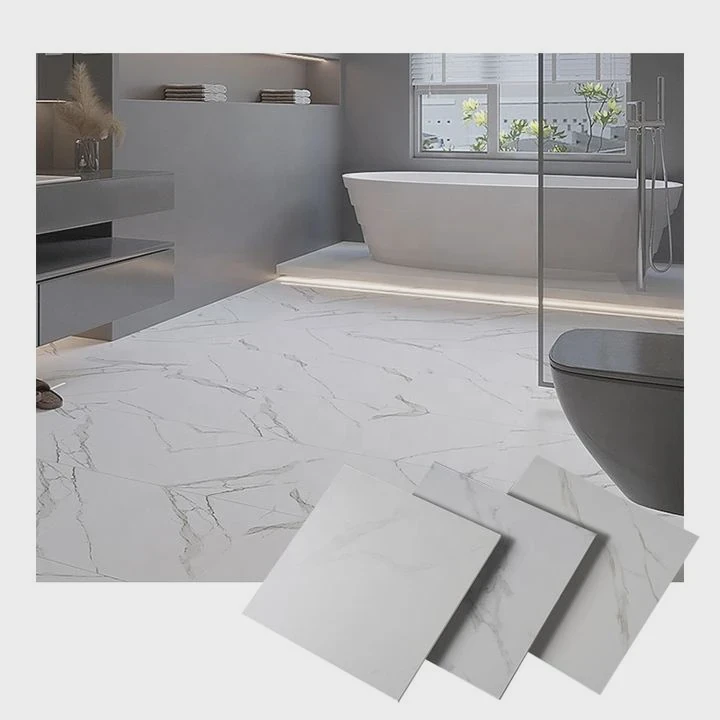
Water acts as a lubricant and coolant. A small stream or a damp sponge over the drilling point keeps the bit temperature low. This reduces friction and prevents both the tile from cracking and the bit from dulling. Diamond bits benefit the most from water cooling, as they maintain their cutting edge longer under proper lubrication.
Methods of Water Cooling
- Use a small container to pour water slowly on the drilling point.
- Keep a sponge or cloth soaked and place it over the area.
- For larger projects, set up a drip system to keep water consistent.
Benefits of Water Cooling
- Extends drill bit lifespan.
- Prevents overheating tiles.
- Reduces dust.
- Improves hole precision.
Even with water, excessive speed or force can still cause issues. Keep the drill at low to medium speed, maintain steady pressure, and keep the tile surface wet. This combination gives clean holes and longer-lasting tools.
What marks indicate correct drilling technique?
Watching how the tile reacts during drilling can guide your technique. Small visual and physical signs indicate if you are on the right path.
Clean edges, no cracking, and smooth debris are signs that the drilling technique is correct.
Tile drilling requires attention to detail. If the edges around the hole remain smooth and glaze is intact, it shows that pressure and speed are correct. Small ceramic dust indicates the bit is cutting properly. Skidding, uneven edges, or cracks show a need to adjust speed, pressure, or support.
Key Indicators of Proper Drilling
- Smooth hole edges without chips.
- Fine dust around the drill point.
- Drill stays steady without wobbling.
- Tile surface remains intact without cracks.
Quick Checks During Drilling
| Indicator | Meaning | Adjustment Needed? |
|---|---|---|
| Smooth edges | Correct technique | No |
| Ceramic dust fine | Drill is cutting properly | No |
| Glaze cracking | Too much pressure or wrong speed | Yes – reduce pressure/speed |
| Drill slipping | Bit not gripping surface | Yes – use masking tape |
Even small corrections while drilling can prevent tile damage. Watching the dust, edges, and drill movement gives real-time feedback. Experienced DIYers learn to sense the right amount of pressure and speed quickly, reducing the chance of mistakes.
Conclusion
Drilling through tiles is simple if you choose the right bit, control speed and pressure, use water, and watch tile reactions. Careful preparation and patience make clean holes possible every time.
- Pre: How to Install Tile?
- Next: How to Grout Tile Floor?