How to Hang a Ceramic Tile on a Wall?
- Sinotiles
- 2026-05-07
Hanging ceramic tiles on a wall can feel tricky if you want it to look good and stay safe. Many people struggle to avoid cracks or loose tiles.
There are several ways to mount ceramic tiles on walls, from adhesives to mechanical supports, that ensure durability and style.
Mounting tiles correctly not only enhances the design but also prevents costly accidents. Learning proper methods saves time and protects your investment.
What methods are used to mount ceramic tiles decoratively?
Hanging tiles decoratively can be hard because you want them straight and stylish. Mistakes can ruin the look quickly.
You can use adhesive backing, tile mounting strips, or mortar techniques to attach tiles decoratively on walls. Each method offers a mix of security and visual appeal.
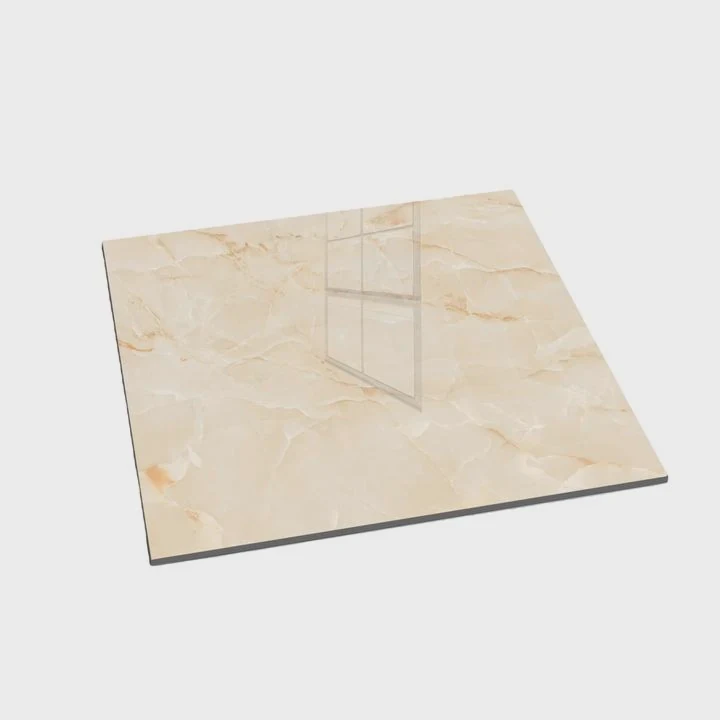
There are several methods to make ceramic tiles decorative on a wall. One way is using tile adhesive or thin-set mortar. This method works well for larger walls and ensures a permanent hold. You spread the adhesive evenly, press the tiles, and let them set. Spacers help to keep gaps even for a clean pattern.
Another method is using adhesive mounting strips or pads. These are less permanent and work for lighter tiles. They are good for creating patterns or temporary designs. Decorative tiles can also be framed or arranged in mosaics with grout to enhance the visual effect.
Some people use a combination of mechanical and adhesive methods. For instance, small L-brackets or picture hooks can hold the tile while the adhesive cures. This avoids slipping and keeps the design precise.
Decorative Mounting Tips
| Method | Best Use | Pros | Cons |
|---|---|---|---|
| Thin-set Mortar | Large wall tiles | Permanent, strong | Hard to remove |
| Adhesive Strips | Light decorative tiles | Easy, no drilling | Limited weight support |
| L-Brackets | Medium tiles | Extra support, adjustable | Visible hardware |
| Mosaic Layouts | Small tiles | Creative designs | Labor-intensive |
Decorative arrangements benefit from pre-planning. Lay out tiles on the floor first to see patterns. Use a level and measuring tape to keep alignment. Even slight misalignment can disrupt the overall look.
Spacing is critical. For grout designs, consistent spacing makes the pattern look professional. Tiles with textured surfaces may need extra adhesive to prevent slipping. Weight distribution matters too. Heavier tiles may need more adhesive or mechanical support.
Choosing the right method depends on the wall material. Drywall can handle adhesive strips but may need anchors for heavier tiles. Concrete or brick walls usually handle mortar or adhesive without extra support. Understanding the wall surface ensures a long-lasting installation.
How do you secure tiles without drilling?
Many people worry about drilling because it damages walls. Non-drilling methods keep walls intact and reduce stress.
Tiles can be secured without drilling by using strong adhesives, mounting strips, or even suction supports for lightweight tiles. These methods avoid permanent wall damage.
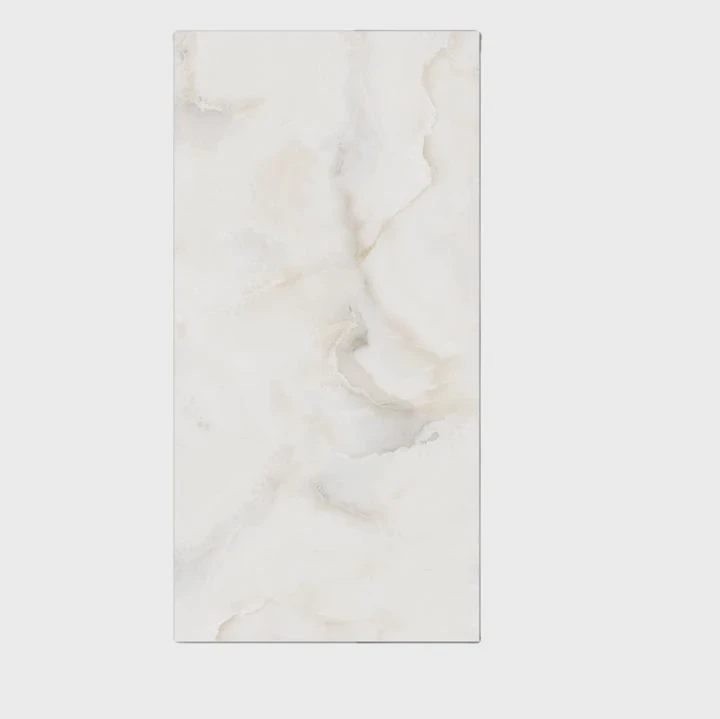
Securing tiles without drilling focuses on adhesives and temporary supports. Adhesive strips and pads provide a simple solution. They are usually double-sided and can hold tiles on smooth surfaces like painted drywall or glass. Suction cups can support very light tiles, mainly for temporary displays.
Non-Drilling Techniques
| Technique | Weight Limit | Surface Type | Notes |
|---|---|---|---|
| Adhesive Strips | Up to 1 kg per strip | Smooth walls | Check manufacturer instructions |
| Suction Cups | Very light tiles | Glass, tile | Temporary use only |
| Removable Mounting Putty | Small decorative tiles | Painted walls | Less reliable for heavy tiles |
| Velcro Strips | Up to 2 kg per piece | Smooth, non-porous | Allows repositioning |
Even without drilling, proper surface preparation is key. Clean walls thoroughly to remove dust, grease, or paint flakes. Some adhesives fail on textured surfaces, so smooth walls work best.
Applying pressure evenly is also important. Adhesive strips need firm pressing for a few seconds. For larger tiles, use multiple strips or combine with a lightweight frame to share weight. Avoid hanging very heavy tiles this way because they may fall and cause injury or wall damage.
Which adhesives are suitable for wall mounting?
Choosing the right adhesive can make or break your tile installation. Not all glues hold ceramic tiles effectively on vertical surfaces.
Wall-mounted tiles require adhesives such as thin-set mortar, epoxy, or special tile glue. Each type provides strong bonding and prevents tiles from slipping over time.
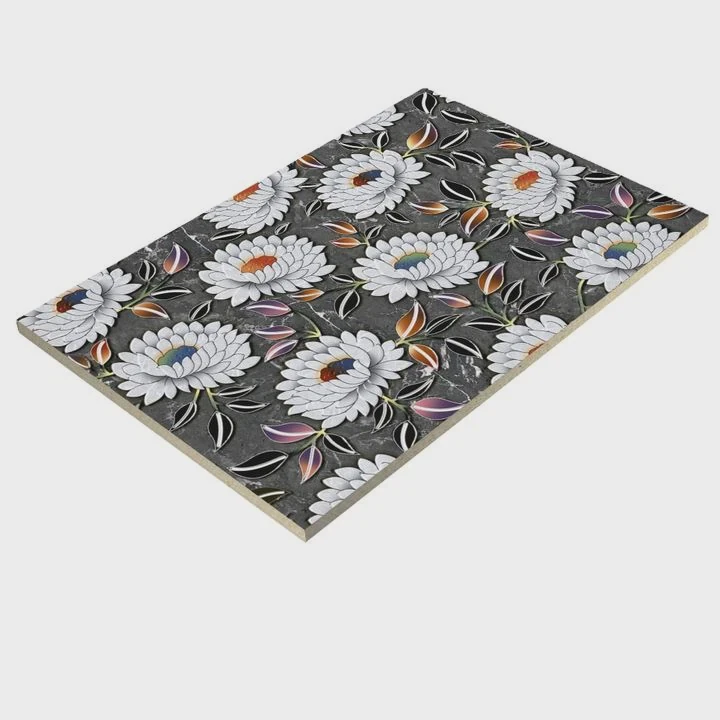
There are several adhesives suitable for wall-mounted ceramic tiles. Thin-set mortar is most common. It is strong, water-resistant, and works well with most wall types. Epoxy adhesives are very strong and bond quickly, useful for heavy or outdoor tiles. Premixed tile adhesives are convenient for small projects, but they may not support very heavy tiles.
Adhesive Types and Uses
| Adhesive | Recommended Tile Size | Setting Time | Notes |
|---|---|---|---|
| Thin-set Mortar | Large and medium | 24 hours | Permanent, professional use |
| Epoxy | Heavy or moisture-prone | 1-2 hours | Very strong, expensive |
| Premixed Glue | Small decorative tiles | 30-60 min | Easy to use, temporary options |
| Silicone Adhesive | Small accent tiles | 24 hours | Flexible, waterproof |
Applying adhesive requires attention. Use a notched trowel to spread thin-set evenly. Ensure full coverage to prevent air pockets behind tiles. Tiles should be pressed firmly, and excess adhesive wiped off immediately. For epoxy, work quickly as it sets fast.
Consider environmental factors. Humidity, temperature, and wall material affect adhesion. In bathrooms or kitchens, moisture-resistant adhesives are necessary. For dry rooms, standard adhesives usually suffice.
Can frames or hooks support ceramic tiles safely?
Using frames or hooks seems easy but carries risks. Improper use may lead to falling tiles or damaged walls.
Frames and hooks can support ceramic tiles if the tile is light and the frame distributes weight evenly. Heavy tiles require additional adhesive or mechanical support.
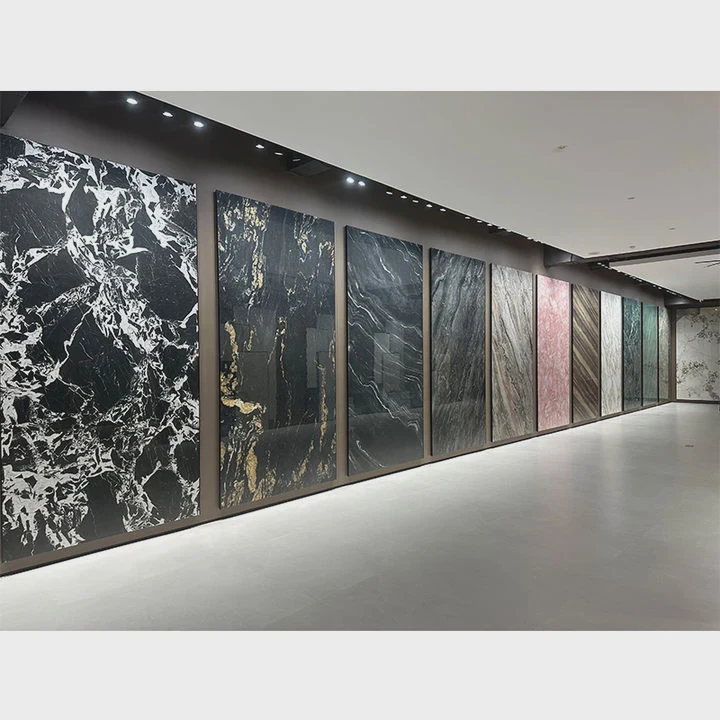
Frames and hooks are practical for small decorative tiles. Lightweight tiles can be placed in picture frames or shadow boxes and hung like artwork. Hooks or wire hangers can carry tiles with uniform weight. Always ensure the wall anchor is rated for the combined weight of the tile and frame.
Frame and Hook Guidelines
| Method | Max Tile Weight | Wall Type | Tips |
|---|---|---|---|
| Picture Frame | Up to 2 kg | Drywall or plaster | Use multiple hooks for large frames |
| Shadow Box | 3-5 kg | Wood or drywall | Even weight distribution |
| Wire Hanging | Up to 2 kg per tile | Solid wall | Combine with adhesive for safety |
| L-Brackets | Up to 10 kg | Concrete or brick | Hide brackets for aesthetic |
Frames offer extra protection. The tile is less likely to chip or crack because it is secured within a protective boundary. Hooks alone may not be sufficient for heavy or large tiles. Always test the setup before final installation.
Combination methods are safer. Adhesive or thin-set mortar can hold the tile while the frame provides additional support. This ensures long-term stability and reduces the chance of accidents. Regular inspection is wise, especially for tiles hung in high-traffic areas.
Conclusion
Mounting ceramic tiles on a wall safely requires planning, the right adhesive, and sometimes mechanical support. With careful methods, tiles can stay decorative, secure, and long-lasting.